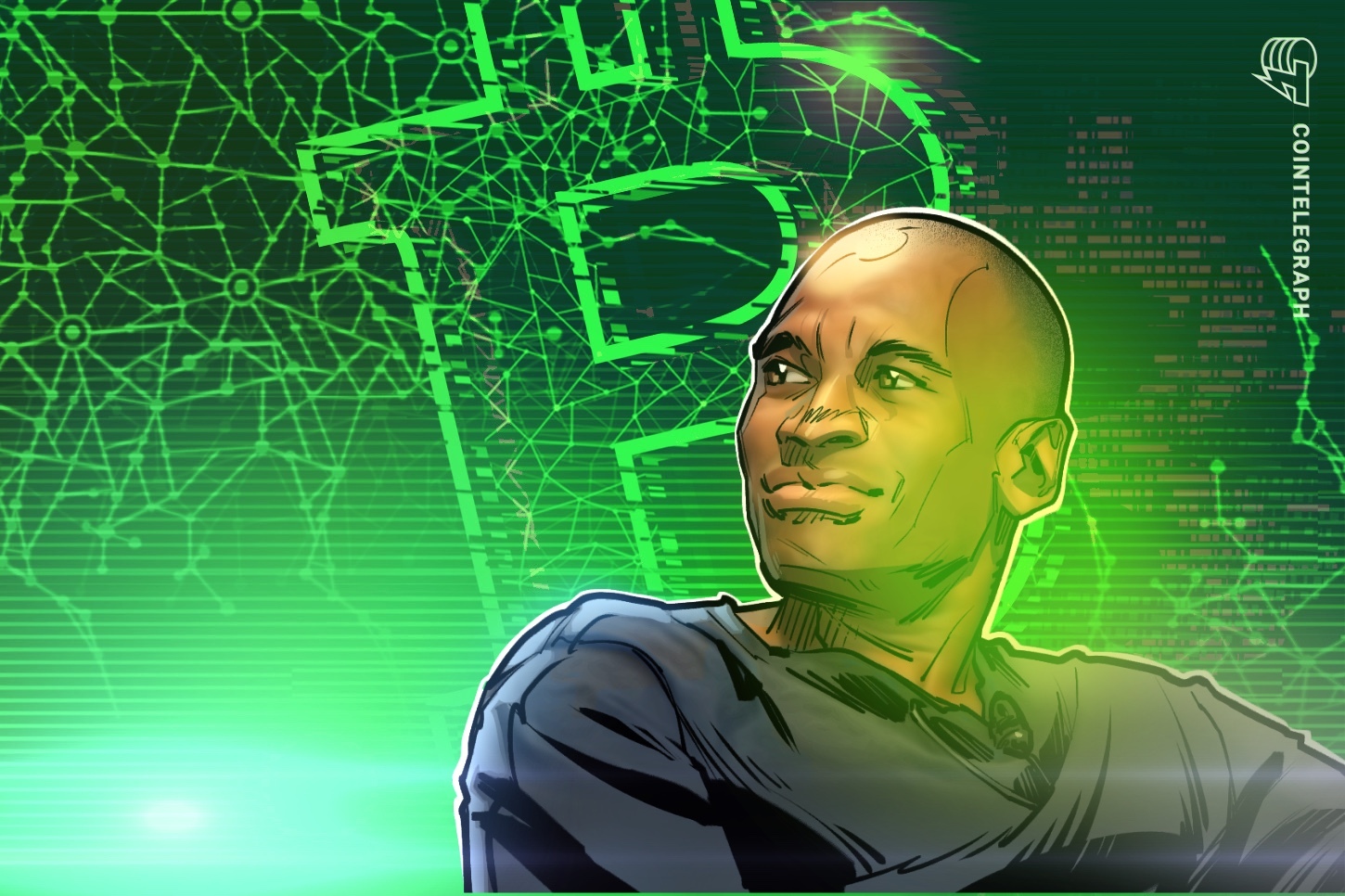
Сергей Безделов оценил перспективы российского рынка майнинга криптовалют

cryptonews.ruPublicado em 2025-07-07Última atualização em 2025-10-08

Директор Ассоциации промышленного майнинга Сергей Безделов заявил, что в ближайшее время структура рынка майнинга России изменится в значительной степени — вырастет как число дата-центров, так и количество игроков.

Сергей Безделов отметил, что к концу 2025 года суммарные мощности майнинга в России достигнут примерно 5 ГВт. После вступления в силу закона о майнинге в августе 2024 года отрасль активно развивается, появляются новые участники, которые инвестируют в создание инфраструктуры и дата-центров.

По его словам, многие проекты находятся на завершающем этапе строительства и скоро будут введены в эксплуатацию, что приведет к изменениям в структуре рынка и количественном составе участников,

Безделов рассказал, что ранее основную часть мощностей составляли объекты, подключенные к электросетям. Сегодня активно растет доля компаний, использующих газовую генерацию с применением газопоршневых установок.

На данный момент около 80% мощностей работают от сети, доля газовой генерации составляет 15–20%, а остальные мощности используют уголь или другие источники энергии. Ранее майнинг криптовалюты был привязан к энергопрофицитным регионам, таким как Сибирь и частично Урал. Сегодня с развитием газовой, угольной и гидрогенерации территориальная привязка исчезла, пояснил он.

Одним из вызовов промышленного майнинга является отсутствие четких регламентов и ограничений в отдельных регионах, что создает проблемы для привлечения инвестиций. Решения об ограничениях должны приниматься после консультаций с участниками рынка. В частности, после экспертных обсуждений ограничения на майнинг в Пензенской области и Карелии не вводились, указал Безделов.

По его данным, некоторые участники используют оборудование, ввезенное до принятия закона с нарушением таможенных правил. Ассоциация промышленного майнинга предлагает механизмы реабилитации: при условии включения в реестр майнеров компании освобождаются от административной и уголовной ответственности.

Ранее замминистра финансов Иван Чебесков в рамках форума «Цифровые финансы: новая экономическая реальность» заявил, что пока в реестр майнеров включено около 30% участников отрасли и прорабатываются меры для увеличения этого показателя.


Leituras Relacionadas

"AI Burning Books" Is Actually a Misunderstanding

"AI Book-Burning" Is Actually a Misunderstanding Recent reports about AI companies purchasing used books, scanning them, and then destroying the physical copies have sparked widespread outrage. Terms like "AI is devouring human knowledge" have become common, fueled by dramatic visuals of books being cut and shredded. However, the actual facts reveal a more nuanced story. While companies like Anthropic have indeed spent millions to buy and "destructively scan" several million books for AI training, this volume is a small fraction of the global second-hand book market. The core act—digitizing content and then discarding the physical object—is the opposite of historical book-burning, which aimed to erase knowledge. A key point of contention is the purchase of rare or out-of-print books. Yet, if these books were legally for sale on the open market, the buyer (whether an AI firm or an individual) has the right to do with them as they wish. The real question is whether society has adequate systems to protect books of genuine cultural heritage *before* they are sold. Expecting profit-driven companies to self-regulate on this is unreliable; the solution lies in establishing public rules, such as protected lists for rare editions or granting libraries priority purchase rights. Much of the intense public reaction stems not from the scale of actual harm, but from the powerful symbolism. The image of books being fed into machines taps into deeper anxieties about AI: fears of job displacement, mistrust of tech giants, and the unsettling feeling that humanity is feeding its own cultural past to the systems that might replace it. The outrage over "AI book-burning" is thus less about the physical books and more a proxy for broader societal tensions surrounding artificial intelligence.

marsbitHá 3m

"AI Burning Books" Is Actually a Misunderstanding

marsbitHá 3m

Robinhood CEO named three benefits of tokenized stocks for American investors

Robinhood CEO Vlad Tenev advocates for the U.S. to allow trading of tokenized stocks domestically. He argues this model could modernize the financial system through three key benefits: **faster, near real-time settlements** reducing counterparty risk and broker capital requirements; **24/7 trading** enabling reaction to market events anytime; and **greater asset portability**, allowing tokens to be moved between platforms and held in self-custody wallets, increasing competition among services. Tenev emphasized tokenization is about rebuilding asset ownership infrastructure for freer movement, similar to information online. He highlighted potential integration with DeFi, where tokenized stocks could be used for lending or as collateral. Currently, Robinhood's stock tokens are not direct ownership of the underlying securities but are backed by them and provide access to economic value like dividends; their structure may evolve with future regulations. Tenev identified outdated securities laws and market infrastructure, developed over a century, as the main U.S. obstacle, urging regulators to adapt rules for blockchain while preserving investor protections. He warned it would be strange if the rest of the world could build the future of ownership around U.S. assets while Americans are left behind, suggesting tokenization could later expand to private company shares and other illiquid assets.

cryptonews.ruHá 24m

Robinhood CEO named three benefits of tokenized stocks for American investors

cryptonews.ruHá 24m

Trading

Spot
活动图片