The Future of Spending Crypto Starts With This Underrated Altcoin, Presale Ongoing

bitcoinistPublicado em 2025-10-05Última atualização em 2025-10-06

Resumo

Picture walking into any store and paying with Bitcoin just like you would with Apple Pay. This dream has been...

Trusted Editorial content, reviewed by leading industry experts and seasoned editors. Ad Disclosure

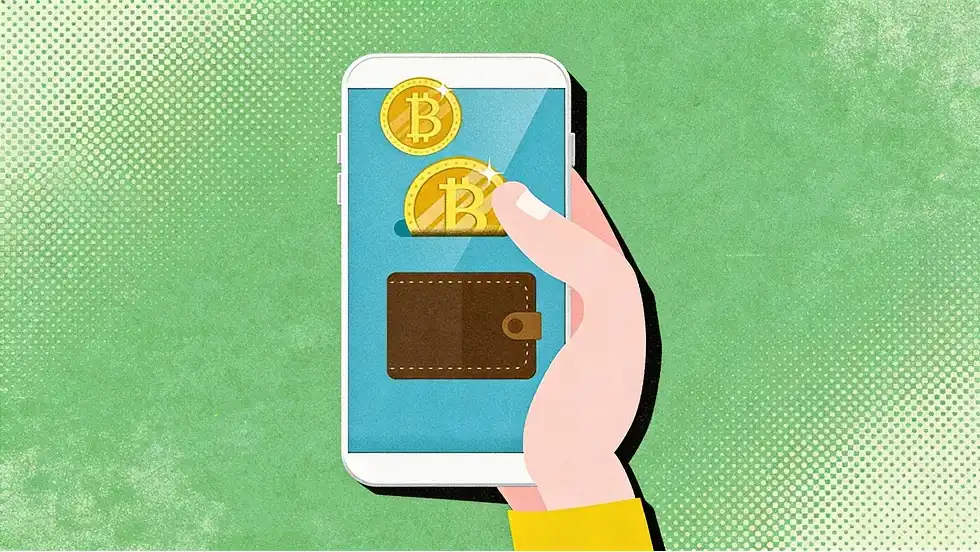
Picture walking into any store and paying with Bitcoin just like you would with Apple Pay.

This dream has been around for years, but most crypto projects have failed to deliver on the promise. Sure, we can trade digital coins all day long, but try buying groceries with them? Good luck. Most store owners take one look at crypto payments and run the other way – too much hassle, too expensive, and way too unpredictable. SpacePay wants to change that story. 

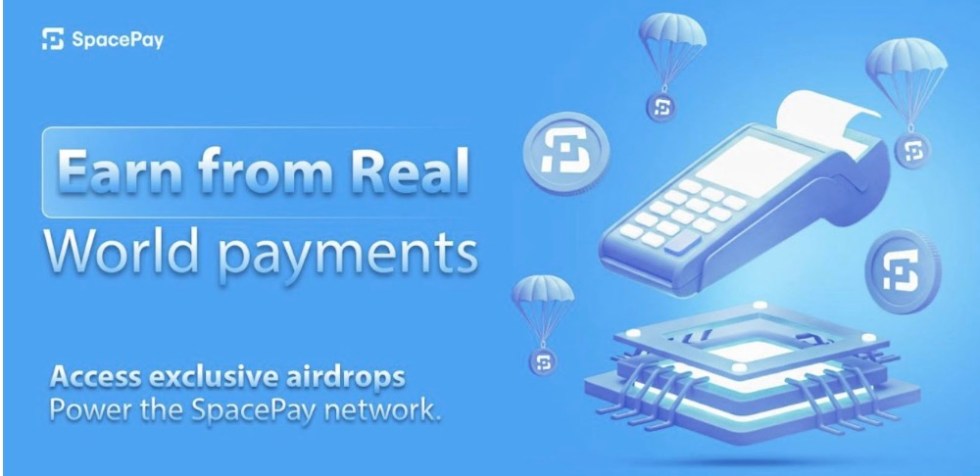
The London startup lets businesses accept crypto through their existing card machines, supports hundreds of different wallets, and converts payments to regular money instantly so merchants don’t worry about price swings.

The Problem Nobody Talks About With Crypto Payments

Here’s the thing most crypto enthusiasts don’t want to admit: paying with digital currencies is still a mess. You find a store that accepts crypto, pull out your phone, scan a QR code, wait for confirmations, and hope the transaction doesn’t fail. Meanwhile, everyone behind you in line is getting annoyed.

Then there’s the merchant side of things. Business owners hear “crypto payments” and immediately think about buying expensive new equipment, training staff, and dealing with wild price fluctuations. Most just say no thanks and stick with credit cards.

SpacePay actually listened to these complaints. Instead of forcing merchants to change everything, they built a solution that works with existing Android payment terminals. Store owners just need a software update. That’s it. No new hardware, no complicated setup, no confused employees.

The platform handles over 325 different crypto wallets, so customers can use whatever they already have installed. When someone pays with Ethereum or any other supported coin, the merchant gets dollars (or euros, or whatever their local currency is) immediately. The crypto conversion happens behind the scenes.

https://x.com/SpacePayLtd/status/1970525148475465794 

Why This Underrated Altcoin Actually Makes Sense

Most people have never heard of the $SPY token, and that might be exactly why it’s worth paying attention to. Instead of making wild promises about going to the moon, SpacePay built something that actually works.

The token does more than just sit in your wallet hoping for price increases. Holders get voting rights on platform decisions. They receive monthly loyalty rewards. They get early access to new features. The best part is that token holders actually get a cut of the money SpacePay makes from those transaction fees.

Here’s how it works: someone buys a coffee using SpacePay, and $SPY holders pocket a small slice of that transaction fee. The more successful the platform becomes, the more money flows back to $SPY holders. It’s a pretty straightforward business model compared to tokens that exist purely for speculation.

They capped the total supply at 34 billion tokens. A fifth goes to this public sale, and the rest gets split between development, partnerships, marketing, and user rewards. At least the team planned beyond their initial cash grab.

Visit SpacePay Presale

The Presale Reality Check

SpacePay has pulled in over $1.3M so far during their token sale. That’s real money from real investors, not just hype on social media. The current price sits at $0.003181 per token, and it goes up with each new stage of the presale.

What sets this apart from other crypto projects is that SpacePay already has a working product. You can actually download it and test it out. The team focuses on following regulations and getting proper licenses, which explains why payment industry professionals are taking them seriously.

The funding goes toward practical things like integrating with more businesses, improving security, and getting more merchants signed up. It’s refreshing to see a crypto project that talks about boring stuff like compliance and business development instead of just posting rocket emojis.
The Presale Reality Check

Real Benefits That Actually Matter

For business owners, SpacePay opens up access to millions of crypto users who have money to spend but nowhere to spend it. These customers tend to be younger and more tech-savvy, exactly the demographic many businesses want to attract.

The 0.5% transaction fee beats what most credit card processors charge. Plus merchants get their money instantly instead of waiting days for payments to clear. Cash flow problems? Not anymore.

Customers finally have a way to spend their crypto without jumping through hoops. No more searching for crypto-friendly merchants or dealing with clunky payment processes. If a store has SpacePay, you can pay with your crypto just like using a credit card.

The security features use modern encryption and monitor transactions in real-time. Both merchants and customers get protection from fraud, which is always a concern with digital payments.

How To Join The SPY Token Presale

Getting into the SpacePay presale is pretty simple. Head to their website and connect your crypto wallet like MetaMask or WalletConnect. Don’t have crypto? They accept regular debit and credit cards, too.

Right now, $SPY tokens cost $0.003181 each, giving early buyers a head start before exchange listings. The process takes minutes: connect your wallet, choose your payment method, enter your amount, and confirm. The website does all the math for you.

JOIN THE SPACEPAY ($SPY) PRESALE NOW

Website    |    (X) Twitter    |  Telegram

Editorial Process for bitcoinist is centered on delivering thoroughly researched, accurate, and unbiased content. We uphold strict sourcing standards, and each page undergoes diligent review by our team of top technology experts and seasoned editors. This process ensures the integrity, relevance, and value of our content for our readers.

Leituras Relacionadas

STRC Breaks Below $95: Why Does It Continue to Depeg? Is There Default Risk?

"STRC Falls Below $95: Why the Persistent Depegging and Is There Default Risk?" The article discusses the recent decline in the price of STRC, a perpetual preferred stock issued by Strategy (MSTR) designed to trade around a $100 par value. As of publication, STRC traded at $94.65, raising market concerns. STRC is described as a high-yield cash flow product, offering an 11.50% annual dividend paid monthly. Its "preferred" status grants it priority over common stock for dividends and in liquidation. Key reasons cited for the price depegging include: 1. **Bitcoin's Price Drop:** MSTR's assets are heavily tied to Bitcoin (BTC), which fell over 21% from its recent high, pressuring all Strategy-related products. 2. **Competitive Pressure:** Rival Strive Asset Management's similar product, SATA, offers daily dividends and has maintained its $100 par value with a ~13% yield. In response, Strategy has proposed changing STRC's dividend frequency from monthly to bi-weekly, pending shareholder vote. 3. **Technical Selling:** A break below $100 may have triggered algorithmic selling and stop-losses, exacerbating the decline. Regarding default risk, the analysis suggests it is currently low. Strategy founder Michael Saylor confirmed the June 2026 dividend rate remains at 11.50% with no cuts or suspensions. The company's massive reserve of 843,706 BTC provides a significant backstop for its obligations. Industry opinions are mixed. Some analysts view the BTC holdings as reliable support for dividends, while critics like Peter Schiff warn of potential dividend cuts leading to price crashes and lawsuits. Others highlight inflation risk and the company's ability to reduce dividends without a formal default. In summary, STRC's drop is attributed to BTC volatility, competition, and technical factors. While immediate default risk appears contained, the product faces challenges from market conditions and competitive dynamics.

marsbitHá 35m

STRC Breaks Below $95: Why Does It Continue to Depeg? Is There Default Risk?

marsbitHá 35m

AI Trading Cools, South Korean Stocks Plunge 1.8%, Spot Gold Rises 1%, Bitcoin Dives

A sell-off in AI-related stocks, triggered by Broadcom's disappointing earnings forecast, sent shockwaves through global markets. South Korea's KOSPI led Asia's decline, plunging 1.8% as the risks from concentrated chip stock gains and surging leveraged investments came to the fore. The tech-heavy Nasdaq 100 futures fell 0.5% following Broadcom's 14% after-hours plunge, which signaled a slower-than-expected transition to AI clients. This pullback extended Wall Street's weakness, halting the S&P 500's nine-day rally amid hawkish Fed signals and renewed Middle East tensions. South Korean authorities convened an emergency meeting, pledging "immediate measures" against market volatility and warning of record-high stock margin debt. The adjustment rippled across assets: Bitcoin fell to around $64,000, its lowest since February, while safe-haven gold rose 1% on bargain hunting. Oil prices dipped on Middle East ceasefire news. Market analysts noted the sell-off was driven by profit-taking after massive gains, particularly in chip stocks like Samsung and SK Hynix, which now dominate the KOSPI. Wall Street banks are divided on Korea's outlook, with Goldman Sachs raising its target while Citigroup and others warn of overvaluation and a potential bubble. Bridgewater's Ray Dalio noted that great technological shifts often create bubbles. Meanwhile, Fed officials' hints at potential future rate hikes added to the cautious mood ahead of key U.S. jobs data.

华尔街日报Há 1h

AI Trading Cools, South Korean Stocks Plunge 1.8%, Spot Gold Rises 1%, Bitcoin Dives

华尔街日报Há 1h

Seeking Alpha's Hot Article: Why Might the U.S. Stock Market Crash in June?

In a recent Seeking Alpha article, financial professor and analyst Damir Tokic argues that the US stock market may be poised for a significant crash in June 2026. The core thesis centers on a "mega-bubble" in equities, particularly within the technology sector, which has driven the S&P 500 to near-record valuations, with a Shiller P/E ratio exceeding 40—a level comparable to the 2000 dot-com bubble. Tokic identifies two primary catalysts for a potential collapse. First, he points to unsustainable market exuberance fueled by what he terms the "Trump Stimulus"—massive AI capital expenditure by tech giants, which he believes is politically driven and cannot last. Second, and more urgently, he highlights the escalating Iran war as a critical threat. The ongoing closure of the Strait of Hormuz has created a severe global energy supply crunch. Strategic petroleum reserves are projected to hit critically low operational levels by June, potentially causing oil prices to spike above $200 per barrel and triggering a severe, supply-driven inflationary shock. This scenario, Tokic warns, would force the Federal Reserve's hand. Despite currently maintaining a dovish bias, the Fed would likely be compelled to officially pivot to a hawkish stance at its June FOMC meeting to combat soaring inflation and bond yields. He contends that such a shift—or even a failure to act, which would destroy Fed credibility—could be the trigger that punctures the market bubble. The resulting downturn, he concludes, could rival the bear markets of 2000 and 2008, advising investors to prepare for a major correction.

marsbitHá 1h

Seeking Alpha's Hot Article: Why Might the U.S. Stock Market Crash in June?

marsbitHá 1h

Trading

Spot
Futuros
活动图片