US Senator Blasts Crypto’s Environmental Impact, Warns Of Impending Reckoning

bitcoinistPublicado em 2025-10-03Última atualização em 2025-10-03

Resumo

During a recent congressional hearing on climate change, Senator Sheldon Whitehouse, member of the Democratic Party, delivered a message regarding...

Trusted Editorial content, reviewed by leading industry experts and seasoned editors. Ad Disclosure

During a recent congressional hearing on climate change, Senator Sheldon Whitehouse, member of the Democratic Party, delivered a message regarding the alleged environmental impact of crypto mining. He asserted that the industry is exacerbating climate issues and cautioned that a reckoning is on the horizon.

Calls For Accountability In Crypto And AI

In April, Senator Whitehouse, alongside fellow Democrat John Fetterman, introduced the Cloud Act, legislation aimed at establishing emissions standards for artificial intelligence (AI) and cryptocurrency mining facilities. The goal is to utilize the resulting revenues to help consumers lower their utility bills while investing in clean energy.

Eleanor Terret reported on social media platform X (formerly Twitter) that Whitehouse urged industry leaders to consider the implications of their actions on everyday electricity consumers. “Think about what you’re doing to regular consumers of electricity nearby,” he stated.

Whitehouse also stressed on the importance of reflecting on the potential consequences of their choices, warning that they risk pushing society further down a troubling climate path.

Senator Ron Wyden, the panel’s ranking member, expressed his gratitude to Whitehouse for his remarks, while Senator Marsha Blackburn dismissed Whitehouse’s statements as irrelevant.

Attention Shifts To Clarity Act

Whitehouse has been vocal about the alleged strain that energy-intensive data centers and crypto mining operations place on the power grid. He noted that these facilities contribute to rising electricity costs for consumers, hinder access to power for homes and businesses, and increase fossil fuel emissions. 

“The good news is that we don’t have to choose between leading the world on AI and leading the world on climate safety,” he remarked. He believes that technology and AI companies have the financial resources to invest in clean energy alternatives, thereby preventing further strain on local grids.

The Clean Cloud Act aims to direct the Environmental Protection Agency (EPA) to set emissions performance standards for data centers and crypto mining facilities with an installed IT power capacity exceeding 100 kilowatts. 

These standards would be based on regional grid emissions intensities and would decrease annually by 11%. The legislation also proposes penalties for emissions that exceed the set standards, starting at $20 per ton of CO2 equivalent, with annual adjustments for inflation.

Despite the urgency expressed by Senator Whitehouse, progress on the Clean Cloud Act remains stalled as Congress shifts its focus to the Clarity Act. 

This market structure bill intends to clarify the regulatory landscape for digital assets by defining the roles of the Securities and Exchange Commission (SEC) and the Commodity Futures Trading Commission (CFTC), categorizing digital assets, and establishing new protections for developers in the decentralized finance (DeFi) space.

Crypto
The daily chart shows the total crypto market cap valuation surging above the $4 trillion mark. Source: TOTAL on TradingView.com

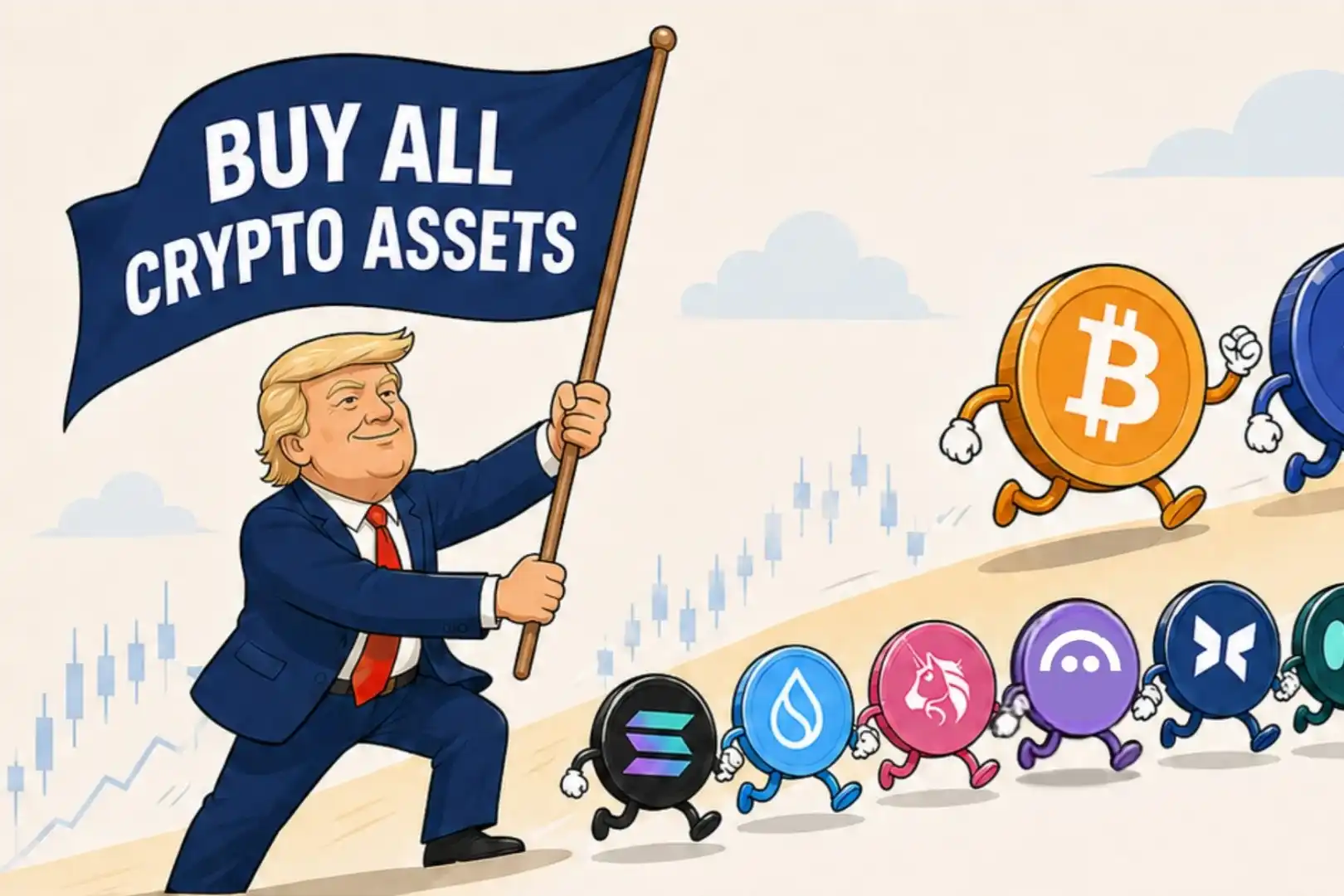
Featured image from DALL-E, chart from TradingView.com 

Editorial Process for bitcoinist is centered on delivering thoroughly researched, accurate, and unbiased content. We uphold strict sourcing standards, and each page undergoes diligent review by our team of top technology experts and seasoned editors. This process ensures the integrity, relevance, and value of our content for our readers.

Ronaldo is a seasoned crypto enthusiast with over four years of experience in the field. He is passionate about exploring the vast and dynamic world of decentralized finance (DeFi) and its practical applications for achieving economic sovereignty. Ronaldo is constantly seeking to expand his knowledge and expertise in the DeFi space, as he believes it holds tremendous potential for transforming the traditional financial landscape.

Leituras Relacionadas

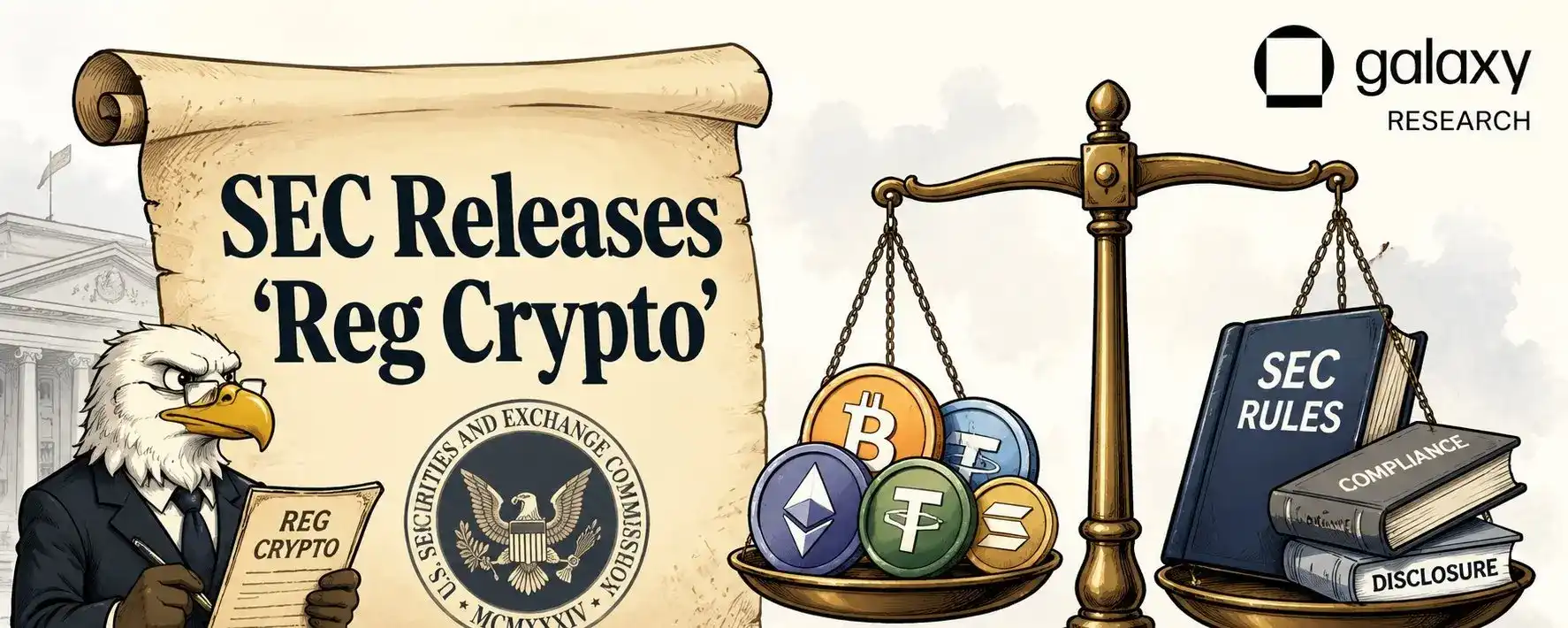
Galaxy Research: Can SEC's New Regulations Usher in a New Era for Token Financing?

**SEC Proposes New Framework for Token Offerings, Potentially Unlocking Legal Paths for U.S. Crypto Fundraising** On August 18, the U.S. Securities and Exchange Commission (SEC) proposed new rules, dubbed "Reg Crypto," specifically tailored for crypto asset offerings. This framework marks a departure from applying traditional securities rules designed for stocks to tokens. It creates a potential legal pathway for token sales to the U.S. public, including non-accredited investors, without full registration. The proposed rules apply to crypto assets that are not themselves securities but were sold as part of an investment contract where the issuer promised to build a product, network, or ecosystem. It establishes a four-phase lifecycle: Raise, Disclose, Build, and Exit. The "Raise" phase includes two new fundraising exemptions: a startup exemption allowing up to $5 million over four years and a larger, Regulation A-based exemption for up to $20 million or $75 million over 12 months. The "Disclose" phase requires specific token-related disclosures like supply schedules, governance, and development progress. After the issuer completes its promised development work and files a transition report, the "Exit" phase allows the associated investment contract to terminate, even if the token continues to trade. The analysis highlights that the framework's most immediate impact may be providing a formal "exit" path for existing tokens with unclear legal status, rather than immediately sparking a new wave of U.S.-based token offerings. It offers advantages over traditional private placements by allowing public sales and immediate token transferability but imposes ongoing disclosure and reporting obligations. A key hurdle is that the larger exemption requires a substantial U.S. operational presence, which may deter projects with offshore structures. Overall, the proposal is seen as a constructive step toward regulatory clarity, acknowledging that token offerings differ from equity offerings and require tailored investor disclosures. However, it remains a proposal subject to a 60-day public comment period, and its long-term stability may ultimately depend on congressional action.

marsbitHá 2h

Galaxy Research: Can SEC's New Regulations Usher in a New Era for Token Financing?

marsbitHá 2h

Bitcoin and Ethereum Soar Together! Eight Altcoins Worth Watching in the Later Market

Bitcoin and Ethereum Surge, Fueling Altcoin Speculation. Bitcoin Eyes $77,000, Ethereum Gains 20% in a Single Day. Market anticipates capital rotation from major cryptos to high-beta altcoins, but a selective rise is expected, favoring projects with genuine users, protocol revenue, and healthy tokenomics. Analysts highlight eight altcoins across key sectors: **High-Performance Blockchains:** * **SOL (Solana):** Market cap ~$51.88B. A dominant player with a strong ecosystem. Considered a relatively safe bet for potential catch-up growth. * **SUI (Sui):** Market cap ~$3.03B. High volatility potential but faces risks from its low circulating supply and future token unlocks. **DeFi Lending:** * **UNI (Uniswap):** Market cap ~$2.38B. Transitioning to a revenue-capturing asset post-fee switch implementation. * **AAVE (Aave):** Market cap ~$1.53B. Features balanced tokenomics and revenue but has seen significant recent gains. * **MORPHO:** Market cap ~$1.50B. Rapid protocol growth but weaker token value capture and opaque supply data. **Perpetual DEX:** * **HYPE (Hyperliquid):** Market cap ~$16.41B. The clear sector leader with strong revenue but high valuation and a large portion of tokens still locked, warranting caution. **RWA & On-Chain Finance Infrastructure:** * **LINK (Chainlink):** Market cap ~$8.09B. A key oracle provider positioned to benefit from multiple trends like RWA and institutional adoption, offering strong fundamentals. * **ONDO (Ondo Finance):** Market cap ~$1.77B. Shows strong business growth but carries high risks due to concentrated token holdings and a massive unlock scheduled for 2027. **Conclusion:** The altcoin rally is expected to be selective. Recommendations include a medium position in SOL, small allocations to SUI and UNI/AAVE for DeFi exposure, and caution with HYPE and ONDO due to their specific risks. LINK is suggested as a core holding for the RWA thematic.

marsbitHá 4h

Bitcoin and Ethereum Soar Together! Eight Altcoins Worth Watching in the Later Market

marsbitHá 4h

Shanghai's $10 Billion Unicorn Is About to Go Public

Shanghai-based automotive-grade millimeter-wave radar chip unicorn Calterah Microelectronics Technology (Shanghai) Co., Ltd. has filed for an IPO on Shanghai's STAR Market, aiming to raise 3.49 billion yuan. Founded in 2014 by Chen Jiashu, a UC Berkeley PhD graduate, and his professor Ali Niknejad, Calterah pioneered CMOS technology for 77GHz radar chips, breaking the decades-long monopoly of international giants like Texas Instruments. Its low-cost, highly integrated solutions enabled millimeter-wave radar to move from luxury to mass-market vehicles. By 2025, Calterah captured a 31.1% share in China's automotive millimeter-wave radar chip market (second domestically, fourth globally), with cumulative shipments exceeding 30 million units. Its client list includes BYD, Geely, Nio, and Volvo. The company has undergone 11 funding rounds, attracting high-profile investors such as the National Integrated Circuit Industry Investment Fund Phase II, China Capital Management, and GD Capital. Its valuation has reached tens of billions of yuan, with a projected post-IPO valuation of approximately 14 billion yuan. Despite rapid revenue growth—increasing from 206 million yuan in 2023 to 632 million yuan in 2025 with a 75.28% CAGR—Calterah remains unprofitable. It reported net losses of 323 million yuan, 334 million yuan, and 193 million yuan from 2023 to 2025, accumulating over 900 million yuan in losses over three and a half years. These losses are primarily attributed to heavy R&D investment, which totaled over 1.039 billion yuan in the reporting period, often exceeding annual revenue. The company faces significant risks, including high customer concentration (its top five customers accounted for over 99% of revenue from 2023-2025, with BYD alone representing over 50% in 2025) and supply chain concentration. Revenue pressure from key customers and dependencies on overseas suppliers for EDA tools and IP pose challenges to sustainable growth. The IPO is seen as crucial for securing capital to expand production, diversify its customer base, and reduce supply chain dependencies.

marsbitHá 5h

Shanghai's $10 Billion Unicorn Is About to Go Public

marsbitHá 5h

Trading

Spot
活动图片