Government Shutdown Delays SEC Decision on Canary Litecoin ETF

TheCryptoTimesPublicado em 2025-10-03Última atualização em 2025-10-03

The U.S. Securities and Exchange Commission (SEC) missed its October 2 deadline to decide on Canary Capital’s proposed spot Litecoin (LTC) exchange-traded fund (ETF), leaving investors and the crypto market uncertain. The agency has not issued any public comment explaining the delay.

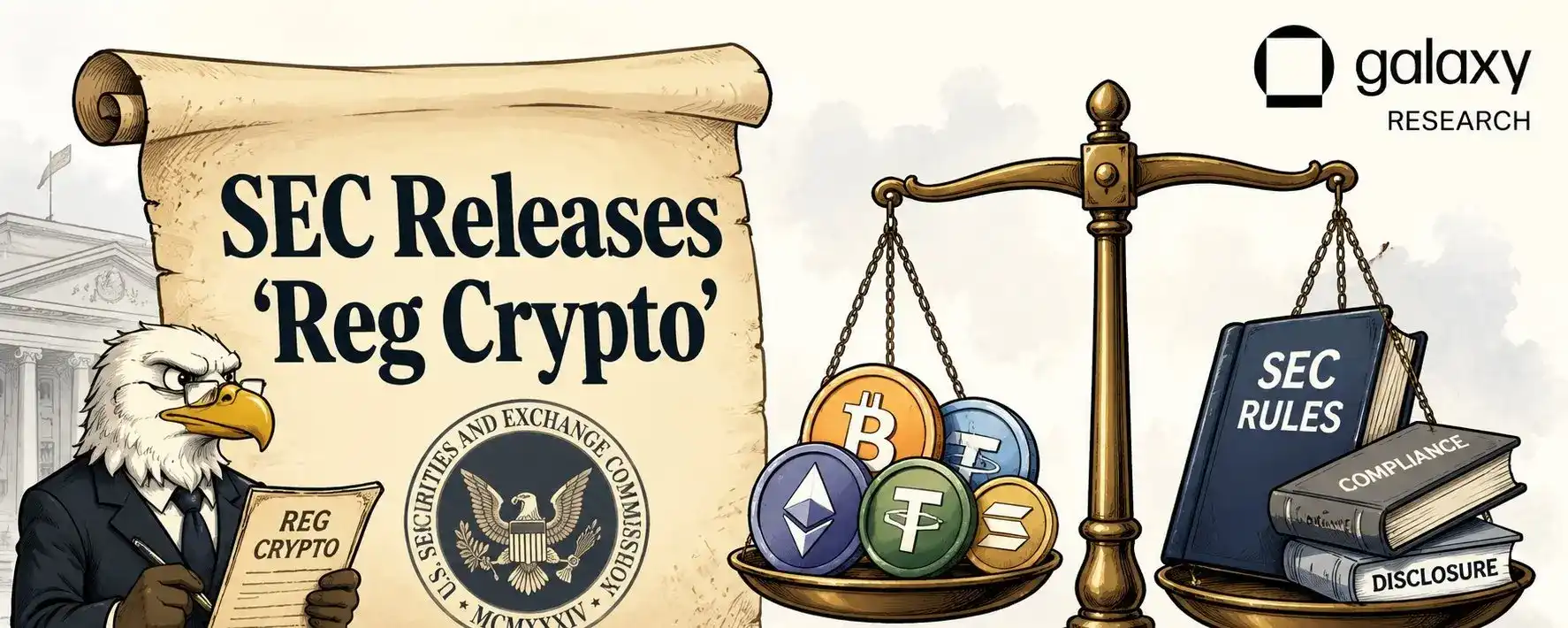
Earlier this year, the SEC asked firms to withdraw their 19b-4 filings, which had been used for exchange rule changes, in favor of S-1 registration statements for ETF approval. Canary withdrew its 19b-4 application on September 25, following the SEC’s instructions. 

FOX News reporter Eleanor Terrett noted, “Since the generic listing standard went into effect and the agency asked issuers and partner exchanges to withdraw their 19b-4s, I’m told the deadlines technically no longer matter.”

Analysts say this regulatory shift makes the old 19b-4 deadlines less relevant, but it adds uncertainty to the approval process for crypto ETFs, which are already under increased scrutiny.

Government shutdown complicates approval

The SEC outlined in August that during a federal government shutdown, it would “not review and approve applications for registration.” 

This includes new financial products, self-regulatory organization rule changes, and accelerated registration statements. While the SEC continues to operate with limited staff, this has slowed the review of new ETF applications, including Canary’s Litecoin proposal.

Litecoin market update

Litecoin is currently trading at $116.51, down 2.41% in the last 24 hours. It is ranked #19 by market capitalization, which stands at $8.89 billion, up 2.25% for the day. Its 24-hour trading volume is $1.15 billion, down 13.47%, as per CoinMarketCap data.

Broader crypto ETF landscape

Canary’s ETF is just one of several altcoin funds being reviewed in the U.S., with proposals for Solana, XRP, Avalanche, Cardano, Chainlink, and Dogecoin also in the works. Meanwhile, Bitcoin and Ethereum spot ETFs have already drawn over $74 billion, showing that institutional investors remain heavily interested in crypto.

Top asset managers like Fidelity, Franklin Templeton, and Bitwise have submitted updated S-1 filings for spot Solana ETFs, some featuring staking options. Analysts expect the SEC could give approval to some of these ETFs by mid-October.

The SEC’s delay highlights the challenges of crypto regulation in the U.S., where procedural changes and limited staffing during a government shutdown leave issuers and investors waiting for clarity.

Also Read: 21Shares SUI and Polkadot ETFs Near SEC Approval After DTCC Listing


Mobile Only Image

Leituras Relacionadas

Earning 1000 Trillion in Half a Year, 'Pocketing' 20 Million per Capita: This Round of Wealth Creation in the Korean Stock Market is Unprecedented in Scale

The South Korean stock market is experiencing an unprecedented wealth surge in 2026, with household equity and fund asset values soaring by over 1,000 trillion KRW (~$730bn) year-to-date. This translates to an average per capita wealth increase of roughly 20 million KRW, fueled by a historic 109% rally in the KOSPI index. The boom is driven by three converging forces: an AI-driven semiconductor supercycle boosting giants like Samsung and SK Hynix; the government's "Value-Up" market reforms addressing long-standing corporate governance issues; and aggressive real estate regulations that have locked capital within financial markets, preventing profits from flowing back into property. This has triggered a wealth effect, boosting high-end consumption significantly. However, the gains are highly concentrated. The two semiconductor behemoths account for over half the index's value, but retail investors own relatively low stakes in them, systematically missing the biggest rallies. Wealth and consumption benefits are skewed towards luxury goods and imported cars, bypassing mainstream retail. Further risks stem from excessive leverage, with high trading volume in leveraged ETFs, and a market sentiment heavily reliant on the AI sector's fortunes and speculative rumors. While this cycle marks a potential shift from real estate to equities as a primary wealth generator for Koreans, its sustainability, amid structural imbalances and leverage, remains a critical test.

marsbitHá 2m

Earning 1000 Trillion in Half a Year, 'Pocketing' 20 Million per Capita: This Round of Wealth Creation in the Korean Stock Market is Unprecedented in Scale

marsbitHá 2m

imToken's 10th Anniversary Unveils Strategic Direction for the Next Decade: Evolving from a Trusted Main Wallet to a Personal Digital Hub

On its tenth anniversary, decentralized wallet imToken announced its strategic vision for the next decade: evolving from a "trusted main wallet" into a "personal control interface." This new direction aims to help users manage not only digital assets but also identity, permissions, and AI agent actions in an increasingly open and intelligent internet. imToken outlined that while the past decade focused on Store, Send, and Stake—securing assets, enabling transfers, and facilitating network participation—the future introduces a fourth core proposition: Sign. This expanded concept goes beyond transaction signing to encompass expressing intent, granting permissions, setting rules, delegating actions, and revoking authorizations. As AI agents gain autonomy, imToken emphasizes the need for clear, verifiable, and revocable user control over their actions. CEO Ben He stated that imToken's mission is shifting from enabling ownership of digital assets to ensuring user sovereignty over their entire digital world in the AI era. The company's core principle has been upgraded from "Digital Assets, Under Your Control" to "Your Digital World, Under Your Control." Future development will focus on three areas: upholding self-custody principles, extending security from transactions to authorizations and automated actions, and building product capabilities for managing permissions, delegations, policies, and revocations. imToken views the wallet's role as expanding into a trusted control interface for human-AI collaboration, where managing keys, signatures, and permissions forms the infrastructure for personal digital sovereignty. Founded in 2016, imToken serves millions of users across 150+ countries, providing non-custodial wallet services supporting over 50 blockchain networks.

marsbitHá 6m

imToken's 10th Anniversary Unveils Strategic Direction for the Next Decade: Evolving from a Trusted Main Wallet to a Personal Digital Hub

marsbitHá 6m

With 300 Million Financing to Accumulate ETH, the Hidden Concerns Behind BitMine's High-Yield Preferred Shares

BitMine, led by Thomas Lee, plans to raise up to $300 million through an initial public offering of 3 million shares of perpetual Series A preferred stock on the NYSE (ticker: BMNP). The stock offers a fixed 9.5% annual dividend. The funds are intended to further the company's accumulation of Ethereum, expand its staking node operations, and for general corporate purposes. This move comes as BitMine faces significant challenges. Its massive Ethereum holdings, over 5.3 million ETH (roughly 4.5% of circulating supply), are currently at an unrealized loss exceeding $8.5 billion due to the crypto market downturn. The company's core business model relies on staking these ETH holdings to generate yield, which it presents as the primary means to cover the new, substantial annual dividend obligation of approximately $28.5 million if the offering is fully subscribed. While the model is similar to MicroStrategy's bitcoin-focused strategy of using capital markets to fund crypto acquisitions, BitMine's product differs with its fixed, non-adjustable dividend rate. The company acknowledges risks, stating dividend payments could also come from cash reserves, asset sales, or future financing, and warns that staking yields may underperform or be illiquid during market stress. The 9.5% fixed rate reflects the higher risk premium demanded from investors for a company heavily exposed to Ethereum's volatility.

Foresight NewsHá 9m

With 300 Million Financing to Accumulate ETH, the Hidden Concerns Behind BitMine's High-Yield Preferred Shares

Foresight NewsHá 9m

A Year of Observing Agent Payments: The Cold Reality Behind the Hot Narrative

A Year in Agent Payments: The Cold Reality Behind a Hot Narrative This article examines the current state of "Agent payments," a year after it became a major trend at the intersection of AI, payments, and crypto. Despite significant investments from major players like Stripe, Visa, and Google, the author—having built products and spoken with merchants and developers—finds genuine, large-scale demand still lacking. Key findings across several hyped scenarios reveal structural challenges: * **Agent-to-Merchant Commerce:** For most product categories (e.g., clothing, electronics), AI shopping via chat is inferior to traditional visual e-commerce. Merchant interest is largely defensive, focused on future-proofing rather than current consumer demand. True potential exists only in specific, high-frequency/low-decision scenarios (like food orders) or for simplifying broken checkout experiences, but these require massive consumer distribution, favoring incumbents. * **Agent-to-API/Machine Commerce:** While stablecoin micropayments are touted for API calls, developers already solve small-value payments via prepaid credits and subscriptions. Large SaaS providers prefer enterprise contracts over fragmented micro-pricing. The market exists for long-tail services outside the top providers but is inherently smaller than the hype suggests. * **Agent-to-Agent Payments:** This remains a theoretical long-term vision with negligible real transaction volume. The core challenges—discovery, trust, negotiation, dispute resolution—are unsolved. While the potential for a new, high-speed settlement layer is real, it is not the current market. * **Agent Finance:** This is the sole area with existing, paying customers (fund managers, DeFi users). AI enhances real-time monitoring and autonomous rebalancing, offering real capability gains. However, competition favors established, regulated institutions with existing licenses and client relationships. The author concludes that the core deficiency in the Agent economy is not merely a payment layer, but a more complex **coordination** capability—figuring out how Agents and humans work together, verify task completion, and settle outcomes. Payment is just one component of settlement, which is itself part of coordination. For large companies, investing now is a defensive, long-term bet with minimal cost. For startups, however, the imperative is to find markets that exist today, not wait for a future wave that remains on the horizon.

marsbitHá 11m

A Year of Observing Agent Payments: The Cold Reality Behind the Hot Narrative

marsbitHá 11m

Trading

Spot
Futuros

Artigos em Destaque

Como comprar LTC

Bem-vindo à HTX.com!Tornámos a compra de Litecoin (LTC) simples e conveniente.Segue o nosso guia passo a passo para iniciar a tua jornada no mundo das criptos.Passo 1: cria a tua conta HTXUtiliza o teu e-mail ou número de telefone para te inscreveres numa conta gratuita na HTX.Desfruta de um processo de inscrição sem complicações e desbloqueia todas as funcionalidades.Obter a minha contaPasso 2: vai para Comprar Cripto e escolhe o teu método de pagamentoCartão de crédito/débito: usa o teu visa ou mastercard para comprar Litecoin (LTC) instantaneamente.Saldo: usa os fundos da tua conta HTX para transacionar sem problemas.Terceiros: adicionamos métodos de pagamento populares, como Google Pay e Apple Pay, para aumentar a conveniência.P2P: transaciona diretamente com outros utilizadores na HTX.Mercado de balcão (OTC): oferecemos serviços personalizados e taxas de câmbio competitivas para os traders.Passo 3: armazena teu Litecoin (LTC)Depois de comprar o teu Litecoin (LTC), armazena-o na tua conta HTX.Alternativamente, podes enviá-lo para outro lugar através de transferência blockchain ou usá-lo para transacionar outras criptomoedas.Passo 4: transaciona Litecoin (LTC)Transaciona facilmente Litecoin (LTC) no mercado à vista da HTX.Acede simplesmente à tua conta, seleciona o teu par de trading, executa as tuas transações e monitoriza em tempo real.Oferecemos uma experiência de fácil utilização tanto para principiantes como para traders experientes.

1.0k Visualizações TotaisPublicado em {updateTime}Atualizado em 2026.06.02

Como comprar LTC

Discussões

Bem-vindo à Comunidade HTX. Aqui, pode manter-se informado sobre os mais recentes desenvolvimentos da plataforma e obter acesso a análises profissionais de mercado. As opiniões dos utilizadores sobre o preço de LTC (LTC) são apresentadas abaixo.

活动图片