Kalshi Plans Major Crypto Integration Drive Within a Year

TheCryptoTimesPublicado em 2025-10-02Última atualização em 2025-10-02

Kalshi, a U.S.-regulated prediction market platform, plans to integrate with every major crypto exchange and app within the next year. Speaking at the Token2049 conference in Singapore, John Wang, Kalshi’s Head of Crypto, outlined the company’s expansion plans. The firm, which already dominates the prediction market, aims to build on-chain tools, data systems, and developer resources.

Wang, who joined Kalshi in August after eight years as a crypto trader and influencer, is leading this push. He believes the crypto community represents the “definition of power users.” According to him, these users will help accelerate Kalshi’s ecosystem of new financial products and event-driven contracts.

Kalshi is investing heavily in its onchain initiatives. It is creating tools such as real-time event data feeds, AI-driven agents, and advanced dashboards. Besides, the platform is launching grants for both offchain and onchain innovators through partnerships with Solana and Base. Moreover, Kalshi plans to expand these efforts by working with additional blockchain networks.

“The crypto community is the definition of power users, people who live and breathe new financial markets,” Wang said. He emphasized that prediction markets function like crypto options but in a simpler format, calling them a “Trojan Horse” for mainstream adoption.

Market Leadership and Regulatory Edge

Kalshi recently captured 66% of global prediction market share, up from 3.3% last year. This surge came from NFL-related event contracts in the U.S. Hence, the platform has overtaken crypto-native rival Polymarket, which is preparing its own U.S. return.

Polymarket, after acquiring QCX LLC for $112 million, secured a Designated Contract Market license in July. Consequently, it will relaunch U.S. operations with self-certified event markets, including sports and politics.

Kalshi’s success stems from its regulatory approach. After winning a lawsuit against the CFTC in 2023, it gained the ability to list political contracts. “Prediction markets and event contracts are now being held at the same level as normal derivatives and stocks,” Wang said.

Kalshi is turning to crypto to drive its next growth phase. Strong regulation and fast onchain moves could keep it ahead, while rivals like Polymarket scramble to catch up.

Also Read: Bullish Launches NYDFS-Licensed Spot Trading Platform in US


Mobile Only Image

Leituras Relacionadas

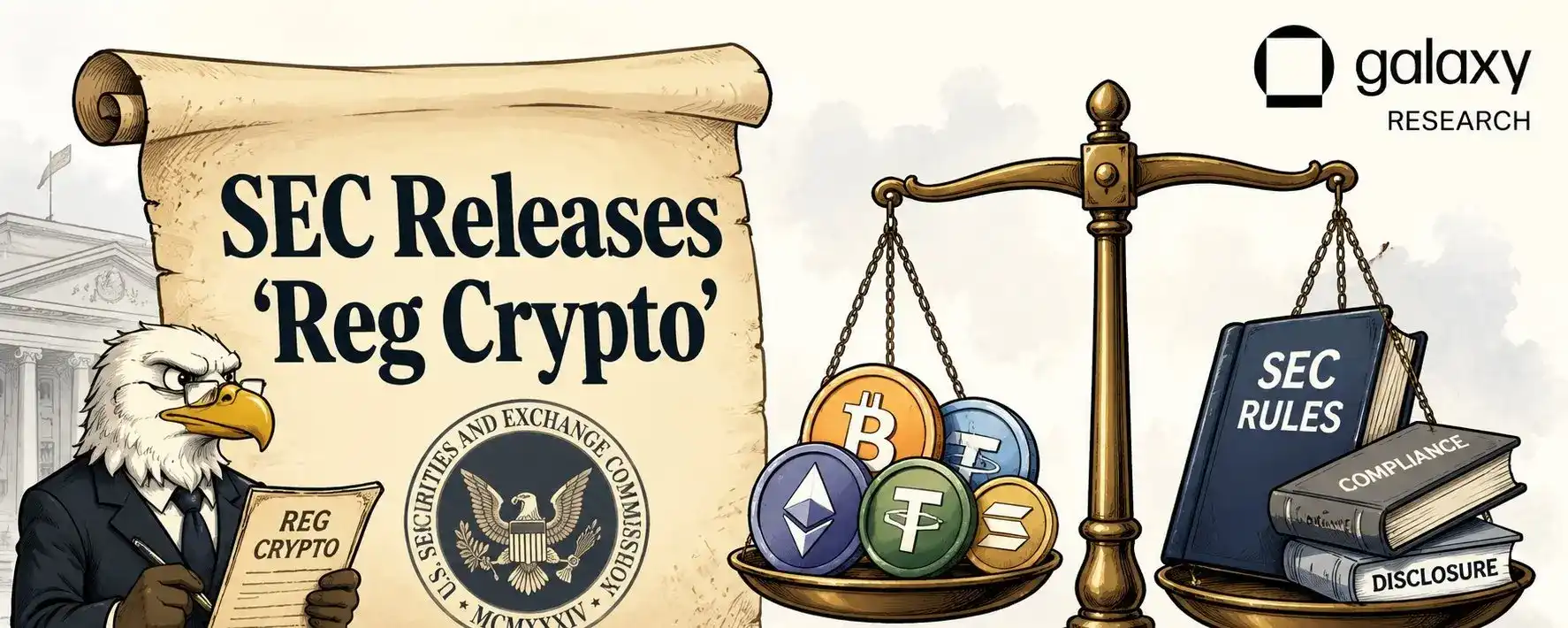
Galaxy Research: Can SEC's New Regulations Usher in a New Era for Token Financing?

**SEC Proposes New Framework for Token Offerings, Potentially Unlocking Legal Paths for U.S. Crypto Fundraising** On August 18, the U.S. Securities and Exchange Commission (SEC) proposed new rules, dubbed "Reg Crypto," specifically tailored for crypto asset offerings. This framework marks a departure from applying traditional securities rules designed for stocks to tokens. It creates a potential legal pathway for token sales to the U.S. public, including non-accredited investors, without full registration. The proposed rules apply to crypto assets that are not themselves securities but were sold as part of an investment contract where the issuer promised to build a product, network, or ecosystem. It establishes a four-phase lifecycle: Raise, Disclose, Build, and Exit. The "Raise" phase includes two new fundraising exemptions: a startup exemption allowing up to $5 million over four years and a larger, Regulation A-based exemption for up to $20 million or $75 million over 12 months. The "Disclose" phase requires specific token-related disclosures like supply schedules, governance, and development progress. After the issuer completes its promised development work and files a transition report, the "Exit" phase allows the associated investment contract to terminate, even if the token continues to trade. The analysis highlights that the framework's most immediate impact may be providing a formal "exit" path for existing tokens with unclear legal status, rather than immediately sparking a new wave of U.S.-based token offerings. It offers advantages over traditional private placements by allowing public sales and immediate token transferability but imposes ongoing disclosure and reporting obligations. A key hurdle is that the larger exemption requires a substantial U.S. operational presence, which may deter projects with offshore structures. Overall, the proposal is seen as a constructive step toward regulatory clarity, acknowledging that token offerings differ from equity offerings and require tailored investor disclosures. However, it remains a proposal subject to a 60-day public comment period, and its long-term stability may ultimately depend on congressional action.

marsbitHá 4h

Galaxy Research: Can SEC's New Regulations Usher in a New Era for Token Financing?

marsbitHá 4h

Trading

Spot
活动图片