一文盘点Pump.fun直播板块最新热门项目

Odaily星球日报Publicado em 2025-09-15Última atualização em 2025-09-15

原创 | Odaily 星球日报(@OdailyChina

作者 | Asher(@Asher_ 0210

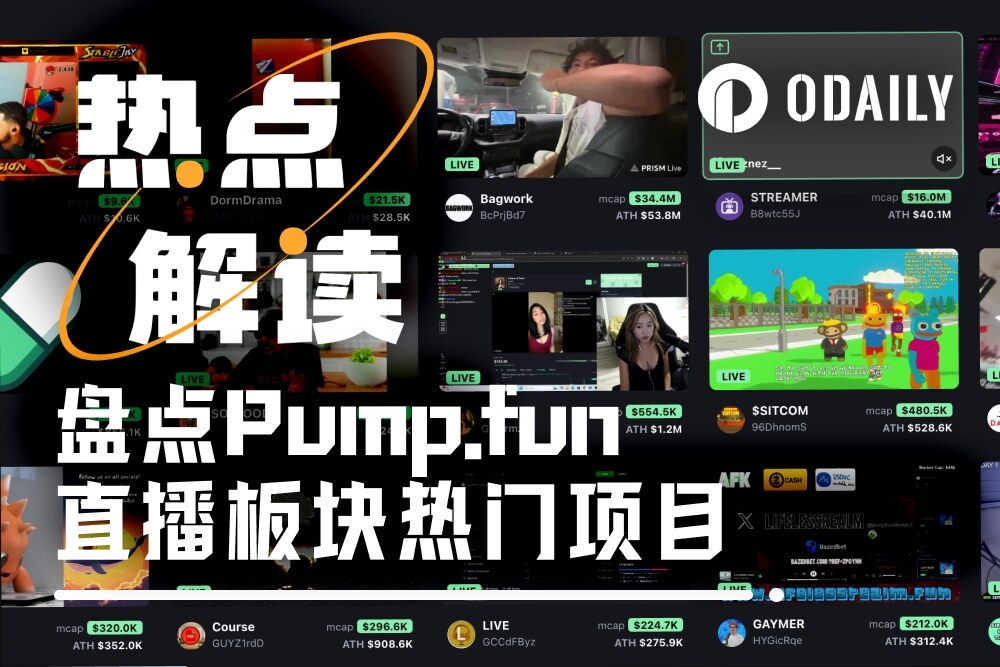
Pump.fun 再次成为市场焦点。这一次,不仅因为其代币 PUMP 登上韩国交易所 Upbit、过去一周涨幅近 60%(Odaily星球日报将于另一篇文章中深度解析 Pump.fun 自身基本面变化),更因为其直播板块的突然爆火。据 GMGN 数据统计,Pump.fun 直播“毕业”板块中,市值突破 100 万美元的代币已达 39 个。

下面,Odaily星球日报为大家盘点近日 Pump.fun 直播板块的热门项目。

Odaily 提醒用户,Meme 币价格波动较大,投资者请注意风险。

Bagwork

项目介绍:Bagwork,意为“为你的袋子而战”,灵感源自拳击/健身领域的“bagwork”,象征着为自己的加密资产拼搏。项目将日常健身和拳击精神与加密交易结合,鼓励持有者成为真正的“bagworker”。上线仅数日,Bagwork 就因一系列大胆举动迅速走红。

在首日,开发者冲进洛杉矶道奇体育场并直播被捕,引发第一波关注;次日,他们在健身网红 Bradley Martyn 的 ZOO Culture 健身房偷帽子,被当场扇耳光,相关视频在 X 和 TikTok 上病毒式传播,推动代币价格暴涨,市值从 13 万美元飙升至 278 万美元,创作者单日获得 4.9 万美元费用。第三天,团队又飞往拉斯维加斯,直播 Canelo 对战 Crawford 的拳击赛。与此同时,他们拒绝 Twitch 挖角,坚持使用 Pump.fun 平台直播,并带动社区扩展到全球,例如英国团队直播“突袭麦当劳”,进一步放大声量。

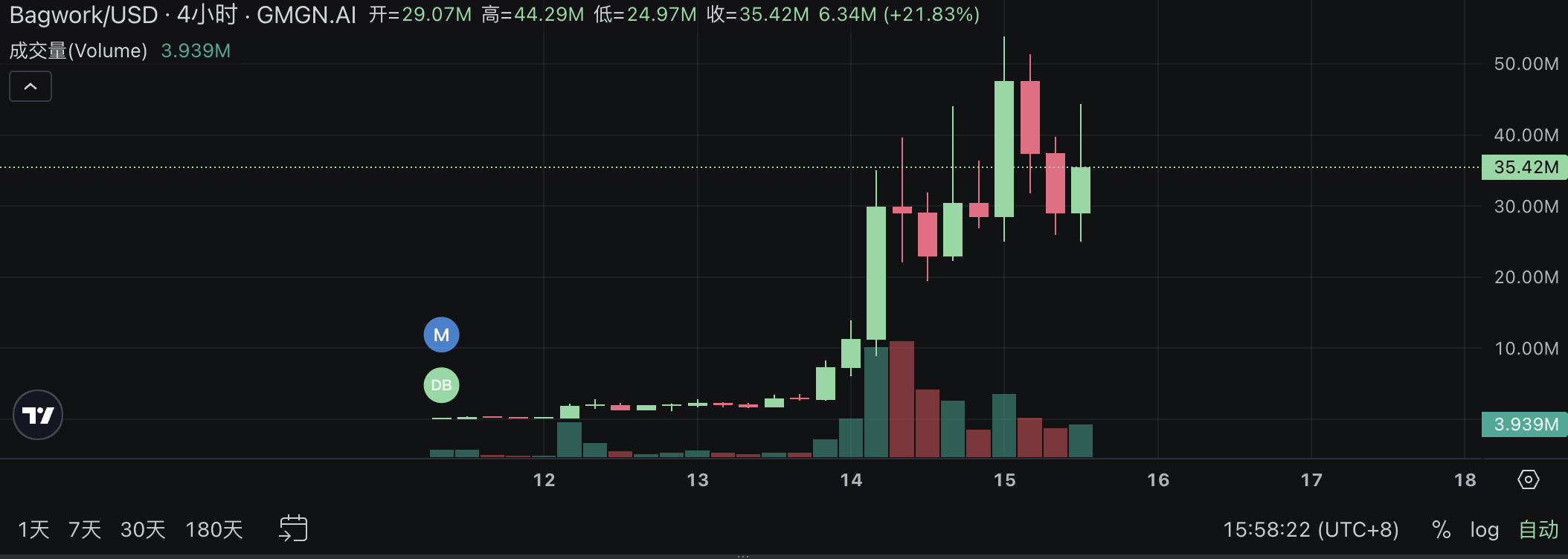
二级表现:Bagwork 代币仅上线 4 天,9 月 13 日晚起,市值从 250 万美元开始暴涨,今晨市值最高突破 5000 万美元,目前市值为 3500 万美元。
合约地址:7Pnqg1S6MYrL6AP1ZXcToTHfdBbTB77ze6Y33qBBpump

KIND

项目介绍:项目采用慈善驱动的叙事,将 100% 的创作者奖励捐赠给小主播,主打公益与爱心。据悉,该项目的 Dev 是知名的 Web2 创作者。

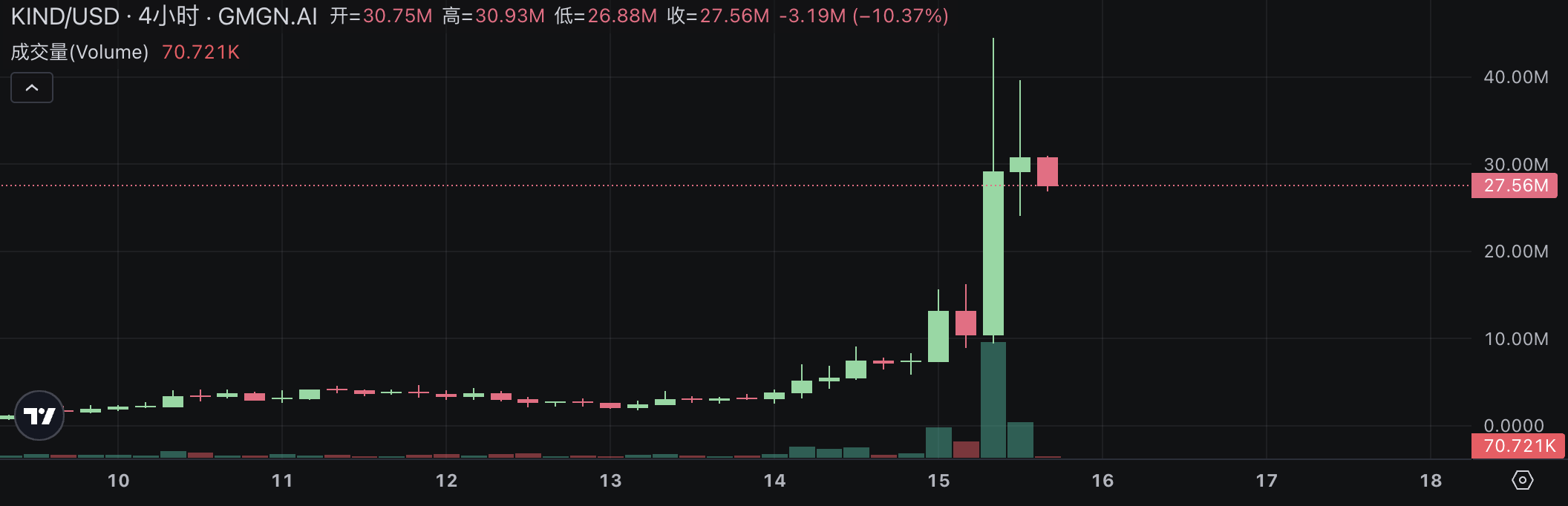
二级表现:KIND 代币于 9 月 7 日上线 9 月 13 日晚起,,市场从 200 万市值开始暴涨,今晨市值最高触及 4500 万美元,目前市值为 2700 万美元。
合约地址:V5cCiSixPLAiEDX2zZquT5VuLm4prr5t35PWmjNpump

STREAMER

项目介绍:STREAMER 项目将交易费用用于捐赠热门主播,以换取他们的推广,从而吸引新用户。这种方式与 Web 3 版“抖音打赏”相似——用户付费支持,主播即时互动,形成强烈的参与感。平台会展示 LIVE DATA 排行榜,让成千上万的观众实时看到谁在为自己喜欢的主播贡献最多,目前项目已打赏超过 200 名直播主。

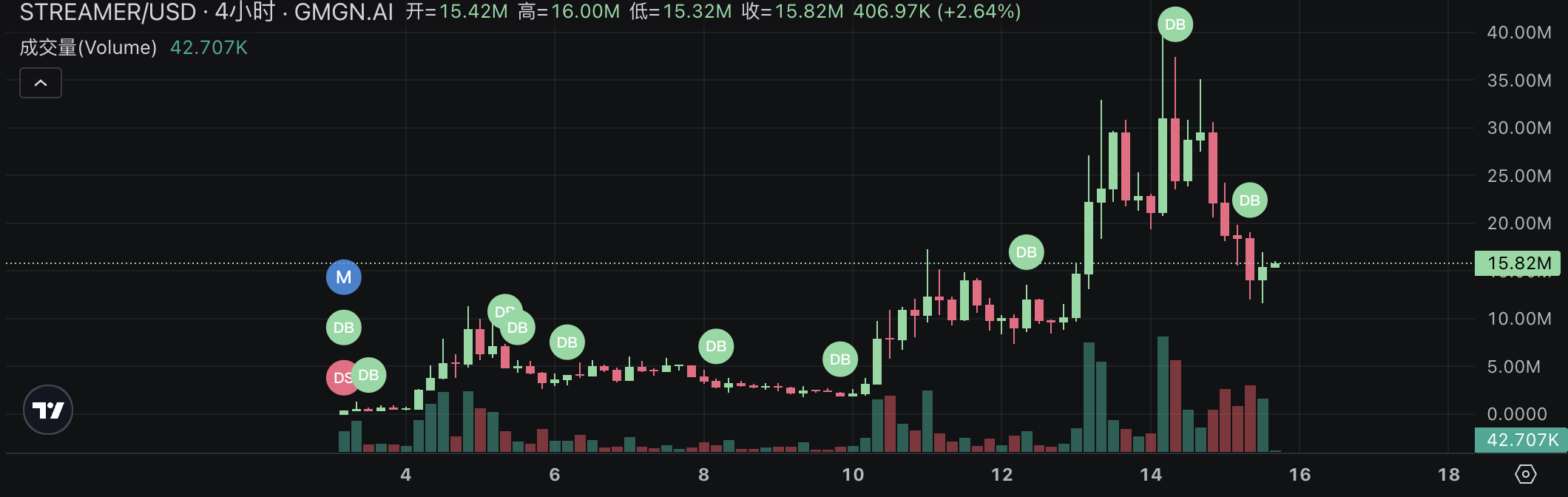
二级表现:STREAMER 代币于 9 月 3 日创建,昨日市值最高触及 4000 万美元,目前市值为 1600 万美元。
合约地址:3arUrpH3nzaRJbbpVgY42dcqSq9A5BFgUxKozZ4npump

BUN COIN

项目介绍:BUN COIN 是英雄联盟前职业选手 @BunnyFuFuu 直播时在 Pump.fun 平台上发的代币, Bunny 是 Web 2 直播网红,本人 YouTube 粉丝超过 150 万,X 平台粉丝超 21 万。

二级表现:BUN COIN 代币于昨日创建,市值最高触及 1000 万美元,目前市值为 770 万美元。
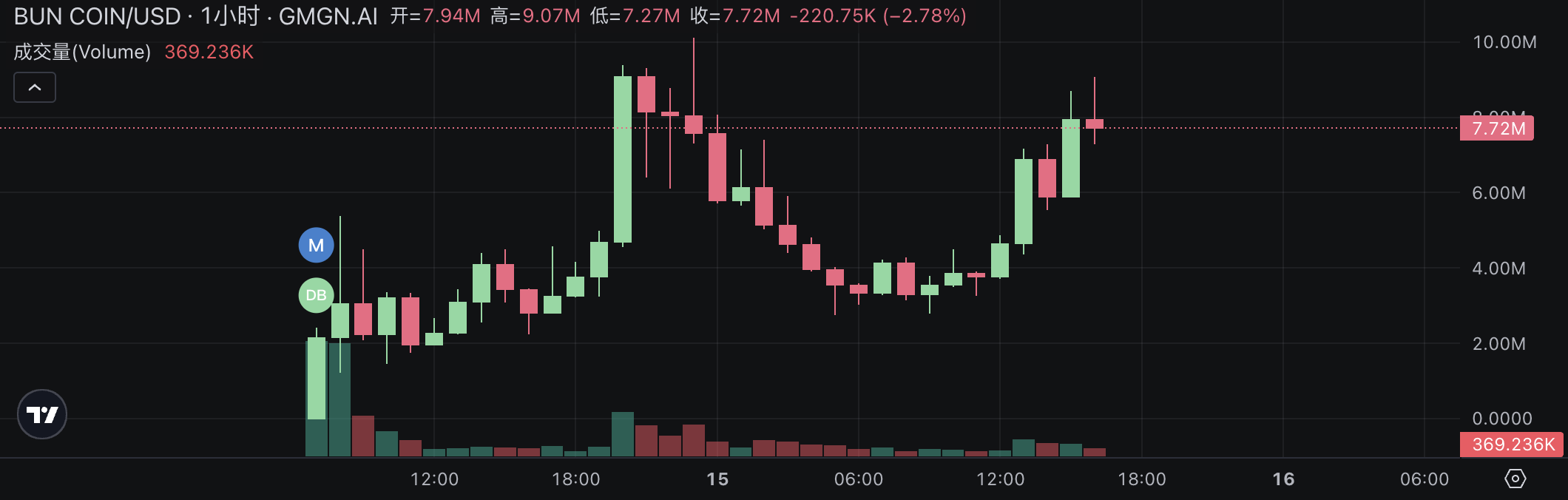
合约地址:HQDTzNa4nQVetoG6aCbSLX9kcH7tSv2j2sTV67Etpump

CLIP

项目介绍:CLIP 是一个基于用户生成内容(UGC)的奖励生态系统,用户通过创建和分享视频剪辑(需标记项目 @clipcoinpump)来获得加密货币奖励,最高可达 10 SOL,将短视频文化的病毒式传播与加密支付相结合,利用代币激励驱动内容创作和流量增长,从而形成正向循环。

二级表现:BUN COIN 代币于昨日创建,市值最高突破 600 万美元,目前市值为 340 万美元。
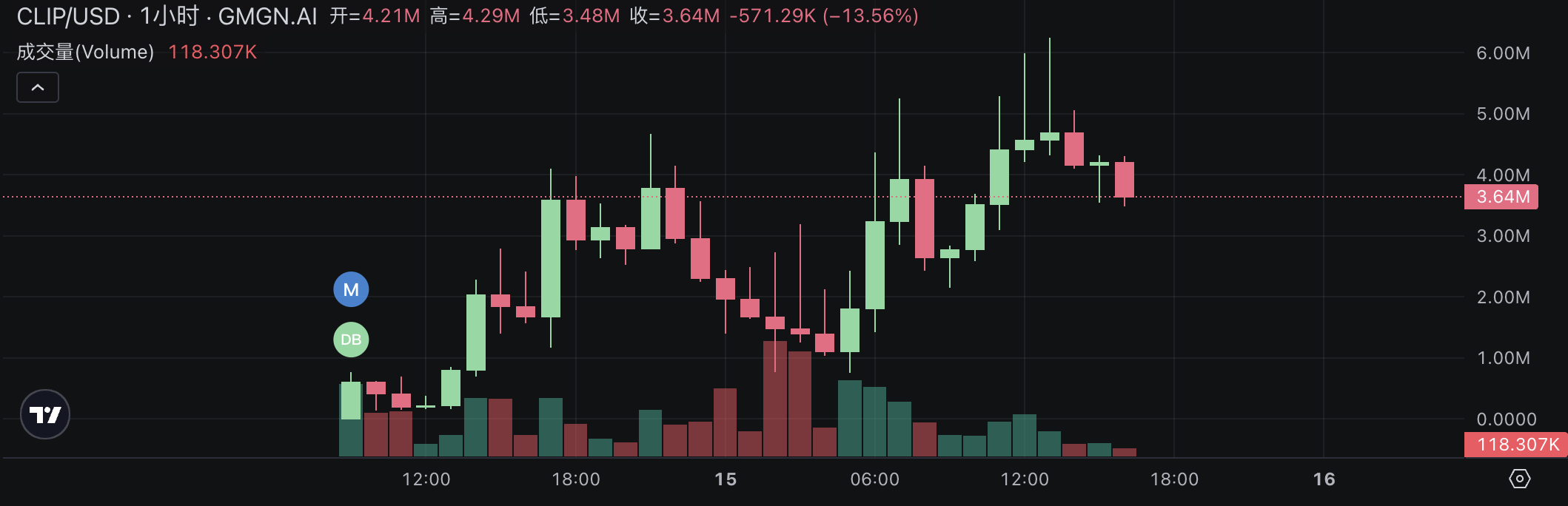
合约地址:9LjLmk78kDbpsR18kYcdbEJe9yWALwkkSWaXA76Epump


Criptomoedas em alta

Leituras Relacionadas

Automotive Chips Initiate a New Round of Game

After two years of deep inventory correction, the global automotive semiconductor industry is signaling a turning point in the second half of 2026, entering a structural upcycle. Unlike the broad-based shortages of 2022, this recovery is characterized by significant divergence across different chip segments, driven by 800V high-voltage platforms, high-level autonomous driving, and ongoing localization of supply chains in China. The industry-wide destocking cycle has concluded, with inventory levels at automakers and Tier 1 suppliers returning to healthy ranges. Key indicators, including rising OEM orders, lengthening component lead times, improving vendor revenues, and the initiation of price hikes by major suppliers like Infineon and Texas Instruments, confirm the start of a replenishment cycle. Segments are diverging into three tiers based on demand and supply dynamics. The first and strongest tier includes Silicon Carbide (SiC), high-voltage IGBTs, and automotive power management chips, fueled by the rapid adoption of 800V platforms. The second tier, experiencing a moderate recovery, comprises high-end 32-bit MCUs and automotive NOR Flash/DRAM, benefiting from advanced compute domains and AI-driven capacity constraints on mature nodes. The third tier, consisting of low-voltage MOSFETs and basic body electronics, remains stable with ample supply. The core growth logic has shifted from pure vehicle sales volume to increasing semiconductor content per vehicle. This is propelled by the transition to domain/centralized E/E architectures, software-defined vehicles, and new applications like commercial vehicle electrification and V2X communications. While the domestic Chinese supply chain is seizing this window for localization, risks remain, including potential softness in end-demand, future SiC oversupply, and possible easing of 8-inch wafer capacity constraints. In the near term, key segments are expected to see simultaneous volume and price increases, with the industry's cyclicality gradually giving way to more prominent long-term growth characteristics.

marsbitHá 5m

Automotive Chips Initiate a New Round of Game

marsbitHá 5m

Domestic RF Filters, Finally Starting to Compete?

China's domestic filter industry, particularly in the challenging BAW (Bulk Acoustic Wave) segment, has reached a significant inflection point, moving from solving the "availability" problem to entering a phase of commercial competition and scale. The market is attractive, with the global mobile terminal RF filter market projected to reach $9.2 billion in 2025, and BAW filters showing strong growth. However, the sector is historically dominated by giants like Broadcom and Qorvo, protected by deep patent walls, as evidenced by lawsuits that have bankrupted competitors like Akoustis. Previously, high-frequency BAW filter production in China was nearly zero. Now, domestic players like Nous Micro, Wuhan Memsensing, Hansky, and others are forming a genuine industrial cluster, achieving mass production and shipping hundreds of millions of chips to clients. Different business models are emerging, including IDM and fab-lite approaches through partnerships with foundries like Sai Microelectronics and Runxin Sensing. A key signal of this new competitive phase is a patent lawsuit filed by Nous Micro against Wuhan Memsensing in June 2025, alleging infringement of a core BAW resonator patent. This conflict, rather than mere internal friction, underscores that the industry now has substantial products and market stakes to contest. The challenge is no longer just technical breakthrough but transforming technological leads into sustainable commercial success through superior patents, product performance, cost control, and customer acquisition. Chinese companies are finally positioned to compete for a share of this lucrative market long held by foreign leaders.

marsbitHá 30m

Domestic RF Filters, Finally Starting to Compete?

marsbitHá 30m

Zhang Lei: How He Became the Biggest Money-Maker This Year

Zhang Lei's company Pinzhun Laser (频准激光) became the biggest "meat sign" (highly profitable new share) of the year on its A-share market debut. Its stock price skyrocketed nearly 600% from its IPO price, generating potential single-lot profits of over 550,000 RMB for lucky subscribers. Founded by Zhang Lei, a 2014 Ph.D. graduate from the Shanghai Institute of Optics and Fine Mechanics, Pinzhun Laser specializes in ultra-stable, narrow-linewidth lasers critical for quantum computing. Its lasers are used by leading global research teams at Harvard, Caltech, and France's PASQAL. The company later successfully applied its core frequency conversion technology to the semiconductor sector, developing deep-ultraviolet lasers for advanced chip manufacturing and inspection. This move diversified its revenue, with semiconductor sales growing rapidly to account for over 25% of its business by 2025. The company boasts gross margins consistently above 69%. Remarkably, Pinzhun Laser required only two major external funding rounds before its IPO, a testament to its early profitability. Key strategic investors in its IPO included major downstream players like BOE,佰维存储 (BIWIN), and中微半导体 (AMEC), signaling strong industry validation. The article highlights the crucial early-stage support from Hangzhou-based capital, particularly funds associated with the Hangzhou Institute of Optics and Fine Mechanics. This "patient capital" model, part of Hangzhou's broader 300-billion-yuan industrial fund strategy, focuses on partnering with scientist-entrepreneurs through the risky valley of death from lab to market. The success of Pinzhun Laser and another Hangzhou-backed firm,宇树科技 (Unitree Robotics), showcases how this supportive ecosystem helps build leading hard-tech companies.

marsbitHá 36m

Zhang Lei: How He Became the Biggest Money-Maker This Year

marsbitHá 36m

3-Month Loss of $10 Billion, DAT Companies Begin to Return to Rationality

During the recent earnings season, major Digital Asset Treasury (DAT) companies reported staggering combined losses of approximately $10 billion for Q2 and over $30 billion for the first half, primarily due to markdowns on their bitcoin holdings. However, contrary to expectations, their stock prices have rebounded from June lows, indicating the market had already priced in these losses. The key shift is a collective return to rationality. Companies like Strategy, Sharplink, and Metaplanet are now prioritizing a new core metric: increasing the amount of crypto assets per share. This marks a departure from last year's aggressive growth-at-all-costs narrative. To achieve this, they are adopting disciplined capital allocation—issuing stock to buy crypto when trading at a premium, and halting dilution or initiating buybacks when at a discount. Some, like Strategy, have even broken "never sell" pledges to uphold this discipline. A major tool enabling this strategy is the STRC model—perpetual preferred shares offering high dividends (e.g., 12-13%) to raise fixed-income capital for purchasing bitcoin. Strive, Bitmine, and Metaplanet have launched their own variants. Sharplink pursues a different path, staking its vast Ethereum holdings to generate native yield. While the premium of DAT stocks over their underlying crypto asset value has declined and may not fully return, the model is evolving rather than ending. Stripped of hype, DAT firms are becoming actively managed, leveraged thematic funds. Their survival through massive losses and continued institutional investment (with major funds adding billions to positions during downturns) suggests the industry is maturing into a more calculated, long-term business focused on compounding crypto per share.

marsbitHá 40m

3-Month Loss of $10 Billion, DAT Companies Begin to Return to Rationality

marsbitHá 40m

Trading

Spot

Artigos em Destaque

Como comprar FUN

Bem-vindo à HTX.com!Tornámos a compra de FUNTOKEN (FUN) simples e conveniente.Segue o nosso guia passo a passo para iniciar a tua jornada no mundo das criptos.Passo 1: cria a tua conta HTXUtiliza o teu e-mail ou número de telefone para te inscreveres numa conta gratuita na HTX.Desfruta de um processo de inscrição sem complicações e desbloqueia todas as funcionalidades.Obter a minha contaPasso 2: vai para Comprar Cripto e escolhe o teu método de pagamentoCartão de crédito/débito: usa o teu visa ou mastercard para comprar FUNTOKEN (FUN) instantaneamente.Saldo: usa os fundos da tua conta HTX para transacionar sem problemas.Terceiros: adicionamos métodos de pagamento populares, como Google Pay e Apple Pay, para aumentar a conveniência.P2P: transaciona diretamente com outros utilizadores na HTX.Mercado de balcão (OTC): oferecemos serviços personalizados e taxas de câmbio competitivas para os traders.Passo 3: armazena teu FUNTOKEN (FUN)Depois de comprar o teu FUNTOKEN (FUN), armazena-o na tua conta HTX.Alternativamente, podes enviá-lo para outro lugar através de transferência blockchain ou usá-lo para transacionar outras criptomoedas.Passo 4: transaciona FUNTOKEN (FUN)Transaciona facilmente FUNTOKEN (FUN) no mercado à vista da HTX.Acede simplesmente à tua conta, seleciona o teu par de trading, executa as tuas transações e monitoriza em tempo real.Oferecemos uma experiência de fácil utilização tanto para principiantes como para traders experientes.

418 Visualizações TotaisPublicado em {updateTime}Atualizado em 2026.06.02

Como comprar FUN

Discussões

Bem-vindo à Comunidade HTX. Aqui, pode manter-se informado sobre os mais recentes desenvolvimentos da plataforma e obter acesso a análises profissionais de mercado. As opiniões dos utilizadores sobre o preço de FUN (FUN) são apresentadas abaixo.

活动图片