The U.S. Senate is pushing forward with a new crypto market structure bill, but growing tensions are emerging over how the legislation is being shaped.
Senator Elizabeth Warren (D-MA) has raised sharp concerns about the lack of transparency in the crypto bill process, accusing Republicans of releasing a 182-page draft without consulting Democrats or disclosing industry input.
Warren argued that such an approach threatens bipartisan cooperation, warning that lobbyist-driven legislation risks creating unfair advantages in the crypto industry.
“Instead of working with us, Republicans have produced partisan drafts reflecting secret feedback from industry,” Warren said, urging for more openness and collaboration.
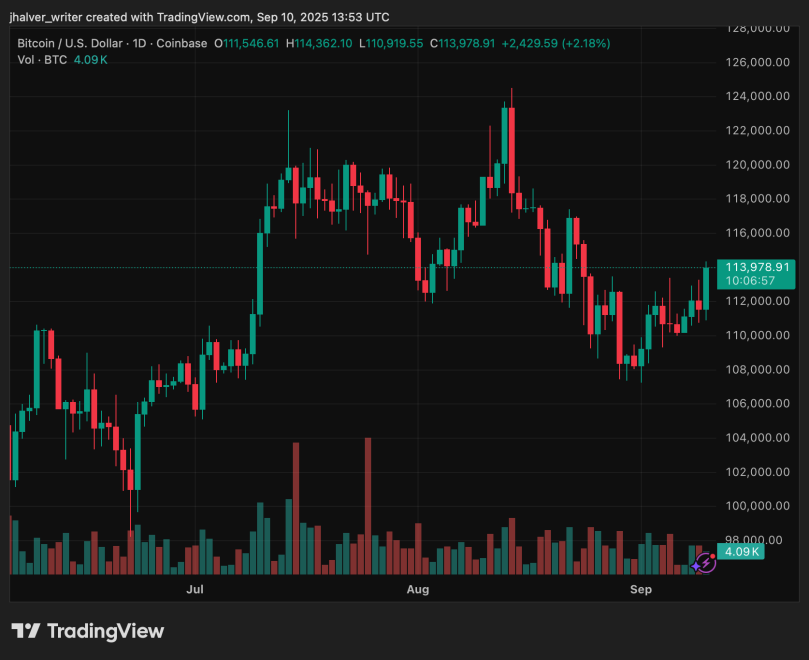
BTC's price trends to the upside on the daily chart. Source: BTCUSD on Tradingivew
Democrats Release Their Own Framework
In response, Senate Democrats unveiled a six-page framework outlining their priorities for crypto regulation. The document highlights seven key pillars, including consumer protections, preventing corruption, clarifying regulatory jurisdiction between the SEC and CFTC, and ensuring fair oversight of DeFi.
Although far less detailed than the Republican draft, the Democratic framework signals an intent to participate in shaping comprehensive legislation.
Pro-crypto Democrats such as Senators Kirsten Gillibrand, Cory Booker, and Mark Warner endorsed the framework, stressing the need for rules that balance innovation with investor safeguards.
However, the disparity between a detailed 182-page proposal and a broad framework leaves Democrats at a structural disadvantage in negotiations, potentially allowing Republicans to set the terms of the debate.
What to Expect for the Crypto Bill
The bill itself seeks to clarify how crypto assets fit into U.S. regulatory regimes, with provisions exempting staking, airdrops, and decentralized infrastructure projects from securities laws under certain conditions.
Critics, however, question whether these exemptions could weaken consumer protections while favoring industry interests. Warren, one of the Senate’s most vocal crypto skeptics, insists that bipartisan legislation must be rooted in transparency and accountability rather than industry influence.
The White House is also pressing lawmakers to move quickly, with new crypto adviser Patrick Witt pushing for a final draft that can attract bipartisan support. However, partisan friction, lobbying concerns, and questions over regulatory agency appointments remain major hurdles.
With both parties staking their ground, the coming weeks could determine whether the U.S. moves toward a unified regulatory framework or whether political divisions stall progress once again.
Cover image from ChatGPT, BTCUSD chart from Tradingview

Related Posts