Kaito 正在扼杀注意力

深潮Publicado em 2025-09-08Última atualização em 2025-09-09

当外在奖励取代内在动机时,创造力和真实的参与度会下降。

撰文:The Smart Ape

编译:AididiaoJP,Foresight News

我最近看到赫伯特·西蒙的一句话:「信息的丰富导致注意力的贫乏。」

这句话出自 1971 年,而随着时间的推移,它变得越来越真实。

通过 @KaitoAI ,注意力被转化为一种货币,内容的价值被衡量并转换为 Yaps,即心智份额。

但在这背后存在一个悖论:在试图聚焦和货币化注意力的过程中,我们实际上可能正在无节制地消耗注意力,也就是说注意力正在扼杀注意力。

背景

最近的研究显示,如今人们在屏幕前的平均注意力持续时间已降至约 50 秒,而在 2000 年代初,这一时间是 2 分钟。
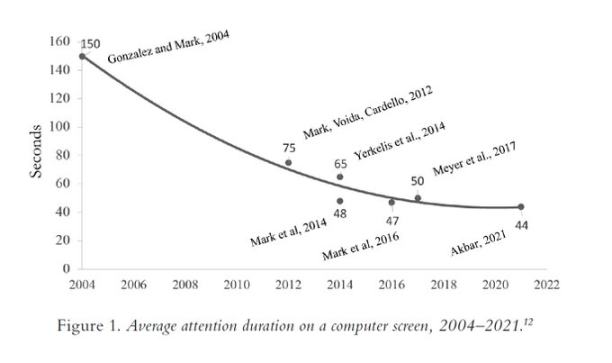
每次中断后,平均需要约 23 分钟才能重新进入深度专注状态。

这一数据表明,我们越是试图通过增加信息和信号来捕获注意力,就实际上越是在削弱它。

心理学家将这种现象称为「定向注意力疲劳」。这是大脑为了保持专注而不得不持续过滤干扰时所出现的疲惫感。

注意力的心理学

关于注意力,存在许多心理学研究和悖论。

查尔斯·古德哈特曾说过:「当一个指标成为目标时,它就不再是一个好指标。」
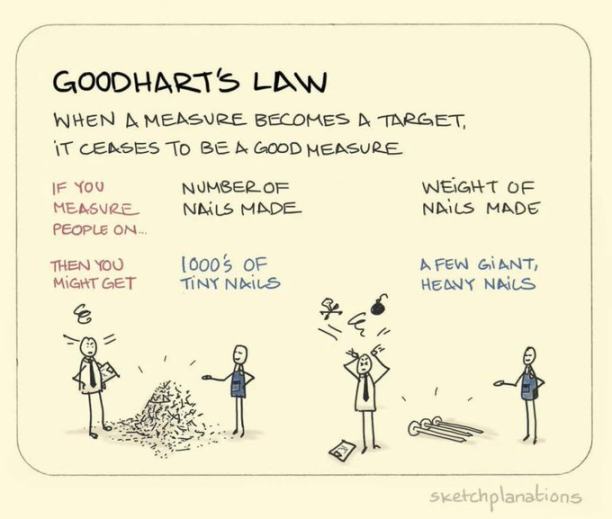
Kaito 的目标是通过衡量注意力来设立奖励机制。但一旦注意力本身成为目标,Kaito 的衡量就失去了意义。
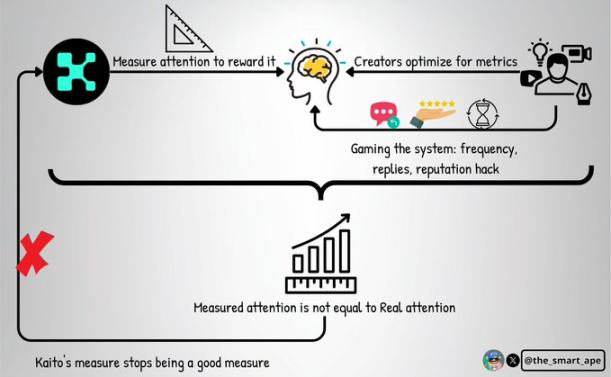
还有大量研究表明,当外在奖励取代内在动机时,创造力和真实的参与度会下降。在 Kaito 的案例中,奖励明显降低了真实性。

其独特之处在于,Kaito 的奖励系统具有高度成瘾性,很像赌场游戏。

它让创作者持续参与,但也导致疲劳和依赖,从而削弱了集体的注意力。

Kaito 的承诺

Kaito 对创作者具有成瘾性并不令人意外,它通过一种游戏化的体验分发可观的奖励。Kaito 已向超过 20 万个钱包分发了超过 1.1 亿美元(不包括其自身的空投)。
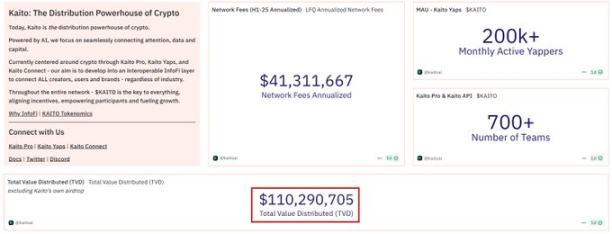
一些活动让个别创作者赚取了超过 20 万美元。

但恰恰是这种规模的激励在扼杀注意力。由于有如此多的资金和奖励,创作者被迫优化发帖频率、回复策略和互动战术,而不是培养深度思考习惯。

再加上 X 上的帖子生命周期只有约 80 分钟,之后互动量急剧下降。这带来了高频率发帖的额外压力。一些创作者仅为了获取心智份额,在一个月内就一个项目发布 200 多条帖子。

结果,读者被重复的内容轰炸,变得麻木,并失去兴趣,即使这些信息可能是有用的。

我认识很多人,最终在 Kaito 活动期间选择屏蔽项目名称,只是为了不让它们出现在自己的信息流中。
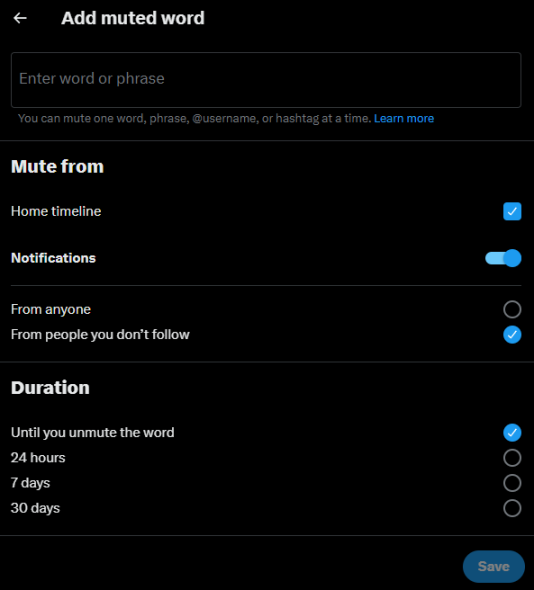
注意力的扼杀

Kaito 上的排行榜也无济于事,我自己就亲身体验过这一点。

当你排名靠前时,你会觉得自己必须保持住,因此你迫使自己进入一种疲惫的节奏以维持排名。这是一种心理作用:你已经想象着自己将获得的奖励。
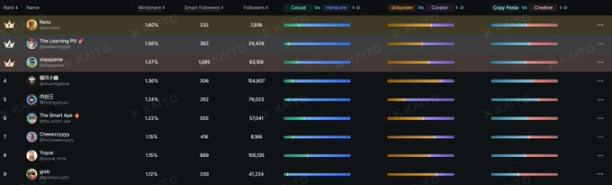
这确实感觉像赌场。你永远不知道你会得到多少。有时很慷慨,有时令人失望,但总是让人上瘾。

它在 CT 中带来了很多快乐,但也带来了失望和沮丧。有一点是肯定的:几乎每个人都认真对待这个游戏。包括我自己!

这推动我们所有人去构建游戏策略、支持网络、互动优化等等。这不再关乎真实的注意力,而是关乎表演注意力以赢得游戏。

但我知道,这对读者来说是有代价的,内容流变得同质化和重复,因此原创性失去了价值。

Kaito 明白这一点

很明显,Kaito 理解所有这些,他们最近的更新证明了这一点。

但我认为他们可以做更多来减少「注意力扼杀」效应:

考虑实际阅读时间,

奖励论点的独特性,

鼓励引用来源的多样性,

通过发布延迟来惩罚垃圾信息。

我不知道他们是否已经做了这些,但他们也可以更重视那些能维持深度注意力的内容。

他们可以奖励更长篇、更综合的内容,而不仅仅是病毒式同质化片段。

问题不在于衡量,而在于长期保护注意力,而这要困难得多。

结论

如今,Kaito 以及更广泛的「可货币化注意力」叙事正处于顶峰。

但它也显示出明显的疲劳迹象。在这个生态系统中,没有什么能永远持续;可以肯定的是,这种叙事最终会逐渐消退。就像注意力本身一样,它是暂时的。

Kaito 真正的挑战是尽可能长时间地保持其活力,而这正是他们通过更新和开发试图做的事情。

但就像化石燃料一样,我们找到了一种货币化稀缺资源的方法,然而我们消耗它的速度可能快于我们补充它的速度。

需要明确的是,我自己也在 Kaito 上玩这个注意力游戏。即使我只选择少数我喜欢并感到乐观的项目,这个游戏对我仍然重要。

我追踪我在排行榜上的位置,检查我每天的 Yaps,监测我的帖子对心智份额的影响,等等。所以我有足够的资格来谈论它。

对创作者来说,这是一个心理要求高但有回报的游戏。但归根结底,无论我在 Kaito 上的结果如何,我都试图退后一步,提醒自己真正重要的是继续提供价值,无论指标怎么说。

Criptomoedas em alta

Leituras Relacionadas

Same $5 Rate, Bill Differs by 30%, OpenAI Exec: Token Pricing Is Never Directly Comparable

Here is a summary of the article in English: **Title: Priced at $5, Bills Vary by 30%. OpenAI Executive: Token Prices Are Not Directly Comparable** A key takeaway from OpenAI's Codex lead, Tibo, is that a "token" is not a standardized unit for comparing AI model costs, akin to grams or kilowatt-hours. He uses an analogy: two identical pizzas priced per slice can yield different total costs depending on how they're cut. Similarly, different models use different "tokenizers" to segment text, meaning the same input text can produce vastly different token counts. For instance, the same text was tokenized as 766 tokens by GPT-5.6 Sol and 1170 tokens by Claude Opus 5—a 34.5% difference—despite both models advertising the same input price of $5 per million tokens. This discrepancy arises because each company trains its own tokenizer based on its training data, affecting how common or rare word combinations are split. The problem isn't cross-vendor only. Even Anthropic warns that its newer models (Claude 4.7+) use a different tokenizer, producing roughly 30% more tokens for the same text than earlier versions, so cost estimates shouldn't be reused across model generations. Bill differences stem from four main factors: 1) Tokenizer efficiency (input token count), 2) Caching (e.g., GPT-5.6 Sol offers a much lower cache input rate), 3) Output pricing (which can outweigh input savings in agent workflows), and 4) Context length pricing tiers (e.g., GPT-5.6 Sol charges double the input rate for entire requests exceeding 272K tokens). Tibo also addressed user reports of GPT-5.6 Sol's context window being limited in practice, sharing configuration code to manually expand it to 1 million tokens. However, he cautioned that larger windows increase the risk of hitting higher pricing tiers as longer session histories are processed repeatedly. The article concludes that the true metric should shift from "price per million tokens" to "price per successful outcome." The most accurate way to compare costs is to run identical real-world tasks (with the same prompts, tools, and data) through different models, accounting for all variables like tokenization, caching, output length, and context pricing. Ultimately, what matters is the total cost to complete a specific job, not the nominal token price.

marsbitHá 7m

Same $5 Rate, Bill Differs by 30%, OpenAI Exec: Token Pricing Is Never Directly Comparable

marsbitHá 7m

Are Big VC Funds Monopolizing the Seed Round, Leaving Small VCs with No Choice but to Give Up?

**Title: Are Big VCs Monopolizing Seed Rounds? Is Giving Up the Only Path for Small VCs?** In a frank and critical commentary, the author argues that the venture capital landscape has shifted dramatically: large, multi-stage funds are aggressively moving into seed-stage investing, leveraging their brand recognition, massive capital, and resources to dominate deals. They outcompete smaller, specialized funds for stakes in even the earliest startups, as founders increasingly prefer established names. The piece asserts that success in VC now hinges almost entirely on securing a position in the handful of globally transformative companies each year (e.g., OpenAI, Anthropic). For funds that miss these "winner-takes-most" opportunities, relevance fades. The author sarcastically suggests small fund managers should advise their portfolio companies to seek acquisition by such giants and then invest via SPVs, or abandon early-stage investing altogether to chase less ambiguous growth rounds. Further, the author claims the "best" founders—those from elite backgrounds—command premium valuations and align with top-tier funds, leaving little room for others. The relentless focus on AI is presented as another pressure point; not dedicating a fund entirely to AI is deemed a path to irrelevance, akin to missing prior cycles like SaaS or crypto. Ultimately, the letter delivers a cynical conclusion: with capital and power concentrating, true differentiation is nearly impossible. It suggests that for many small VCs, surrendering to this new reality—rather than evolving, competing, or trying something different—might be the most rational, if grim, course of action. The piece serves as a stark warning about capital concentration and the existential challenges facing smaller investment firms.

marsbitHá 8m

Are Big VC Funds Monopolizing the Seed Round, Leaving Small VCs with No Choice but to Give Up?

marsbitHá 8m

Bank of Russia: 12 Largest Banks to Connect Digital Ruble from September 1, 2026

The Central Bank of Russia (CBR) announced that all 12 of the country's systemically important banks will be ready to offer clients digital ruble accounts and transactions starting September 1, 2026. According to Alla Bakina, director of the CBR's national payment system department, these banks cover over 80% of the domestic payment market. The digital ruble is described as a new form of the existing currency, functioning as a cashless payment method but held directly in a user's wallet on the CBR platform. Nine other banks designated as significant payment market participants are also expected to provide access, with most aiming to complete integration by autumn 2026. Starting from the September launch date, major retail chains with annual revenue exceeding 120 million rubles will be required to accept digital ruble payments, though adoption for citizens remains voluntary. The rollout follows a delayed pilot phase, with mass implementation postponed from 2025. The CBR's model currently offers basic account functionality without interest accrual, unlike China's digital yuan, which began paying interest in early 2026. The announcement positions Russia among dozens of countries testing Central Bank Digital Currencies (CBDCs), though the digital ruble's potential role in cross-border settlements, particularly within BRICS, remains an open question for its future international relevance.

cryptonews.ruHá 13m

Bank of Russia: 12 Largest Banks to Connect Digital Ruble from September 1, 2026

cryptonews.ruHá 13m

Trading

Spot

Artigos em Destaque

Como comprar KAITO

Bem-vindo à HTX.com!Tornámos a compra de Kaito (KAITO) simples e conveniente.Segue o nosso guia passo a passo para iniciar a tua jornada no mundo das criptos.Passo 1: cria a tua conta HTXUtiliza o teu e-mail ou número de telefone para te inscreveres numa conta gratuita na HTX.Desfruta de um processo de inscrição sem complicações e desbloqueia todas as funcionalidades.Obter a minha contaPasso 2: vai para Comprar Cripto e escolhe o teu método de pagamentoCartão de crédito/débito: usa o teu visa ou mastercard para comprar Kaito (KAITO) instantaneamente.Saldo: usa os fundos da tua conta HTX para transacionar sem problemas.Terceiros: adicionamos métodos de pagamento populares, como Google Pay e Apple Pay, para aumentar a conveniência.P2P: transaciona diretamente com outros utilizadores na HTX.Mercado de balcão (OTC): oferecemos serviços personalizados e taxas de câmbio competitivas para os traders.Passo 3: armazena teu Kaito (KAITO)Depois de comprar o teu Kaito (KAITO), armazena-o na tua conta HTX.Alternativamente, podes enviá-lo para outro lugar através de transferência blockchain ou usá-lo para transacionar outras criptomoedas.Passo 4: transaciona Kaito (KAITO)Transaciona facilmente Kaito (KAITO) no mercado à vista da HTX.Acede simplesmente à tua conta, seleciona o teu par de trading, executa as tuas transações e monitoriza em tempo real.Oferecemos uma experiência de fácil utilização tanto para principiantes como para traders experientes.

348 Visualizações TotaisPublicado em {updateTime}Atualizado em 2026.06.02

Como comprar KAITO

Discussões

Bem-vindo à Comunidade HTX. Aqui, pode manter-se informado sobre os mais recentes desenvolvimentos da plataforma e obter acesso a análises profissionais de mercado. As opiniões dos utilizadores sobre o preço de KAITO (KAITO) são apresentadas abaixo.

活动图片