Трейдеры биткоина, которые прогнозируют рост цены в 4 квартале 2025 года, возможно, не понимают статистику

cryptonews.ruPublicado em 2025-11-05Última atualização em 2025-11-05

По словам одного из биткоин-аналитиков, трейдеры, предсказывающие, что биткоин к концу 2025 года достигнет своего циклического максимума, возможно, неправильно понимают принципы статистики.

«Любой, кто считает, что биткоин должен достичь пика в 4 квартале 2025 года, не разбирается в статистике или теории вероятностей», - заявил PlanC в пятницу в своем посте.
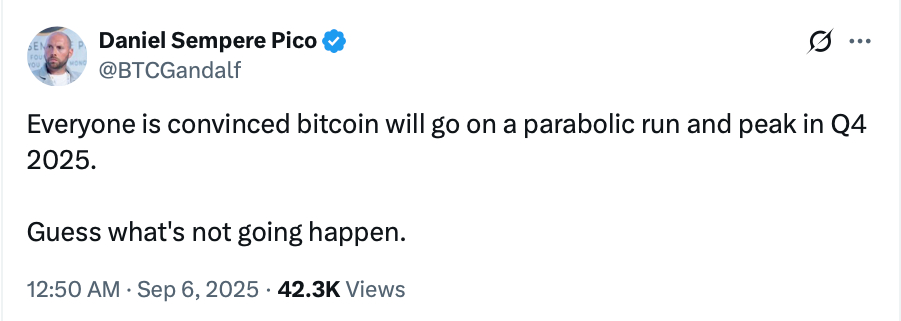
Рисунок 1. Источник: Daniel Sempere Pico.

«С точки зрения статистики и вероятности это эквивалентно подбрасыванию монеты и выпадению решки три раза подряд, а затем ставке на все свои деньги на то, что четвертый подброс ОБЯЗАТЕЛЬНО ПОЛУЧИТ РЕШКУ», - заявил PlanC, объяснив, что опора на три предыдущих цикла деления пополам не дает достаточно статистически значимых данных.

Нет «фундаментальных причин» для достижения пика биткоина в 4 квартале

Аналитик также заявил, что халвинг-цикл больше не актуален для биткоина после недавних дебатов в отрасли о его актуальности, особенно в связи с ростом числа компаний, которые занимаются казначейскими облигациями биткоина, и значительным притоком средств в американские спотовые биткоин-ETF.

«Нет никаких фундаментальных причин - кроме психологического, самоисполняющегося пророчества - для достижения пика в 4 квартале 2025 года», - пояснил он.

4 квартал исторически был самым успешным кварталом для биткоина с 2013 года, со средней доходностью 85,42%, согласно данным CoinGlass.
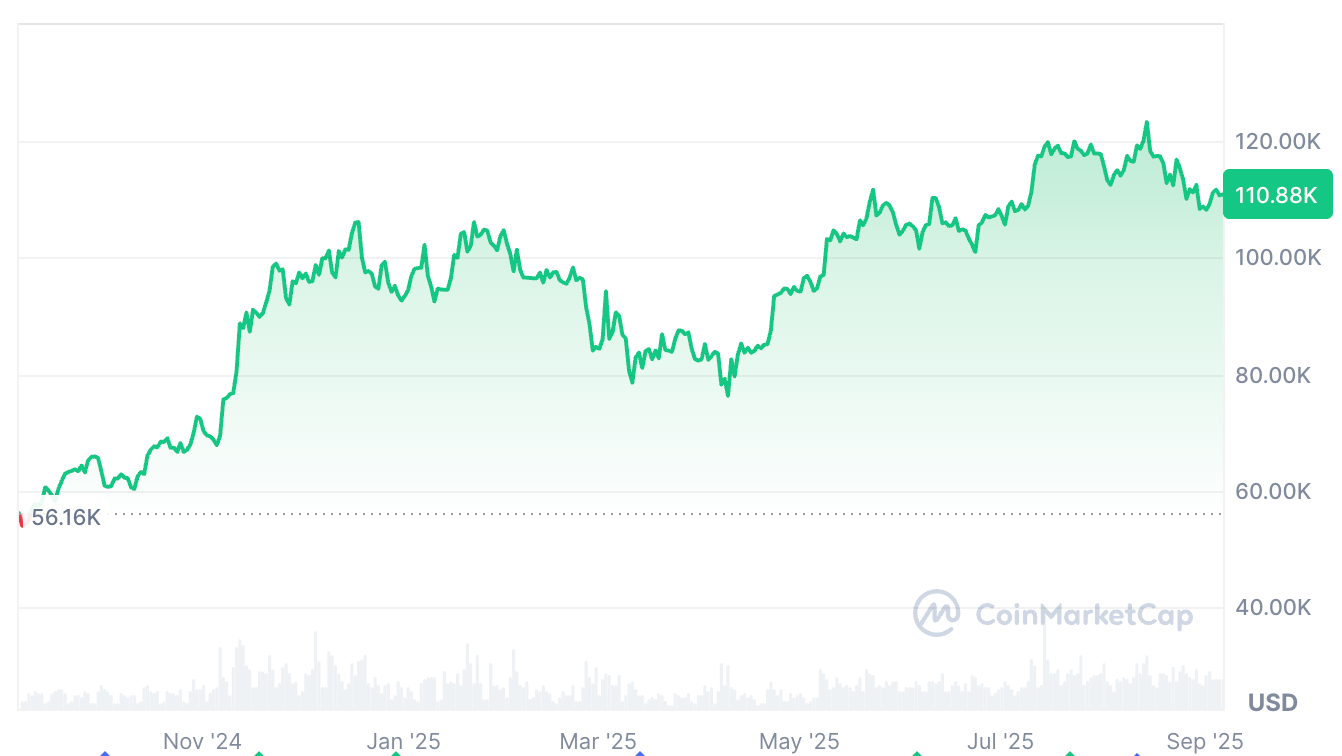
Рисунок 2. За последние 12 месяцев биткоин вырос на 96,15%. Источник: CoinMarketCap.

Однако, если по-прежнему продолжается цикл халвинга, биткоин может войти в нисходящий тренд уже в октябре, как ранее отмечали аналитики.

В последнее время мнения трейдеров о том, достигнет ли биткоин пика к концу года, разделились.

В отрасли ведутся споры о том, продлится ли бычий рынок в 2026 году

17 августа генеральный директор Canary Capital Стивен МакКлёрг заявил, что «вероятность того, что в 2025 году биткоин достигнет диапазона 140-150, превышает 50%, прежде чем в следующем году мы увидим новый медвежий рынок».

Другие ожидают продолжения бычьего рынка в 2026 году. В июле инвестиционный директор Bitwise Мэтт Хоуган заявил:

«Держу пари, 2026 год будет годом роста».

Тем временем, ряд аналитиков предсказывали, что биткоин может достичь 250 000 долларов до конца года. В апреле 2025 года соучредитель BitMEX Артур Хейс прогнозировал этот уровень, а всего месяц спустя, в мае, директор по маркетинговым исследованиям Unchained Джо Бернетт сделал тот же прогноз.

Leituras Relacionadas

Paradigm's New Playbook: Crypto in One Hand, AI and Robotics in the Other

Title: Paradigm's New Strategy: Crypto in One Hand, AI and Robotics in the Other On July 8, 2026, top-tier venture capital firm Paradigm announced the successful $12 billion close of its fourth fund, marking a strategic evolution beyond its pure-play crypto roots. While remaining committed to cryptocurrency, the firm is now formally extending its investment focus to include artificial intelligence, robotics, and other frontier technologies. This shift was foreshadowed by a subtle but significant change to its official social media description earlier in March, from "A research-driven crypto investment firm" to a broader "We build and invest in the companies and ideas shaping the frontier." The move is driven by the firm's recognition of transformative technological waves beyond crypto, particularly in AI and robotics, and a response to the shifting capital allocation landscape. Despite significant AI sector fundraising, Paradigm emphasizes its commitment remains grounded in deep technical rigor. A key intersection for Paradigm lies in AI Agents, where decentralized blockchain networks and stablecoins are seen as a natural financial infrastructure for autonomous digital operations. The firm is active in promoting open-source, decentralized AI (e.g., investing in Nous Research) and building agent-friendly blockchains (e.g., incubating Tempo). It is also developing tools like EVMbench (with OpenAI) and the Centaur AI Agent platform. Within its crypto stronghold, Paradigm will continue focusing on core infrastructure areas. These include derivatives and new liquidity layers (e.g., Hyperliquid), prediction markets (with plans for a proprietary trading terminal), and developer tools (continuing development of Reth and Foundry). In summary, Paradigm's expansion reflects a broader realignment in venture capital, where the intense capital concentration in AI and the search for exponential growth compel even crypto-native funds to broaden their narratives. However, this does not signify an abandonment of crypto; instead, the focus is sharpening on real-world financial applications like stablecoins, RWA, on-chain derivatives, prediction markets, and the convergence of Crypto and AI Agents.

Foresight NewsHá 21m

Paradigm's New Playbook: Crypto in One Hand, AI and Robotics in the Other

Foresight NewsHá 21m

The Preferred Stock Domino Effect: Strive Incurs a 7.08 Million Dollar Loss, Strategic Risk Spreading in a Chain Reaction

"Priority Stock Domino Effect": Strive's $7.08 Million Loss Reveals Chain-Reaction Risk in Bitcoin Reserve Sector Bitcoin reserve company-issued preferred shares are no longer just yield assets but a credit test for balance sheet health. While focus remains on Strategy, Strive, the 7th largest public Bitcoin holder, disclosed a tangible spillover effect: its holding of Strategy's (STRC) preferred shares lost $7.08 million in fair value over eight days, despite no change in share count. This exposes a clear cross-company risk transmission channel within the sector. Strive's filing shows its 505,000 STRC shares fell from ~$88.59 to ~$74.57 per share. While Strive remains solvent with 19,864 BTC and $141.7M cash, the loss signals that preferred stock risks can spread via inter-company holdings, shifting their perception from stable income to credit-like, high-risk assets dependent on issuer liquidity and dividend sustainability. In response, Strategy unveiled a "Digital Credit Capital Framework," raising STRC's annual dividend to 12%, mandating a 12-month cash reserve for dividends, and authorizing up to $1B each for STRC/common stock buybacks and a $1.25B Bitcoin sale plan to bolster reserves. This marks a shift to active credit risk management, formally incorporating potential Bitcoin sales to stabilize its capital structure. Third-party valuation tools, like Farside's calculator estimating STRC's net present value at ~$49.89, highlight that pricing now hinges critically on perpetual dividend sustainability and the issuer's ability to pay amid market volatility. Bitcoin's price (~$62k) remains below Strategy's average cost basis ($75,651), intensifying focus on reserve policies. The market faces two scenarios: 1) Contained risk, where STRC's discount narrows and stress is limited to Strategy; or 2) Systemic risk, where deep STRC discounts persist, dividend hikes fail, Bitcoin sales commence, and pressure spreads to other issuers like Strive's SATA shares. Key indicators to watch are STRC/SATA discount levels, dividend coverage credibility, equity issuance rates, and any actual Bitcoin divestment. Strive's future reports will be crucial in determining if its loss is an isolated event or the first sign of sector-wide credit risk contagion via preferred shares.

marsbitHá 25m

The Preferred Stock Domino Effect: Strive Incurs a 7.08 Million Dollar Loss, Strategic Risk Spreading in a Chain Reaction

marsbitHá 25m

Are the Frantic Acquisitions of Crypto Companies by Giants Good or Bad?

In a bear market, giants are actively acquiring crypto companies. Recent months have seen at least five major deals: Samsung Securities bought a 2% stake in Upbit operator Dunamu; Robinhood acquired WonderFi for $180 million to enter the Canadian market; Figure purchased Kiavi for $717 million to expand into on-chain real estate credit; Franklin Templeton bought 250Digital to launch Franklin Crypto; and Blockworks acquired data platform Messari at a steep discount—over 90% less than its 2022 $300 million valuation. These moves highlight a strategic shift. Cash-rich giants are consolidating resources at low cost, targeting companies with established compliance frameworks to navigate tightening global regulations. Acquisitions like WonderFi and the Upbit stake provide immediate market access and licensed user bases. Figure's deal signals real-world asset (RWA) tokenization moving from concept to large-scale implementation, with Kiavi's $7+ billion annual transaction volume being integrated into on-chain capital markets. Franklin Crypto's launch targets institutional investors like pension funds, offering them tailored, compliant crypto strategies. For these strategic players, bear markets present an ideal entry point: valuations are depressed, speculative noise is minimized, and they can acquire robust technology and compliance infrastructure at a fraction of the cost. This acquisition wave marks a transitional phase for crypto—from a wild frontier toward an institutional, regulated financial system. Giants are positioning themselves to capture future growth when macroeconomic conditions and liquidity improve, leaving latecomers behind.

marsbitHá 1h

Are the Frantic Acquisitions of Crypto Companies by Giants Good or Bad?

marsbitHá 1h

Trading

Spot
活动图片