Нейросеть Илона Маска рассказала, будет ли продолжение буллрана

cryptonews.ruPublicado em 2025-04-19Última atualização em 2025-08-20

Участники криптосообщества продолжают советоваться с нейросетями. На этот раз обратились к ИИ Илона Маска Grok с просьбой прокомментировать ближайшие перспективы крипторынка

Специалист по стратегическому планированию Нил Джейкобс попросил нейросеть ответить на вопрос о том, завершен ли буллран. ИИ дал аргументированный ответ.

Джейкобс обратился к Grok с просьбой ответить на вопрос о том, действительно ли бычий рынок биткоина закончился. Он попросил, чтобы при формировании ответа ИИ опирался исключительно на собственный анализ ситуации, не ссылаясь на сторонние прогнозы.

В начале Grok обратил внимание на пункты, которые лежат в основе его анализа. Он отметил, что 14 августа биткоин обновил абсолютный максимум, после чего началась коррекция. Падение 19 августа составило около 2,8% за сутки. Изменения происходят на фоне сильного восходящего тренда 2025 года. С начала года BTC вырос более чем на 100% благодаря институциональному принятию и сокращению предложения после халвинга.

«Бычьи рынки сопровождаются коррекциями. Текущее снижение на 9% сопоставимо с прошлыми откатами, например, 20–30% в бычьем рынке 2021 года, и не означает завершения цикла. Ключевая поддержка на уровнях $110 000–$112 000 удерживается, объем торгов в размере $71 млрд указывает на устойчивый интерес, а дефицит (в обращении 19,9 млн BTC) подтверждает долгосрочную ценность», — пишет Grok.

Проанализировав совокупность доступных данных, ИИ пришел к однозначному выводу о том, что бычий тренд не завершен. По его мнению, BTC просто консолидируется.

«Волатильность сохраняется, но восходящий импульс, вероятно, возобновится при снижении макроэкономических рисков», — подытожила нейросеть Илона Маска.
Напомним, ранее Grok дал прогноз биткоина на 100 дней. К сожалению, анализ ответов показал, что нейросеть Илона Маска часто путается в показаниях. Дело в том, что ответ ИИ сильно зависит от того, как поставлена задача. Различия в двух, на первый взгляд практически идентичных промптах, могут привести к разной реакции. Поэтому в сети можно встретить различные вариации прогнозов Grok по схожим запросам.

Есть еще одна проблема. Опыт, который провела редакция BeInCrypto, показал, что часто нейросеть Илона Маска дает слишком оптимистичные прогнозы.

Leituras Relacionadas

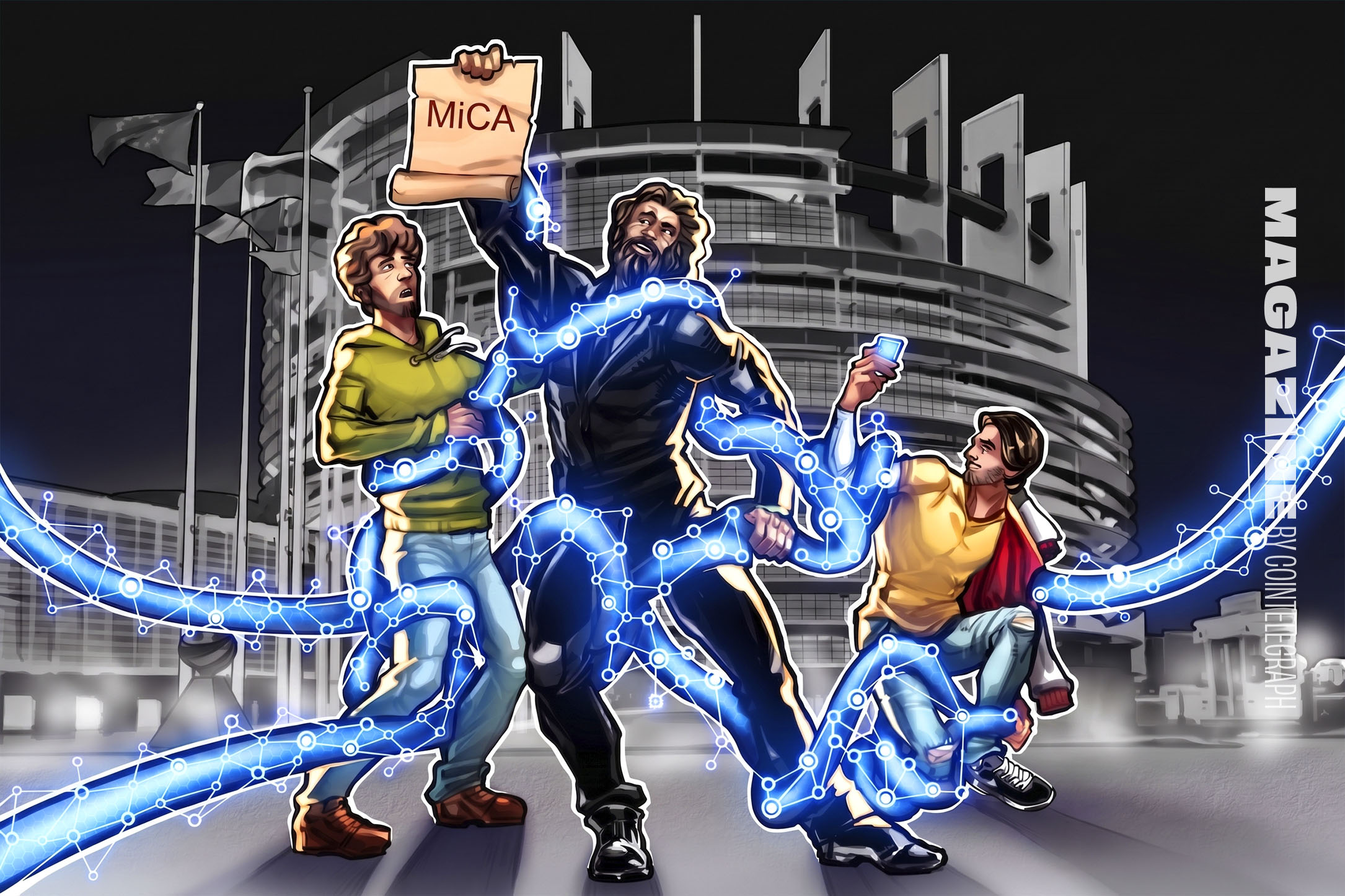
MiCA is coming for DeFi vaults, but regulation will be difficult

The European Commission is exploring whether to extend the Markets in Crypto-Assets (MiCA) regulation to cover decentralized finance (DeFi) lending and borrowing, including lending vaults. These vaults, which channel billions into on-chain credit markets, present significant regulatory challenges because their decentralized structure doesn't map neatly onto existing financial frameworks. Their legal status is currently based on non-binding interpretations that they fall outside MiCA and EU fund rules. The article uses Morpho's decentralized lending protocol as an example, illustrating how responsibilities are divided among various participants (owner, curator, allocator, sentinel), making it difficult to identify a single "provider" to regulate. Experts warn that broadly categorizing "DeFi lending" could inadvertently capture vastly different structures. They argue that any regulatory approach should focus on the specific structure and control mechanisms of a vault, rather than using decentralization as a simple dividing line, and that DeFi lending may require a dedicated, carefully crafted framework distinct from traditional finance. The Commission's consultation closes on September 30, 2026. The core challenge for regulators is not just whether to regulate DeFi lending, but how to design rules that distinguish between different forms of on-chain lending and the entities that control them.

cointelegraphHá 1h

MiCA is coming for DeFi vaults, but regulation will be difficult

cointelegraphHá 1h

Grayscale Report: Financial Privacy in the AI Era, Why Zcash Should Not Be Overlooked?

Title: Grayscale Report: Financial Privacy in the AI Era – Why Zcash Should Not Be Overlooked The article argues that privacy is a fundamental, not niche, attribute of functional money. It highlights that technological shifts, like the rise of AI and stablecoins, are driving a new wave of public focus on financial privacy. Zcash, a decentralized digital currency similar to Bitcoin but with built-in privacy via zero-knowledge proofs, is positioned to address this need. Unlike transparent blockchains, Zcash offers users the option to conduct "shielded" transactions that hide sender, receiver, and amount while remaining verifiable. The report details Zcash's evolution, noting key upgrades that improved usability and security. It points to rising on-chain usage of privacy features as evidence of real demand. Currently, ZEC holds a minimal share (~0.4%) of the total crypto market cap. Grayscale suggests this reflects a market assumption that privacy is a marginal concern. The investment thesis hinges on a potential market re-evaluation: if privacy is recognized as a core monetary feature in an era of enhanced surveillance, Zcash's current valuation represents significant upside potential. Key risks discussed include regulatory challenges, historical trusted setup concerns for older pools (mitigated by newer protocols), quantum computing threats, and execution risks associated with future technical upgrades. The conclusion is that while the future scale of private digital currency is uncertain, the market currently prices in little chance of its value increasing substantially, presenting a potential opportunity for investors.

marsbitHá 3h

Grayscale Report: Financial Privacy in the AI Era, Why Zcash Should Not Be Overlooked?

marsbitHá 3h

Trading

Spot
活动图片