七年之后,EOS等来了纽交所的钟声——但钟声为谁而鸣?

marsbitPublicado em 2025-08-11Última atualização em 2025-08-12

七年之后,EOS等来了纽交所的钟声——但钟声为谁而鸣?

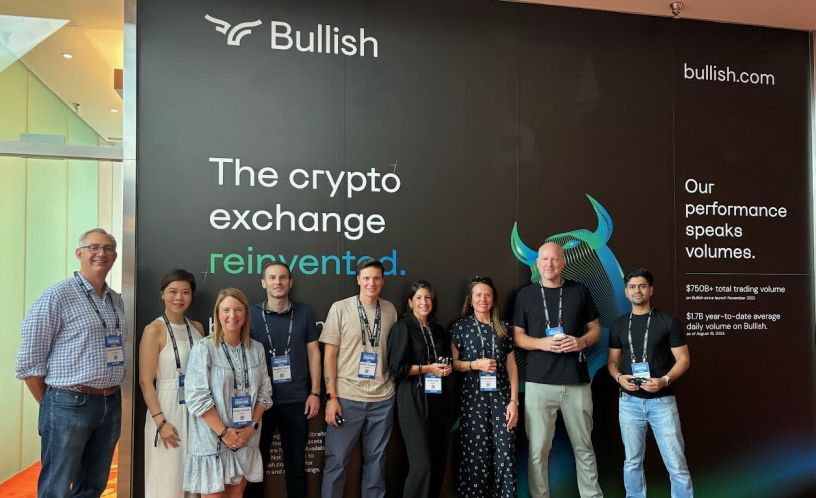
2025年8月13日,纽约。 全球资本市场的中心,纽交所(NYSE)的开市钟声照常响起。但在这一天,钟声里多了一丝加密世界特有的复杂回响。由Block.one孵化、脱胎于EOS生态的数字资产交易所Bullish,在这一天正式挂牌上市,股票代码BLSH。

这并非一次普通的IPO。在将发行规模从6亿美元大幅提升至近10亿美元后,认购依然火爆,吸引了包括贝莱德(BlackRock)与“木头姐”Cathie Wood的ARK Invest等一众华尔街巨鳄作为锚定投资者。J.P. Morgan和Jefferies的承销商名单,更是为其镀上了一层传统金融的金色光环。Bullish上市首日,市值轻松突破48亿美元。

然而,在加密社区,尤其是EOS的长期持有者眼中,这钟声却显得遥远而刺耳。人们的思绪被拉回到七年前,那个燥热而绝望的夏天。

2018年8月,在经历了上半年最后的疯狂后,加密市场坠入深渊。彭博社当时的加密展望报告用“抛售模式”(dump mode)来形容EOS,这个刚刚完成创纪录42亿美元ICO、被誉为“天王级项目”的公链,其价格从高点暴跌超过90%,市场弥漫着背叛与恐慌。正是在那时,一则传闻中来自知名投资人李笑来的朋友圈截图,成为了无数EOS投资者的精神图腾:“七年之后再看EOS”。
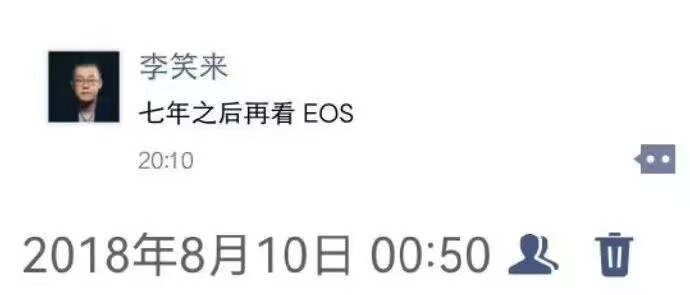
EOS

这是一个饱含长期主义信念的宣言,一个在废墟之上许下的承诺。

如今,七年之期已到。一个源自EOS生态、手握其ICO巨额资金的公司,确实以一种无比辉煌的方式,站上了世界资本之巅。但问题是,这真的是李笑来和无数社区成员当年所期待的那个“未来”吗?这钟声,究竟是为谁而鸣?

两条岔路:公链的抗争与帝国的诞生

要回答这个问题,我们必须回溯七年间两条截然不同却又彼此纠缠的发展轨迹:一条属于EOS公链本身,另一条则属于其最初的缔造者——Block.one(B1)。

EOS的开局堪称梦幻。凭借其创始人Daniel Larimer(BM)的技术光环和“百万TPS”的性能愿景,它一度被视为“以太坊杀手”的最有力竞争者。2018年至2019年,EOS的DApp生态确实经历了短暂的繁荣,以BetDice为代表的博彩类应用和EOS Knights等游戏,凭借着低廉的交易成本吸引了大量用户和投机者。然而,这种繁荣是脆弱的。复杂的CPU、NET、RAM资源模型劝退了大量开发者,而投机驱动的生态也未能沉淀出真正的价值。

更致命的是,社区逐渐感受到来自Block.one的“背叛”。B1手握从社区募集的42亿美元巨款,却并未如承诺般投入10亿美元扶持生态系统。其核心开发团队对EOSIO底层代码的迭代日渐缓慢,反而将大量资源投入到与公链无关的“面子工程”上,例如那个最终以惨淡收场的社交平台Voice。

社区的失望演变成了愤怒。2021年8月,一个完全由社区成员和节点自发组建的组织——EOS网络基金会(ENF)正式成立,旨在接管EOS的未来。其首席执行官Yves La Rose在一次公开演讲中的言论,至今读来依旧振聋发聩:“EOS正如我们所知的那样,是一个失败。它辜负了我们的期望,未能兑现其承诺。它是一场悲剧,我们无法再依赖Block.one的疏忽和欺诈。”

这场决裂在2021年底达到了高潮。ENF领导下的社区做出了一个在公链历史上极为罕见的决定:通过共识修改,停止向Block.one支付其尚未解锁的、价值数亿美元的EOS代币。随后,社区主导了对EOSIO代码库的硬分叉,将其更名为“Antelope”(羚羊协议),联合Telos、WAX等姊妹链,彻底宣告了“EOS独立日”的到来。这是一场悲壮但彻底的切割,一场去中心化社区对创始公司的“流放”。

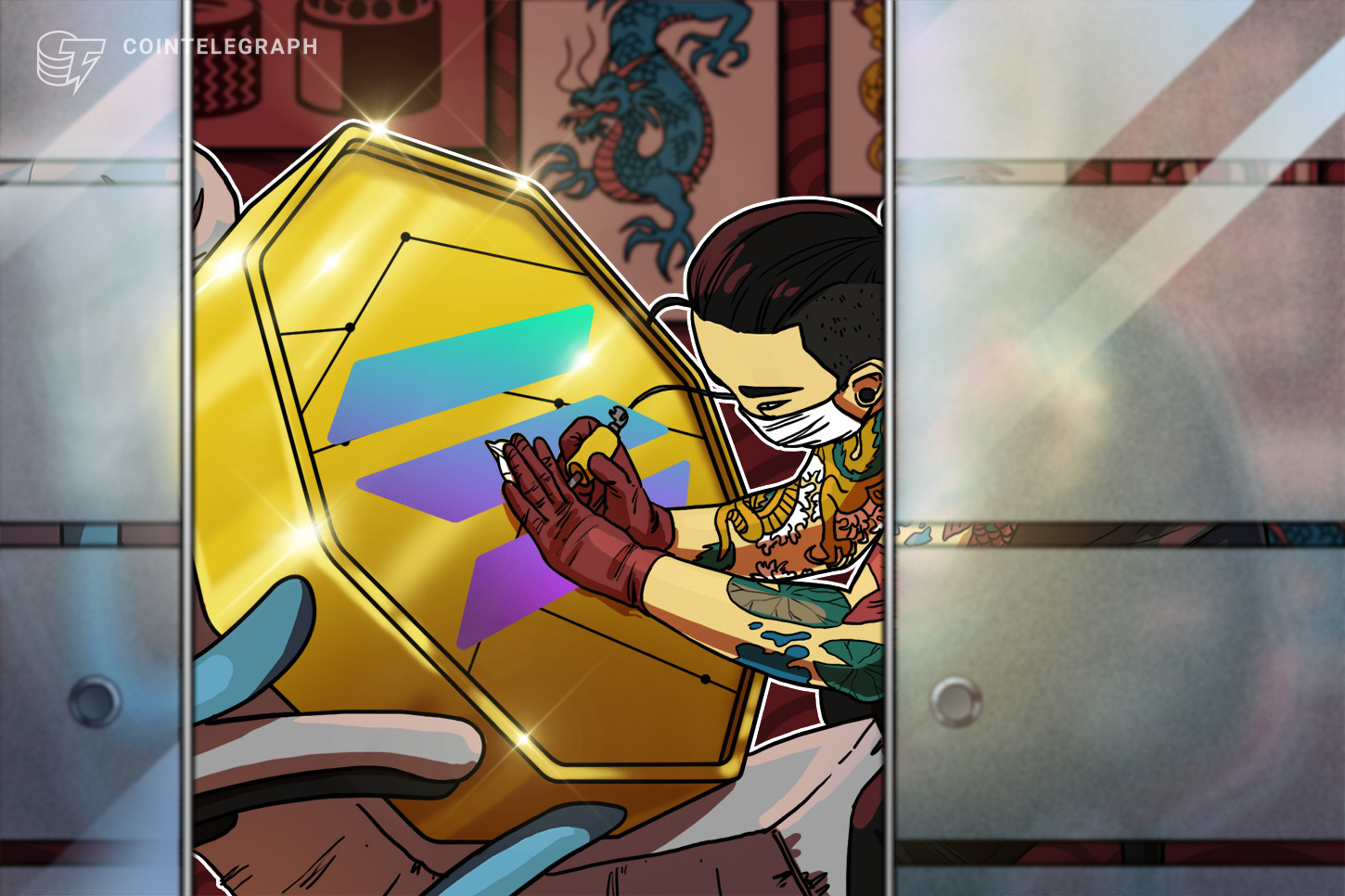
与此同时,Block.one正走在另一条通往商业帝国的大道上。他们并未理会社区的控诉,而是利用从EOS ICO中获得的、包括那传奇的164,000枚比特币在内的庞大资产,悄然孵化着一个野心勃勃的项目——Bullish。
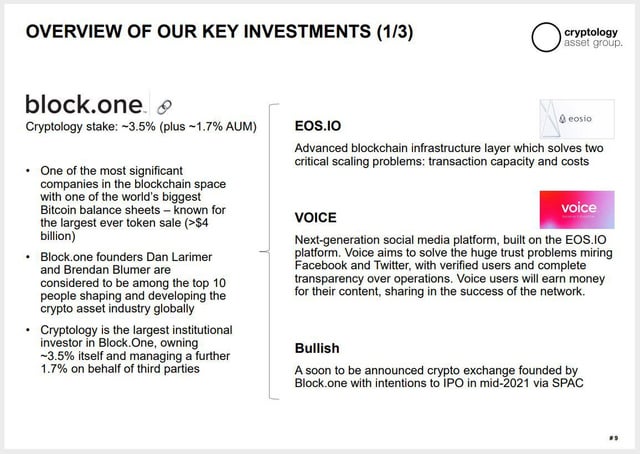
EOS

B1的首席执行官Brendan Blumer将Bullish的诞生描述为“将彻底改变高性能交易领域的格局”。其核心武器是一种被称为“混合订单簿”的技术,它巧妙地将传统金融的高频交易引擎(中央限价订单簿,CLOB)与DeFi世界创新的自动化做市商(AMM)相结合。这种设计为平台带来了机构级的深度、极低的交易滑点和高度的可靠性,完美地迎合了华尔街的需求。

七年间,EOS公链在抗争中求生,在独立后艰难地重建家园。而Block.one则利用公链的“奶水”,精心饲养出了一头华尔街的金牛。当Bullish在纽交所敲钟时,这两条路的终点,一个在去中心化的旷野,一个在中心化资本的殿堂,形成了最刺眼的对比。


清算时刻:无法兑现的价值与被重新定义的成功

Bullish的IPO,成为了一个残酷的“清算时刻”。它以最直观的方式,暴露了EOS生态中最核心的矛盾:价值的归属。

一个最简单的事实是:Bullish近50亿美元的市值,与其原生母体EOS公链之间,不存在任何直接的价值捕获机制。持有EOS代币,并不能让你分享到Bullish交易手续费的分红,也无法让你从其股价上涨中获益。这笔源自社区的巨额财富,在资本市场完成了一次华丽的变身和增值,最终却与社区本身“完美”地隔离开来。
EOS

这背后,是两种对“成功”截然不同的定义。

对于EOS社区和绝大多数Web3的信徒而言,成功意味着一个繁荣、去中心化、由代币经济驱动的公共基础设施。它应该像以太坊一样,其自身的价值(ETH)随着生态的繁荣而水涨船高。

但对于Block.one而言,成功的定义显然更为传统。他们最终选择了一条更为主流、更易被监管和资本市场理解的道路——打造一家合规的、中心化的金融科技巨头。从商业角度看,B1的选择无疑是“正确”且高效的。但这种“正确”是以牺牲最初的Web3愿景为代价的。

然而,故事并未就此结束。被“抛弃”的EOS社区,在ENF的带领下,正爆发出惊人的生命力。这条抗争之路,或许正在孕育一种更符合加密精神的成功。

在“独立”之后,“新EOS”的技术迭代速度显著加快。由Antelope联盟驱动的Leap 5.0等核心软件升级不断推出。更具战略意义的是,他们倾力打造了EOS EVM。这个兼容以太坊的虚拟机并非简单的复制品,它展现了惊人的性能。就在今年年初的一场“铭文热潮”压力测试中,EOS EVM在单日处理了高达1765万笔交易,而网络Gas费几乎为零。这一数据,让它在拥挤的EVM赛道中拥有了无可比拟的竞争优势。

如今的ENF,正积极探索将EOS定位为比特币第二层(BTC L2)解决方案。他们不再执着于成为“另一个以太坊”,而是试图在Web3世界中找到一个更精准、更具价值的生态位。这是一种务实、坚韧且面向未来的反击。


钟声为谁而鸣?

现在,让我们回到最初的问题:七年之后,李笑来的预言实现了吗?

答案取决于你站在哪里聆听钟声。

如果你站在纽交所的交易大厅,答案是肯定的,甚至远超预期。那个在2018年濒临崩溃的生态,其资本、人才和技术积累,最终孕育出一个被全球最高资本殿堂认可的金融巨兽。从这个宏大的“EOS生态圈”概念来看,这无疑是一场巨大的胜利。

但如果你站在一个EOS社区成员、一个去中心化信仰者的角度,答案则是否定的。他们等来的不是一个去中心化世界计算机的崛起,而是一场资本的盛宴,自己却未被邀请。他们用真金白银支持的理想,最终的果实被他人摘走,结在了另一棵树上。

这或许就是EOS这七年故事最深刻的启示。Bullish的上市,是加密世界与华尔街融合的一个里程碑,却也可能成为“VC币”模式反噬社区的经典案例。它警示着未来所有的公链项目:一个项目最初的愿景与承诺,和其商业实体最终的利益诉求,可能会走向截然不同的方向。

然而,这曲悲歌中也奏响了希望的强音。EOS的真正遗产,或许并非Bullish那响彻华尔街的钟声,而是ENF带领社区“流放”B1后,在去中心化世界里敲响的独立钟声。它证明了一个去中心化的社区,有能力通过共识解雇自己的“上帝”,有能力在被釜底抽薪后依靠自己重建家园。

纽交所的钟声为Bullish和Block.one的财富而鸣,这声音洪亮、清晰,传遍了全球的金融频道。而在代码的世界里,为EOS社区的独立与自救而鸣的钟声,虽然安静,却可能在Web3的历史长河中,激起更为深远的回响。

七年一梦,有人功成名就,有人含恨自强。EOS的故事,未完待续。

Leituras Relacionadas

Three Years Later: Looking Back on My 2023 Predictions for ChatGPT

Looking Back After Three Years: Revisiting My 2023 Predictions on ChatGPT In March 2023, shortly after ChatGPT's debut and before GPT-4's release, I made over twenty predictions about AI's future based on limited information and intuition. Now, in May 2026, I revisited those forecasts using an AI-driven analysis with 41 Opus 4.8 agents to cross-reference them with the latest data. The assessment used symbols: ✅ Correct, 🟢 Mostly Correct, 🟡 Partially Correct, ❌ Incorrect. Overall, the directional judgments held up well, with only one major factual error regarding GPT-4's rumored parameter size (incorrectly cited as 100T). However, nuances and degrees of accuracy revealed more. **What Was Largely Correct:** Predictions about mechanisms and directions proved accurate. The rise of RAG (Retrieval-Augmented Generation) as the standard architecture for combating AI hallucination was confirmed, as was the transformative potential of LUI (Language User Interface) in creating a new industry layer atop GUIs. The emergence of "robot networks" (agent-to-agent communication protocols) and China's rapid catch-up in developing capable large models (closing the performance gap with top models to ~2.7%) were also on point. The analysis affirmed that LLMs lack consciousness and that the Turing Test merely measures perceived intelligence. **What Was Off Target:** Errors often involved specific numbers, over-optimistic timelines, or misjudged distributions. The prediction that value would primarily accrue to the application layer was half-right but missed NVIDIA's dominance as the profitable infrastructure layer. Forecasts about AI circumventing copyright issues and fostering a "global common ground" by averaging human viewpoints were incorrect; instead, major copyright settlements occurred and AI personalization is increasing. Estimates for model training costs ("$5-10 billion cap") were significantly off, underestimating frontier costs and overestimating replication costs. The notion that LLMs could never do complex math without tools was disproven by later models winning IMO gold. **Key Patterns from the Review:** 1. **Direction over precision:** Judgments about mechanisms and trends were more reliable than specific numbers or definitive statements. 2. **Timing bias:** There was a tendency to overestimate short-term speed but underestimate long-term magnitude and transformation. 3. **The distribution blind spot:** Aggregate-level correctness often masked uneven impacts (e.g., on young professionals' employment). 4. **The value of qualifiers:** Predictions framed with caution (e.g., "reportedly," "for now," "prototype in 2-3 years") aged better. 5. **Some debates continue:** Issues like the nature of "emergent abilities" or machine consciousness remain unresolved. This three-year review highlights that while seeing the big picture is crucial, humility regarding specifics, timelines, and disparate impacts is essential for future forecasting.

链捕手Há 1h

Three Years Later: Looking Back on My 2023 Predictions for ChatGPT

链捕手Há 1h

AI Bubble Warning: AI Investments Are Negative Returns for Most Tech Giants

The article issues a stark warning about a potential AI investment bubble. It notes that while the AI boom shares similarities with the TMT bubble of the late 1990s, its scale is vastly larger, currently driving 93% of U.S. GDP growth. Major hyperscale cloud providers like Microsoft, Alphabet, Amazon, Meta, and Oracle are planning to invest trillions in AI data centers over the coming years. However, calculations based on analyst projections for 2025-2030 reveal a concerning math problem: expected capital expenditure growth far outpaces projected revenue growth. Even under an extremely optimistic scenario of zero costs, the implied return on investment for most of these tech giants (except Amazon) is deeply negative. This suggests that the current trajectory could lead to one of history's largest shareholder value destruction events. The piece outlines two potential escapes: AI generating vastly more revenue than currently anticipated—a near-impossible task—or a significant cutback in the planned investment splurge. The latter scenario could trigger a domino effect, severely impacting the entire tech supply chain (from Nvidia to TSMC), potentially pushing the U.S. economy into recession, and causing a major stock market downturn. The author suggests upcoming high-profile IPOs by companies like OpenAI and Anthropic might represent a transfer of risk from early investors to public market participants. While the peak of the hype cycle might sustain investment through 2026, the fundamental financial dilemma remains unresolved, setting the stage for a potential market correction in 2027 or 2028, similar to the years following Alan Greenspan's "irrational exuberance" warning.

marsbitHá 2h

AI Bubble Warning: AI Investments Are Negative Returns for Most Tech Giants

marsbitHá 2h

From Tokens to Machine Labor: AI is Shifting from Tool to "Worker"

The article "From Token to Machine Labor: AI is Evolving from Tool to 'Worker'" argues that the business model for AI is shifting beyond simply selling computational resources (tokens, GPU hours) or model access. Instead, a new "machine labor market" is emerging, where the core economic transaction is the purchase of economically useful work directly performed by software. The central thesis is that AI pricing will evolve through four stages: 1) raw tokens, 2) standardized LLM capabilities (e.g., text generation), 3) industry-specific labor markets (e.g., legal review, radiology), and finally 4) a programmable results market where tasks like resolving a support ticket are bid on and priced based on outcome. In this future, buyers will care less about *which* model or GPU completes a task and more about whether the work meets specified standards for accuracy, latency, and cost. This transition reframes the impact of AI on human labor. Rather than simple replacement, it suggests a re-coordination where machines handle standardized, verifiable work, freeing humans for roles involving oversight, context management, responsibility, and final judgment. In some cases, this "last 1%" of human input becomes more valuable as it enables the other 99% to be automated. Furthermore, as AI reduces the cost of work, demand may expand, creating larger markets (e.g., 24/7 customer service) rather than just cheaper versions of existing ones. The article concludes that while infrastructure (GPUs, models, tokens) remains crucial upstream, the market is converging on a simpler, tradeable unit: machine labor that can be defined, measured, priced, and procured based on contractible specifications.

marsbitHá 2h

From Tokens to Machine Labor: AI is Shifting from Tool to "Worker"

marsbitHá 2h

Xiaomi MiMo's 99% Price Cut is Not Marketing! Luo Fuli Posts on X to Refute Critics

The price of Xiaomi's MiMo-V2.5 series API has been permanently reduced by up to 99%, specifically for the "Input (Cache Hit)" cost, which covers users re-reading historical context in long conversations. MiMo's head, Luo Fuli, published a detailed technical blog to clarify that this drastic price cut stems from genuine engineering breakthroughs, not a marketing stunt or a simple price war. The core of the achievement lies in six key engineering optimizations. First, the model architecture adopts a Hybrid Sliding Window Attention (SWA), reducing the memory footprint (KVCache) to 1/7th of a traditional model. Second, a dual-pool memory management system actually utilizes these savings, allowing a single GPU to handle over 5 times more concurrent users. Third, an upgraded prefix caching mechanism achieves a cache hit rate of 93-95% for repeated reads, meaning most such requests bypass GPU computation entirely. Fourth, a self-developed distributed cache (GCache) utilizes idle SSD space on existing GPU servers, eliminating additional storage costs. Fifth, an intelligent scheduling system (LLM-Router) efficiently routes requests to maximize cache reuse and performance. Sixth, Multi-Token Prediction (MTP) accelerates the model's text generation ("output") side. Together, these systemic optimizations dramatically lower the real computational cost per request, enabling the 99% price reduction for cached inputs while reportedly maintaining positive gross margins. Luo Fuli's disclosure aims to shift the narrative from "price war" to a demonstration of substantive AI engineering progress.

marsbitHá 4h

Xiaomi MiMo's 99% Price Cut is Not Marketing! Luo Fuli Posts on X to Refute Critics

marsbitHá 4h

$26 Billion: An 'All-Chinese Team' Backs the World's Highest-Valued AI Programming Company

Cognition AI, the company behind the AI programmer "Devin," has raised over $1 billion in new funding at a valuation of $26 billion, just eight months after reaching a $10.2 billion valuation. The round was led by Lux Capital, General Catalyst, and 8VC. Founded by three young Chinese entrepreneurs with strong competitive programming backgrounds, Cognition initially gained fame with Devin, marketed as the world's first AI software engineer capable of handling tasks from start to finish. While its early demos were impressive, real-world usage revealed reliability and cost-effectiveness issues, leading to a significant price cut for Devin in 2025. A pivotal moment came when Cognition acquired the assets of AI IDE company Windsurf after a failed acquisition by OpenAI. This move gave Cognition a crucial developer-facing tool, allowing it to pursue a two-pronged strategy: Devin for autonomous task execution and Windsurf for integrated, collaborative coding within an IDE. This shift helped the company move away from the controversial "AI replacement" narrative towards a model of augmenting human engineers, particularly for repetitive or maintenance tasks. This strategic pivot is backed by strong commercial metrics. The company reports a 10x increase in enterprise usage this year, with an annual revenue run-rate of $492 million and a 50% month-over-month growth in enterprise Devin usage over the past six months. Its client list now includes major corporations like Goldman Sachs and Mercedes-Benz, as well as government agencies like NASA and the U.S. Army. Investors are betting on Cognition becoming a foundational piece of next-generation software engineering infrastructure, positioning it at the center of a hybrid future where AI agents and human developers work in tandem.

marsbitHá 4h

$26 Billion: An 'All-Chinese Team' Backs the World's Highest-Valued AI Programming Company

marsbitHá 4h

Trading

Spot
Futuros
活动图片