7张图揭示DeFi现状:Fluid领跑DEX大战,USDe改写稳定币格局

marsbitPublicado em 2025-08-07Última atualização em 2025-08-08

2025年至今对DeFi来说是非常友好的一年。

我们的监管环境已从Gary Gensler领导SEC采取敌对立场,转变为如今对加密友好的局面。而从几乎所有指标来看,DeFi的采用率都在不断增加。

所以我想现在是时候仔细研究DeFi现状相关的7张图表了。

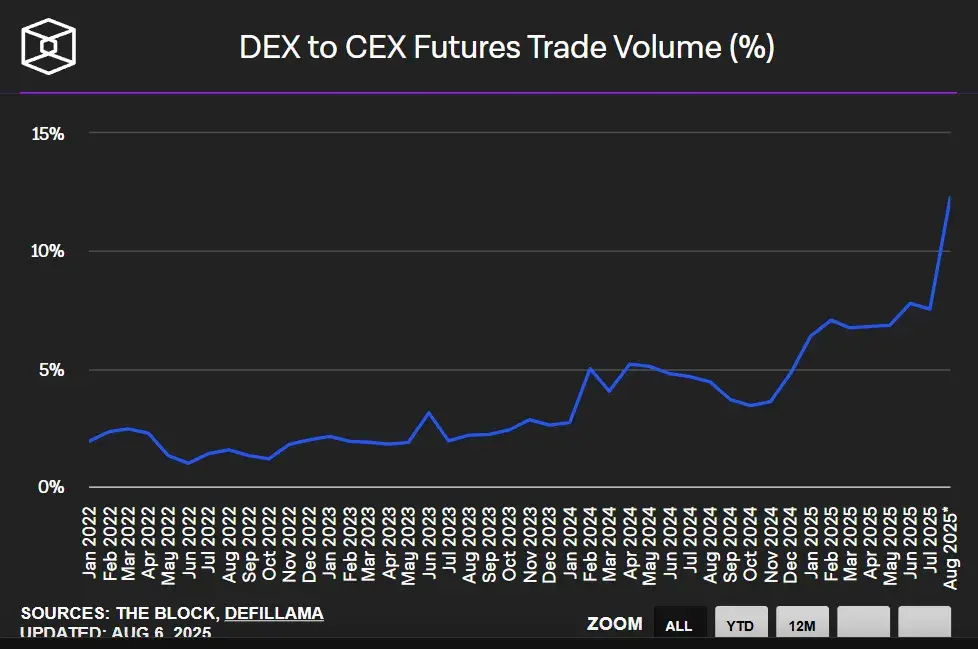
去中心化交易所到中心化交易所交易额正屡创新高
DeFi

来源: The Block

尽管进程缓慢但趋势明显,去中心化交易所正不断蚕食中心化交易所的市场份额。

2022年6月,永续DEX在衍生品领域的市场份额仅为0.98%。三年后,这个数据已增长了11倍。


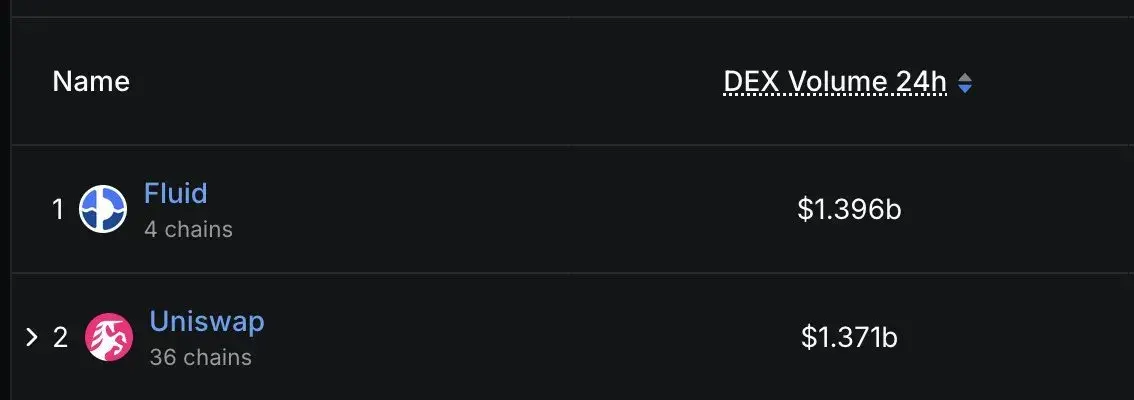
Fluid是增长最快的DEX
DeFi

来源:DeFiLlama

据报道,Fluid上线不到一年时间,日交易量便一度超越以太坊上的龙头DEX Uniswap。

Fluid DEX V2即将上线,如果Fluid最终在以太坊上赢得DEX之战,我一点也不会感到意外。

在资本效率方面,V2预计将远高于V1版本。


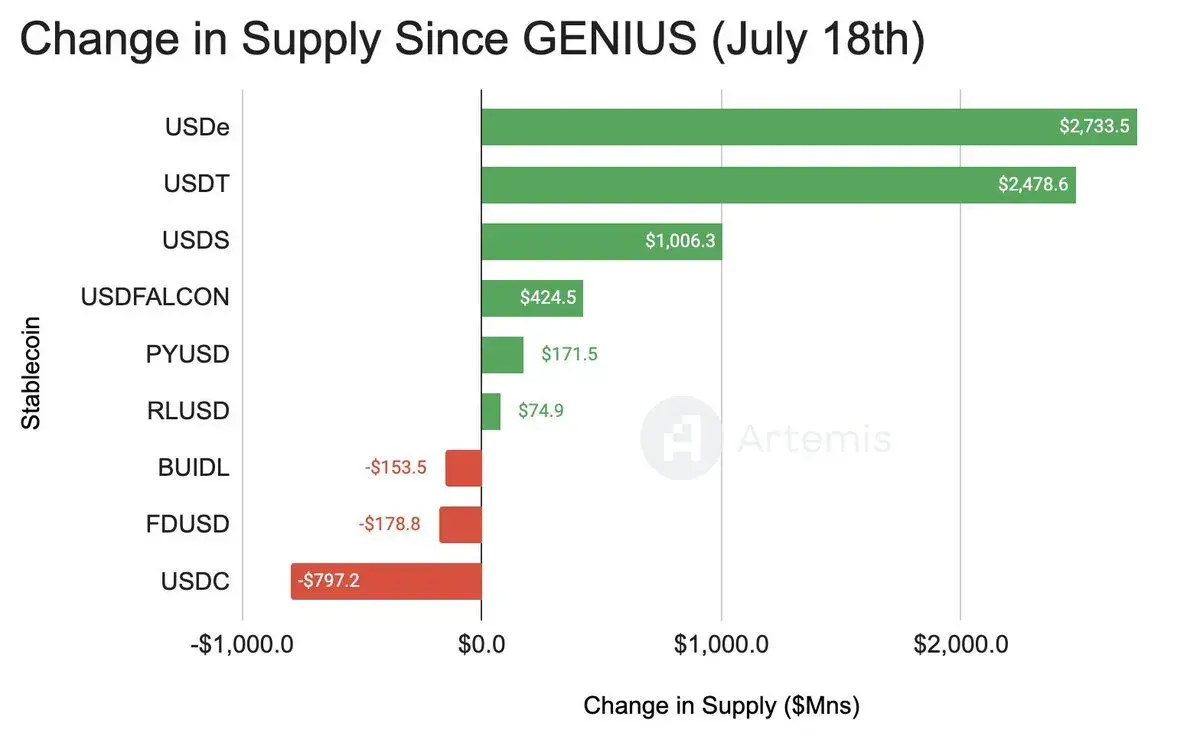
生息型稳定币首次登顶资金流入榜
DeFi

来源: Artemis

近日,Ethena旗下的稳定币USDe首次在两周净流入量上超越了USDT和USDC两大主流稳定币。

为什么这个变化如此重要?

USDT和USDC在稳定币领域长期领跑市场,而如今加密原生解决方案正不断涌现,挑战其主导地位。

我的预测是Resolv、Ethena和Falcon Finance在未来几个月将继续呈指数级增长。


现货以太坊ETF表现良好,但涨势正在放缓
DeFi

来源:Coinglass

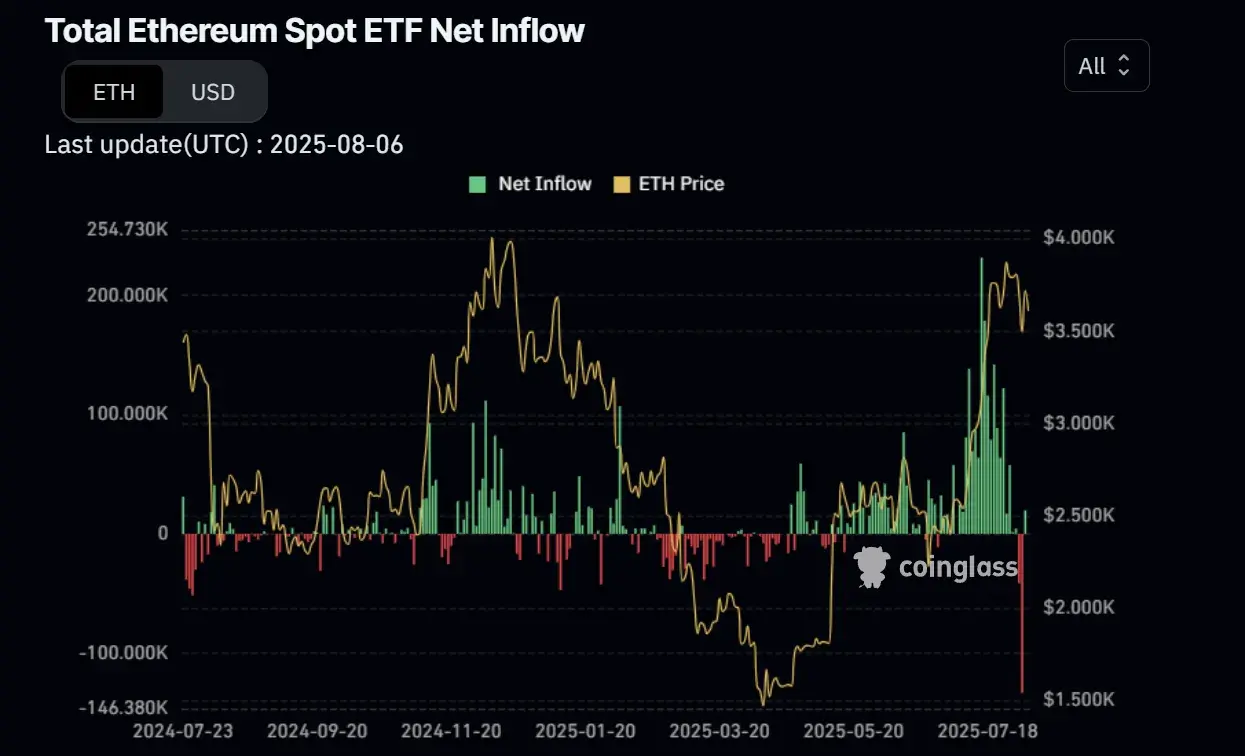
经过数周持续刷新单日流入资金历史新高后,以太坊现货ETF近日录得有记录以来最大单日资金流出。

原因可能是,一些传统金融巨头已经获利了结。

不过,如果我们从宏观来看,过去两个月是现货以太坊ETF迄今为止表现最好的阶段。


DeFi正在逼近AI的心智份额
DeFi

来源:Kaito

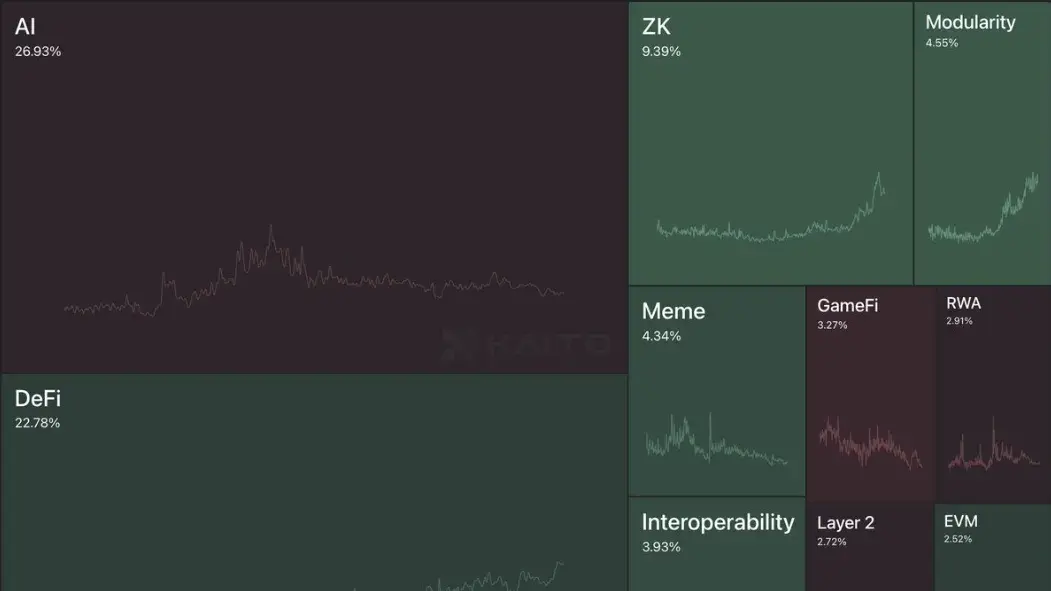
一年多以来,AI一直在心智占有率上占据领先地位。

但这种局面正在改变,在过去的几个月里,DeFi的关注度增长了两倍多。与此同时,Meme币的关注度大幅减少。

基本面再次变得重要起来。


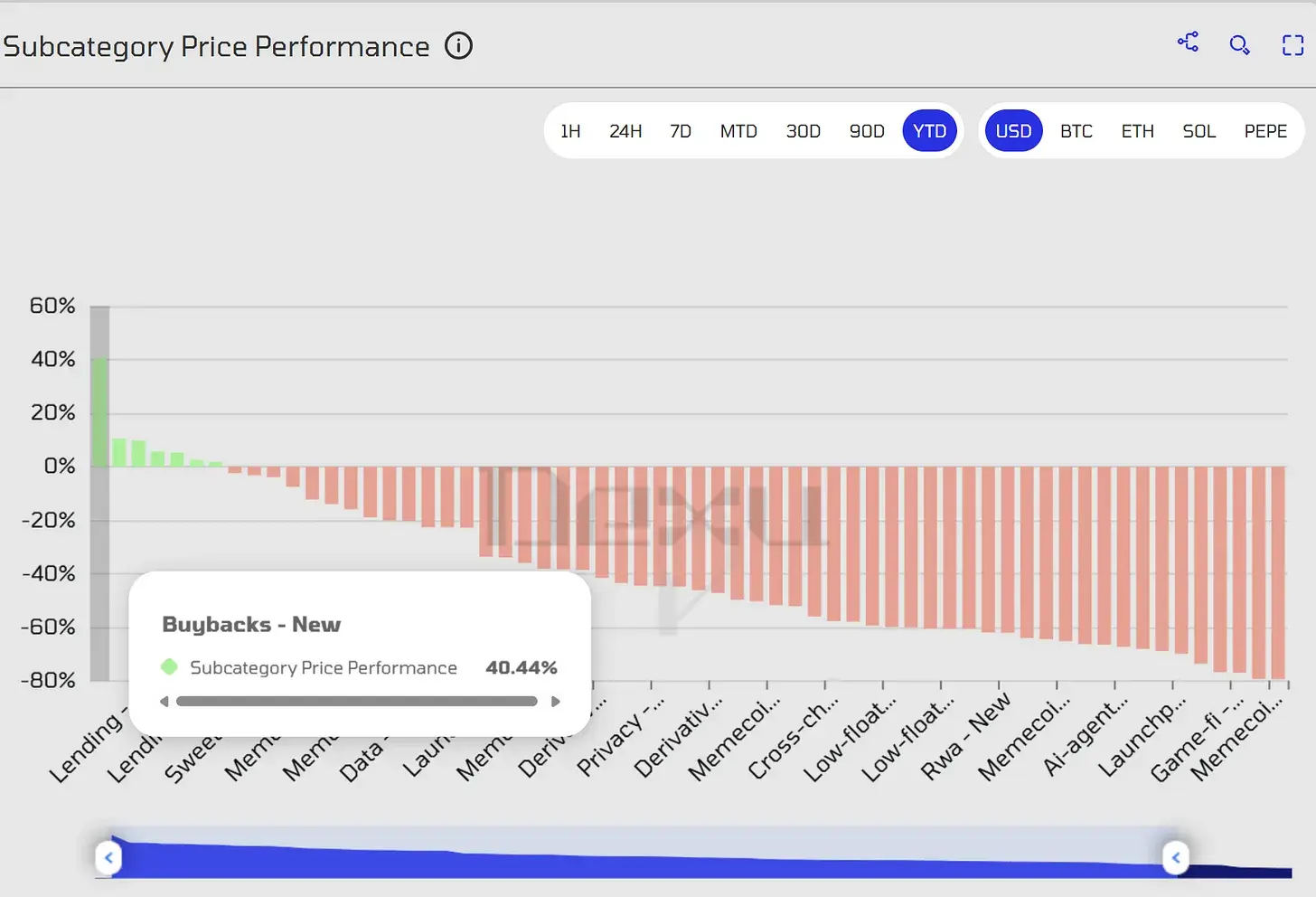
2025年具有代币回购计划的项目表现最为出色
DeFi

来源:Dexu AI

这标志着市场开始青睐基本面扎实的代币。进行代币回购的协议子类别包括 Hyperliquid、PumpFun、Maple、EtherFi、Kaito、AAVE等项目。


交易所BTC储备量持续下降
DeFi

来源:Crypto Quant

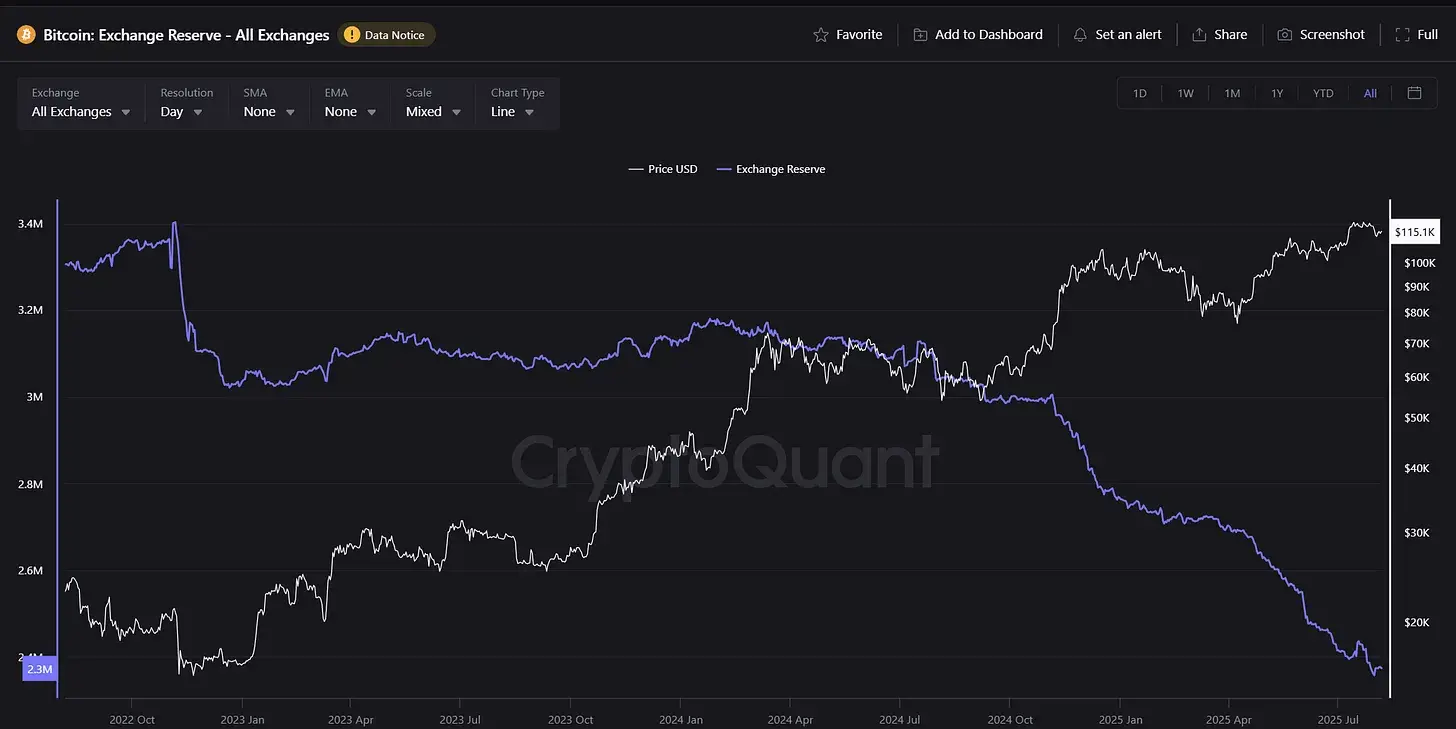
2024年2月以来(正值美国首批比特币现货ETF推出后不久),交易所BTC储备量就持续减少,而这种情况与之前的牛市恰恰相反​​。

本周期内,比特币ETF的资金流入以及加密资产储备公司产生的购买需求,对BTC价格产生了巨大的积极影响。

综上所述,以上就是本期要呈现的全部数据图表。

Leituras Relacionadas

CPU, Quietly Returning to the Center of the AI Computing Power Stage

Over the past three years, AI computing power narratives have been dominated by GPUs. However, starting in 2026, this story began to shift. While training large models remains GPU-intensive, the rapid growth of inference and AI agent workloads, which require high levels of task orchestration, concurrency, and data flow management, has highlighted a renewed critical role for CPUs. These are tasks GPUs are not designed to handle. Intel's recent launch of the Xeon 6+ processor, built on its Intel 18A process and featuring up to 288 efficiency cores (E-cores), exemplifies this strategic pivot. It is positioned not as a mere companion to GPUs but as the essential "control plane" for AI infrastructure, optimized for high-density, energy-efficient, and high-throughput workloads characteristic of AI agents and inference. This "CPU resurgence" is not about CPUs outperforming GPUs in raw computation. It reflects a systemic bottleneck: as AI scales from training single models to deploying countless intelligent agents, the demand for coordination and data handling surges. Major cloud providers are also developing their own high-density ARM-based server CPUs for similar workloads. However, Intel's success with this strategy faces significant challenges. Competition includes NVIDIA's integrated CPU-GPU solutions, the expanding adoption of cloud vendors' in-house ARM CPUs, and the crucial market test of Intel's 18A manufacturing process against rivals like TSMC's N2. In conclusion, CPUs are indeed reclaiming a central, though redefined, role in AI compute—managing the complex orchestration that enables massive-scale AI deployment. While the trend is clear, which company will ultimately lead this CPU resurgence remains an open question to be decided in the data centers of 2027 and beyond.

marsbitHá 20m

CPU, Quietly Returning to the Center of the AI Computing Power Stage

marsbitHá 20m

After Collaborating with 35+ DeFi Projects, Pink Brains Discovers the New 2026 KOL Marketing Rules

After collaborating with over 35 leading DeFi projects on marketing over three years, Pink Brains identifies a key shift for effective marketing in 2026: prioritizing the user journey over traditional campaign tactics. The most effective marketing mirrors how users actually behave—starting with discovery on social platforms like X (formerly Twitter), followed by data-driven verification on sites like DefiLlama, and finally, participation with small test funds. Success hinges on genuine, verifiable mechanisms, not just marketing hype. Current user interest centers on several key themes: new DeFi trends (RWA, perps, crypto x AI), meaningful airdrops requiring real contributions, real yield from protocol revenue, and tokens with value capture mechanisms directly tied to product usage. Case studies like Hyperliquid's HYPE (with its aggressive buyback program) and Venice's VVV (linking demand to AI compute) exemplify how strong tokenomics foster user retention. New trading venues like prediction markets, collectibles platforms, and GambleFi are also gaining traction, driven by verifiable activity. The article outlines common mistakes in DeFi KOL marketing, such as using creators unfamiliar with the product, generic messaging, or relying on a few top-tier KOLs. Instead, effective strategies align with different KOL types—educators, content creators, airdrop hunters, and niche experts—for various stages of the user journey. Ultimately, long-term user retention depends on a combination of a genuinely useful product, responsive support, community-aligned tokenomics, and strategic community building. The core takeaway is that sustainable growth stems from products whose value is validated by data and real-world utility, not just promotional efforts.

marsbitHá 39m

After Collaborating with 35+ DeFi Projects, Pink Brains Discovers the New 2026 KOL Marketing Rules

marsbitHá 39m

Trading

Spot
Futuros
活动图片