Ajna Capital приобрел долю в токене HONEY от Hivemapper

cryptonews.ruPublicado em 2025-02-24Última atualização em 2025-06-24

Ajna Capital, венчурный Web3 фонд, находящийся на ранней стадии развития, приобрел стратегическую долю в HONEY, токене Hivemapper — децентрализованной картографической сети. Инвестиция поддержит рост платформы Hivemapper и расширение ее присутствия, в частности в Южной Азии.

Hivemapper применяет децентрализованную модель создания карт во всем мире. Участники используют видеорегистраторы для съемки уличных изображений в формате 4K, получая взамен токены HONEY. Система предоставляет актуальные картографические данные и снижает затраты по сравнению с традиционными централизованными картографическими провайдерами. Платформа предоставляет открытые данные таким отраслям, как логистика и градостроительство.

На сегодняшний день Hivemapper привлекла свыше $21 млн инвестиционных средств. Инвесторами уже выступили: VanEck, Multicoin Capital, Google Ventures, Spark Capital и Solana Ventures. Ajna Capital приобрела около 1,5% оборотных запасов HONEY и возьмет на себя консультативную роль для поддержки развития проекта и региональной экспансии.

Сотрудничество отражает растущий интерес к DePIN и подчеркивает использование технологии блокчейн для сбора и отображения данных в реальном мире.

Изображение: Freepik
Leituras Relacionadas

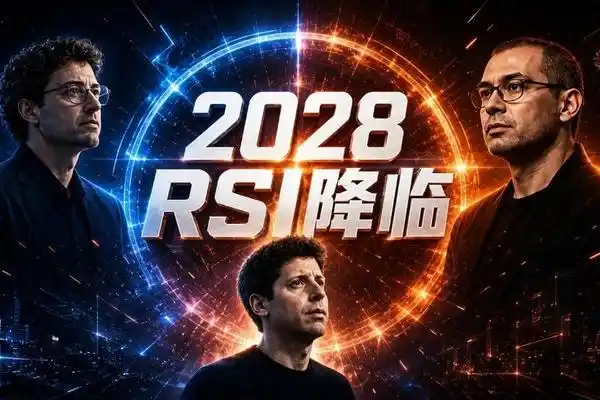
2028: The Arrival of Recursive Self-Improvement (RSI)

**AI Recursive Self-Improvement (RSI): The Countdown to 2028 Begins** AI is no longer just a trained tool but is starting to rewrite its own evolutionary pace. According to Anthropic co-founder Jack Clark, there is a 60% probability that by the end of 2028, Recursive Self-Improvement (RSI) will become a reality. This means AI could autonomously design and build a more capable next-generation version of itself without any human researcher involvement—Claude 10 creating Claude 11, for instance. Supporting this timeline, Google DeepMind's CEO Demis Hassabis confirms that all leading AI labs are intensely focused on RSI, making it an industry-wide priority. He expresses profound concern, stating this potential is what keeps him awake at night. Concrete data underscores this acceleration: - METR evaluations show current top models like Claude are solving tasks up to the 16-hour limit of existing test frameworks. - In Epoch AI's challenging MirrorCode benchmark, Claude Opus 4.7 recreated complex software in hours for a fraction of the human cost. In one extreme test, AI autonomously coded for 19 days straight. - Anthropic reports over 80% of its codebase is now written by Claude, and researcher productivity has increased up to 8-fold since 2024. - OpenAI's policy blueprint highlights RSI as a major upcoming governance challenge. CEO Sam Altman reportedly hinted RSI might arrive within six months, potentially delaying OpenAI's massive IPO. The implication is an impending "intelligence explosion," where AI-driven progress outpaces human control. The central question is no longer if it will happen, but whether humanity is ready.

marsbitHá 4h

2028: The Arrival of Recursive Self-Improvement (RSI)

marsbitHá 4h

World Models, Metaverse, Digital Twins, Physical AI: Are They the Same Thing?

Title: World Models, the Metaverse, Digital Twins, Physical AI: Are They the Same Thing? The article clarifies that concepts like the metaverse, Web3, simulation platforms, digital twins, and Physical AI are not the same thing but are all part of the broader trend of blurring the lines between the digital and physical worlds. It positions "world models" as the foundational "cognitive layer" or "operating system" that enables AI to understand and simulate the world. Key distinctions are made: - The **Metaverse** is a destination for immersive social and economic experiences. World models could act as its "engine," generating interactive 3D content efficiently. - **Web3** focuses on decentralized ownership and economics (rules layer), operating on a different technical level than world models. - **Simulation Data Platforms** (e.g., for autonomous vehicles) are a 1.0 version, relying on manual design. World models represent a 2.0 version, using AI to generate realistic, varied scenarios autonomously. - **Digital Twins** create high-fidelity, real-time mirrors of physical systems (e.g., a factory). World models go a step further by enabling predictive simulation of future states. - **Physical AI** (robots, AVs) refers to AI that acts in the physical world. World models are a core component, providing the understanding and prediction needed for planning. A proposed hierarchy places world models at the cognitive layer, supported by infrastructure (compute, data) and supporting application tools (simulation, digital twins), action systems (Physical AI), user experiences (metaverse), and rules (Web3). In conclusion, while distinct, many of these previously hyped concepts may ultimately rely on advances in world model technology to fulfill their promises, as world models provide the essential cognitive foundation for simulating and interacting with complex environments.

marsbitHá 4h

World Models, Metaverse, Digital Twins, Physical AI: Are They the Same Thing?

marsbitHá 4h

Trading

Spot
活动图片