买币,美股上市公司新财富密码

比推Publicado em 2025-05-31Última atualização em 2025-05-31

作者:深潮 TechFlow

5 月 27 日,纳斯达克的交易大厅里,一只名不见经传的小股票掀起了巨浪。

SharpLink Gaming(SBET),一家市值仅 1,000 万美元的小型博彩公司,宣布通过 4.25 亿美元的私募股权投资,买下约 163,000 枚以太坊(ETH)。

消息一出,SharpLink 的股价火箭冲天,涨幅一度超过 500%。

1748710058321.jpg

买币,可能正在成为美股上市公司拉股价的新财富密码

故事的源头自然是 MicroStrategy(微策略,现已更名为 Strategy,股票代码 MSTR),这家率先点燃战火的公司,早在 2020 年就大胆押注比特币。

五年间,它从一家普通的科技公司摇身一变成为“比特币投资先锋”。2020 年,MicroStrategy 的股价仅 10 多美元;到 2025 年,这只股票已飙升至 370 美元,市值突破 1,000 亿美元。

买币,不仅让 MicroStrategy 的资产负债表膨胀,更让它成为资本市场的宠儿。

2025 年,这场热潮愈演愈烈。

从科技公司到零售巨头,再到小型博彩企业,美股上市公司正在用加密货币点燃估值的新引擎。

靠买币做大市值的财富密码里,到底有什么门道?

MicroStrategy,币股融合玩法教科书

一切始于 MicroStrategy。

2020 年这家企业软件公司率先开启了美股买币热潮,CEO Michael Saylor 曾表示,比特币是“比美元更可靠的保值资产”;

充值信仰很精彩,但真正让这家公司脱颖而出的,是它在资本市场的玩法。

MicroStrategy 的玩法可以用“可转换债券+比特币”的组合来概括:

首先,公司通过发行低利率可转换债券筹集资金。

2020 年起,MicroStrategy 多次发行此类债券,利率低至 0%,远低于市场平均水平。例如,2024 年 11 月,它发行了 26 亿美元的可转换债券,融资成本几乎为零。

这些债券允许投资者在未来以固定价格转换为公司股票,相当于给投资者一个看涨期权,同时让公司以极低的成本获得现金。

其次,MicroStrategy 将筹集的资金全部投入比特币。通过多轮融资持续加仓比特币,让比特币成为公司资产负债表的核心组成部分。

最后,MicroStrategy 利用比特币价格上涨带来的溢价效应,启动了一套“飞轮效应”。

1748710088954.jpg

当比特币价格从 2020 年的 1 万美元涨到 2025 年的 100,000 美元时,公司资产价值大幅提升,吸引了更多投资者买入股票。股票价格的上涨,又让 MicroStrategy 能够以更高的估值再次发行债券或股票,筹集更多资金,继续购入比特币,从而形成一个自我强化的资本循环。

这一模式的核心在于低成本融资和高回报资产的结合。通过可转换债券以近乎零成本借钱,买入波动性强但长期看涨的比特币,再利用市场对加密货币的热情放大估值。

这种玩法不仅改变了 MicroStrategy 的资产结构,也为其他美股公司提供了教科书式的范本。

SharpLink,借壳之意不在酒

SharpLink Gaming(SBET)把上述玩法优化了一下,用的资产是以太坊(ETH)而非比特币。

但这背后,还有币圈力量与资本市场的巧妙结合。

它的玩法也可以用“借壳”来概括,核心在于利用上市公司的“壳”和加密叙事,快速放大估值泡沫。

SharpLink 原本是一家挣扎在纳斯达克退市边缘的小公司,股价一度低于 1 美元,股东权益不足 250 万美元,合规压力巨大。

但它有一个杀手锏——纳斯达克的上市身份。

这个“壳”吸引了币圈巨头的目光:以太坊联合创始人 Joe Lubin 领导的 ConsenSys。

2025 年 5 月,ConsenSys 联合多家加密领域风投公司(如 ParaFi Capital、Pantera Capital),通过一笔 4.25 亿美元的 PIPE(私募股权融资),主导了对 SharpLink 的收购。

他们发行了 6,910 万股新股(每股 6.15 美元),迅速拿下 SharpLink 超过 90% 的控制权,省去了 IPO 或 SPAC 的繁琐流程。Joe Lubin 被任命为董事会主席,ConsenSys 明确表示将与 SharpLink 合作,探索“以太坊金库策略”。

有人说这是 ETH 版本的微策略,但实际上玩法更精妙。

这笔交易的真正目的并非改善 SharpLink 这家公司的博彩业务,而是它成为币圈进入资本市场的桥头堡。

ConsenSys 计划用这 4.25 亿美元购入约 163,000 枚 ETH,包装成“以太坊版 MicroStrategy”,并宣称 ETH 是“数字储备资产”。

资本市场是讲“故事溢价”的,这一叙事不仅吸引了投机资金,还为无法直接持有 ETH 的机构投资者提供了一个“公开 ETH 代理”。

买币只是第一步,SharpLink 真正的“魔法”在于飞轮效应。它的操作可以拆解为三步循环:

1748710126167.jpg

第一步,低成本筹资。

SharpLink 通过 PIPE 以每股 6.15 美元的价格筹集 4.25 亿美元,相比 IPO 或 SPAC,这种方式无需繁琐的路演和监管流程,成本更低。

第二步,市场热情推高股价。

投资者被“以太坊版 MicroStrategy”的故事点燃,股价迅速飙升。市场对 SharpLink 股票的热情远超其资产价值,投资者愿意支付远高于其 ETH 持仓净值的价格,这种“心理溢价”让 SharpLink 的市值迅速膨胀。

SharpLink 还计划将这些 ETH 代币质押,锁定在以太坊网络中,还能赚取 3%-5% 的年化收益。

第三步,循环再融资。以更高的股价再次发行股票,SharpLink 理论上可以筹集更多资金,买入更多 ETH,循环往复,估值像滚雪球般越滚越大。

这个“资本魔法”背后,藏着泡沫的影子。

SharpLink 的核心业务——博彩营销——几乎无人问津,4.25 亿美元的 ETH 投资计划与其基本面完全脱节。它的股价暴涨,更多是投机资金和加密叙事的推动。

真相是,币圈资本也可以通过“借壳+买币”的模式,利用一些中小上市公司的壳快速吹大估值泡沫。

醉翁之意不在酒,上市公司本身的业务有关联自然好,没关联其实也不重要。

模仿,并非百试百灵

买币策略看似是美股上市公司的“财富密码”,但并非百试百灵。

模仿的路上,挤满了后来者。

5 月 28 日,GameStop,这家曾因散户抱团大战华尔街而名噪一时的游戏零售巨头,宣布用 5.126 亿美元购入 4,710 枚比特币,试图复制 MicroStrategy 的成功。但市场反应冷淡:公告发布后,GameStop 股价下跌 10.9%,投资者并不买账。

5 月 15 日,Addentax Group Corp(股票代码 ATXG,中文名盈喜集团),一家中国纺织服装公司,宣布计划拟通过发行普通股的方式,购入 8,000 枚比特币和特朗普的 $TRUMP 币。只算当前比特币价格 108,000 美元,这一购买成本也将高达 8 亿美元以上。

但作为对照,该公司的股票总市值仅为 450 万美元左右,也就是说其理论购币成本是公司市值的 100 倍以上。

几乎在同一时间,另一家中国美股上市公司 Jiuzi Holdings(股票代码 JZXN,中文名九紫控股)也加入了这场买币热潮。

该公司宣布计划在未来一年内购入 1,000 枚比特币,成本为 1 亿美元以上。

公开资料显示,九紫控股是一家专注于新能源汽车零售的中国公司,成立于 2019 年。该公司的零售店主要分布在中国的三线和四线城市。

而这家公司在纳斯达克的股票总市值,仅 5,000 万美元左右。

1748710170427.jpg

股价确实在涨,但公司市值与买币成本的匹配度是关键。

对更多后来者而言,若比特币价格下跌,如果真的买入,那么其资产负债表将面临巨大压力。

买币策略,并非通用的财富密码。缺乏基本面支持、过度杠杆的买币豪赌,可能只是通往泡沫破裂的冒险。

另一种出圈

尽管风险重重,买币热潮仍有成为新常态的可能。

2025 年,全球通胀压力和美元贬值预期仍在持续,越来越多企业开始将比特币和以太坊视为“抗通胀资产”。日本的 Metaplanet 公司已通过比特币财库策略提升市值,而更多的美国上市公司在效仿微策略的路上也是越走越快。

1748710264508.jpg

大趋势下,加密货币越来越多的在全球政治和经济领域抛头露面。

这是不是币圈人经常挂在嘴边的一种“出圈”?

综合观察当前的趋势,加密货币出圈到主流的路径主要有两条:稳定币的崛起和公司资产负债表中的加密储备。

表面上看,稳定币为加密市场提供了支付、储蓄和汇款的稳定媒介,降低了波动性,推动了加密货币的广泛应用。但其本质却是美元霸权的延伸。

以 USDC 为例,其发行方 Circle 与美国政府关系密切,持有大量美债作为储备资产,这不仅强化了美元的全球储备货币地位,还通过稳定币的流通,将美国金融体系的影响力进一步渗透到全球加密市场。

另一条出圈路径,即是上文所述的上市公司买币。

买币公司通过加密叙事吸引投机资金,推高股价,但除了几个领头羊公司,后来的模仿者们除了能做大市场估值,主营业务的基本面能有多大改善,仍是一个迷。

无论是稳定币,还是加密资产进上市公司资产负债表,加密资产看起来更像一种工具,用以延续或强化之前的金融格局。

对韭当割还是金融创新,这更像是看一枚硬币的两面,取决于你坐在牌桌的哪一头。

说明: 比推所有文章只代表作者观点,不构成投资建议

Leituras Relacionadas

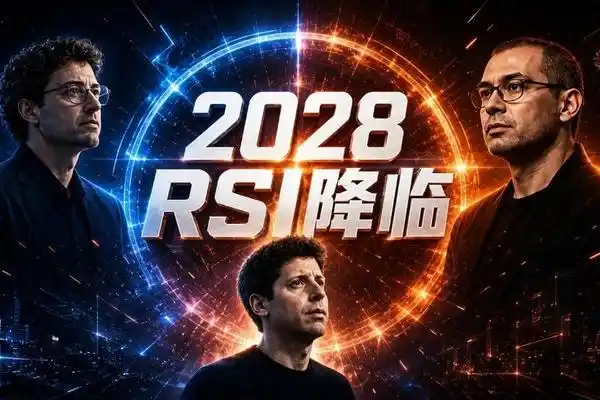
2028: The Arrival of Recursive Self-Improvement (RSI)

**AI Recursive Self-Improvement (RSI): The Countdown to 2028 Begins** AI is no longer just a trained tool but is starting to rewrite its own evolutionary pace. According to Anthropic co-founder Jack Clark, there is a 60% probability that by the end of 2028, Recursive Self-Improvement (RSI) will become a reality. This means AI could autonomously design and build a more capable next-generation version of itself without any human researcher involvement—Claude 10 creating Claude 11, for instance. Supporting this timeline, Google DeepMind's CEO Demis Hassabis confirms that all leading AI labs are intensely focused on RSI, making it an industry-wide priority. He expresses profound concern, stating this potential is what keeps him awake at night. Concrete data underscores this acceleration: - METR evaluations show current top models like Claude are solving tasks up to the 16-hour limit of existing test frameworks. - In Epoch AI's challenging MirrorCode benchmark, Claude Opus 4.7 recreated complex software in hours for a fraction of the human cost. In one extreme test, AI autonomously coded for 19 days straight. - Anthropic reports over 80% of its codebase is now written by Claude, and researcher productivity has increased up to 8-fold since 2024. - OpenAI's policy blueprint highlights RSI as a major upcoming governance challenge. CEO Sam Altman reportedly hinted RSI might arrive within six months, potentially delaying OpenAI's massive IPO. The implication is an impending "intelligence explosion," where AI-driven progress outpaces human control. The central question is no longer if it will happen, but whether humanity is ready.

marsbitHá 1h

2028: The Arrival of Recursive Self-Improvement (RSI)

marsbitHá 1h

World Models, Metaverse, Digital Twins, Physical AI: Are They the Same Thing?

Title: World Models, the Metaverse, Digital Twins, Physical AI: Are They the Same Thing? The article clarifies that concepts like the metaverse, Web3, simulation platforms, digital twins, and Physical AI are not the same thing but are all part of the broader trend of blurring the lines between the digital and physical worlds. It positions "world models" as the foundational "cognitive layer" or "operating system" that enables AI to understand and simulate the world. Key distinctions are made: - The **Metaverse** is a destination for immersive social and economic experiences. World models could act as its "engine," generating interactive 3D content efficiently. - **Web3** focuses on decentralized ownership and economics (rules layer), operating on a different technical level than world models. - **Simulation Data Platforms** (e.g., for autonomous vehicles) are a 1.0 version, relying on manual design. World models represent a 2.0 version, using AI to generate realistic, varied scenarios autonomously. - **Digital Twins** create high-fidelity, real-time mirrors of physical systems (e.g., a factory). World models go a step further by enabling predictive simulation of future states. - **Physical AI** (robots, AVs) refers to AI that acts in the physical world. World models are a core component, providing the understanding and prediction needed for planning. A proposed hierarchy places world models at the cognitive layer, supported by infrastructure (compute, data) and supporting application tools (simulation, digital twins), action systems (Physical AI), user experiences (metaverse), and rules (Web3). In conclusion, while distinct, many of these previously hyped concepts may ultimately rely on advances in world model technology to fulfill their promises, as world models provide the essential cognitive foundation for simulating and interacting with complex environments.

marsbitHá 1h

World Models, Metaverse, Digital Twins, Physical AI: Are They the Same Thing?

marsbitHá 1h

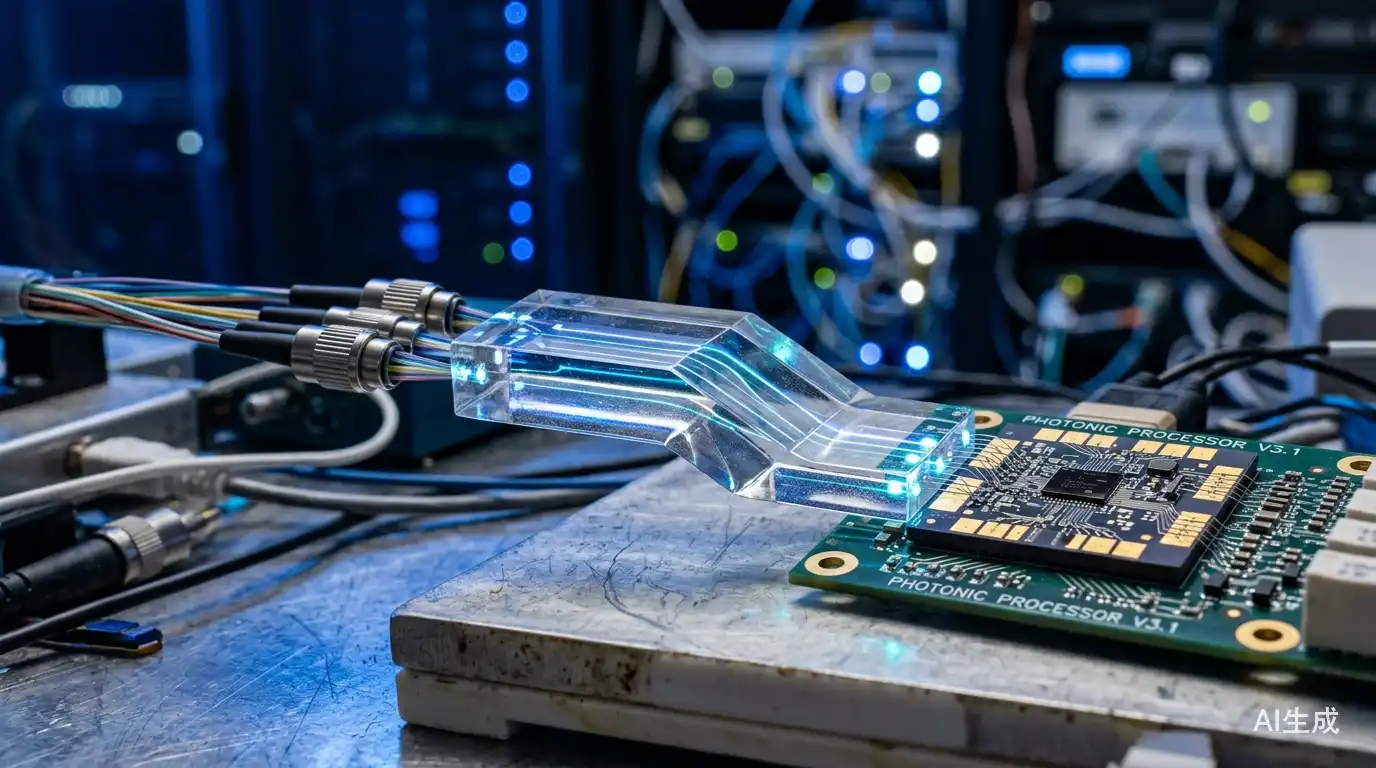
"Shocking" CPO: How Does the Glass Bridge Actually Work? Detailed Explanation from Corning

Chinese CPO stocks plunged over 6% following Corning's announcement of its Glass Bridge platform at a Seoul tech conference. The new technology utilizes wafer-level glass ion-exchange waveguides for passive alignment between fibers and photonic chips, potentially simplifying traditional CPO architectures that rely on complex Fiber Array Units and active alignment equipment. This raised market concerns about reduced long-term demand for mid-stream CPO components. Corning's official documentation details Glass Bridge as a platform for fiber-to-PIC connectivity in NPO, CPO, and high-density modules. Its key features include wafer-level manufacturing for consistent, cost-effective production; a standardized, removable MT ferrule interface for ecosystem integration; and a separable high-density connector design supporting over 24 channels for assembly flexibility. Corning positions the technology as complementary to FAUs, addressing limitations in ultra-high-fiber-count scenarios. The market reaction reflects a broader reassessment of the AI optical interconnect value chain. Funds shifted from CPO and PCB manufacturing stocks towards glass substrate concept stocks like Kaisheng Technology and Dyer Laser. Analysts note glass substrates are seen as a next-gen advanced packaging material, offering a potential path for domestic industry differentiation amid AI-driven demand for high-performance, large-scale packaging, marking a structural migration in value towards upstream specialty materials.

marsbitHá 1h

"Shocking" CPO: How Does the Glass Bridge Actually Work? Detailed Explanation from Corning

marsbitHá 1h

Trading

Spot
活动图片