Is There A “Secret XRP Ledger” And Is The Price Really At $1,000?

bitcoinistPublicado em 2025-05-02Última atualização em 2025-05-03

Resumo

A prominent member of the XRP community, XRP Investing, has commented on the speculations that there is a secret XRP...

Trusted Editorial content, reviewed by leading industry experts and seasoned editors. Ad Disclosure

A prominent member of the XRP community, XRP Investing, has commented on the speculations that there is a secret XRP Ledger (XRPL). The community member also addressed theories that the XRP price is trading at $1,000 on this private ledger. 

Insights Into The Secret Ledger

In an X post, XRP Investing stated that the claims that there is a secret version of the XRP Ledger where banks move billions anonymously aren’t a conspiracy. The community remarked confidently that besides the public XRPL, there is a ‘CBDC Private Ledger,’ which he claimed Ripple announced as the private version of the XRPL in 2021.

XRP Investing stated that the crypto firm built this private XRP Ledger specifically for Central Banks. He claimed that it is private because these banks demand privacy, compliance, and control. This Ledger enables them to issue Central Bank Digital Currencies (CBDCs) without exposing their data or using XRP. The community member added that the CBDC Private Ledger is tailored for wholesale and retail digital currency, not public crypto trading. 

Meanwhile, he asserted that Ripple has confirmed that this XRP Ledger is real and isolated from the public XRPL. XRP Investing further remarked that XRP isn’t used on the private Ledger at all. Indeed, Ripple released a blog post in 2021, announcing the pilot phase of a private version of the public, open-source XRP Ledger. 

The crypto firm stated that this private version of the XRP Ledger will provide central banks with a secure, controlled, and flexible solution for the issuance and management of digital currencies. 

Ripple explained that it chose to make this version of the XRPL private because a Central Bank requires more transaction privacy and control over its currency than a public ledger can offer. As such, these banks would most likely opt to create their CBDCs on a private ledger, which they can also operate on a large scale. 

XRP Price Differences On The Two Ledgers?

XRP Investing also addressed speculations that the price on the private XRP ledger is different and trading at $1,000. He noted that these were simply rumors that Ripple’s Chief Technology Officer (CTO), David Schwartz, had shut down. As such, there is officially no double pricing for XRP on both ledgers. The community member reiterated that the private ledger does not use XRP. 

He noted that this development matters because it shows that Ripple’s private XRP Ledger isn’t just a clone but a real use case for XRPL technology. The community member added that this positions the crypto firm at the heart of future CBDC infrastructure, which he claimed is bullish. This could boost XRP’s adoption in the long run if these banks decide to use the native token to facilitate transactions.

XRP
XRP trading at $2.21 on the 1D chart | Source: XRPUSDT on Tradingview.com
Featured image from Adobe Stock, chart from Tradingview.com
Editorial Process for bitcoinist is centered on delivering thoroughly researched, accurate, and unbiased content. We uphold strict sourcing standards, and each page undergoes diligent review by our team of top technology experts and seasoned editors. This process ensures the integrity, relevance, and value of our content for our readers.

Scott Matherson is a leading crypto writer at Bitcoinist, who possesses a sharp analytical mind and a deep understanding of the digital currency landscape. Scott has earned a reputation for delivering thought-provoking and well-researched articles that resonate with both newcomers and seasoned crypto enthusiasts. Outside of his writing, Scott is passionate about promoting crypto literacy and often works to educate the public on the potential of blockchain.

Criptomoedas em alta

Leituras Relacionadas

Private Credit in US Dollar

Stablecoins are evolving into a new type of money market fund, channeling crypto deposits into the $2 trillion private credit market. This mirrors the 1970s innovation where money market funds pooled small deposits to buy high-yield government securities, bypassing bank restrictions. Today, platforms like Apollo's ACRED tokenized fund and Figure's on-chain lending system allow stablecoin holders to access institutional private credit strategies with no minimum investment, offering yields of 8-12%. On-chain tokenization enables greater liquidity and DeFi composability (e.g., using tokens as collateral for leveraged positions) compared to traditional, locked-up private credit funds. Consequently, on-chain private credit has grown 15x in a year to $5.87 billion, though it remains a tiny fraction (0.3%) of the global market. However, this model carries significant risks, as illustrated by the failure of Goldfinch. Launched in 2021, it directed crypto deposits to motorcycle loans in Kenya and Nigeria. Critical issues included a lack of local oversight, leading to unauthorized fund transfers and borrower defaults. With $56 million now trapped in non-performing loans, its collapse highlights that while blockchain streamlines capital transfer, the essential 90% of lending—underwriting, monitoring, and recovery—remains a costly, localized challenge. Success requires robust, traditional credit infrastructure, not just on-chain execution.

marsbitHá 8m

Private Credit in US Dollar

marsbitHá 8m

Goldman Sachs: How to Invest in Tech Stocks in the Second Half of the Year?

Goldman Sachs remains bullish on tech stocks in the second half of the year, advising a shift from "buying the sector" to "picking individual companies." The firm's latest report indicates the AI-driven tech cycle shows no signs of peaking, with supply exceeding demand or technological progress slowing yet to materialize. Recent pullbacks are viewed as healthy corrections following rapid gains, not a trend reversal. Three core investment themes are highlighted: 1) Maintain overweight positions in AI server and data center-related hardware stocks. 2) Conduct more nuanced risk-reward assessments in sub-sectors where supply and demand are tightening. 3) During periods of declining risk appetite, consider software and IT services companies leveraging AI to create new business opportunities as a defensive play. The report emphasizes that future outperformance will depend more on individual company competitiveness (alpha) rather than broad sector momentum (beta). Companies likely to excel are those benefiting from price increases, possessing strong capacity expansion capabilities, having undervalued AI growth potential, or holding unique catalysts. For defense, Goldman suggests focusing on AI-enabling software and service firms—such as those in AI consulting, data infrastructure, and cybersecurity—which may see efficiency gains and new demand, rather than retreating to traditional defensive sectors. Overall, the strategy balances offensive exposure to AI infrastructure with defensive positioning in AI-applicable software and services.

链捕手Há 13m

Goldman Sachs: How to Invest in Tech Stocks in the Second Half of the Year?

链捕手Há 13m

Wall Street's Take on the June Fed Meeting Minutes: Focus on Core Inflation, No Short-Term Urgency to Hike Rates

Wall Street's View on Fed June Minutes: Inflation is the Key, No Urgency for Near-Term Hike The minutes of the Federal Reserve's June FOMC meeting revealed a unified Wall Street interpretation: inflation remains the true determinant for future policy moves. Major institutions including Goldman Sachs, Morgan Stanley, and Citigroup concluded that the Fed remains data-dependent, with its path hinging on upcoming inflation data. Key takeaways from the minutes: * **No Immediate Tightening**: Despite "a few" participants seeing reasons to hike, none actively advocated for it at the June meeting. The consensus was to hold the federal funds rate steady at 3.5%-3.75%. * **Inflation as the Decisive Factor**: The Fed outlined two primary scenarios. If inflation declines "soon" toward the 2% target, "almost all" officials would support maintaining or eventually cutting rates. If inflation persists high due to factors like AI demand or supply shocks, "almost all" would see some policy tightening as necessary. * **Patience is Warranted**: Officials noted inflation remains above target but cited anchored inflation expectations and a labor market not currently driving price pressures as reasons for patience. The Fed is focused on the *direction* of inflation over the next few months. * **No Policy Framework Shift**: The minutes reaffirmed a data-dependent approach rather than a fundamental shift toward pre-emptive tightening. Institutional Forecasts: * **Morgan Stanley**: Expects rates on hold in 2026, with potential cuts in 2027 if inflation cools. * **Goldman Sachs**: Baseline scenario sees rates unchanged through 2026, with inflation moderating gradually. * **Citigroup**: Takes a more dovish view, suggesting market pricing for a July hike is too aggressive and forecasting potential rate cuts starting in late 2026. Overall, the minutes were perceived as marginally dovish, emphasizing a watchful stance on inflation data with no near-term urgency to hike.

marsbitHá 19m

Wall Street's Take on the June Fed Meeting Minutes: Focus on Core Inflation, No Short-Term Urgency to Hike Rates

marsbitHá 19m

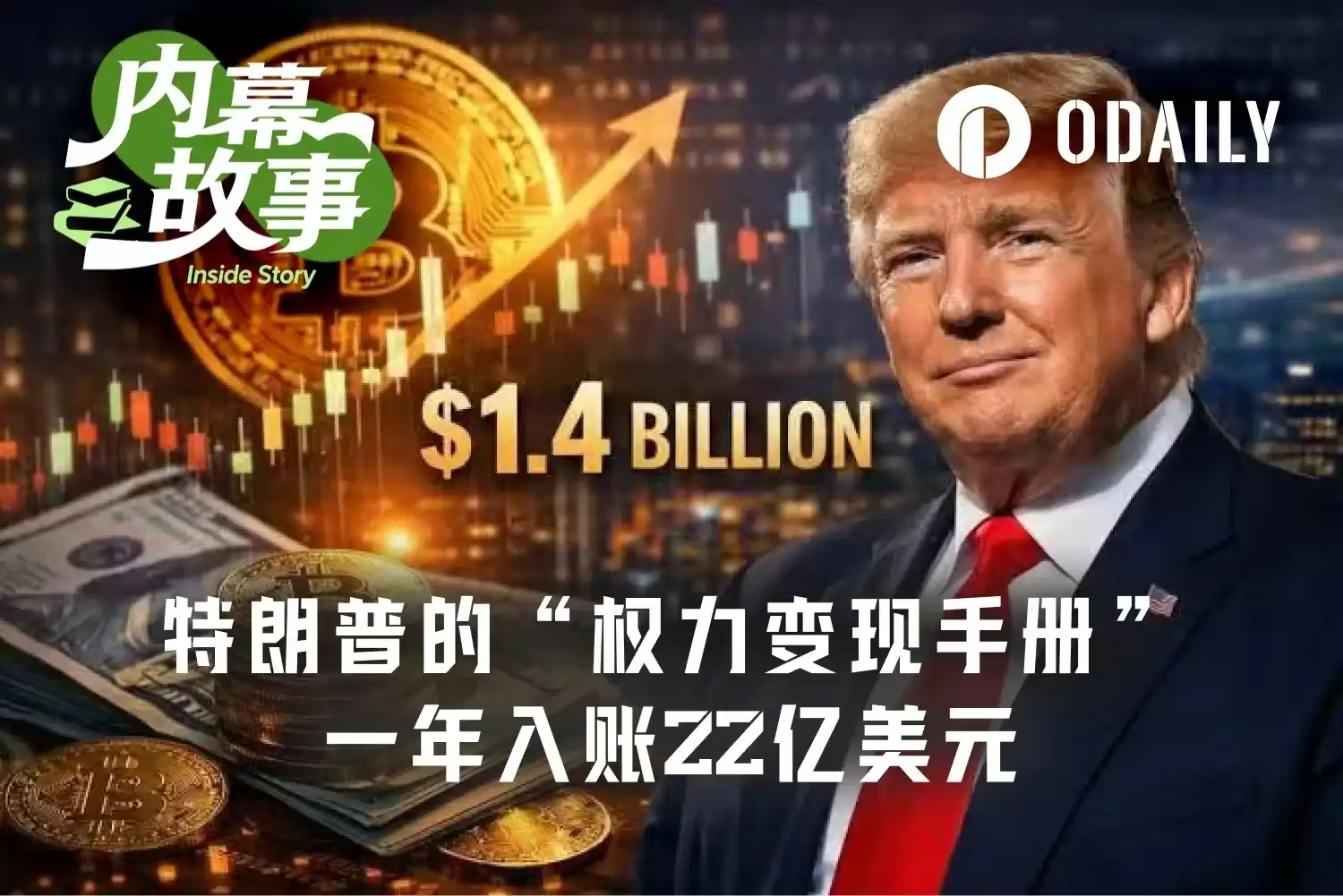
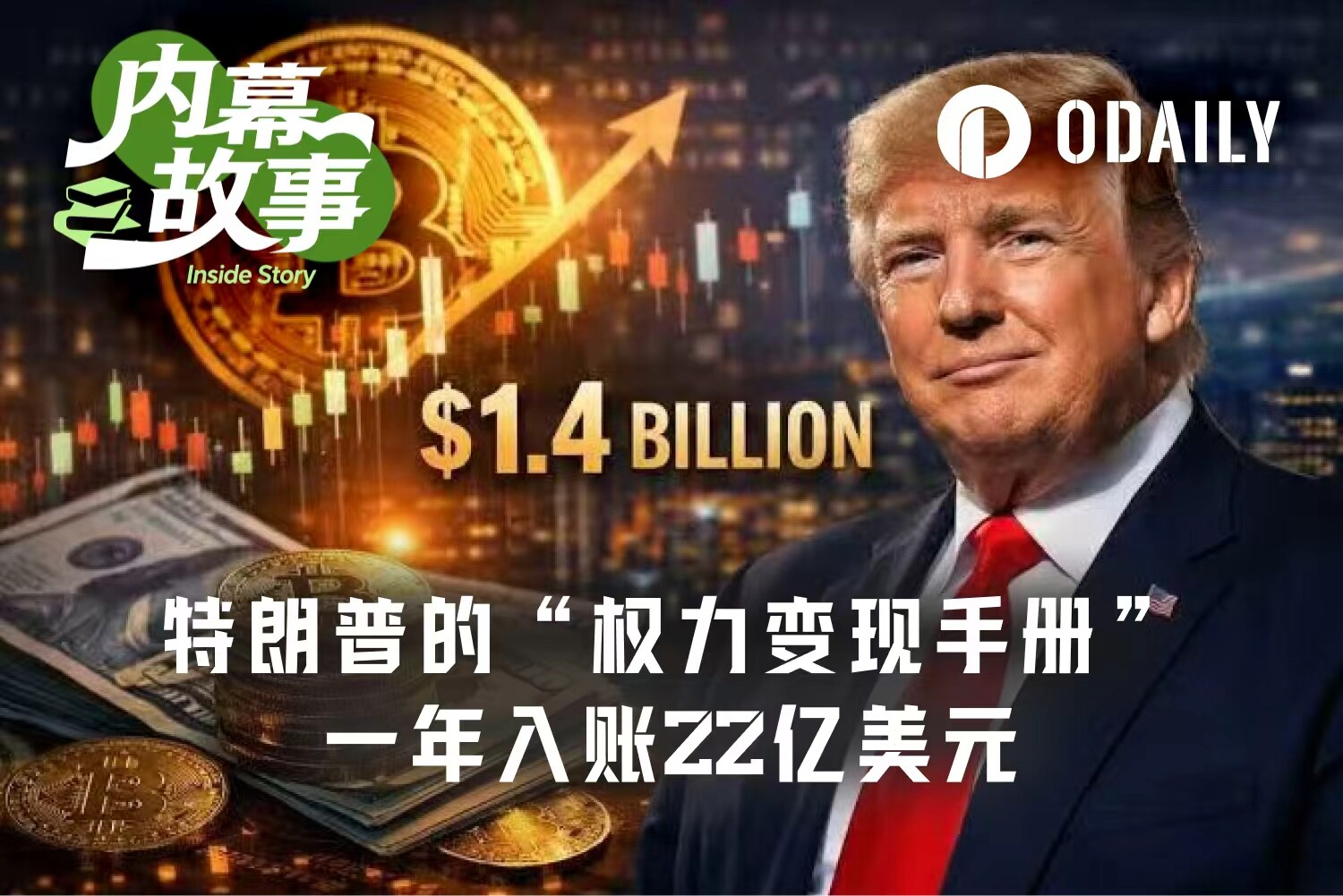
Trump Earns $2.2 Billion Annually, Two-Thirds from Cryptocurrency, with 87 Stock Trades Daily

Former U.S. President Donald Trump reported a personal income exceeding $2.2 billion in 2025, the highest annual income for a sitting president, according to U.S. government financial disclosures. This income primarily stemmed from cryptocurrency ventures and investments, starkly contrasting the standard presidential salary of $400,000. More than two-thirds ($1.4 billion) of his income originated from cryptocurrency-related activities. This includes over $1 billion in Bitcoin and Ethereum holdings, approximately $800 million from World Liberty Financial (a crypto project co-founded with his son), and about $635 million from sales of the TRUMP meme coin. Overall, Trump family crypto operations reportedly generated over $2.3 billion in profit after his 2025 inauguration. Trump's stock portfolio showed heavy trading activity, with over 22,000 trades executed in 2025—averaging 87 trades per day. Major holdings included tech giants like Google, Apple, Nvidia, and Microsoft. Notably, some large-scale stock purchases coincided with major policy announcements, such as tariffs, raising questions about potential insider trading. His traditional business empire, centered on real estate and branding, contributed $575 million. Additionally, he earned nearly $60 million through numerous "DT Marks" licensing companies, which leverage the Trump brand globally in locations like Dubai and Abu Dhabi. The report highlights significant conflicts of interest, as countries like the UAE and Saudi Arabia, whose entities invested in Trump's businesses, later received favorable U.S. policy treatment. Trump has stated he delegates financial management and is not directly involved in day-to-day investment decisions.

Odaily星球日报Há 20m

Trump Earns $2.2 Billion Annually, Two-Thirds from Cryptocurrency, with 87 Stock Trades Daily

Odaily星球日报Há 20m

Trading

Spot

Artigos em Destaque

O que é XRP 2.0

XRP 2.0: Uma Nova Fronteira no Landscape das Criptomoedas Introdução ao XRP 2.0 No reino em constante evolução das criptomoedas, novos projetos surgem continuamente, lutando por atenção e adoção. Uma dessas iniciativas promissoras é o XRP 2.0, um novo projeto de criptomoeda concebido para aproveitar a tecnologia de blockchain avançada e as metodologias de criptografia robustas. Embora o nome tenha paralelos com o XRP da Ripple, é crucial notar que o XRP 2.0 opera de forma independente, focando em melhorar a segurança das transações, a privacidade e a escalabilidade. À medida que o panorama financeiro digital abraça cada vez mais soluções descentralizadas, o XRP 2.0 visa contribuir de forma significativa para a web3 e a expansão global dos projetos de criptomoedas. O que é o XRP 2.0? No seu núcleo, o XRP 2.0 é um projeto de criptomoeda que visa criar um ecossistema de moeda digital seguro e descentralizado. Sua tecnologia fundamental integra princípios de blockchain sofisticados com técnicas de criptografia de ponta. O objetivo abrangente do XRP 2.0 é estabelecer-se como uma plataforma confiável e eficiente que possibilita a execução rápida de transações, priorizando a proteção de privacidade aprimorada para os seus usuários. O projeto é promovido como uma solução para muitas limitações enfrentadas pelas criptomoedas existentes, propondo um sistema que pode lidar com um volume maior de transações com velocidade e privacidade melhoradas. Esta versatilidade posiciona o XRP 2.0 como um concorrente significativo em um mercado repleto de várias moedas digitais. Quem é o Criador do XRP 2.0? A identidade do criador por trás do XRP 2.0 foi identificada como 'Wilbur.' No entanto, detalhes abrangentes sobre Wilbur ou a sua entidade associada permanecem elusivos. O anonimato de muitos criadores de criptomoedas não é um fenômeno incomum na indústria, muitas vezes concebido para manter um grau de privacidade e segurança. Quem são os Investidores do XRP 2.0? Até agora, informações específicas relacionadas às fundações ou organizações de investimento que apoiam o XRP 2.0 não estão disponíveis publicamente. No setor das criptomoedas, o apoio de investidores reputados pode influenciar significativamente a credibilidade e o sucesso de um projeto, no entanto, a transparência em relação aos apoiantes financeiros do XRP 2.0 não foi estabelecida. Como Funciona o XRP 2.0? O XRP 2.0 destaca-se por empregar uma combinação de tecnologia blockchain e algoritmos de criptografia avançados que asseguram transações seguras e descentralizadas. Sua estrutura inovadora inclui características únicas projetadas para fomentar o envolvimento dos usuários e ampliar as funcionalidades além das transações convencionais de criptomoedas. Entre essas características, o XRP 2.0 incorpora capacidades potenciadas por IA, como funcionalidades de texto-para-imagem e texto-para-fala. Estas adições são projetadas para melhorar a experiência interativa dos usuários, promovendo uma maior aplicabilidade em vários setores. Ao unir avanços tecnológicos com um design centrado no utilizador, o XRP 2.0 pretende captar a atenção de uma diversa gama de indivíduos e empresas que procuram integrar soluções de criptomoedas em suas estruturas operacionais. Cronologia do XRP 2.0 Compreender o XRP 2.0 requer examinar os marcos que definiram sua jornada até agora: 23 de Julho de 2023: O XRP 2.0 é apresentado como um novo projeto de criptomoeda, visando revolucionar as capacidades de transação seguras e descentralizadas no domínio do blockchain. 8 de Setembro de 2023: O lançamento de outro projeto, XRP20, ocorre, marcando o surgimento de um token ERC-20 na blockchain Ethereum que permanece não relacionado ao XRP 2.0. 13 de Novembro de 2023: O XRP Ledger passa por uma atualização significativa com o lançamento da versão 2.0.0 do software do servidor rippled. É importante notar que este desenvolvimento está desconectado do projeto de criptomoeda XRP 2.0. Pontos-chave sobre o XRP 2.0 Para destilar a essência do XRP 2.0, vários fatores críticos emergem: Características Únicas: A inclusão de características como texto-para-imagem e texto-para-fala potenciadas por IA diversifica ainda mais as aplicações potenciais do XRP 2.0. Tecnologia Blockchain: A estrutura utiliza mecanismos de blockchain avançados e protocolos de criptografia, assegurando um ambiente seguro e descentralizado para transações. Escalabilidade e Privacidade: O XRP 2.0 prioriza proteção de privacidade aprimorada nos processos de transação e a escalabilidade necessária para acomodar uma base de utilizadores crescente. Sem Afiliação com a Ripple: Importante, apesar do seu nome, o XRP 2.0 não tem qualquer lealdade ou colaboração com o XRP da Ripple, distinguindo sua estrutura operacional e objetivos dentro do ecossistema das criptomoedas. Conclusão O XRP 2.0 representa uma empreitada ambiciosa no domínio das criptomoedas, visando oferecer uma combinação de segurança, privacidade e eficiência em transações digitais. Ao integrar tecnologias sofisticadas e características amigáveis ao utilizador, o projeto propõe-se a ampliar os horizontes do que as criptomoedas podem alcançar na economia digital atual. Embora o anonimato do seu criador e a falta de investidores divulgados possam levantar questões para alguns, o foco do XRP 2.0 em funcionalidades avançadas e descentralização aumenta seu apelo num mercado de criptomoedas cada vez mais congestionado. À medida que o panorama das criptomoedas continua a evoluir, o XRP 2.0 pode ainda emergir como um jogador crucial na expansão de soluções de blockchain seguras e escaláveis.

113 Visualizações TotaisPublicado em {updateTime}Atualizado em 2024.12.03

O que é XRP 2.0

Como comprar XRP

Bem-vindo à HTX.com!Tornámos a compra de XRP (XRP) simples e conveniente.Segue o nosso guia passo a passo para iniciar a tua jornada no mundo das criptos.Passo 1: cria a tua conta HTXUtiliza o teu e-mail ou número de telefone para te inscreveres numa conta gratuita na HTX.Desfruta de um processo de inscrição sem complicações e desbloqueia todas as funcionalidades.Obter a minha contaPasso 2: vai para Comprar Cripto e escolhe o teu método de pagamentoCartão de crédito/débito: usa o teu visa ou mastercard para comprar XRP (XRP) instantaneamente.Saldo: usa os fundos da tua conta HTX para transacionar sem problemas.Terceiros: adicionamos métodos de pagamento populares, como Google Pay e Apple Pay, para aumentar a conveniência.P2P: transaciona diretamente com outros utilizadores na HTX.Mercado de balcão (OTC): oferecemos serviços personalizados e taxas de câmbio competitivas para os traders.Passo 3: armazena teu XRP (XRP)Depois de comprar o teu XRP (XRP), armazena-o na tua conta HTX.Alternativamente, podes enviá-lo para outro lugar através de transferência blockchain ou usá-lo para transacionar outras criptomoedas.Passo 4: transaciona XRP (XRP)Transaciona facilmente XRP (XRP) no mercado à vista da HTX.Acede simplesmente à tua conta, seleciona o teu par de trading, executa as tuas transações e monitoriza em tempo real.Oferecemos uma experiência de fácil utilização tanto para principiantes como para traders experientes.

1.7k Visualizações TotaisPublicado em {updateTime}Atualizado em 2026.06.02

Como comprar XRP

Discussões

Bem-vindo à Comunidade HTX. Aqui, pode manter-se informado sobre os mais recentes desenvolvimentos da plataforma e obter acesso a análises profissionais de mercado. As opiniões dos utilizadores sobre o preço de XRP (XRP) são apresentadas abaixo.

活动图片