资本主义每天都在扼杀 Web3 的灵魂

深潮Publicado em 2025-04-29Última atualização em 2025-04-29

真正去中心化的梦想依然存在,但对大多数人来说,它只是一个梦想。

撰文:hitesh.eth

编译:Block unicorn

我们拥有数字星球:Web2 和 Web3。

Web3 星球相当新颖——它最初是由相信去中心化、自由和自治的先驱者们建立的。在其最早的日子,它是一片狂野、未经探索的土地,没有统治者,只有建设者。

但随后,Web2 与 Web3 之间的桥梁建立了起来。起初,只有少数来自 Web2 的资本家到来,他们被这个新世界的原始潜力所吸引。他们在一旁观察,分析其地形,理解其规则,并识别出最有价值的领土。
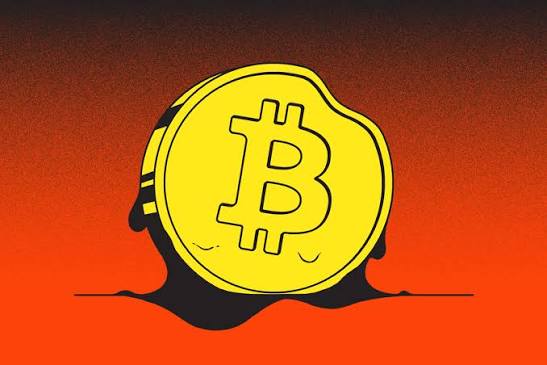
比特币区块空间

第一波大规模殖民始于比特币——Web3 岛上最珍贵的国家。这是一片稀缺的土地,所有权明确,权力属于那些理解其基本原理的人。

但一旦首批定居者控制并确保了他们的财富,他们就开始扩张。他们看到 Web3 远不止比特币。还有广阔的、未被认领的土地等待塑造。很快,他们开始超越比特币,建立新的领土——以太坊、Solana、Polkadot 以及无数其他地方。

随着更多土地被发现,瓜分新国家的竞赛加剧。起初,区块空间稀缺。最早的区块链在严格的限制下运行——每笔交易都需要一个位置,而空间并不多。这种稀缺性赋予了区块空间巨大的价值。拥有哪怕一小块区块空间就意味着在新数字经济中拥有一个席位。但随着竞争加剧,创新也随之而来。

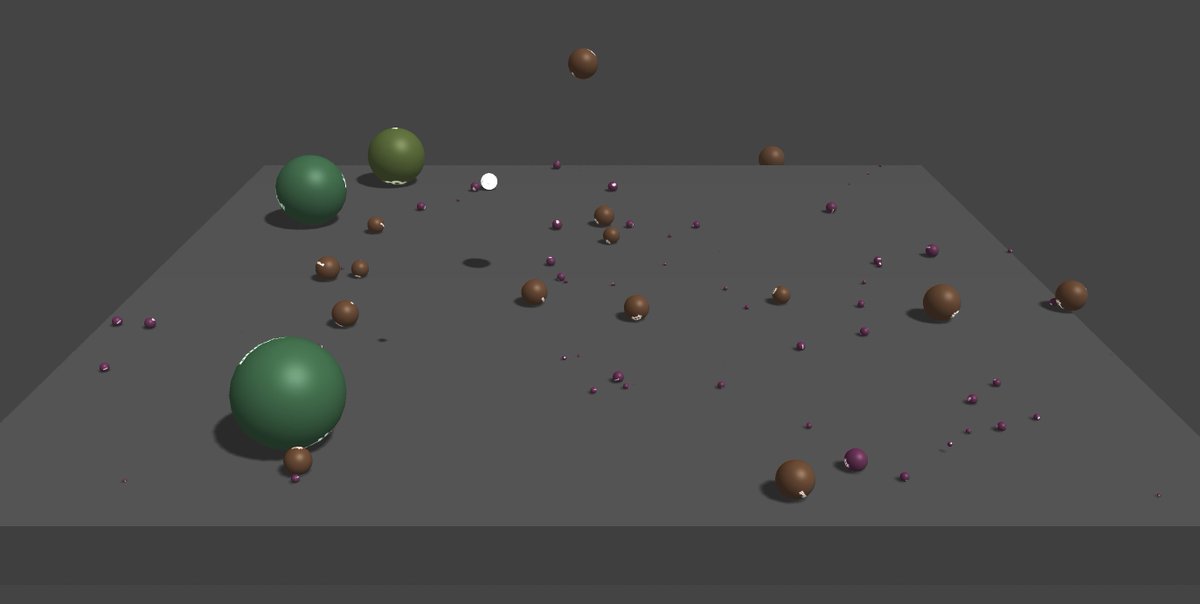
ETH 交易可视化

出现了更有效的创建区块空间的方式。第 2 层解决方案、Rollup、山寨链——每一项都为 Web3 星球带来了大量新土地。曾经稀有的商品变得丰富起来。

建设者们不再为有限的空间争斗;相反,他们创造了无尽的新土地,以满足日益增长的定居需求。但区块空间的泛滥带来了意想不到的后果。
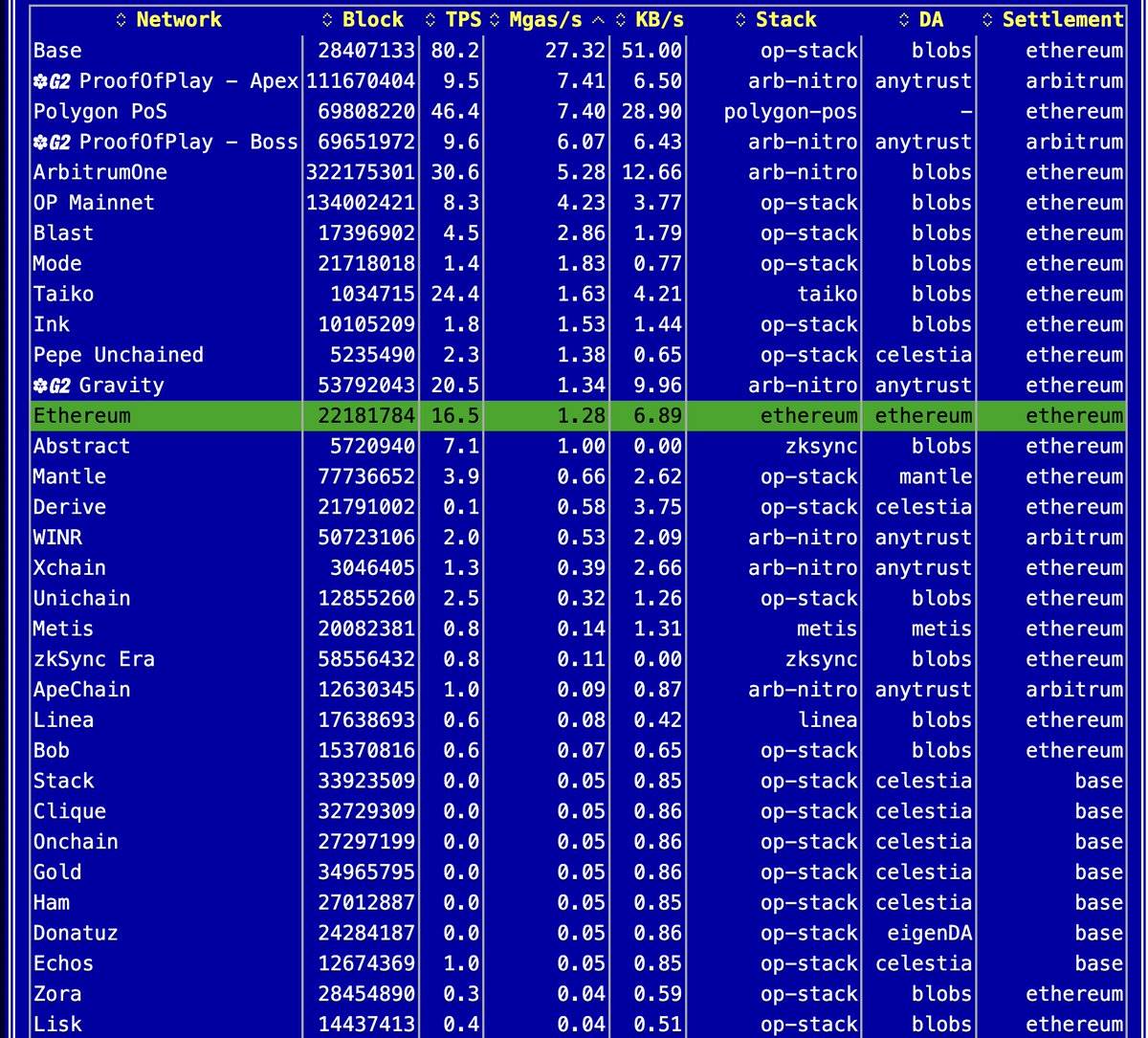
曾经珍贵的东西变得廉价。存储交易的成本——曾经是关键经济力量——现在暴跌了。承诺是廉价的区块空间将吸引数百万来自 Web2 的新定居者,但现实却不同。

Web2 的人们犹豫了。

他们听说过寻宝者冒险进入 Web3,被财富的承诺所诱惑,却被其掠食者吞噬。一些 Web2 居民确实做出了迁移,被一夜暴富的故事所吸引。

他们进入 Web3,希望在新经济中占据一席之地。许多人通过购买小块土地——各种代币,每一种都承诺未来的价值——一开始。他们交易、投机、建立业务,相信自己处于下一次伟大革命的早期。

但他们没有意识到,Web3 早已被其最早的定居者和最强大的资本家所构建。游戏规则虽未明文写下,但掌控这片土地的人却心知肚明。随着更多 Web2 的人迁移,他们不知不觉地陷入了困境。Web3 的复杂性令人望而生畏。

新国家太多,不同的规则太多,伪装成机会的骗局也太多。大玩家控制着信息流,操纵市场,抬高价值,并在毫无戒心的定居者脚下抽走地毯。

Web3 星球变成了一个游乐场,供那些知道如何从无知者身上榨取财富的人玩乐。即使现在区块空间比以往任何时候都要便宜,采用速度仍然缓慢。从 Web2 到 Web3 的大规模迁移梦想正在破灭。

新土地的建立承诺了无缝的用户体验,但它们从未达到 Web2 所提供的熟悉和便利程度。快速激励的额外承诺不足以吸引人——Web2 的人们看到太多同伴被伤害。

他们看着 Web3 内的整个国家在一夜之间兴起又崩溃,看着财富在眨眼间得失。普通人犹豫不决,无法看透混乱。然而,在动荡之中,一个繁荣的交易市场出现了。

Web3 的房地产——代币——成为了其经济的命脉。一切都在出售。每个国家都有自己的财产、独特的资产和对未来价值的承诺。交易场无休止地开放,全天候运行,受到投机、操纵和贪婪的驱使。
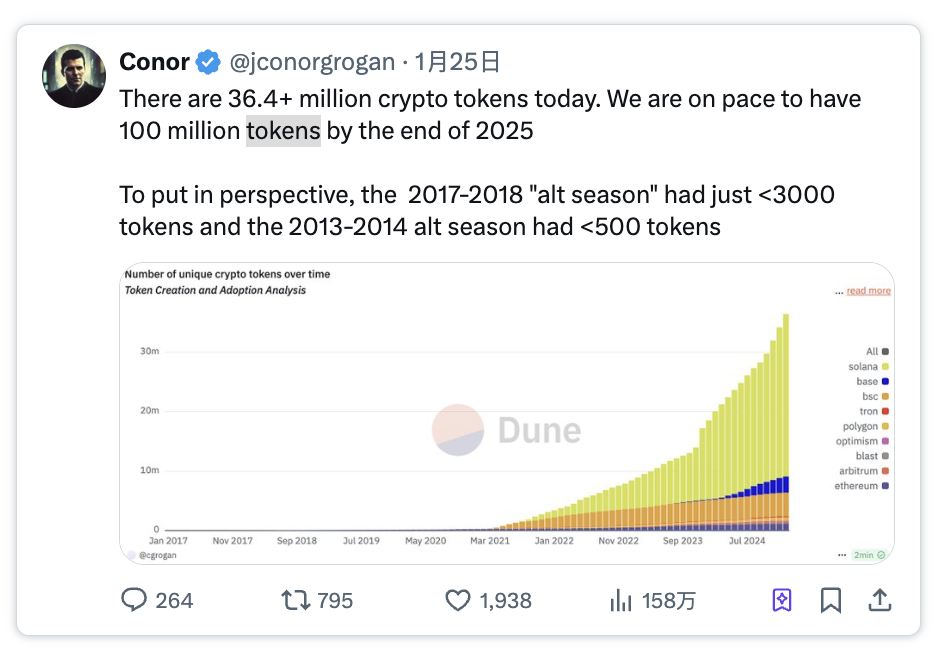
一些国家暂时繁荣,随后随着注意力转移而衰退。新土地每天被铸造,卖给出价最高的人,然后被短期翻转获利。这个循环从未停止。而当定居者们苦苦挣扎时,Web3 的真正受益者却蓬勃发展。

桥梁运营者——交易所——成为了守门人,控制着 Web2 与 Web3 之间的资产流动。
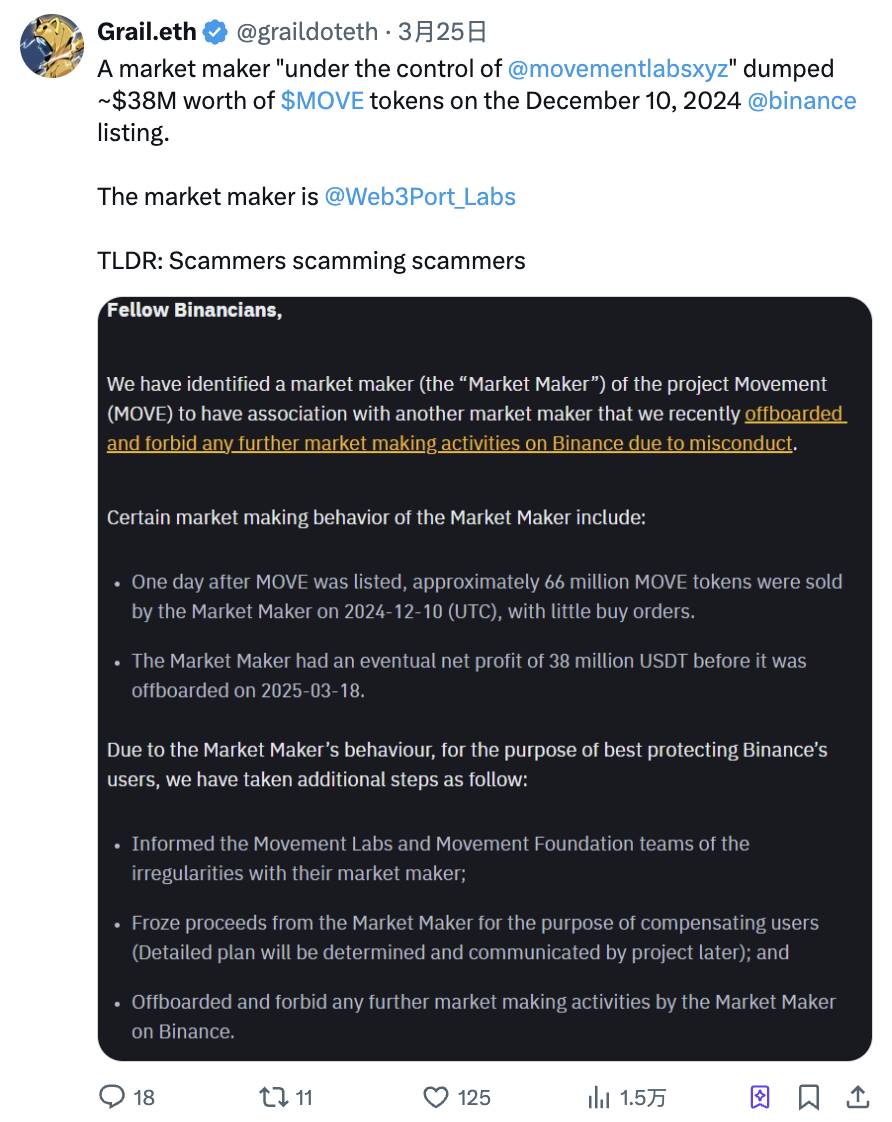
他们每次有人进入或离开时都赚取利润。做市商——那些管理流动性的隐秘力量——确保没有一笔交易被忽视,从每笔交易中抽取他们的份额。开发者们继续建设,不一定是为了创新,而是为了创造更多可出售的土地。而营销人员呢?他们编织故事,打造叙事,向下一波充满希望的定居者出售梦想。

Web3 的阴暗面在于,它不再是真正的去中心化。早期关于自由开放数字边疆的理想已被资本的冷酷现实所取代。游戏被操控了。

那些主导 Web2 的力量也渗透进了 Web3。他们不仅定居下来,还重塑了这颗星球以满足他们的需求。于是,Web3 星球继续扩张,成为一个无尽的数字土地、投机和转瞬即逝机会的边疆。

真正去中心化的梦想依然存在,但对大多数人来说,它只是一个梦想。定居者们仍然前来,希望发财,但最终,大多数人离开时拥有的比到来时更少。

与此同时,那些掌握了系统的人继续榨取、建设和控制,确保这颗星球仍由他们塑造。
Leituras Relacionadas

The Largest Upgrade Since The Merge? How Glamsterdam Will Affect Ethereum and Regular Users?

The upcoming Glamsterdam upgrade, scheduled for late 2026, is considered Ethereum's most significant change since The Merge. It focuses on fundamentally restructuring Ethereum's block production, transaction execution, and gas pricing to enable major scalability improvements while preserving decentralization. The upgrade centers on three key innovations: * **Enshrined PBS (ePBS)**: Moves the Proposer-Builder Separation mechanism into the protocol's core, eliminating reliance on external relays. This reorganizes the block pipeline, extending the time window for processing execution payloads, which is crucial for safely increasing block capacity. * **Block-Level Access Lists (BALs)**: Attaches a "map" to each block, declaring in advance which state data its transactions will access. This enables potential parallel transaction processing and faster node synchronization, breaking a key performance bottleneck. * **Gas Repricing**: Introduces a more accurate resource pricing model by separating computation costs from state storage costs. This discourages uncontrolled state growth by making operations that create permanent data (like new accounts) more accurately reflect their long-term network burden. Together, these changes aim to solve the core challenges of increasing Ethereum's throughput (e.g., raising the Gas Limit) without overburdening node hardware or increasing centralization risks. They prepare the infrastructure for higher capacity, targeting a credible post-upgrade capacity of up to 200 million Gas. For users, the impact will be nuanced: * General transaction fees may become lower and more stable as block space increases. * Simple transfers could see cost reductions, while state-intensive operations (like contract deployment) may become relatively more expensive due to the new gas model. * Gas fee estimations by wallets will become more accurate. * L2 networks could benefit long-term from increased data blob capacity. * Standardized logs for all ETH transfers (EIP-7708) will improve tracking for wallets and exchanges. Ultimately, Glamsterdam represents a foundational shift, not a simple block size increase. It seeks to expand Ethereum's capacity by re-engineering its underlying mechanics, maintaining its commitment to decentralization while enabling significant performance gains.

marsbitHá 53m

The Largest Upgrade Since The Merge? How Glamsterdam Will Affect Ethereum and Regular Users?

marsbitHá 53m

Circle CEO Responds to the OUSD Challenge: Stablecoin is a Winner-Takes-All Business, and We Won't Slow Down

In response to questions about the OUSD stablecoin initiative, Circle CEO Jeremy Allaire argues that the stablecoin market is a "winner-take-most" platform business driven by powerful network effects, and Circle has no plans to slow down. He outlines three key drivers behind USDC's dominant position: 1. **Protocol/Software Layer Network Effects**: The value of a stablecoin network grows as more developers and services integrate it, creating compounding utility and user preference. Circle has spent nearly a decade building this ecosystem with USDC, now accelerated by mainstream adoption and enhanced by software stacks like CCTP and Gateway for interoperability. 2. **Liquidity Network Effects**: Liquidity begets more liquidity. USDC has achieved top-tier global liquidity—ranking among the top three digital assets alongside BTC and USDT—through nearly a decade of building deep primary and secondary market access across regions and venues. 3. **Regulatory and Policy Integration**: Establishing a global stablecoin requires deep regulatory engagement, licensing, and compliance across key markets—a significant, long-term investment where Circle is a leader. Allaire cites Artemis data showing USDC facilitated 80% of all dollar stablecoin on-chain transaction volume in Q1 2026, with USDT at 20% and all others negligible. He addresses OUSD's purported advantages: "free" minting/burning is often not sustainable in practice; redistributing all revenue can starve essential infrastructure investment; and large consortium models historically struggle with inefficiency and slow execution, unlike focused strategic partnerships. He reaffirms Circle's strong ongoing partnership with Coinbase on USDC and notes Circle collaborates with dozens of other stablecoin issuers through its expanding platform (Arc, CCTP, CPN, etc.). While welcoming OUSD to the ecosystem, Allaire asserts that Circle's vast, trusted network and continued investment make USDC the foundational digital dollar infrastructure for the world.

链捕手Há 1h

Circle CEO Responds to the OUSD Challenge: Stablecoin is a Winner-Takes-All Business, and We Won't Slow Down

链捕手Há 1h

Q2 Crypto Market Review: Did Bitcoin Rise for 'Nothing'? Did Money Flow to AI and On-Chain?

Q2 2026 Crypto Market Recap: Bitcoin's Gains Erased Amid Shift to AI and On-Chain Activity The second quarter of 2026 saw a significant reversal for the cryptocurrency market. Bitcoin gave back all its April gains, ending Q2 down approximately 11%, while major stock indices posted strong gains. This divergence was driven by a hawkish shift in Fed rate expectations, capital rotation into AI stocks, and weakening liquidity channels into crypto. Key demand pillars deteriorated simultaneously. Spot Bitcoin ETFs recorded net outflows of $4.08 billion for the quarter, with outflows dominating June. Crypto treasury entity Strategy's bitcoin accumulation slowed markedly, and the total stablecoin market cap contracted by ~$4.2 billion. This created a tighter liquidity environment. Exchange data reflected the downturn. Spot trading volumes fell 28% quarter-over-quarter. The market underwent significant deleveraging, with $8.35 billion in long liquidations for BTC and ETH, primarily in late May/early June. Open interest and order book liquidity also declined. Despite the bearish price action, structural developments point to an expanding on-chain ecosystem. These include the rise of tokenized stocks with full legal rights, the growth of RWA (real-world asset) perpetual contracts for trading stocks and commodities 24/7, and the use of crypto markets for price discovery ahead of major events like the SpaceX IPO. On-chain vaults are also emerging as a core layer for institutional capital allocation.

Foresight NewsHá 1h

Q2 Crypto Market Review: Did Bitcoin Rise for 'Nothing'? Did Money Flow to AI and On-Chain?

Foresight NewsHá 1h

Trading

Spot
活动图片