ФРС может начать экстренное смягчение после роста индекса MOVE

cryptonews.ruPublicado em 2023-06-08Última atualização em 2025-04-08

Показатель стресса на рынке облигаций растет — ФРС под давлением

Федеральная резервная система может быть вынуждена экстренно перейти к снижению ставок и запуску новых программ ликвидности и поводом для этого станет вовсе не инфляция или рынок труда. Главный индикатор — MOVE Index, отражающий волатильность на рынке облигаций США. Сейчас он на грани зоны кризисного вмешательства.

Читать также: JPMorgan: ФРС может срочно снизить ставки до майского заседания

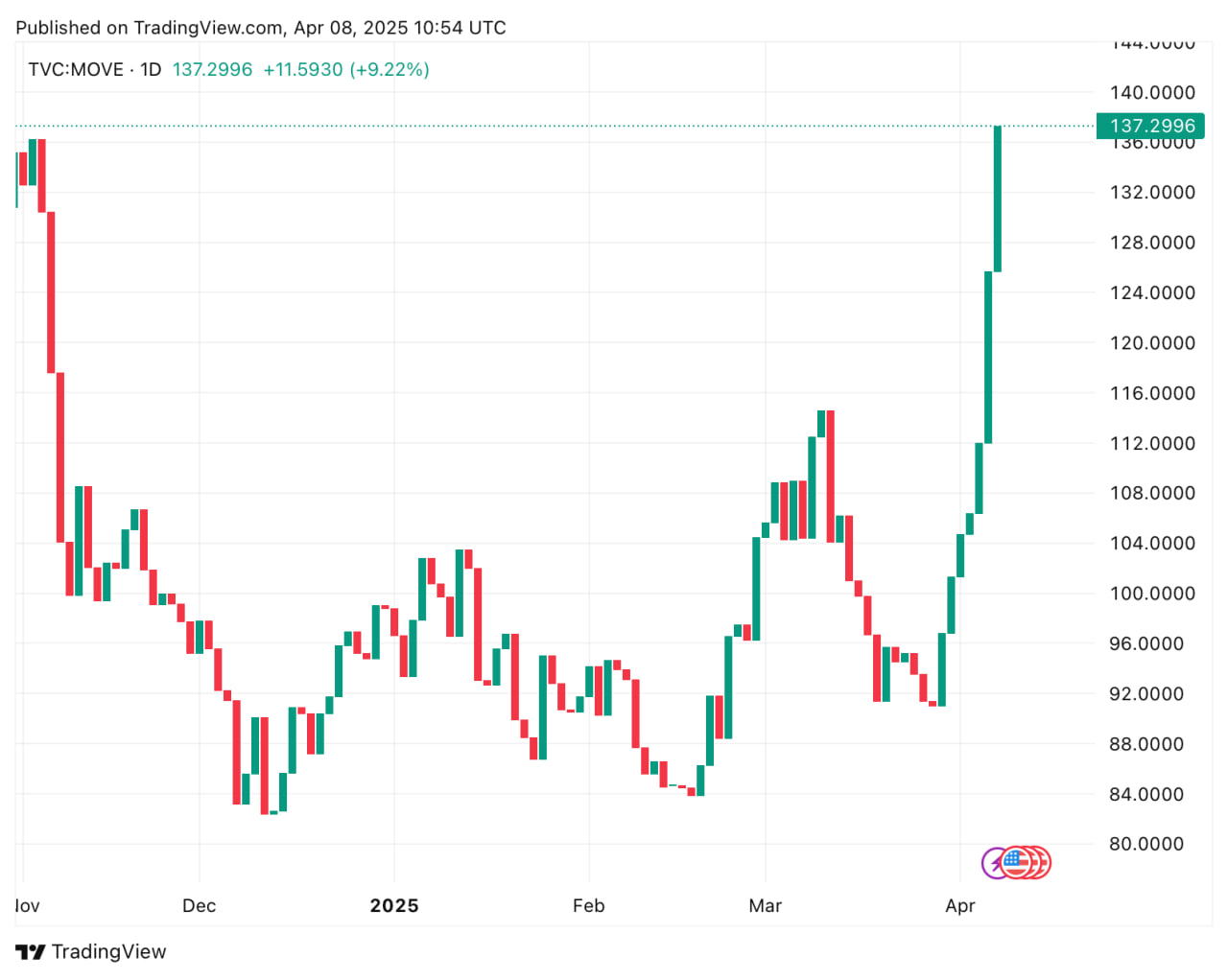
8 апреля индекс подскочил до 137,3, прибавив более 9% за день. Если он пересечет отметку 140, это может стать спусковым крючком для экстренных действий ФРС — как это уже было в прошлом.

Что такое MOVE Index и почему он важен

MOVE — это аналог индекса VIX, но для рынка казначейских облигаций США. Он показывает, насколько сильно колеблется доходность. Другими словами, насколько нервничает рынок.
Если индекс пробьет 140, это сигнал: рынок трежерис теряет ликвидность, спреды расширяются, а финансовая система приближается к точке перегрева.

В такой ситуации ФРС перестает ужесточать политику и начинает вливать ликвидность — даже если инфляция всё еще высока.

Рост без откатов: рынок в фазе паники

За последние две недели MOVE Index прошел путь от ~91 до 137, не делая пауз. 13 из 14 сессий — зеленые свечи. Такая агрессия на графике — редкость и часто говорит не о смене ожиданий, а о стрессе.

Текущий рывок пробил важные уровни января (108) и марта (115). Впереди — зона 140–145, которая сдерживала рост осенью 2023 года и раньше служила спусковым механизмом для экстренных действий ФРС.

Технически — никакой коррекции, свечи растут без верхних теней. RSI не перегрет, а просто «вытянут». Это значит: покупатели полностью контролируют движение, и потенциал роста сохраняется.

Что произойдет, если MOVE пробьет 140?

Если индекс останется выше 140 хотя бы два дня, рынки могут войти в фазу ускоренного распада. Возможны следующие события:

  • Разрыв между ценой и NAV у облигационных ETF
  • Расширение спредов на рынке репо и SOFR
  • Рост CDS (страховок от дефолта)
  • Бегство от трежерис

ФРС в такой ситуации, как правило, вмешивается. Это может быть QE-lite, экстренные репо-сделки или прямые вливания ликвидности — под предлогом «поддержания стабильности».

Трамп усиливает давление на рынок — Пауэлл в ловушке

Обвал фондового рынка, вызванный тарифной эскалацией, только подлил масла в огонь. Новые пошлины рискуют создать стагфляцию — рост цен при слабой экономике. А это наихудший сценарий для центробанка.

Джером Пауэлл пока держится. В пятницу он заявил, что «ФРС не торопится» с решением по ставкам. По его словам, влияние тарифов может быть временным, но «не исключено, что оно окажется более устойчивым».

Все внимание на уровень 140

MOVE Index — это не просто цифра на графике. Это барометр доверия к системе. Если отметка 140 будет пробита и удержана, ФРС почти наверняка включится — даже если это будет противоречить риторике борьбы с инфляцией.

Официально пока никаких экстренных мер. Но рынок облигаций уже шепчет, что время почти вышло.

Читать далее: Рауль Пал: цель тарифов Трампа — соглашение с Китаем

Criptomoedas em alta

Leituras Relacionadas

Apple and the Power Rebalancing with 'The Microns': Dissecting the Profit Ledger Behind the iPhone

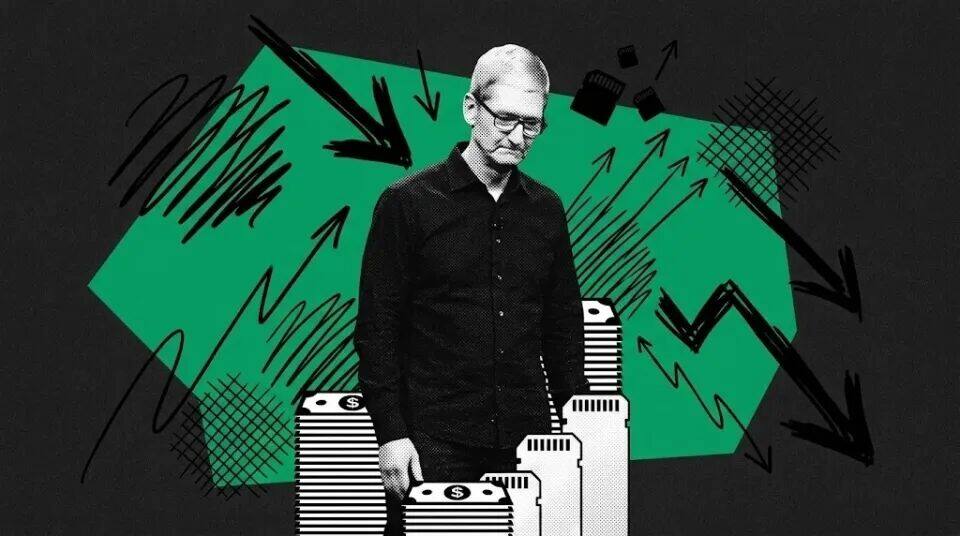
The article analyzes the shifting profit dynamics and power balance between Apple and memory suppliers like Micron within the iPhone supply chain. It highlights a social media post criticizing Apple for raising iPhone prices while blaming memory chip cost increases, despite historically paying suppliers like Micron very little. An estimated iPhone 18 cost breakdown is referenced. Historically, memory was a minor cost component. In 2017's iPhone X, memory accounted for only about 1.6-2.3% of the price, with Apple capturing nearly 50% net profit. Over time, memory's share of the Bill-of-Materials (BOM) cost has grown significantly, reaching an estimated 12-15% for the iPhone 17 series. The core driver of this change is soaring demand for memory from the AI industry, particularly for High Bandwidth Memory (HBM) and AI servers, which is diverting production capacity and squeezing supply for consumer electronics. Memory manufacturers, after enduring periods of low profits, now hold greater pricing power. This is reflected in their recent strong financials, like Micron's 84.6% gross margin. Apple CEO Tim Cook initially described the memory price pressure as unprecedented in his 40-year career, later calling it a "once-in-a-century flood," before Apple announced price hikes across several product lines, causing a significant stock drop. Elon Musk echoed Cook's sentiment about the dramatic cost surge. The article concludes that the era of memory suppliers being at the mercy of Apple's pricing power has temporarily reversed, thanks to AI-driven demand. It notes Apple is reportedly seeking to diversify its supply chain, including exploring chips from China's CXMT.

Odaily星球日报Há 5m

Apple and the Power Rebalancing with 'The Microns': Dissecting the Profit Ledger Behind the iPhone

Odaily星球日报Há 5m

Conversation with the Founder of 42 Macro: The Fed's 'Boiling the Frog Slowly' and the K-Shaped Economy

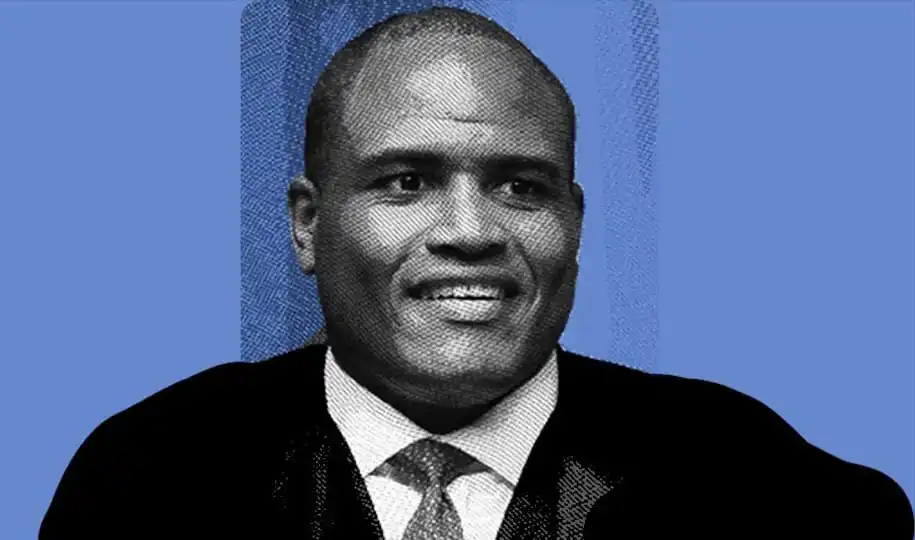
In a conversation with Anthony Pompliano, Darius Dale, founder of 42 Macro, discusses the Federal Reserve's monetary policy and the K-shaped U.S. economy. Dale characterizes new Fed Chair Kevin Warsh as a "dove in hawk's clothing," expecting the Fed to signal or enact policy tightening in the coming quarters to create room for later easing. He argues current economic signals, including high deficit spending, debt monetization, and credit growth, strongly indicate inflation is not on a credible path back to 2%, forcing the Fed to act. The discussion highlights the stark "K-shaped" economic reality. While top earners, buoyed by massive cash savings (up ~$8 trillion since pre-pandemic), continue robust spending, those at the bottom face severe financial strain, with delinquency rates on consumer loans reaching crisis-era highs. Dale attributes much of the current social and political anxiety to this divergence, driven by the "Cantillon effects" of monetary expansion, which disproportionately benefits asset owners. He emphasizes that in this environment of "financial repression," individuals must participate in asset markets to avoid being left behind. On equities, Dale notes a rotation from the "Magnificent Seven" tech giants into broader AI-exposed companies, while warning that the tech giants' massive capital expenditure cycles could eventually puncture over-optimistic cash flow projections. Dale concludes by stressing that the core desire across all economic strata is simply the dignity to provide for one's family, a goal currently undermined by systemic policies that act as a "wealth siphon" from the bottom to the top.

marsbitHá 34m

Conversation with the Founder of 42 Macro: The Fed's 'Boiling the Frog Slowly' and the K-Shaped Economy

marsbitHá 34m

The Domestic Answer to Space Computing Power: Photonics Are More Efficient, Musk and Huang's Approaches Are Too Roundabout

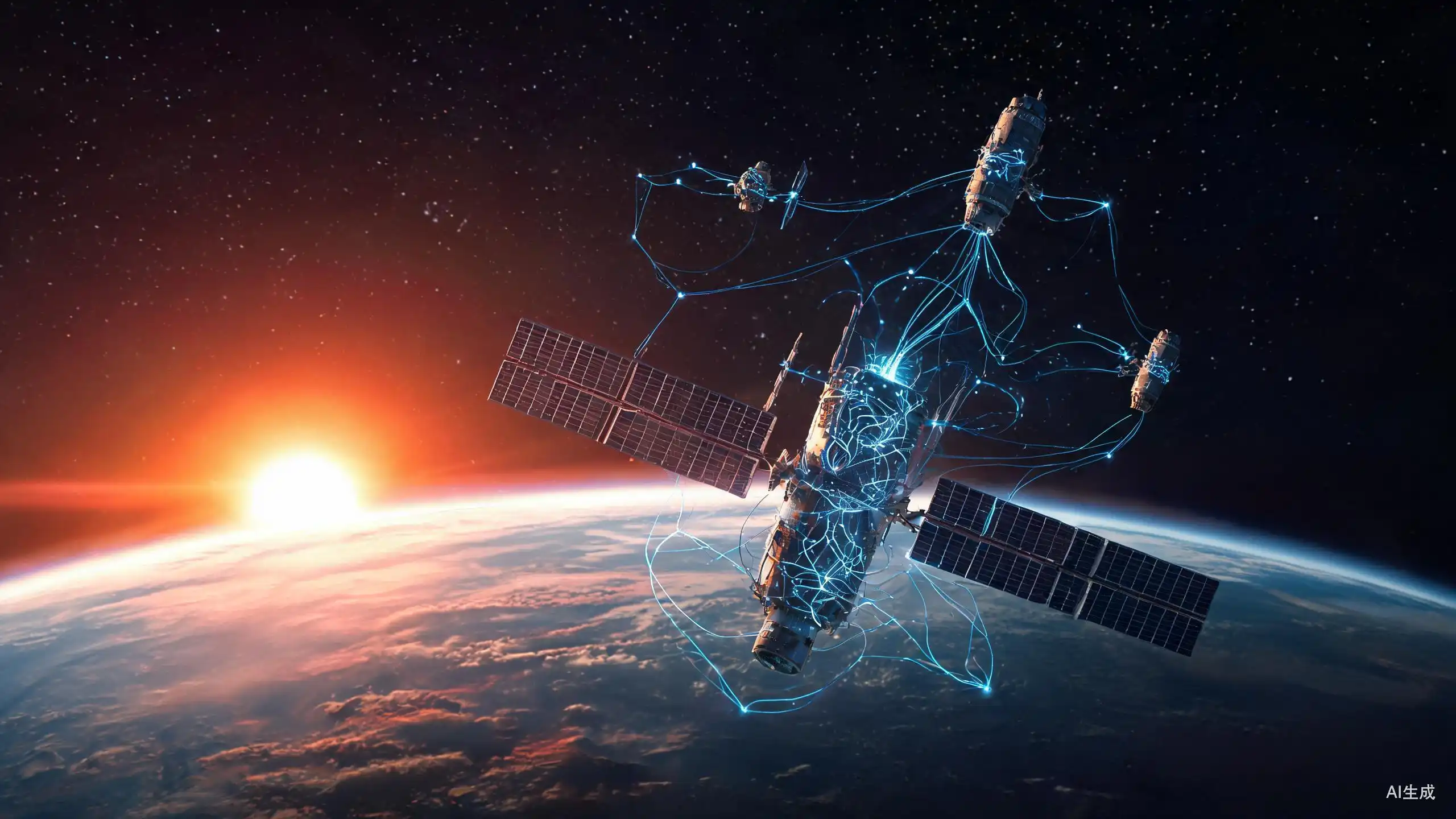
The Space Computing Race: A Photonic Advantage The competition for space-based computing has intensified, with figures like Elon Musk and NVIDIA's Jensen Huang highlighting its potential. Musk predicts solar-powered AI satellites could offer the most cost-effective computing by 2032. However, space presents extreme challenges for traditional electronic chips: radiation from cosmic particles can cause errors, the vacuum environment hinders heat dissipation, and limited solar power constrains energy-hungry systems. Photonic computing, using light instead of electrons, offers a promising solution. Its core advantages for space are threefold: 1) **Radiation Resistance**: Photons are charge-neutral, making them inherently immune to particle interference. 2) **Low Heat Generation**: Light propagation in waveguides generates minimal heat, bypassing critical thermal management issues. 3) **Low Power Consumption**: Photonic chips have near-zero static power draw, aligning perfectly with the energy constraints of satellites. Furthermore, for a given payload weight and volume, photonic systems can potentially deliver higher total compute density. Since they require less bulky cooling and power infrastructure, more space can be allocated to the compute units themselves. While photonic computing holds great promise, current industry approaches face hurdles like the memory-compute bottleneck (separate storage and processing) and challenges in large-scale integration. Engineering for space—withstanding launch vibrations and validating full system operation in orbit—remains a critical step. The path forward resembles the evolution from single GPUs to computing clusters, but via a photonic route. As electronic chips approach physical limits in miniaturization, photonic computing and optical interconnects (光算光联) may provide a key alternative to bypass these constraints and define the next generation of space-based computing capabilities.

marsbitHá 1h

The Domestic Answer to Space Computing Power: Photonics Are More Efficient, Musk and Huang's Approaches Are Too Roundabout

marsbitHá 1h

Trading

Spot

Artigos em Destaque

Como comprar MOVE

Bem-vindo à HTX.com!Tornámos a compra de Movement (MOVE) simples e conveniente.Segue o nosso guia passo a passo para iniciar a tua jornada no mundo das criptos.Passo 1: cria a tua conta HTXUtiliza o teu e-mail ou número de telefone para te inscreveres numa conta gratuita na HTX.Desfruta de um processo de inscrição sem complicações e desbloqueia todas as funcionalidades.Obter a minha contaPasso 2: vai para Comprar Cripto e escolhe o teu método de pagamentoCartão de crédito/débito: usa o teu visa ou mastercard para comprar Movement (MOVE) instantaneamente.Saldo: usa os fundos da tua conta HTX para transacionar sem problemas.Terceiros: adicionamos métodos de pagamento populares, como Google Pay e Apple Pay, para aumentar a conveniência.P2P: transaciona diretamente com outros utilizadores na HTX.Mercado de balcão (OTC): oferecemos serviços personalizados e taxas de câmbio competitivas para os traders.Passo 3: armazena teu Movement (MOVE)Depois de comprar o teu Movement (MOVE), armazena-o na tua conta HTX.Alternativamente, podes enviá-lo para outro lugar através de transferência blockchain ou usá-lo para transacionar outras criptomoedas.Passo 4: transaciona Movement (MOVE)Transaciona facilmente Movement (MOVE) no mercado à vista da HTX.Acede simplesmente à tua conta, seleciona o teu par de trading, executa as tuas transações e monitoriza em tempo real.Oferecemos uma experiência de fácil utilização tanto para principiantes como para traders experientes.

320 Visualizações TotaisPublicado em {updateTime}Atualizado em 2026.06.02

Como comprar MOVE

Discussões

Bem-vindo à Comunidade HTX. Aqui, pode manter-se informado sobre os mais recentes desenvolvimentos da plataforma e obter acesso a análises profissionais de mercado. As opiniões dos utilizadores sobre o preço de MOVE (MOVE) são apresentadas abaixo.

活动图片