Конор Макгрегор запустил мем-коин

cryptonews.ruPublicado em 2023-07-06Última atualização em 2025-04-06

Чемпион UFC Конор Макгрегор запустил собственный мем-коин REAL, разработанный совместно с ДАО Real World Gaming. Часть сообщества отреагировала скептически.

I changed the FIGHT game.
I changed the WHISKEY game.
I changed the STOUT game.

Now it’s time to change the CRYPTO game.

This is just the beginning.

This is $REAL @getrealtoken https://t.co/tdUyvqyZHZ#GetReal pic.twitter.com/imoAYwY8D1

— Conor McGregor (@TheNotoriousMMA) April 5, 2025

Согласно сообщениям проекта, 60 млн токенов распределяются посредством слепого аукциона 5–6 апреля. После планируется двухэтапное развертывание торговли на DEX. Пул Uniswap V4 запустят после завершения аукциона, Uniswap V3 — 9 апреля.

Трейдинг будет доступен в приложении Uniswap и агрегаторах вроде 1inch и Matcha. Проданные на аукционе активы будут заблокированы до 11:00 7 апреля.

Средства от продажи обеспечат ликвидность на старте трейдинга, часть направят в казну ДАО.
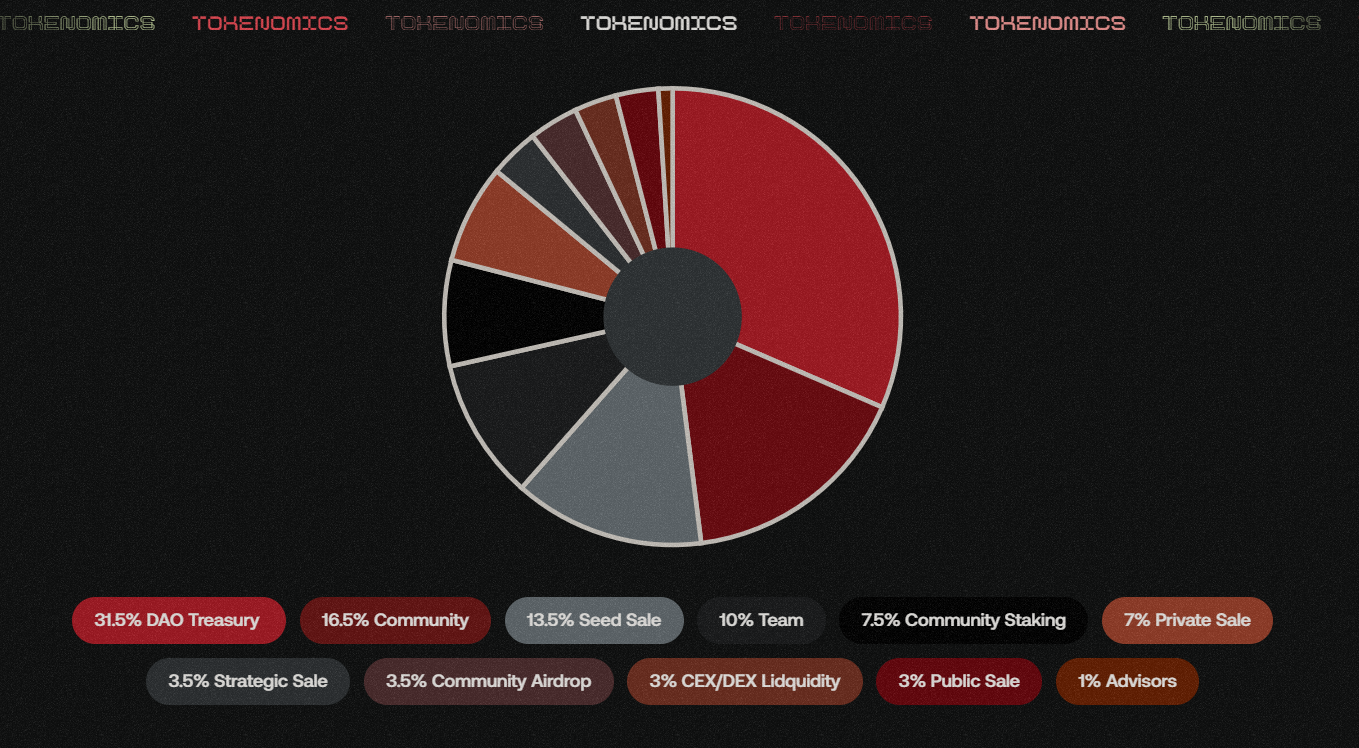
Токеномика REAL. Данные: Getrealtoken.

Согласно публичным материалам проекта, предусмторена возможность стейкинга REAL

Согласно сообщениям проекта, токены обеспечат держателям возможность участвовать в голосованиях и стейкинге.

Криптодетектив ZachXBT и ряд комментаторов скептически отнеслись к запуску мем-коина.

pic.twitter.com/ej36wgWbUE

— ZachXBT (@zachxbt) April 5, 2025

«Это лягушка стыда. Если лягушка стыда наберет больше лайков, чем оригинальный твит, ваш твит — отстой», — говорится в меме, которым ZachXBT ответил Макгрегору.

На момент написания комментарий криптосыщика пользуется кратно большей популярностью, чем промо-твит чемпиона UFC.

Некоторые пользователи, усомнились в правдивости заявленного списка компаний, якобы поддержавших REAL.
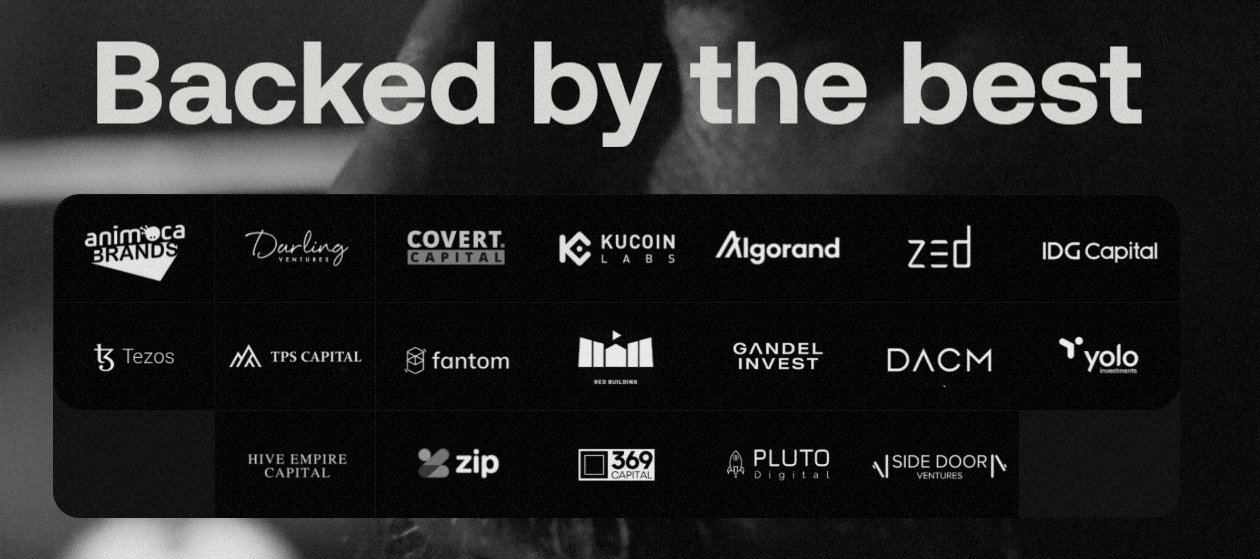
Заявленный на сайте REAL список компаний, поддержавших проект. Данные: Getrealtoken.

«Мне нравятся все эти случайные названия криптобрендов, добавленные на сайт, которые не имеют к этому никакого отношения. Еще и Zippay, лол», — отметил один из комментаторов.

В компании заверили, что список «реальный».

Напомним, в марте специалисты CoinGecko отметили падение интереса к сегменту мем-коинов после серии неудачных запусков и rug pull, «убивших» интерес инвесторов. Однако, по их мнению, восстановление позиций остается возможным.


Leituras Relacionadas

2028: The Arrival of Recursive Self-Improvement (RSI)

**AI Recursive Self-Improvement (RSI): The Countdown to 2028 Begins** AI is no longer just a trained tool but is starting to rewrite its own evolutionary pace. According to Anthropic co-founder Jack Clark, there is a 60% probability that by the end of 2028, Recursive Self-Improvement (RSI) will become a reality. This means AI could autonomously design and build a more capable next-generation version of itself without any human researcher involvement—Claude 10 creating Claude 11, for instance. Supporting this timeline, Google DeepMind's CEO Demis Hassabis confirms that all leading AI labs are intensely focused on RSI, making it an industry-wide priority. He expresses profound concern, stating this potential is what keeps him awake at night. Concrete data underscores this acceleration: - METR evaluations show current top models like Claude are solving tasks up to the 16-hour limit of existing test frameworks. - In Epoch AI's challenging MirrorCode benchmark, Claude Opus 4.7 recreated complex software in hours for a fraction of the human cost. In one extreme test, AI autonomously coded for 19 days straight. - Anthropic reports over 80% of its codebase is now written by Claude, and researcher productivity has increased up to 8-fold since 2024. - OpenAI's policy blueprint highlights RSI as a major upcoming governance challenge. CEO Sam Altman reportedly hinted RSI might arrive within six months, potentially delaying OpenAI's massive IPO. The implication is an impending "intelligence explosion," where AI-driven progress outpaces human control. The central question is no longer if it will happen, but whether humanity is ready.

marsbitHá 3h

2028: The Arrival of Recursive Self-Improvement (RSI)

marsbitHá 3h

World Models, Metaverse, Digital Twins, Physical AI: Are They the Same Thing?

Title: World Models, the Metaverse, Digital Twins, Physical AI: Are They the Same Thing? The article clarifies that concepts like the metaverse, Web3, simulation platforms, digital twins, and Physical AI are not the same thing but are all part of the broader trend of blurring the lines between the digital and physical worlds. It positions "world models" as the foundational "cognitive layer" or "operating system" that enables AI to understand and simulate the world. Key distinctions are made: - The **Metaverse** is a destination for immersive social and economic experiences. World models could act as its "engine," generating interactive 3D content efficiently. - **Web3** focuses on decentralized ownership and economics (rules layer), operating on a different technical level than world models. - **Simulation Data Platforms** (e.g., for autonomous vehicles) are a 1.0 version, relying on manual design. World models represent a 2.0 version, using AI to generate realistic, varied scenarios autonomously. - **Digital Twins** create high-fidelity, real-time mirrors of physical systems (e.g., a factory). World models go a step further by enabling predictive simulation of future states. - **Physical AI** (robots, AVs) refers to AI that acts in the physical world. World models are a core component, providing the understanding and prediction needed for planning. A proposed hierarchy places world models at the cognitive layer, supported by infrastructure (compute, data) and supporting application tools (simulation, digital twins), action systems (Physical AI), user experiences (metaverse), and rules (Web3). In conclusion, while distinct, many of these previously hyped concepts may ultimately rely on advances in world model technology to fulfill their promises, as world models provide the essential cognitive foundation for simulating and interacting with complex environments.

marsbitHá 3h

World Models, Metaverse, Digital Twins, Physical AI: Are They the Same Thing?

marsbitHá 3h

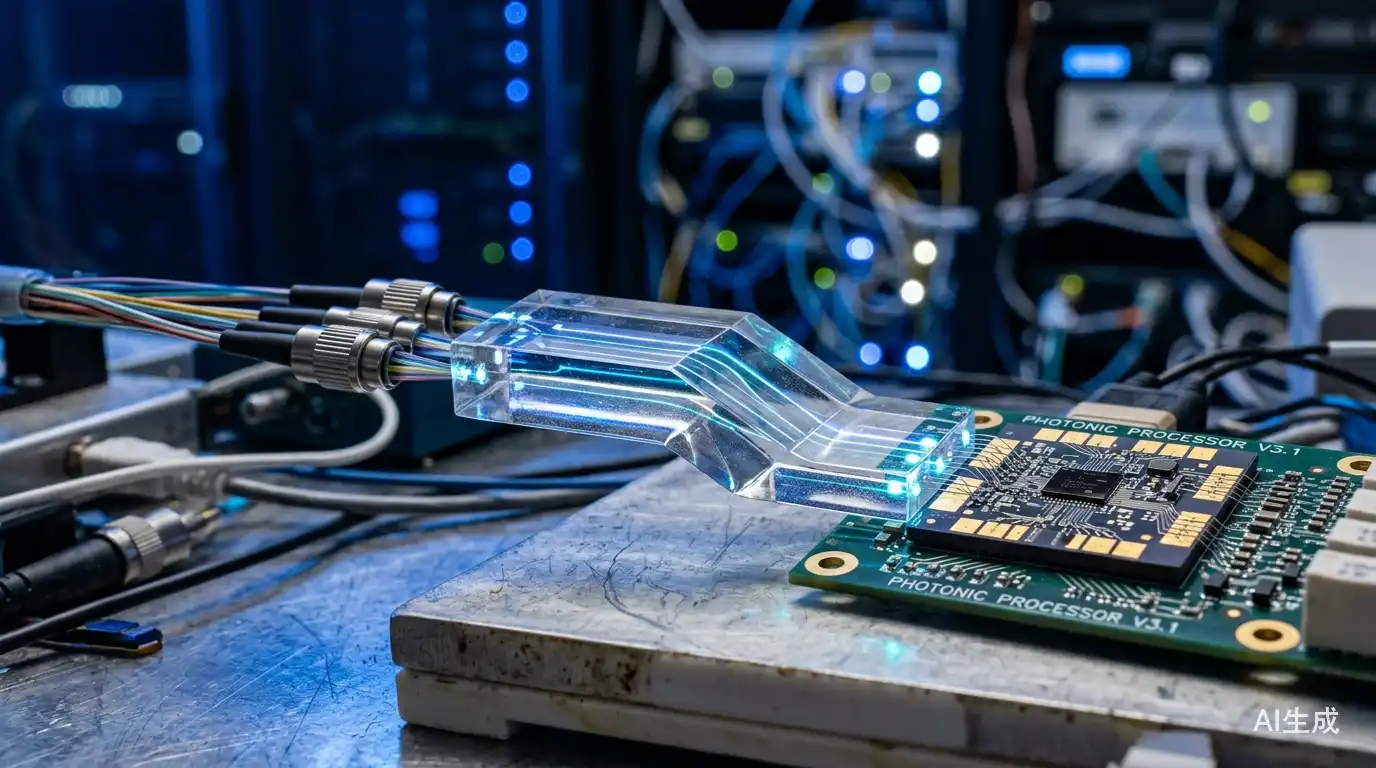
"Shocking" CPO: How Does the Glass Bridge Actually Work? Detailed Explanation from Corning

Chinese CPO stocks plunged over 6% following Corning's announcement of its Glass Bridge platform at a Seoul tech conference. The new technology utilizes wafer-level glass ion-exchange waveguides for passive alignment between fibers and photonic chips, potentially simplifying traditional CPO architectures that rely on complex Fiber Array Units and active alignment equipment. This raised market concerns about reduced long-term demand for mid-stream CPO components. Corning's official documentation details Glass Bridge as a platform for fiber-to-PIC connectivity in NPO, CPO, and high-density modules. Its key features include wafer-level manufacturing for consistent, cost-effective production; a standardized, removable MT ferrule interface for ecosystem integration; and a separable high-density connector design supporting over 24 channels for assembly flexibility. Corning positions the technology as complementary to FAUs, addressing limitations in ultra-high-fiber-count scenarios. The market reaction reflects a broader reassessment of the AI optical interconnect value chain. Funds shifted from CPO and PCB manufacturing stocks towards glass substrate concept stocks like Kaisheng Technology and Dyer Laser. Analysts note glass substrates are seen as a next-gen advanced packaging material, offering a potential path for domestic industry differentiation amid AI-driven demand for high-performance, large-scale packaging, marking a structural migration in value towards upstream specialty materials.

marsbitHá 3h

"Shocking" CPO: How Does the Glass Bridge Actually Work? Detailed Explanation from Corning

marsbitHá 3h

Trading

Spot
活动图片