观点:加密叙事已进入「后性能时代 」,过度优化基建性能没有意义

Odaily星球日报Publicado em 2025-03-13Última atualização em 2025-03-13

Resumo

差异化必须来自其他方面:独特的功能和体验。

原文作者:Cem | Sovereign

原文编译:深潮 TechFlow

最近,加密推特上的主要讨论集中在提高通用环境的性能上。

Base 正在通过利用 Reth 和以太坊的 blob 升级,实现「Gigagas」目标。

Solana 则正通过 Firedancer 和其基于 C 语言的网络堆栈的惊人优化,不断接近达到 100 万 TPS(每秒交易数)的愿景。

MegaEth 则在高度优化的排序器帮助下完全取消了 gas 限制。

作为一名加密爱好者,我没什么好抱怨的。 DeFi 夏季和 2021 年牛市中,我曾向以太坊主网支付了巨额费用,而现在我可以在 Solana 上享受低成本的交易。而且未来,我也将在所有这些平台上享受更便宜、更快速的交易。

然而自 2017 年左右首次进入这个行业以来,我一直痴迷于让加密技术成为主流,最近一个问题一直萦绕在我脑海中:

我们正在迅速逼近过度优化的临界点。

到 2025 年底,区块空间将变得充裕,性能将成为一种商品。一旦近乎即时且免费的交易成为常态,单纯的速度将不再是脱颖而出的关键。作为开发者,我们就需要转变思路。

后性能时代

我们称之为「后性能时代」,因为性能之争已经大获全胜。大多数平台现在都可以实现快速且廉价的交易,因此差异化必须来自其他方面:独特的功能和体验。

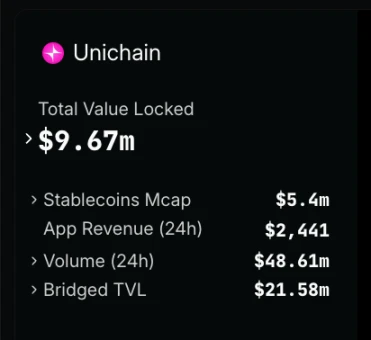
这就是全栈定制化的用武之地。现在是 2025 年,交易既便宜又快速,但大多数应用的外观和感觉仍然相同。同时。推出另一个以太坊虚拟机 (EVM )衍生的市场溢价已经消失。只需看看 Unichain,它并没有能吸引到广泛关注或流动性:
观点:加密叙事已进入「后性能时代 」,过度优化基建性能没有意义

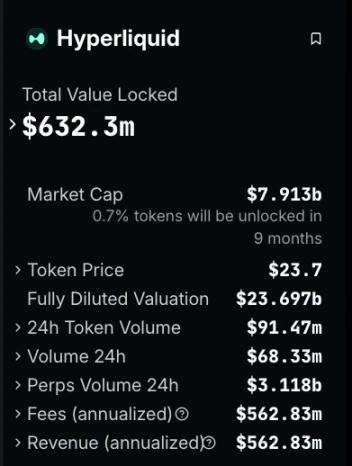
与此同时,这一轮的赢家——Hyperliquid——采取了大胆的策略。它从头开始构建了整个堆栈,针对特定用例进行了优化。在它引入的众多有趣定制中,有两点尤为突出:

优先取消和仅限挂单

通过在区块内按类型强制执行交易顺序,Hyperliquid 保护了过时订单不被高频交易者轻易抢走。这减少了有害订单流,使做市更容易,从而为所有交易者增加了流动性。

基于金库的复制交易

Hyperliquid 金库让任何人都可以自动复制金库构建者的交易。由于金库逻辑作为区块创建的一部分运行,因此不需要外部维护者。Hyperliquidity 金库运行做市策略,使任何人都可以提供流动性并分享由此产生的盈亏。

将这些独特功能与高性能、低延迟和无缝的用户体验相结合,就不难理解为什么 Hyperliquid 成为衍生品 DEX 的首选。

结果不言自明:
观点:加密叙事已进入「后性能时代 」,过度优化基建性能没有意义

真正的瓶颈:虚拟机

大多数应用缺乏差异化的一个主要原因是虚拟机(VMs)。我们的许多工具都围绕着虚拟机(或是以太坊和 Solana 客户端的衍生版本)构建,这些工具在某种程度上阻碍了定制化的发展。

近年来,业界甚至出现了一种趋势,即推动所有 Rollup 实现完全的 EVM 等效性(EVM-equivalent),从而使它们能够基于以太坊虚拟机(EVM)并原生运行。这对于我们这些技术极客来说确实很酷,但这是市场真正需要的吗?

我并不这么认为。事实上,你越能在那些真正影响客户的功能上实现差异化,就越有可能赢得市场。

互通性不是关键吗?

是的,即使是在专用区块链中,跨链通信也是关键。标准化和共享的流动性及消息传递工具仍然至关重要。

这就是为什么像 @hyperlane 这样的开源消息传递库和像 @RelayProtocol 这样的基于 intent 的桥接框架有望取得成功。但除了仍然可以在自定义链上集成这些互通性组件之外,开发者应该拥有完全定制其应用程序的自由。

响应市场需求

市场需要的是经过精细调整、专为特定目的构建的应用程序,并提供无缝的用户体验——而不仅仅是另一个普通的 EVM 衍生。因此,构建一些真正定制的、针对你的用例优化的东西。

只有这样,我们才能创造出真正将加密技术带入主流的应用程序。

Leituras Relacionadas

Li Fei-Fei's Latest Long-Form Article: When Video Generation, Robotics, and NVIDIA All Call Themselves World Models, We Need a Taxonomy

In a new article, Dr. Fei-Fei Li addresses the widespread and often inconsistent use of the term "world model" in AI. She proposes a clear, functional taxonomy rooted in the classic Partially Observable Markov Decision Process (POMDP) loop (agent → action → state → observation → agent). According to this framework, current systems called "world models" are different projections of this loop, categorized by their primary output: 1. **Renderers**: Output observations (pixels). Their goal is visual fidelity for human consumption (e.g., video generation models like Sora). They are the most commercially mature but are limited by a focus on appearance over physical accuracy. 2. **Simulators**: Output states (geometric, physical, dynamic representations). They provide a structurally accurate world for both human professionals (e.g., architects) and computational agents (e.g., robots for training). Li argues simulators are the crucial, underappreciated bridge, as they can underpin both rendering and planning. 3. **Planners**: Output actions. Given an observation and a goal, they decide what an agent should do next (e.g., robotic action models). This area is highly promising but remains the least mature for real-world deployment. Li highlights a key trend: the boundaries between these three categories are beginning to blur, as they all rely on a shared underlying understanding of geometry, physics, and dynamics. The logical endpoint is a unified world foundation model capable of switching between rendering, simulation, and planning based on downstream needs. This convergence, she concludes, is central to advancing spatial intelligence—enabling machines not just to talk about the world, but to truly understand, imagine, and interact with it.

marsbitHá 2h

Li Fei-Fei's Latest Long-Form Article: When Video Generation, Robotics, and NVIDIA All Call Themselves World Models, We Need a Taxonomy

marsbitHá 2h

Forbes Feature: Stablecoin Cross-Border Payments Are Faster, But Not Yet Cheaper

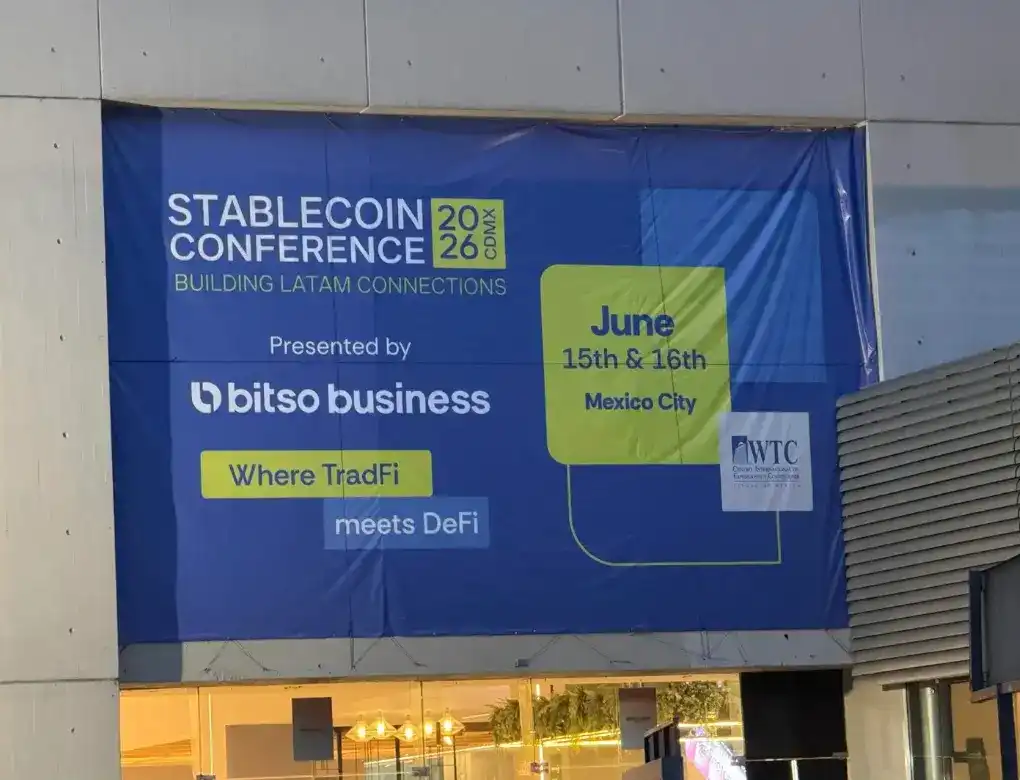
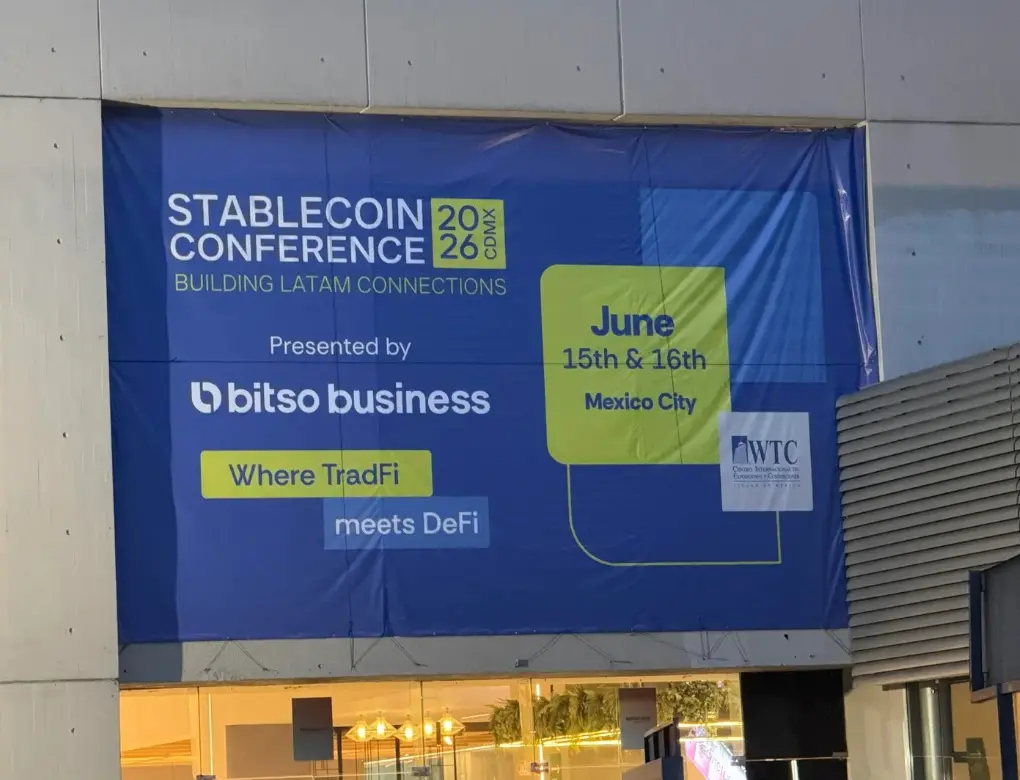
A Forbes feature delves into the state of stablecoin-based cross-border payments, noting rapid growth but a key shortfall: while faster and more accessible, they are not yet cheaper. At a recent industry conference in Mexico City, optimism about technology, regulation, and volume was tempered by discussions with practitioners. The core issue is liquidity. Traditional FX brokers charge 60-70 basis points, and stablecoins promise to slash this to 2-5 basis points. However, this theoretical cost advantage cannot be realized until deep liquidity pools are established at scale, requiring significant institutional capital inflow. A major adoption barrier is trust. Businesses often rely on long-standing relationships with traditional brokers, valuing reliability over marginal cost savings. This shift will be gradual. Furthermore, successful companies in the space are not positioning themselves as replacements for legacy systems like SWIFT, but as complements. They leverage stablecoins for speed while using traditional rails for their standardization and reliability in ensuring accurate payment details—a critical factor for supplier payments to avoid customs issues. Companies like Caliza, experiencing high monthly growth, exemplify this hybrid approach. The industry anticipates consolidation, as long-term viability will depend on securing the essential trifecta: proper licensing, robust fiat on/off-ramps, and deep liquidity. Without these, firms risk being mere intermediaries rather than building sustainable businesses.

marsbitHá 2h

Forbes Feature: Stablecoin Cross-Border Payments Are Faster, But Not Yet Cheaper

marsbitHá 2h

Li Feifei's Latest Article: When Video Generation, Robotics, and NVIDIA All Claim to Have 'World Models,' We Need a Taxonomy

"World Model" has become a widely used yet ambiguous term in AI. Drawing from the classic POMDP framework (agent → action → state → observation), this article proposes a functional taxonomy to clarify the concept. It identifies three distinct types, categorized by their output in the perception-action loop: 1. **Renderers**: Output visual observations (pixels). These models, like advanced video generators, prioritize visual fidelity but often lack underlying physical accuracy. 2. **Simulators**: Output the state of the world (geometry, physics, dynamics). They provide a structurally accurate representation for professionals (e.g., architects) and serve as training environments for robots and AI agents. 3. **Planners**: Output actions. Given an observation and a goal, they determine what an agent should do next, closing the perception-action loop (e.g., vision-language-action models). While renderers are currently the most commercially mature and planners are the most aspirational, the article argues that **simulators are the crucial, underappreciated hub**. By working at the level of geometry and physics, a simulator can project upwards to create visuals for humans and downwards to predict action consequences for agents. The future lies in the convergence of these three functions. Emerging research and products, like World Labs' Marble model which outputs both visual splats and physical collision meshes, are beginning to blur these boundaries. The logical endpoint is a unified world foundation model capable of rendering, simulating, and planning based on a shared understanding of spatial and temporal structures—ultimately enabling machines to understand, imagine, and interact with the physical world.

链捕手Há 2h

Li Feifei's Latest Article: When Video Generation, Robotics, and NVIDIA All Claim to Have 'World Models,' We Need a Taxonomy

链捕手Há 2h

Trading

Spot
活动图片