仓鼠快打推出基于Ton的Layer2,HMSTR会有第二春吗?

MarsBitPublicado em 2025-02-25Última atualização em 2025-02-26

Resumo

可能,但与你无关。

仓鼠宇宙的魔幻开局:从「点击暴富」到「骂街退坑」


如果2024年的币圈有什么「现象级土狗」,Hamster Kombat(仓鼠快打)绝对能竞争奥斯卡。这个在Telegram上靠「狂点仓鼠」就能「暴富」的小游戏,一度让全球3亿玩家陷入癫狂——毕竟谁不想当个「仓鼠CEO」,躺着赚加密货币呢?


玩家每天的任务就是对着手机屏幕疯狂点击仓鼠,升级虚拟交易所,完成「每日任务」和「摩斯密码」(对,你没看错,这游戏甚至要你破译摩斯电码!)。官方承诺:点击越多,空投越多,未来代币HMSTR上市就能换法拉利!
Telegram


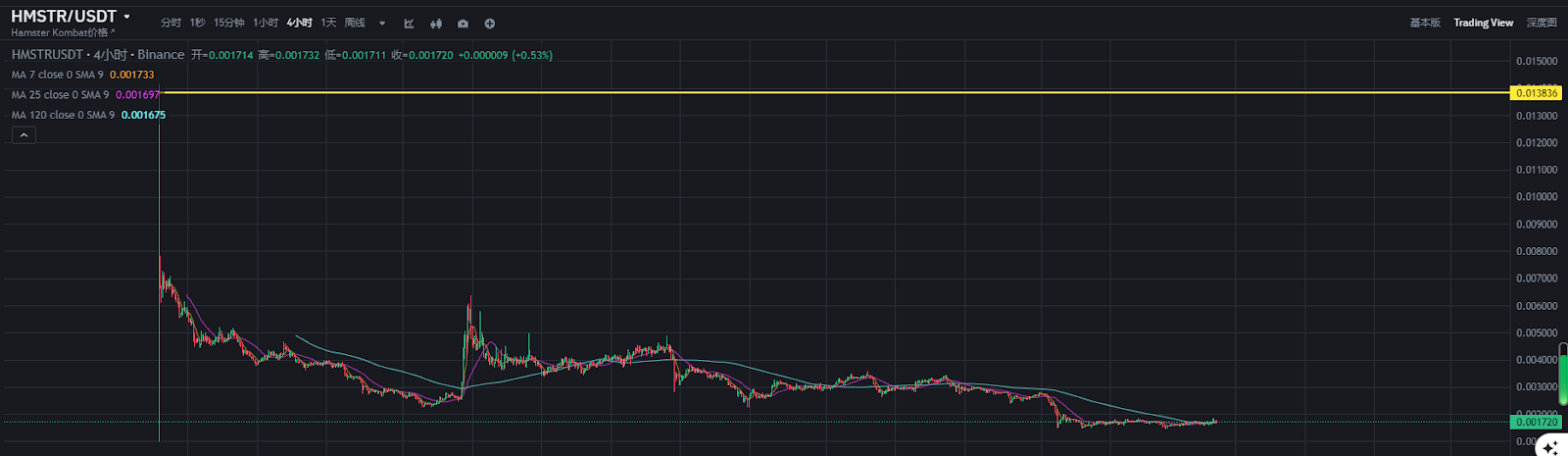
结果呢?9月空投当天,HMSTR价格直接表演高台跳水,从最高0.013一路下跌不回头,截至发稿报价0.0017,跌幅86%。无数玩家看着账户里「灰尘级」的空投份额,当场破防:「我点了三个月仓鼠,就为了买杯星巴克?!」
这就好比你去相亲,对方说「我有100套房」,结果见面发现是QQ农场里的「阳光牧场」。币圈魔幻,诚不我欺。


狗庄の野望:仓鼠宇宙的「二次革命」能救场吗?
面对玩家暴怒和币价扑街,项目方祭出了两招「续命大法」:
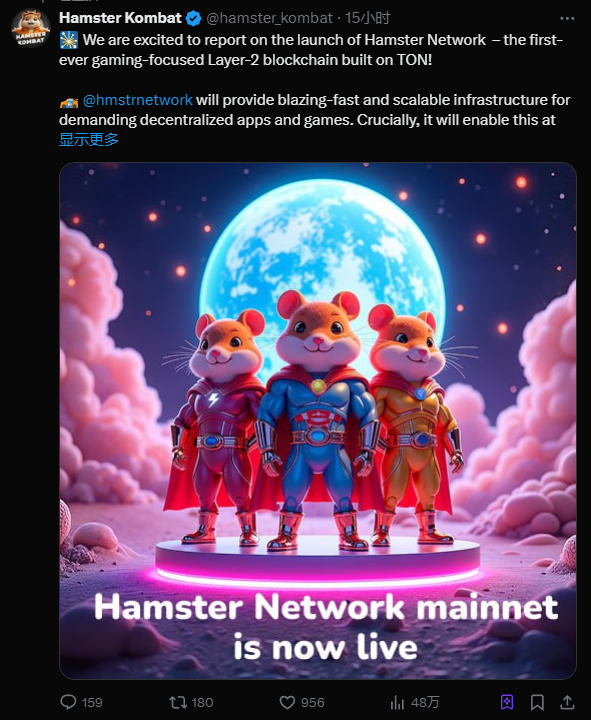
推出TON二层网络Hamster Network:号称「零Gas费」「闪电速度」,还要用「区块链测试游戏」Hamster Boost吸引用户;
Telegram


据称,新网络将为游戏和其他应用程序提供快速且可扩展的基础设施,并且“每笔交易的成本几乎可以忽略不计”。Hamster Network 与 TON 合作开发,旨在通过交互式小程序和游戏帮助 Telegram 近 10 亿用户进入加密世界。
公告指出:“Hamster Network 由 TON 虚拟机提供支持,其智能合约与 TON 完全兼容,使开发人员可以无缝移植他们的 dapps”,并补充说来自第 2 层的交易证明会发回 TON。
该网络推出时配备了包括钱包、资产转移桥和专用去中心化交易所(DEX)在内的基础设施。Hamster Kombat 的创建者表示,已有多名开发人员在为该平台开发应用程序,但未透露具体细节。
Hamster Network 邀请用户参与 Hamster Boost,这是一款旨在通过区块链测试任务来给网络施加压力的游戏。参与者可以获得“贡献的赏金和奖励”,帮助在采用率提高之前发现潜在问题。


2月18日宣布上线第二季「GameDev Heroes」:从「点仓鼠」升级到「经营游戏工作室」,试图用「元宇宙」概念包装新故事。


Telegram


这款游戏在预告片里看起来挺有意思,原本的点击赚钱模式被替换成了游戏开发模拟,玩家可以招募程序员和艺术家,自己制作游戏,然后顺便赚点金币。听上去是不是很香?其实没那么简单。
首先,得说,这款游戏的核心玩法和气氛完全没有意外,还是那种数字上升、金币刷刷涨的感觉。确实符合原版的炒作套路,也能理解为啥那么多模仿者也在跟风。可是这次的“焕然一新”真的…有点“新”过头了。
这就挺奇怪的,开发游戏的过程,感觉跟做门面装饰一样,甚至比最初那个“仓鼠经营加密货币交易所”的设定还要牵强。就像是把一个简单的概念强行塞进了一个游戏框架里,啥都没有,只有形式,啥都不实际。
而且游戏里的员工名字,你得看下——Yizz Crunchy和Booby Hubble(没错,是真的)——这些名字真的是别具一格,但也让人有点不知所措。更别提其中的拼写错误和那种看起来像人工智能搞出来的抽象艺术,真是让人头疼。


二次画饼,仓鼠的狗庄是要干嘛?
表面看,这是要打造「仓鼠宇宙」,让HMSTR从土狗变凤凰。但仔细一想,这套路怎么似曾相识?
二层网络画饼:几乎所有公链都在吹「Layer2拯救世界」,但现实是:Layer2越多,Gas费越贵,用户越懵。Hamster Network的「零成本」承诺,大概率是「开局免费,后期收割」的经典剧本。


第二季换皮游戏:从「点仓鼠」变成「开游戏公司」,本质还是「点击挖矿」的变种。参考,第一季的「每日任务」已经让玩家累成社畜,第二季的「经营模拟」只会更卷。
这就好比健身房倒闭前疯狂推销「终身会员卡」,嘴上说「升级器材」,实际是跑路前最后一波割韭菜。


HMSTR还能涨?狗庄的「拉盘逻辑」与韭菜的「斯德哥尔摩症」
尽管币价惨淡,但HMSTR最近一周反弹17%,让人不禁怀疑:庄家是不是又要搞事?
从数据看,HMSTR的「狗庄优势」依然存在:
筹码高度集中:60%代币空投给玩家,但大部分「灰尘份额」早被抛售,真正的大户是团队和早期撸毛党;
市值管理空间:HMSTR当前流通市值仅1.1亿美元(按0.0017美元计算),而TON生态龙头NOT市值2.68亿。庄家只需少量资金就能拉盘,制造「第二春」假象;
社区信仰残留:3亿玩家的沉没成本太深,哪怕被割也会自我安慰:「万一这次真起飞呢?」。
但问题是,拉盘需要「故事」。目前HMSTR的「新故事」有两个:
TON生态赋能:蹭TON的热度,吸引Telegram用户入场;
Layer2生态想象:如果Hamster Network真能吸引开发者,HMSTR可能成为「生态Gas币」。


魔幻终章:HMSTR会有第二春吗?
答案是:可能,但与你无关。
短期:庄家可能借「TON生态」和「第二季上线」拉盘,制造「暴力反弹」假象;
长期:除非Hamster Network真能成为「Telegram生态入口」,否则HMSTR终将沦为土狗坟场。

Telegram


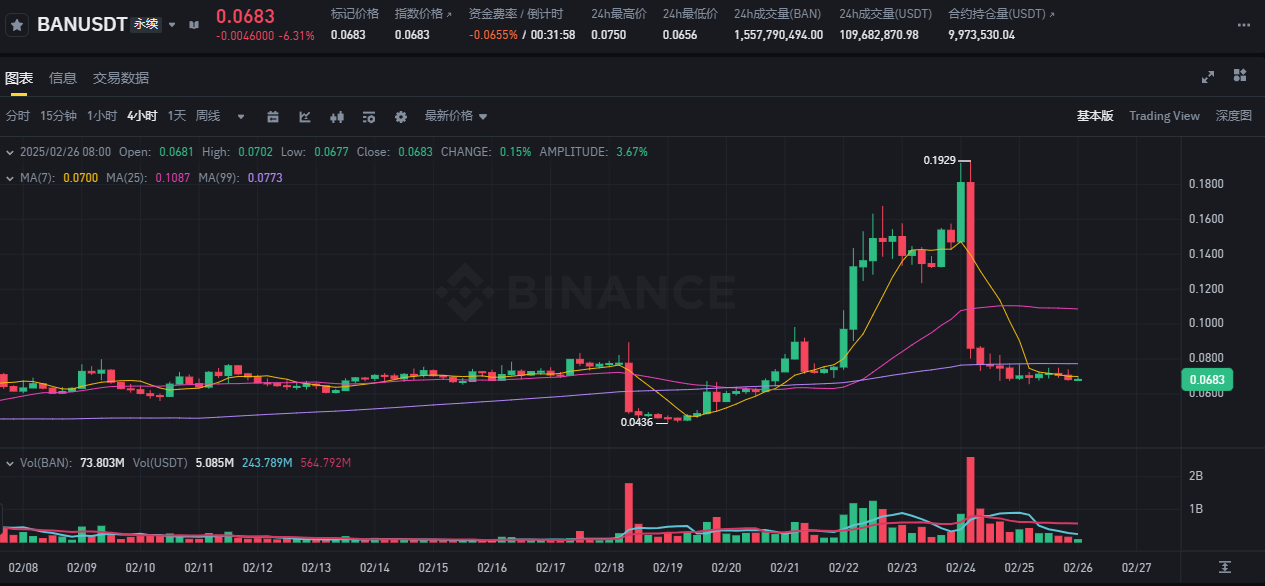
但问题是,你能否在庄家砸盘前逃顶? 参考最近币安合约一大热点BAN,拉盘持续两周之久,腰斩只需要几个小时,99%的韭菜只会成为「击鼓传花」的最后一棒。
如果你真想赌,请把本金控制在「丢了不心疼」的范围,并且见好就收。毕竟,币圈没有奇迹,只有奇迹的炮灰。
Leituras Relacionadas

Q-Day Countdown: Will Quantum Computing End Cryptocurrencies?

Quantum Computing's Threat to Cryptocurrency: A Countdown to Q-Day Quantum computing, specifically Shor's algorithm, poses a fundamental threat to the public-key cryptography (e.g., ECDSA, RSA) that secures blockchain networks like Bitcoin and Ethereum. This critical juncture, known as Q-Day, is estimated to occur potentially within the next 5-15 years. The core vulnerability stems from the public and immutable nature of blockchains. Assets in addresses where the public key is already exposed on-chain (e.g., spent outputs) are at direct risk, as a sufficiently powerful quantum computer could derive the private key. This threatens the very trust model of cryptocurrencies. The response lies in Post-Quantum Cryptography (PQC)—algorithms like lattice-based ML-DSA and hash-based SLH-DSA, which are resistant to quantum attacks. NIST has standardized key PQC algorithms (FIPS 203, 204, 205), providing a migration path. However, the primary challenge is not technical but socio-economic and involves complex governance: * **Bitcoin's** path is constrained by its conservative ethos. Migrating requires a soft-fork to new address types, facing hurdles like significantly larger signature sizes and, most critically, the divisive governance question of how to handle at-risk legacy UTXOs without violating core principles. * **Ethereum** is pursuing a "cryptographic agility" strategy, with a multi-layered roadmap. It leverages account abstraction for user accounts and is developing compressed hash-based signatures (e.g., leanXMSS) for its consensus layer, aiming for a full-stack upgrade over time. In conclusion, quantum computing does not spell an instant end for cryptocurrency but initiates a critical countdown. The industry has a limited "engineering comfort window" to orchestrate a coordinated, ecosystem-wide migration to PQC. The ultimate bottlenecks are the immense coordination efforts and governance decisions required for this foundational transition.

marsbitHá 15m

Q-Day Countdown: Will Quantum Computing End Cryptocurrencies?

marsbitHá 15m

Trump, the President Who Knows Best How to 'Trade Stocks'

Former US President Donald Trump reported a record-breaking $2.2 billion in personal income for 2025, the highest annual income ever disclosed by a sitting president. This figure, from a 927-page government ethics filing, represented a 3.5-fold increase from his $600 million income in 2024 and boosted his net worth to $6.5 billion. The primary drivers were cryptocurrency (64% of income, approximately $1.4 billion) and real estate (26%, approximately $575 million). His crypto earnings stemmed largely from the launch of his personal meme coin, $TRUMP, generating over $600 million in licensing fees, and substantial profits from the WLFI token and its parent company. Despite a sluggish property market, his Mar-a-Lago resort and associated golf clubs saw revenue surges of 50% and 27%, respectively, attributed to their use as venues for presidential events. Trump's financial disclosure also revealed an unprecedented level of stock market activity, with over 22,000 trades executed in 2025, averaging 87 trades per market day. Media analyses noted several instances where significant trading coincided with major policy announcements, such as proposed tariffs, raising questions about potential conflicts of interest. While the White House stated these trades were handled by a family-managed trust fund and not Trump directly, critics highlighted this as a departure from the blind trusts traditionally used by presidents post-Watergate. The report has intensified debate over the commercialization of the presidency. Supporters view it as a success story of a businessman-president, while critics argue it demonstrates an unprecedented conversion of public influence into private wealth, with policy decisions potentially linked to personal financial gains. The controversy centers on whether Trump's earnings represent innovative entrepreneurship or a fundamental conflict of interest, sparking renewed calls for stricter ethics reforms in US governance.

marsbitHá 25m

Trump, the President Who Knows Best How to 'Trade Stocks'

marsbitHá 25m

Countdown to Q-Day: Will Quantum Computing End Cryptocurrencies?

The article explores the existential threat quantum computing poses to cryptocurrencies and the urgent need for "post-quantum" migration. It outlines that quantum computers, through Shor's algorithm, could break the elliptic-curve cryptography (ECC) underlying blockchain security, potentially allowing private keys to be derived from public keys. The core challenge is not a lack of post-quantum cryptography (PQC) standards—like NIST's ML-KEM and ML-DSA—but the immense complexity of upgrading entire ecosystems before "Q-Day" (when quantum computers become capable of such attacks, estimated around 2035-2045). Key points include: * **Bitcoin's** risk is concentrated in legacy UTXOs with exposed public keys (e.g., early P2PK outputs). Migration faces massive hurdles: PQC signatures are much larger, increasing transaction size and cost, and the governance dilemma of handling un-migrated assets threatens its "code is law" ethos. * **Ethereum's** strategy focuses on "cryptographic agility," using Account Abstraction for user accounts and developing compressed hash-based signatures (like leanXMSS with SNARK aggregation) for consensus. Its migration is a complex, full-stack overhaul of execution, consensus, and data layers. * The "security debt" is enormous. The comfortable engineering window for a coordinated, ecosystem-wide upgrade is only 5-8 years. High-value infrastructure (exchanges, bridges) may face pressure before mainnet protocols. In conclusion, quantum computing is not an instant "doomsday" event but a forcing function for systemic change. Bitcoin's ultimate test is social consensus and property rights governance, while Ethereum's is technical complexity. Failure to migrate in time could lead to a fundamental re-pricing of crypto assets.

链捕手Há 28m

Countdown to Q-Day: Will Quantum Computing End Cryptocurrencies?

链捕手Há 28m

Losing $55 Million to Sell Bitcoin, MicroStrategy's Faith Reaches Its Interest Payment Day

On July 6th, Michael Saylor's MicroStrategy announced the sale of 3,588 BTC for approximately $216 million, incurring a realized loss of around $55.45 million compared to its average cost basis. This move, contradicting Saylor's long-standing "never sell" Bitcoin philosophy, was executed to pay dividends on its digital credit securities. The article traces this shift from a small "desensitization test" sale of 32 BTC in late May to the board's authorization on June 30th to sell up to $1.25 billion in Bitcoin for corporate purposes like dividends and buybacks. Analysis reveals that MicroStrategy's previous growth "flywheel"—using stock premiums to fund more Bitcoin purchases—has stalled. With its stock trading near a critical threshold (1.22x its Bitcoin NAV), issuing new shares would dilute value. Simultaneously, its financing channels (preferred stock, common stock ATM, convertible notes) are constrained while facing rigid annual dividend/interest obligations of roughly $1.76 billion. Consequently, selling Bitcoin became the calculated "optimal solution" under its own financial model. This transforms MicroStrategy from crypto's most prominent steady buyer into a predictable seller, creating a potential overhead of ~2,400 BTC in monthly selling pressure if obligations are fully covered by sales. This shift challenges the valuation models of the entire Digital Asset Treasury (DAT) sector that emulated MicroStrategy. The company's path forward now hinges on Bitcoin's price recovery, which would allow its preferred stock to trade at par and reopen its financing flywheel, creating a cyclical dependency between the firm's financial model and the asset it holds.

链捕手Há 57m

Losing $55 Million to Sell Bitcoin, MicroStrategy's Faith Reaches Its Interest Payment Day

链捕手Há 57m

Trading

Spot
活动图片