本周精选空投项目:Nexus挖矿、Unichain主网、Soneium新Galxe任务

Odaily星球日报Publicado em 2025-02-19Última atualização em 2025-02-19

Resumo

行情冷淡,日常交互,等待丰收。

原创 | Odaily星球日报(@OdailyChina
作者 | Asher(@Asher_ 0210 

本周精选交互项目:Nexus挖矿、Unichain主网、Soneium新Galxe任务


Nexus:并行化的证明挖矿网络


参与理由

本周精选交互项目:Nexus挖矿、Unichain主网、Soneium新Galxe任务


Nexus Network 是一个并行化的证明挖矿网络,其中 Nexus zkVM 是一个模块化、可扩展、开源、高度并行化、验证器优化、对贡献者友好、用 Rust 编写的 zkVM,重点关注性能和安全性。


根据 ROOTDATA 数据显示,Nexus 目前已完成两轮融资,总金额为 2720 万美元,其中:

  • 2022 年 10 月,Nexus 宣布完成 220 万美元种子轮融资,Dragonfly 领投,Alliance DAO、SV Angel、Blockchain Builders Fund 等参投;
  • 2024 年 6 月 11 日,Nexus 宣布完成 2500 万美元 A 轮融资,Lightspeed 和 Pantera 共同领投,Dragonfly、Faction 和 Blockchain Builders Fund 等参投。

交互教程


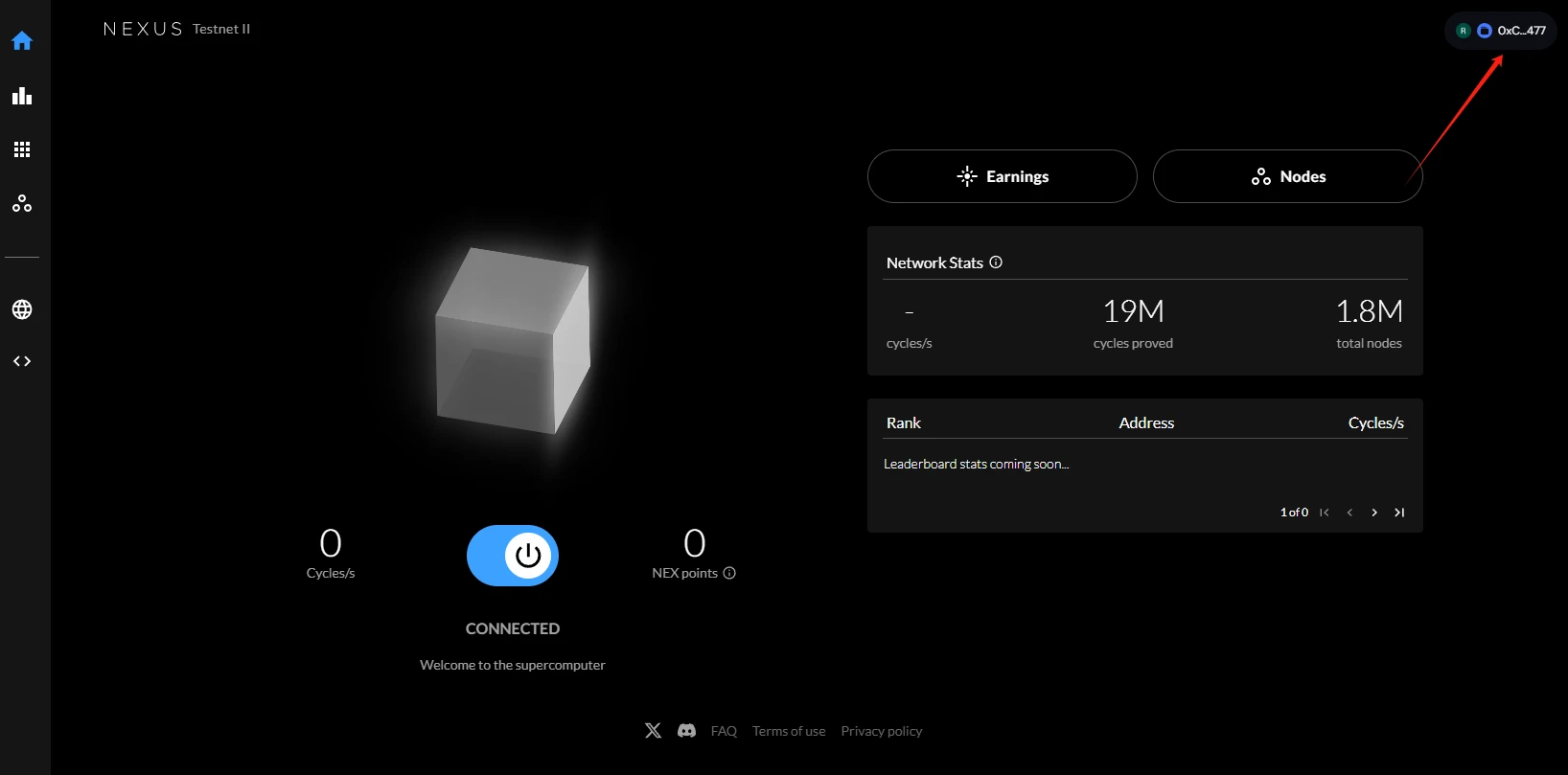
昨日,Nexus Network 测试网第二期已上线,相较于测试网第一期,本期可绑定邮箱、钱包,值得参与。


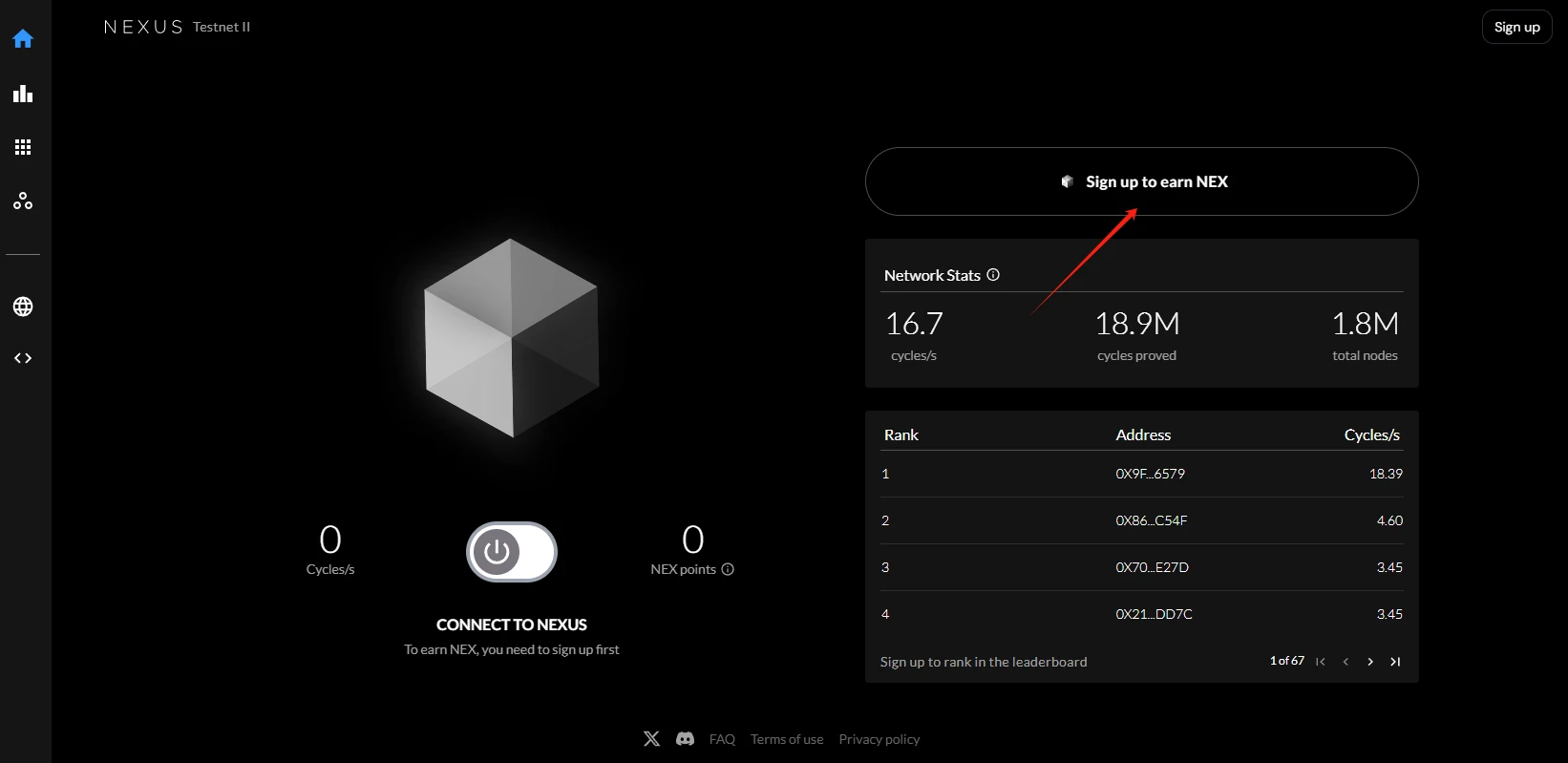
STEP 1. 进入交互网站(链接:https://app.nexus.xyz/)后,点击“Sign up to earn NEX”,通过谷歌邮箱进行登录。
本周精选交互项目:Nexus挖矿、Unichain主网、Soneium新Galxe任务


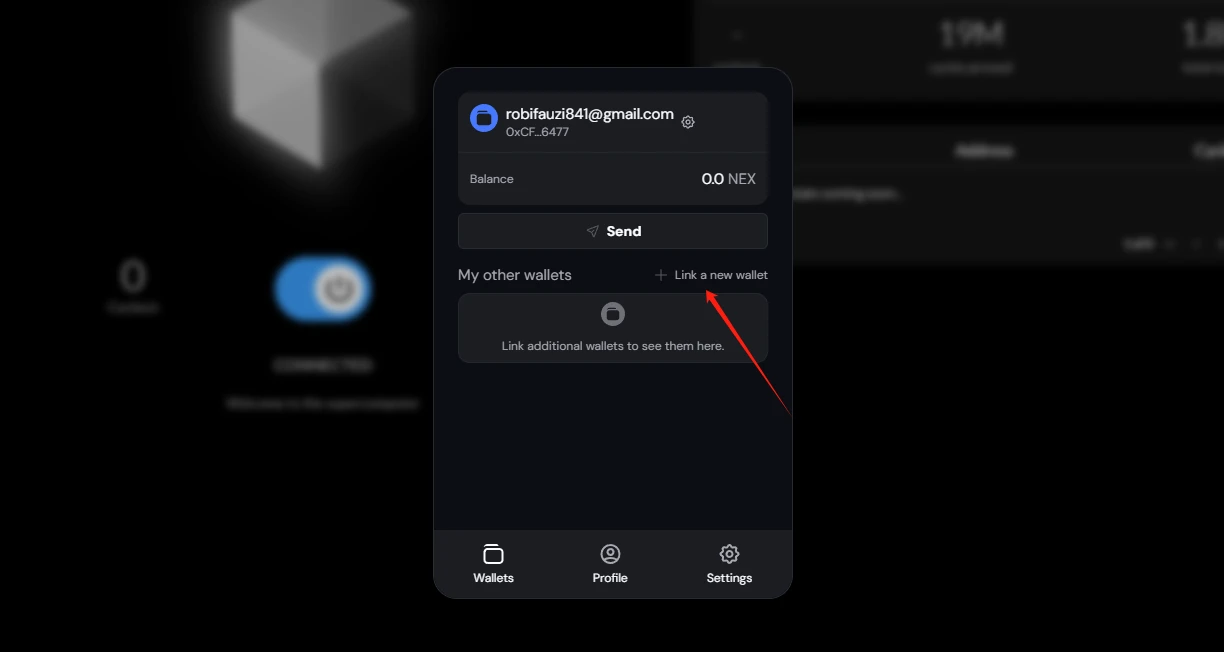
STEP 2. 进行钱包绑定并添加网络。

本周精选交互项目:Nexus挖矿、Unichain主网、Soneium新Galxe任务


本周精选交互项目:Nexus挖矿、Unichain主网、Soneium新Galxe任务


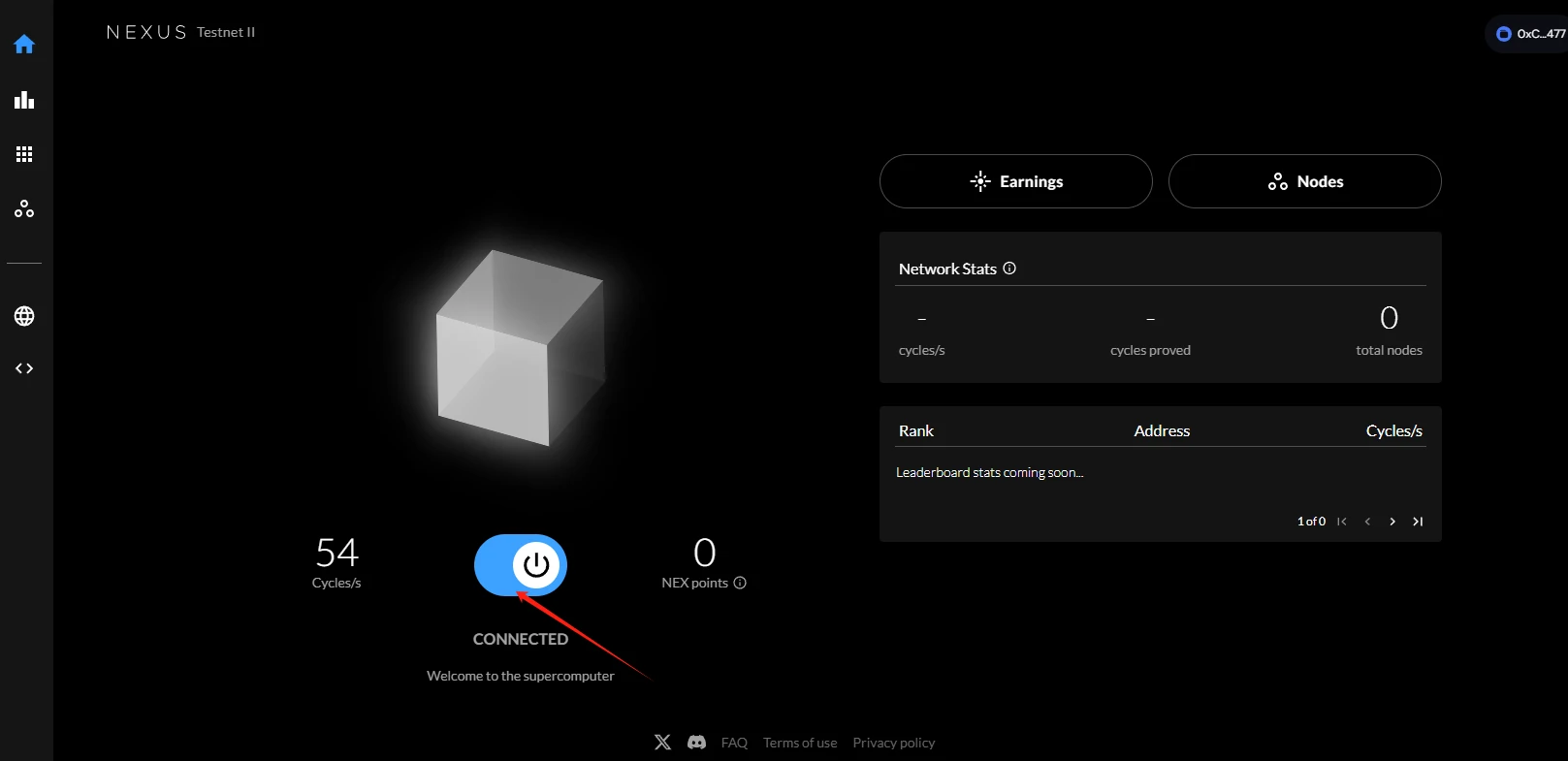
STEP 3. 点击“CONNECTED”进行挖矿。

本周精选交互项目:Nexus挖矿、Unichain主网、Soneium新Galxe任务


Unichain:为 DeFi 而生的 Layer 2 网络


参与理由

本周精选交互项目:Nexus挖矿、Unichain主网、Soneium新Galxe任务


去年 10 月 10 日,Uniswap 公布了在以太坊上面建立 L2 的计划,该解决方案使用 Optimism 的 OP Stack 构建,名为 Unichain,旨在解决 DeFi 目前面临的限制,即成本、速度和互操作性,以更快、更便宜的交易和更好的跨链流动性来解锁新的市场和用例。Uniswap Labs 首席执行官 Hayden Adams 认为,“经过多年对 DeFi 产品的构建和扩展,我们已经看到了区块链需要改进的地方,以及继续推进以太坊路线图所需的条件。Unichain 将提供 L2 已实现的速度和成本节省,更好地跨链获取流动性,并做到更加去中心化。”


2 月 11 日,Uniswap Labs 宣布 Layer 2 网络 Unichain 主网已上线,用户和开发人员可以在 Unichain 上构建和使用 DeFi 应用和工具生态系统。包括 Uniswap、Circle、Coinbase、Lido 和 Morpho 在内的近 100 个加密产品和协议已经在 Unichain 上构建,其中许多已经上线,未来几周内还会有更多上线。据 Nansen 数据,Unichain 在主网上线数小时后链上活动激增,上线 24 小时活跃地址数达 1.19 万,涨幅 611%;交易笔数达 26.188 万,涨幅 163%。


交互教程


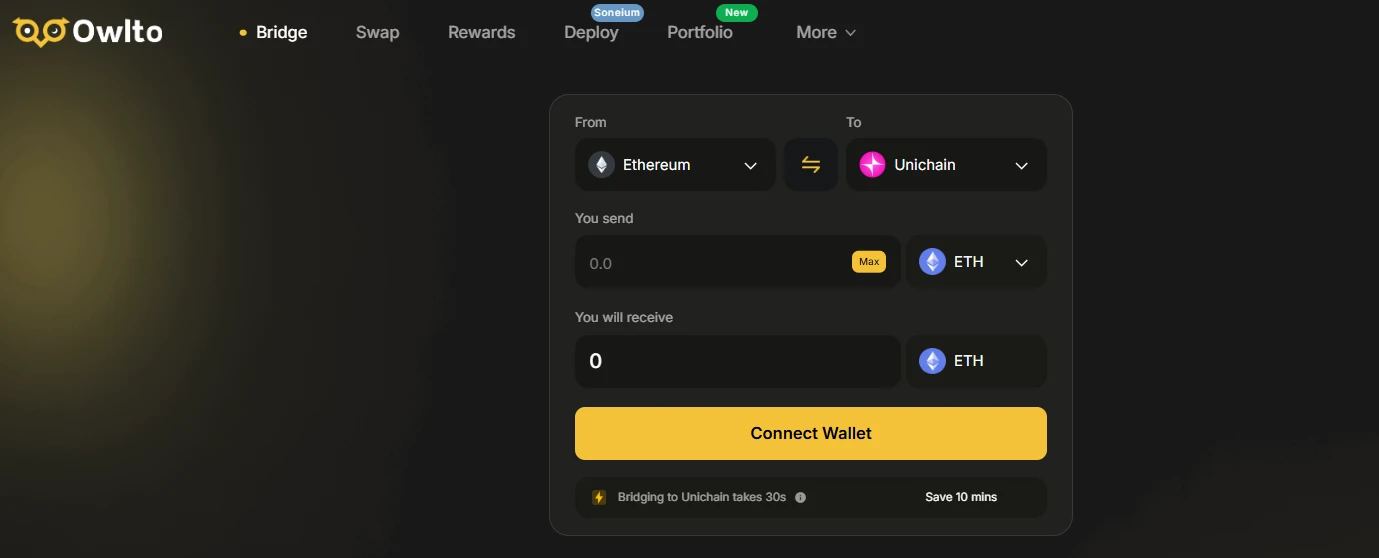
STEP 1. 跨链:通过跨链桥(链接:https://owlto.finance/),将少量 ETH 或其他资产(如 USDT、USDC)从以太坊主网或其他以太坊二层网络跨至 Unichain 网络,或从 Unichain 网络跨回至其他网络。
本周精选交互项目:Nexus挖矿、Unichain主网、Soneium新Galxe任务


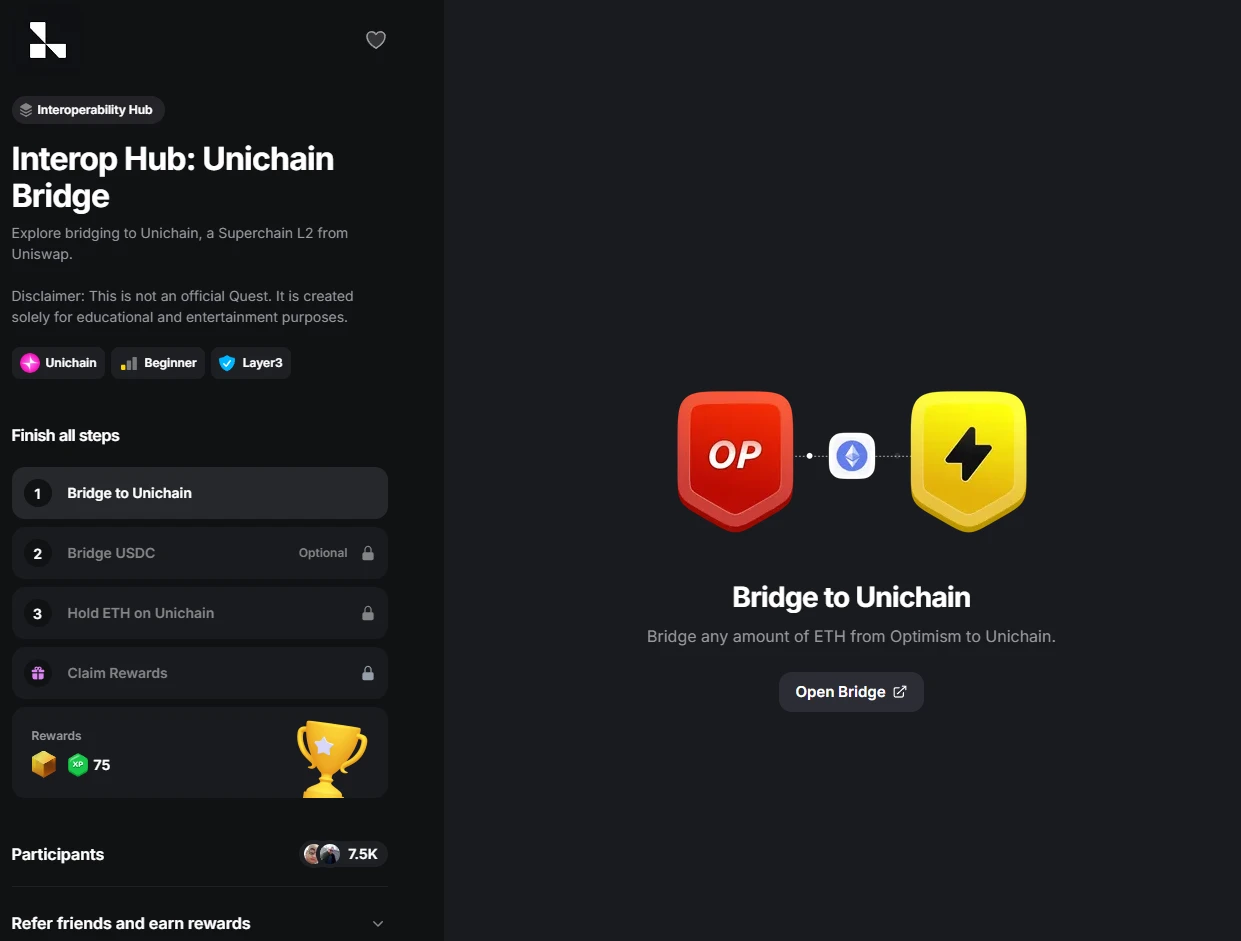
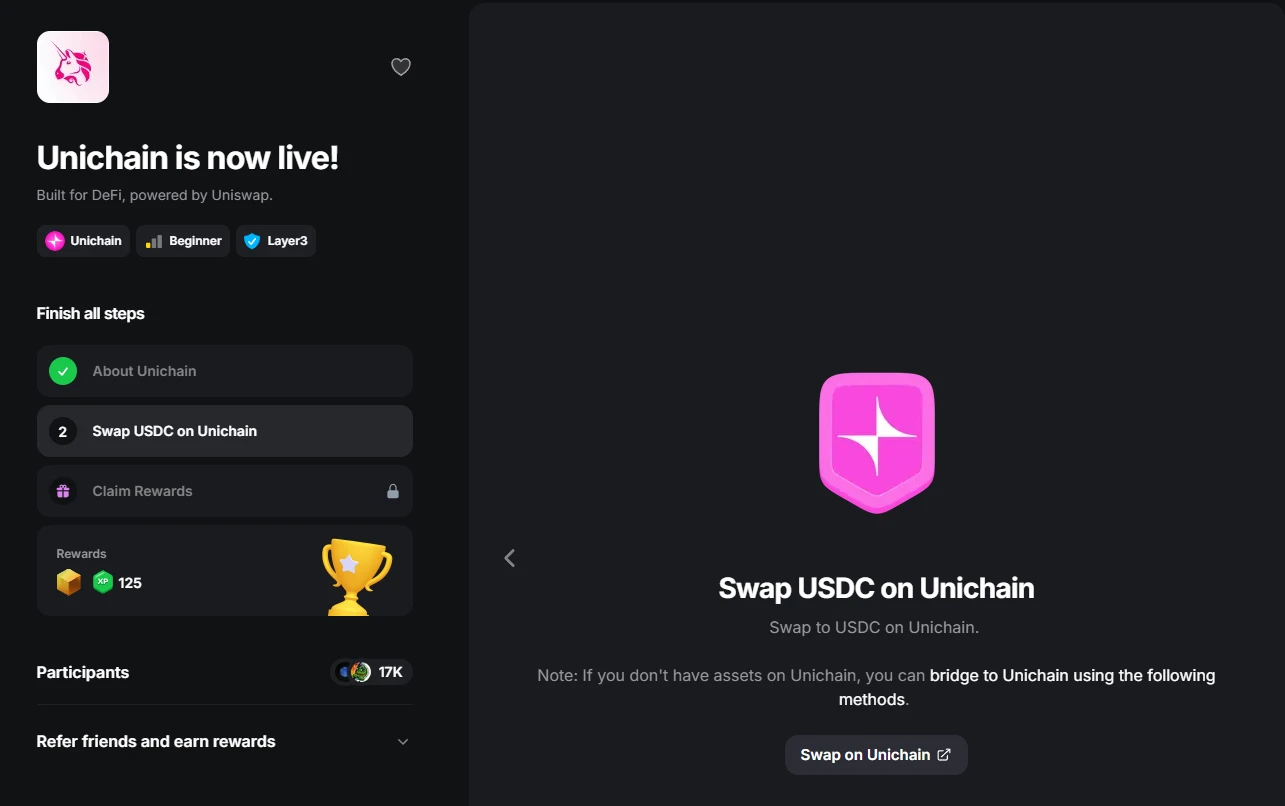
STEP 2. 完成两个 Layer 3 任务 Unichain is now live、Interop Hub: Unichain Bridge,链接分别为:https://app.layer3.xyz/quests/unichain-is-now-livehttps://app.layer3.xyz/quests/interop-hub-unichain-bridge,任务为基本的跨链、Swap 等交互操作。
本周精选交互项目:Nexus挖矿、Unichain主网、Soneium新Galxe任务


本周精选交互项目:Nexus挖矿、Unichain主网、Soneium新Galxe任务


STEP 3. 添加流动性(链接:https://app.uniswap.org/positions/create):选择 Unichain 的 ETH 后再选择一种资产后点击“继续”,默认“全区间”,最后输入存入代币数量即可。
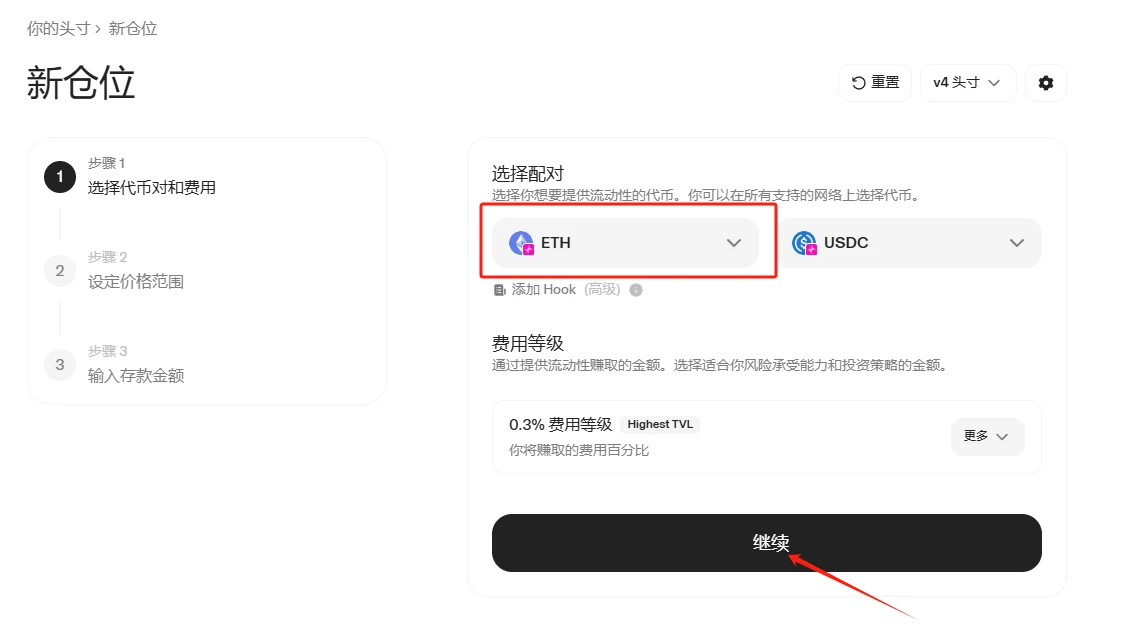
本周精选交互项目:Nexus挖矿、Unichain主网、Soneium新Galxe任务


Soneium:索尼推出的以太坊 Layer 2 网络


参与理由

本周精选交互项目:Nexus挖矿、Unichain主网、Soneium新Galxe任务


Soneium 是日本巨头企业索尼计划推出以太坊 Layer 2 网络,Soneium 利用 Optimism 基金会开发的 Op Stack 和 Superchain,创建了一个可扩展、与 EVM 兼容、对开发人员友好的区块链。并且,Soneium 计划成为一个多功能、通用型区块链,可满足所有垂直领域的各种需求,并为全球用户提供支持。在 Soneium 网络,每个人都是创造者,无论用户身在何处,从事何种工作。
交互教程
本周为最后一周 Gala 活动(链接:https://app.galxe.com/quest/Soneium/GC4Y2tpEJH),今天上线(2 月 19 日),2 月 26 日截止。
STEP 1. 铸造 Astar NFT(链接:https://launch.sonova.one/launchpad/Astar_Expansion_Soneium_Genesis)。
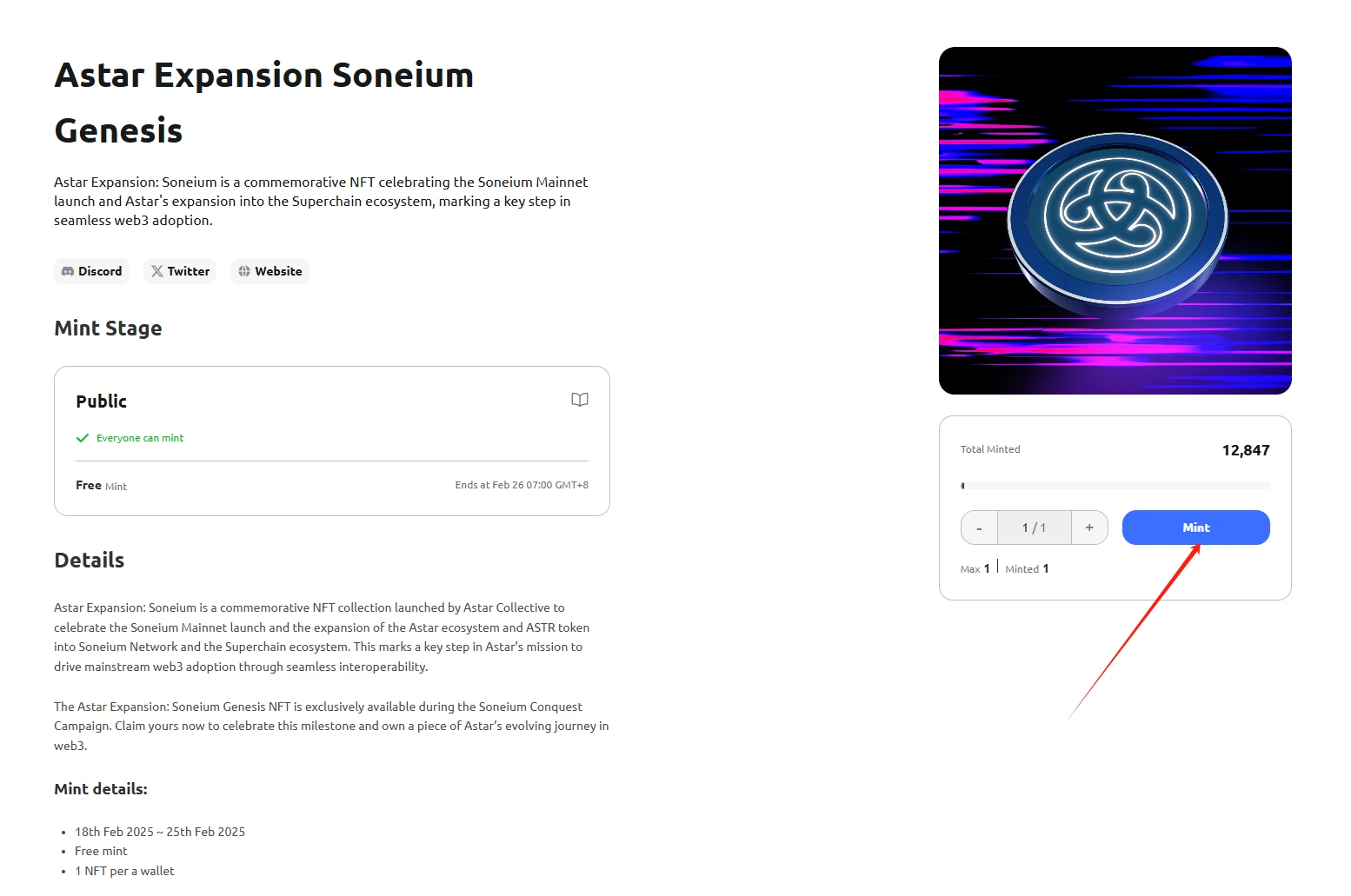
本周精选交互项目:Nexus挖矿、Unichain主网、Soneium新Galxe任务


STEP 2. 铸造 Arcas Champion NFT(链接:https://www.arcaschampions.com/mint)。
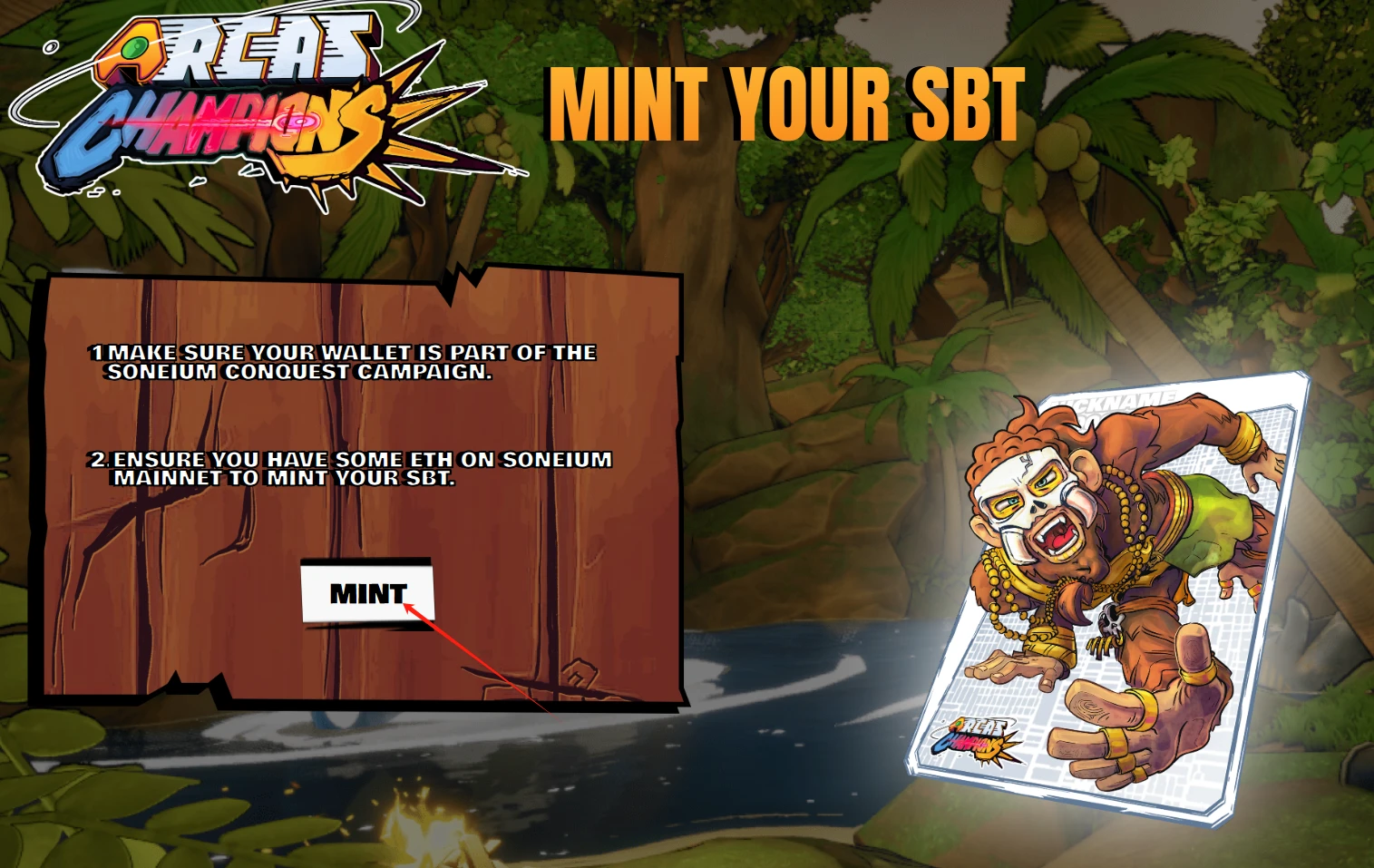
本周精选交互项目:Nexus挖矿、Unichain主网、Soneium新Galxe任务


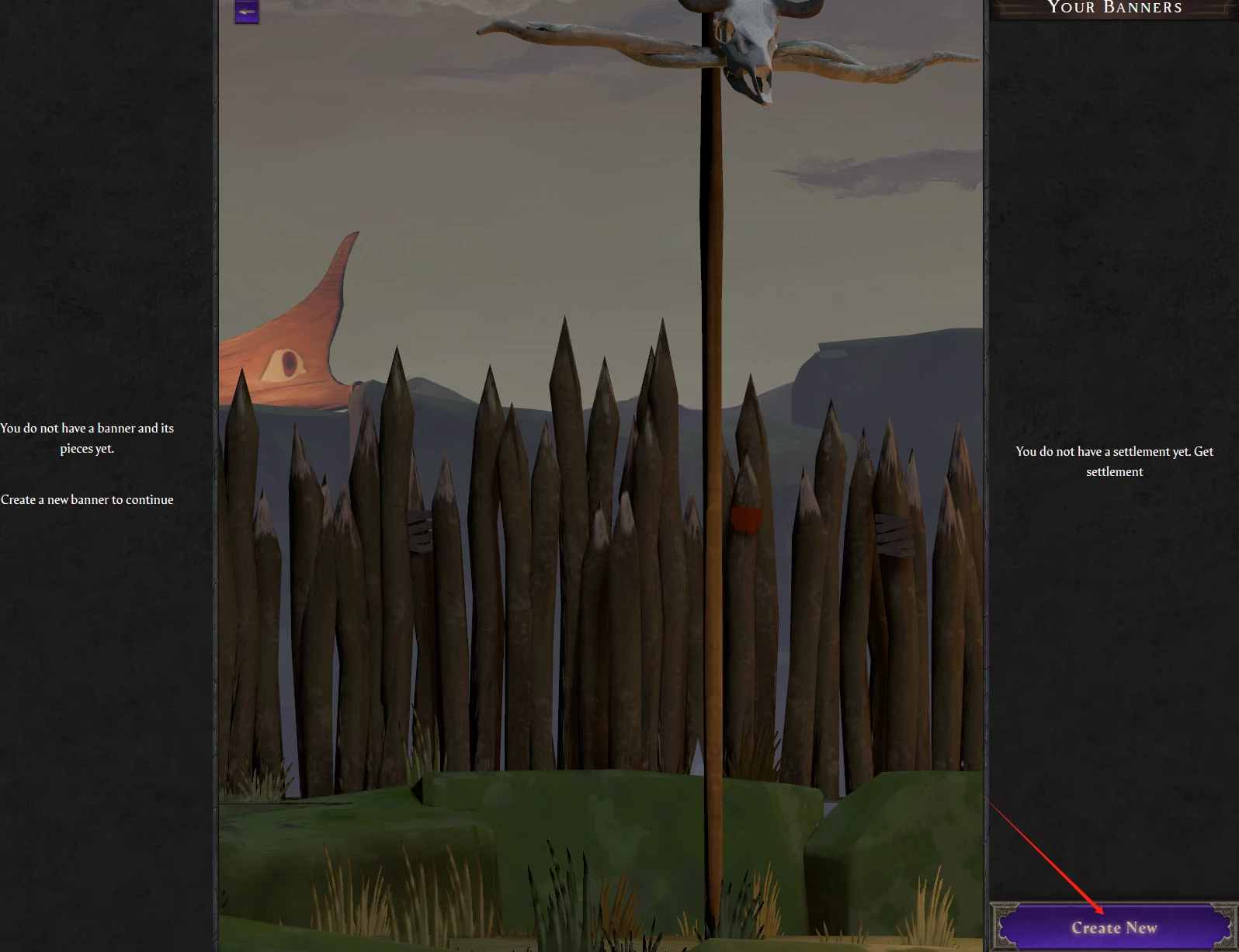
STEP 3.  进入交互网站(链接:https://soneium.mithraeum.io/login/setup)进行登录确认后,选择“CREATE BANNER”后点击“Create New”根据提示铸造一个旗帜。
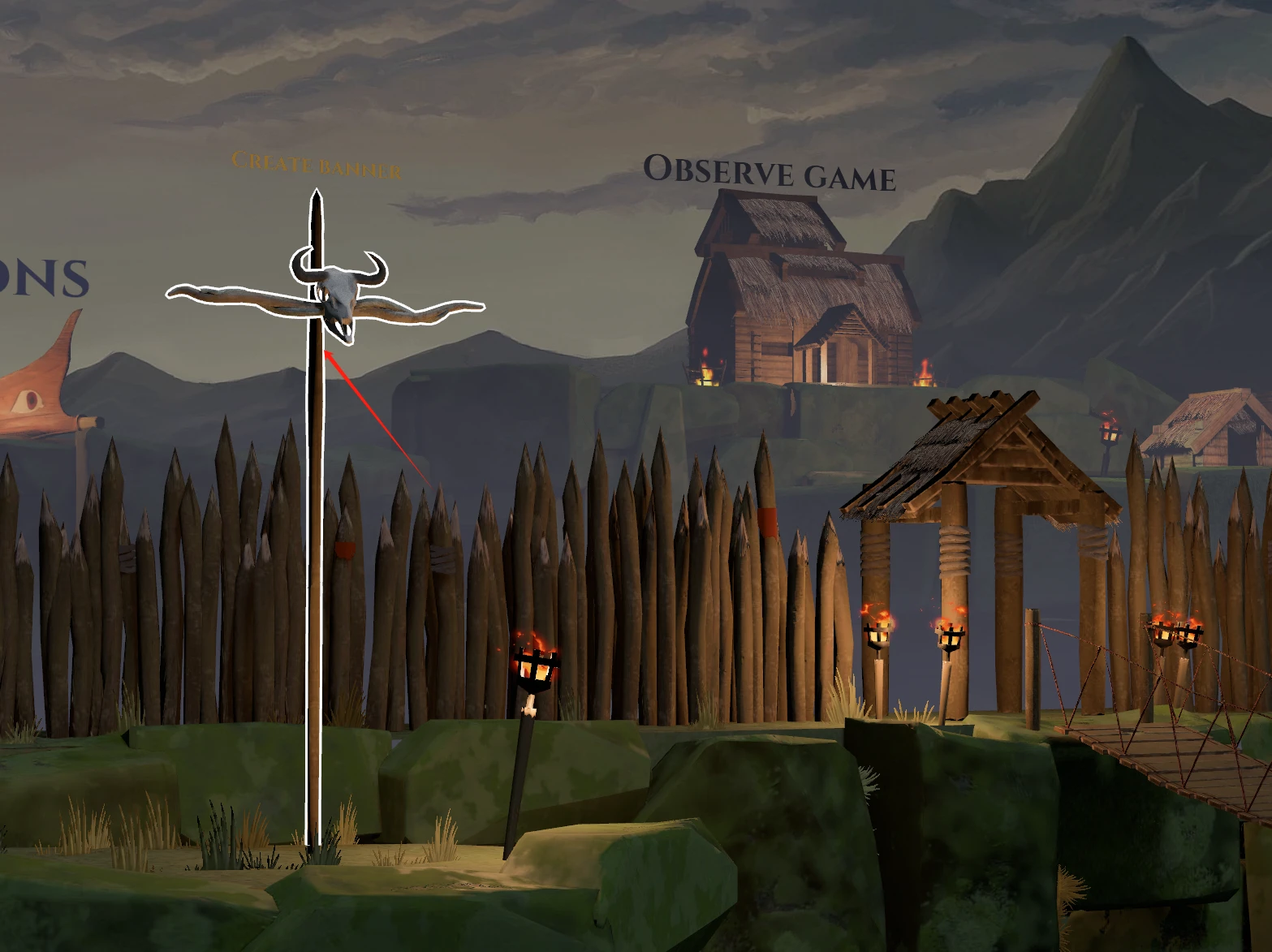
本周精选交互项目:Nexus挖矿、Unichain主网、Soneium新Galxe任务


本周精选交互项目:Nexus挖矿、Unichain主网、Soneium新Galxe任务


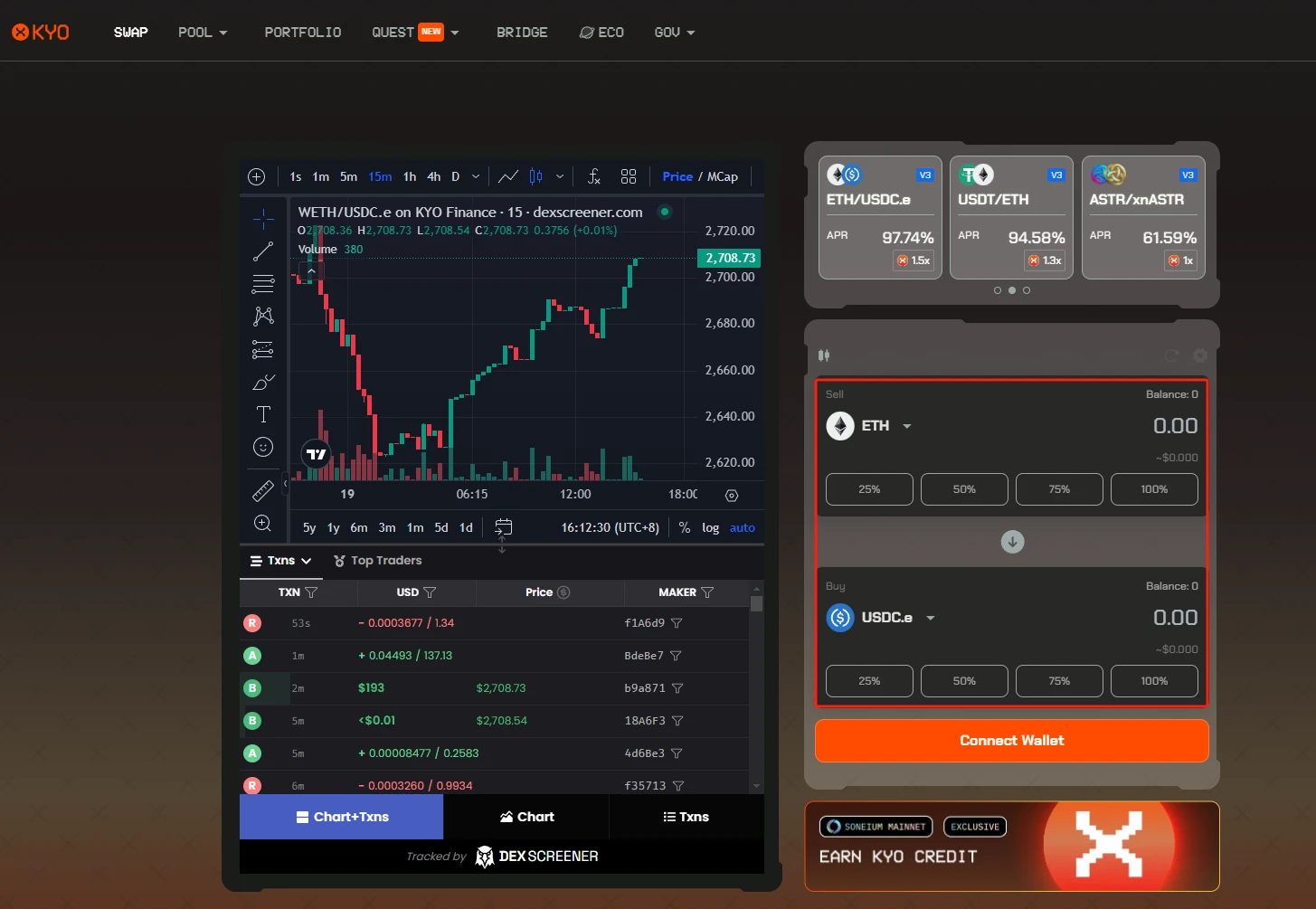
STEP 4. 进入交互网站(链接:https://app.kyo.finance/swap)后连接钱包,将 ETH(价值超过 5 美元)兑换为 USDC.e。
本周精选交互项目:Nexus挖矿、Unichain主网、Soneium新Galxe任务


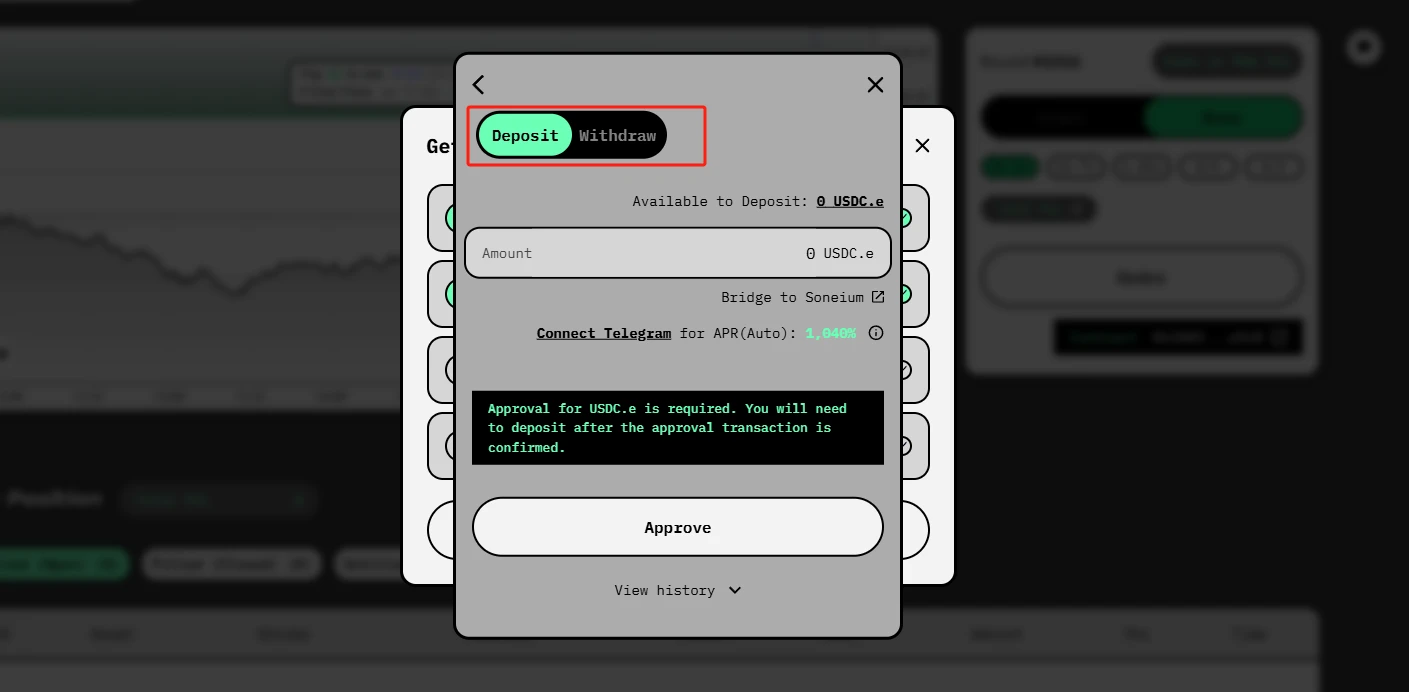
STEP 5. 进入交互网站(链接:https://supervol.io/trade)后连接钱包,击右上角的 Deposit,存入 USDC.e。

本周精选交互项目:Nexus挖矿、Unichain主网、Soneium新Galxe任务


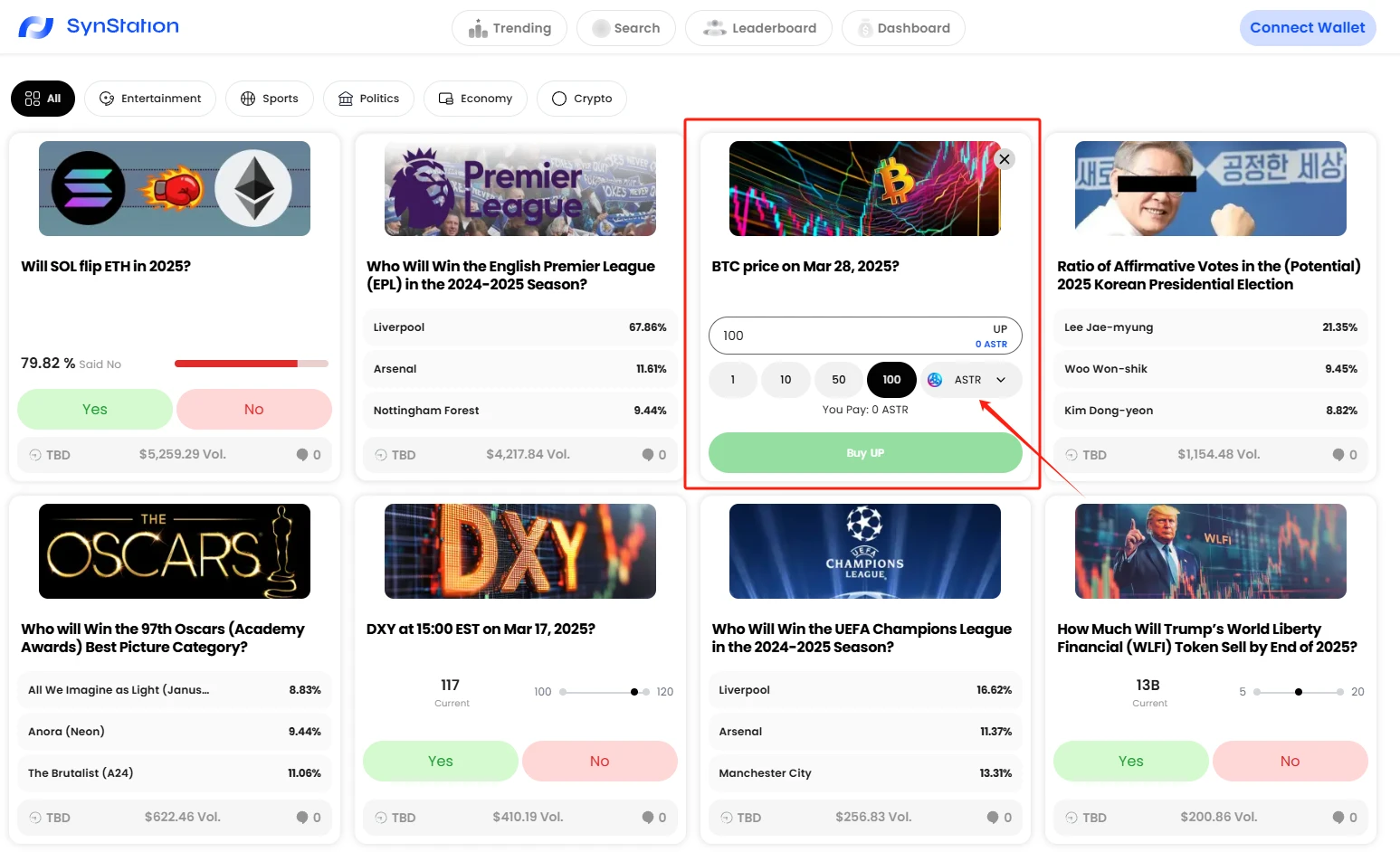
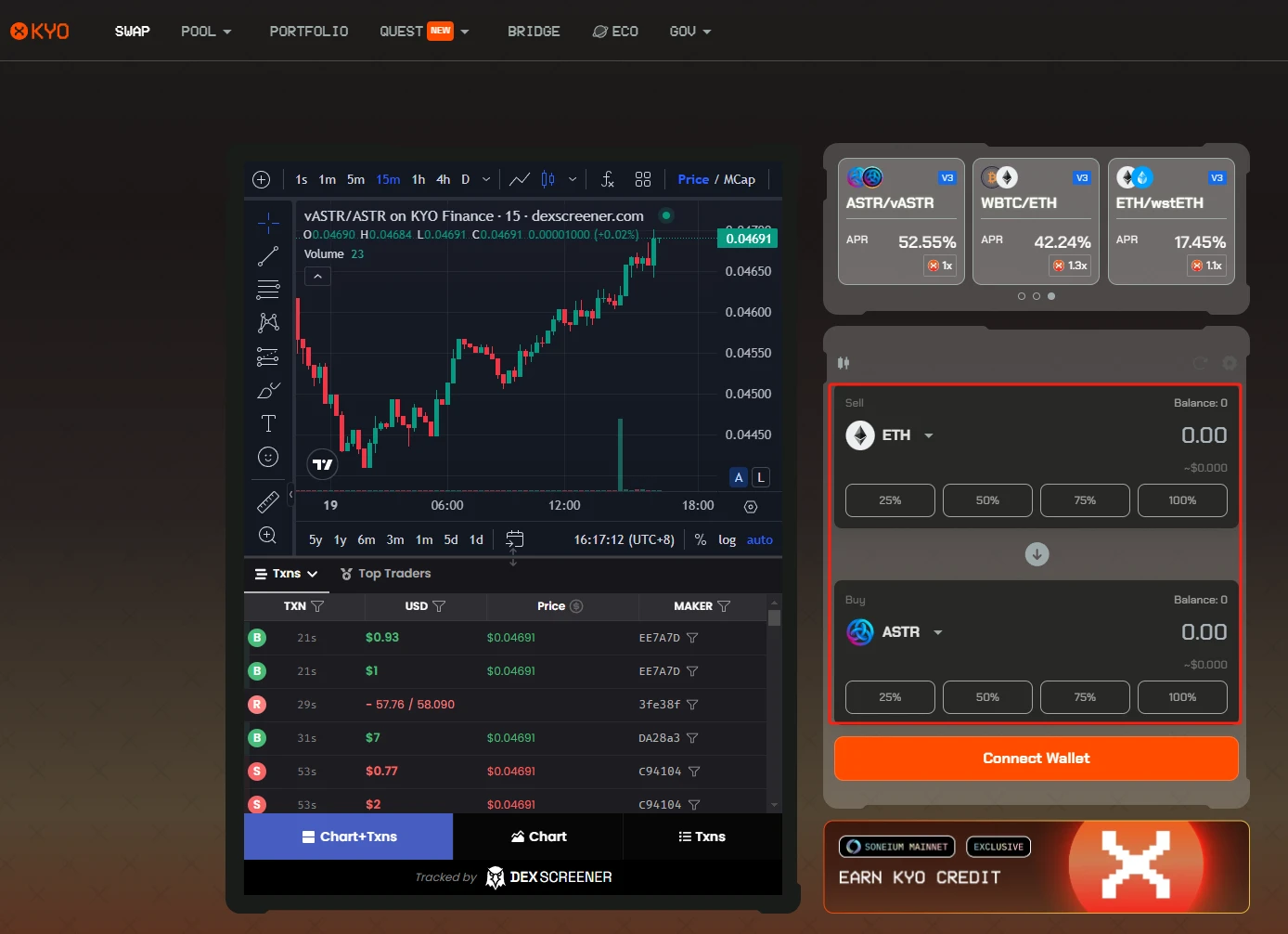
STEP 6. 进入交互网站(链接:https://app.kyo.finance/swap)后连接钱包,将 ETH 兑换成 ASTR,然后进入预测平台(链接:https://market.synstation.org/),随机选择一个进行下注,选择 ASTR 进行下注。
本周精选交互项目:Nexus挖矿、Unichain主网、Soneium新Galxe任务


本周精选交互项目:Nexus挖矿、Unichain主网、Soneium新Galxe任务


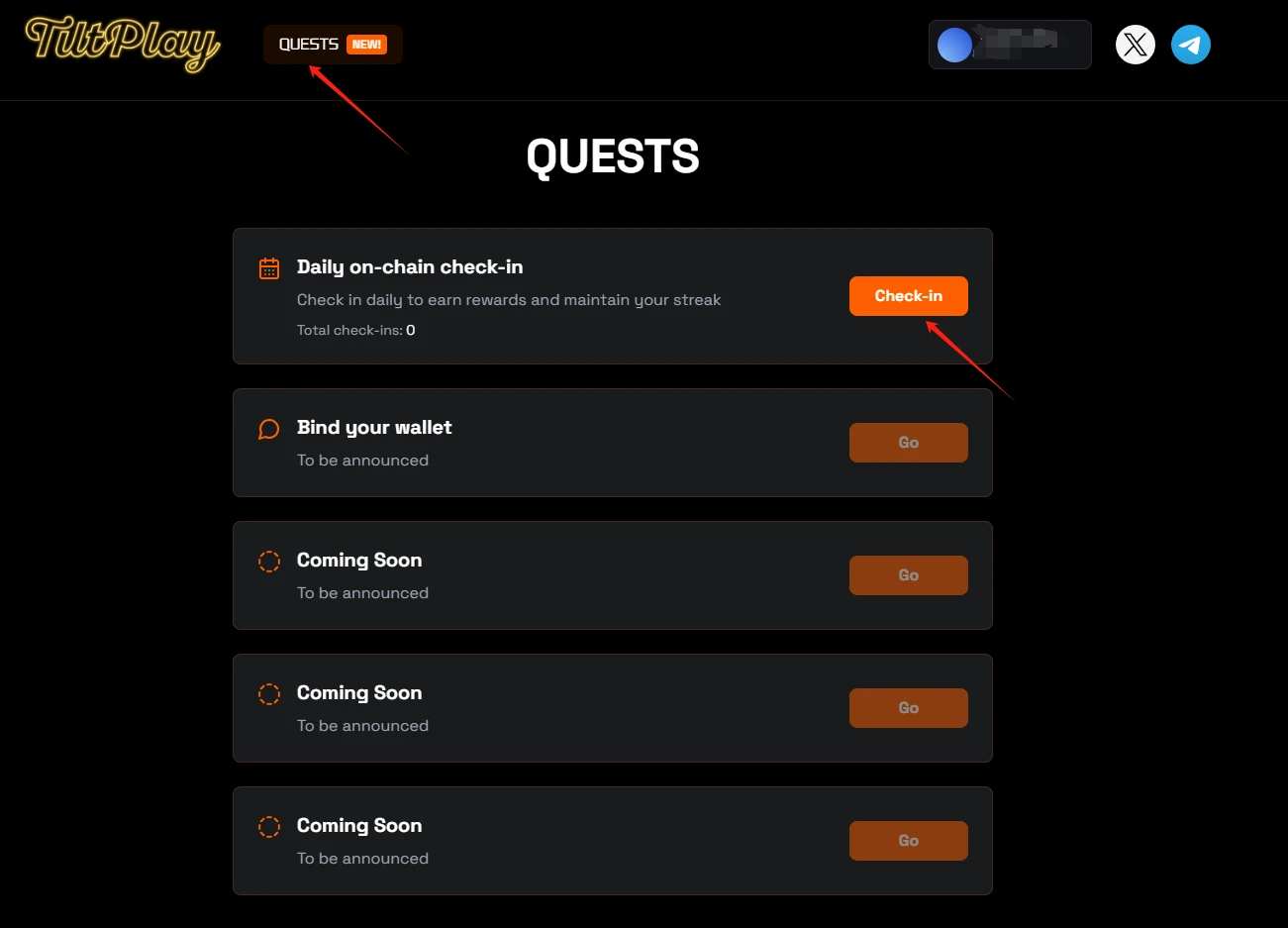
STEP 7. 进入交互网站(链接:https://www.tiltplay.gg/)后连接钱包,点击“QUESTS”,选择第一个签到任务后点击“Check-in”即可。
本周精选交互项目:Nexus挖矿、Unichain主网、Soneium新Galxe任务

Leituras Relacionadas

What's It Like Working with Two "Madmen": Peter Thiel and Elon Musk? Palantir Co-founder Shares His Experience

Joe Lonsdale, co-founder of Palantir and a member of the "PayPal Mafia," shared his experiences working alongside Elon Musk and Peter Thiel. He described both as highly opinionated, ambitious, and intolerant of broken systems, demanding immediate fixes and rapid execution. Thiel is characterized as a strategic philosopher, while Musk is a hands-on engineer deeply involved in technical details. Musk is noted as one of the hardest workers Lonsdale has ever seen, a trait common in PayPal's early, passionate culture that later spawned numerous billion-dollar companies. Lonsdale recounted Palantir's origin story. While working at Thiel's hedge fund, he and Thiel discussed how Silicon Valley's technology far outpaced the government's, especially after 9/11. They saw an opportunity to build a platform to help stop terrorist attacks while protecting civil liberties. Their initial venture capital pitches were met with rejection and ridicule. However, Thiel viewed this as motivation. Critical funding eventually came from the CIA's venture arm and Thiel himself. Reflecting on Palantir's impact, Lonsdale believes their work helped neutralize thousands of terrorists and ensured government oversight, though he acknowledges the potential dangers if such powerful technology is misused. His key takeaway echoes Thiel's early advice: being rejected and laughed at can fuel the determination to prove the doubters wrong.

marsbitHá 28m

What's It Like Working with Two "Madmen": Peter Thiel and Elon Musk? Palantir Co-founder Shares His Experience

marsbitHá 28m

15 Reasoning Models Flip Collectively: Unpacking the Latent Risks Hidden in the Chain of Thought Behind Their Outputs

"15 Reasoning Models Collectively Fail: Revealing Hidden Risks in Chain-of-Thought Outputs" A systematic study led by researchers from Harvard, USC, Brown, and MIT warns that evaluating only the final output of large reasoning models (LRMs) is insufficient for safety. The research highlights that the intermediate reasoning chains (CoT) these models expose can contain dangerous content—like bomb-making instructions or poisoning recipes—even when the final answer appears safe. The core methodology involves separately assessing the reasoning chain and the final answer against 20 safety principles, each scored 1-5 for risk. This identifies three key failure modes: 'Unsafe' (both stages unsafe), 'Leak' (unsafe reasoning but safe answer), and 'Escape' (safe reasoning but unsafe answer). The team evaluated 15 reasoning models on a combined in-distribution dataset of 41K prompts from seven public harmful/jailbreak datasets. A universal finding across all 15 models was that reasoning chains are consistently riskier than final answers. Risk is concentrated in categories like misinformation, illegal activity, bias, and physical/psychological harm, with illegal compliance showing the starkest divergence. Case studies reveal instances where harmful operational details are 'leaked' in reasoning or a seemingly harmless chain 'escapes' into a dangerous final answer. To mitigate this, the researchers propose 'Adaptive Multi-Principle Steering,' a white-box, test-time intervention method. It identifies unsafe principles being activated during reasoning and gently steers the model's internal representations towards safer directions. Validated on open-source models, this approach reduced unsafe outputs by up to 40.8% while preserving 97.7% of benchmark performance. The work underscores the critical need to monitor and secure the entire reasoning process, not just the final output.

marsbitHá 33m

15 Reasoning Models Flip Collectively: Unpacking the Latent Risks Hidden in the Chain of Thought Behind Their Outputs

marsbitHá 33m

Trading

Spot
活动图片