Linus Torvalds参与了$zailgo项目?

Odaily星球日报Publicado em 2025-01-06Última atualização em 2025-01-06

Resumo

Linus Torvalds参与了$zailgo项目?

今天在社区里看到一个传闻,说的是 Linus Torvalds 参与了$zailgo 项目,还带上了 github 的链接 https://github.com/notwedtm/zailgo
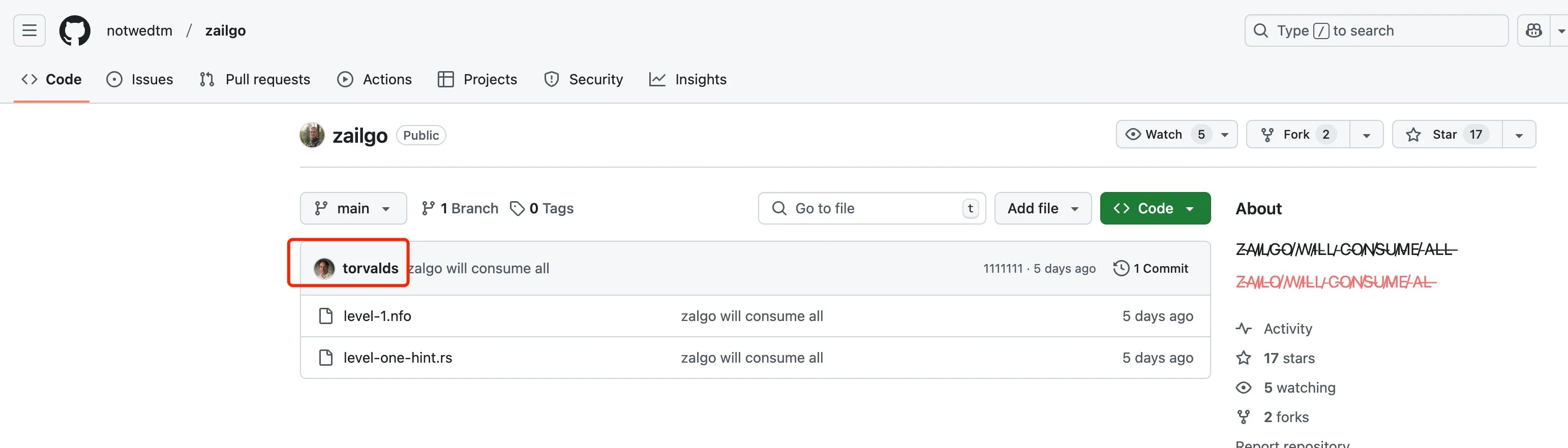
Linus Torvalds参与了$zailgo项目?

看到这条消息还挺让我惊讶的,Linus Torvalds 是何许人也?我们来看看 wiki 上的介绍:
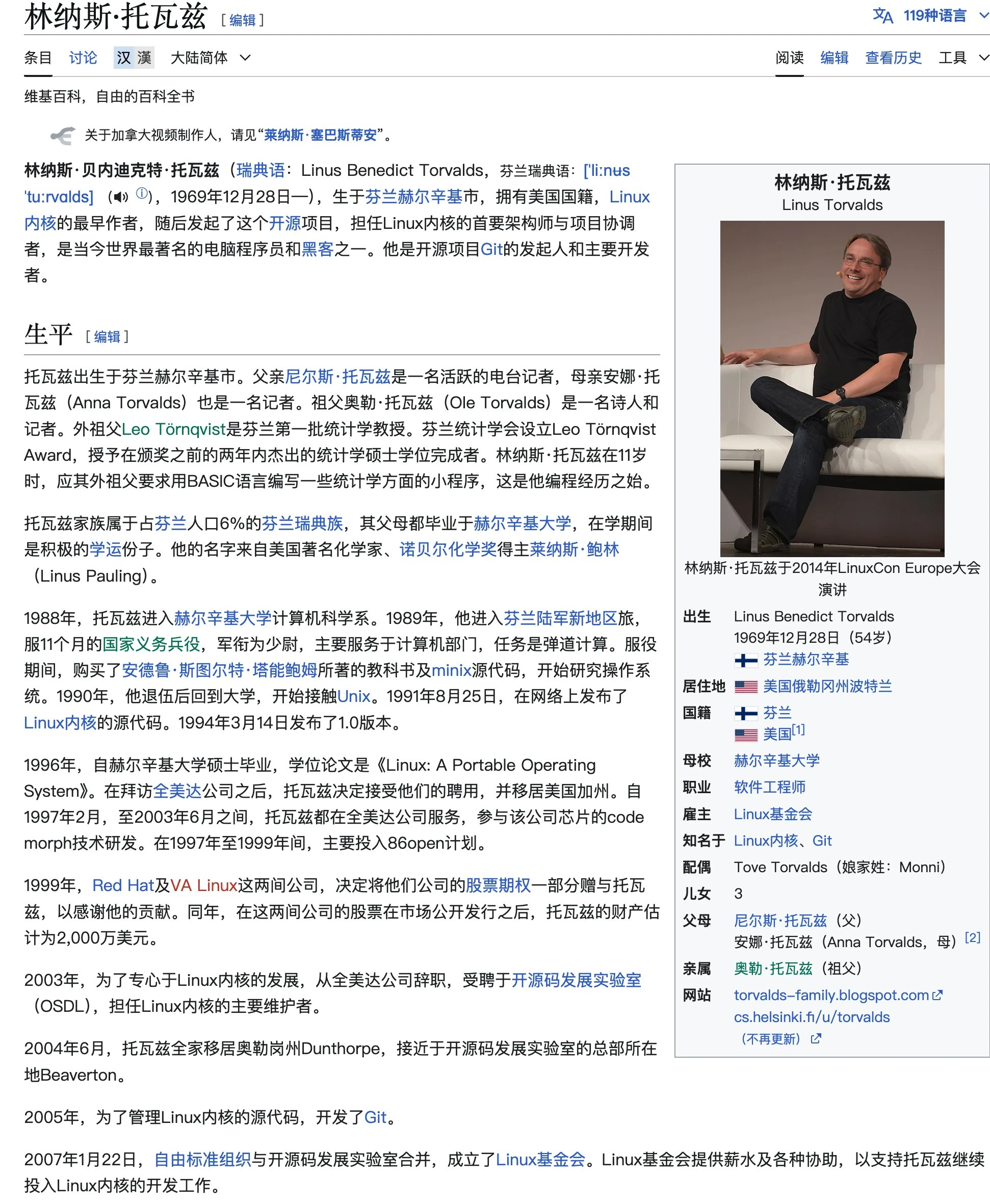
Linus Torvalds参与了$zailgo项目?

Linus Torvalds 是 linux 内核的作者,开源项目 git 也是他的,这种上古巨神怎么会来web3参与一个小项目,实在让人费解,真相永远只有一个,让我们来找出它。

我们先点开“commit”,看看巨神提交了些什么内容:
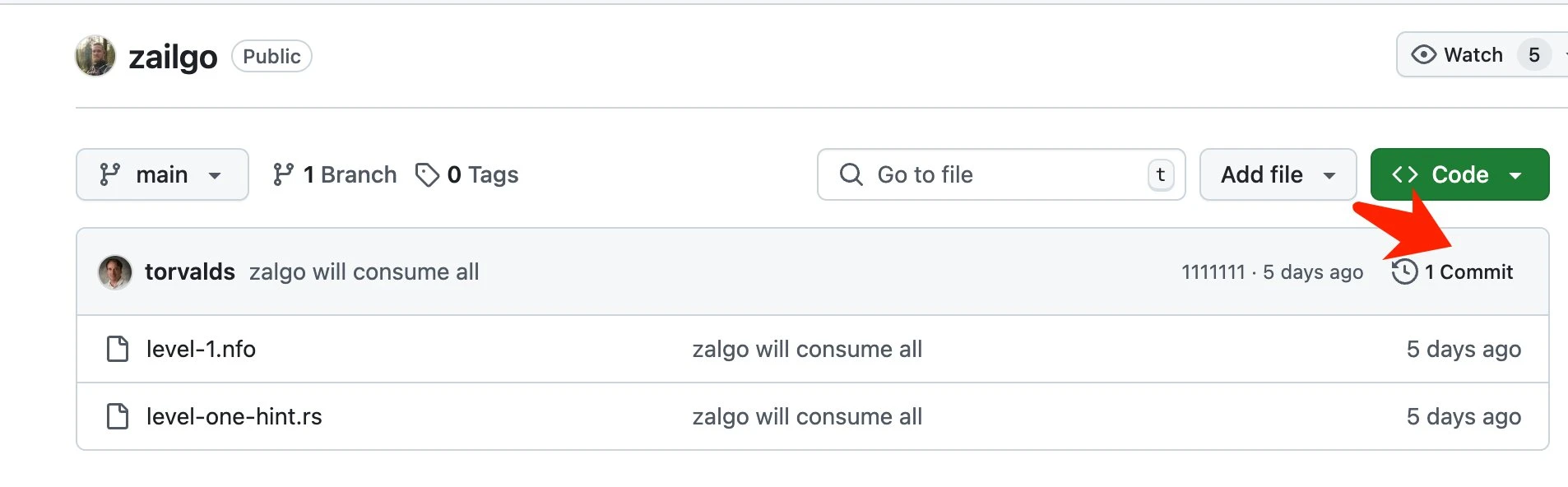
Linus Torvalds参与了$zailgo项目?

点开后会发现这条 commit 的状态是“Unverified”,标明这条提交并没有被验证。
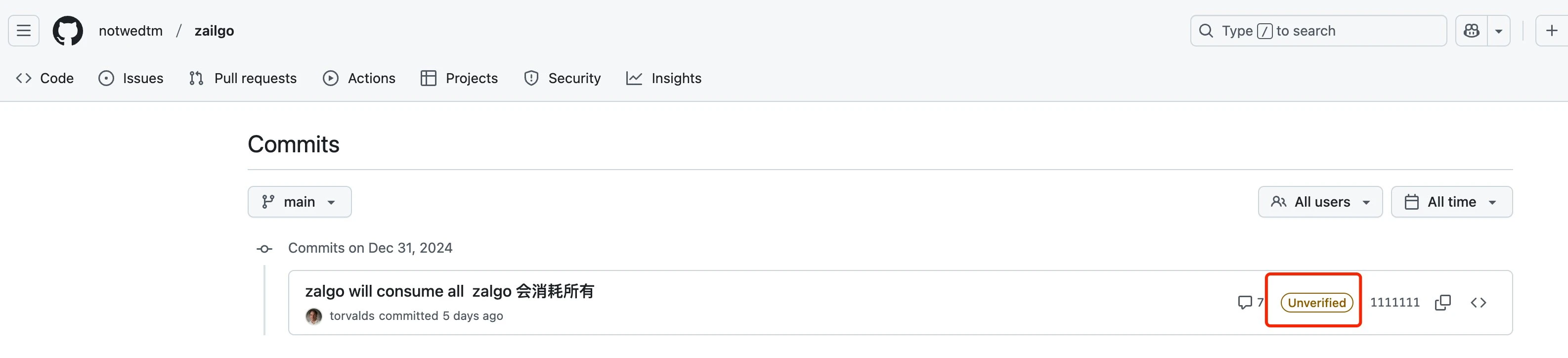
Linus Torvalds参与了$zailgo项目?

我们通过点这个状态也能看到提示,Linus Torvalds 并没有用他的公钥进行签名。
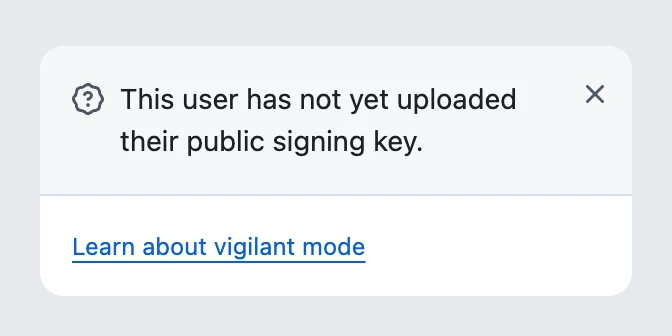
Linus Torvalds参与了$zailgo项目?

那这种提交是怎么伪造的呢?其实也很简单,github 记录提交信息的所有人只需要 GIT_AUTHOR_NAME、GIT_AUTHOR_EMAIL 等字段即可,那我们是不是可以伪造这些信息呢?

我们来做个实验,设置相关的几个环境变量,这些都是 Linus Torvalds 公开信息:

export GIT_AUTHOR_

export GIT_AUTHOR_

export GIT_COMMITTER_

export GIT_COMMITTER_

然后我们随便在源文件中改一些内容,然后 commit,让我们看看 log 是什么:
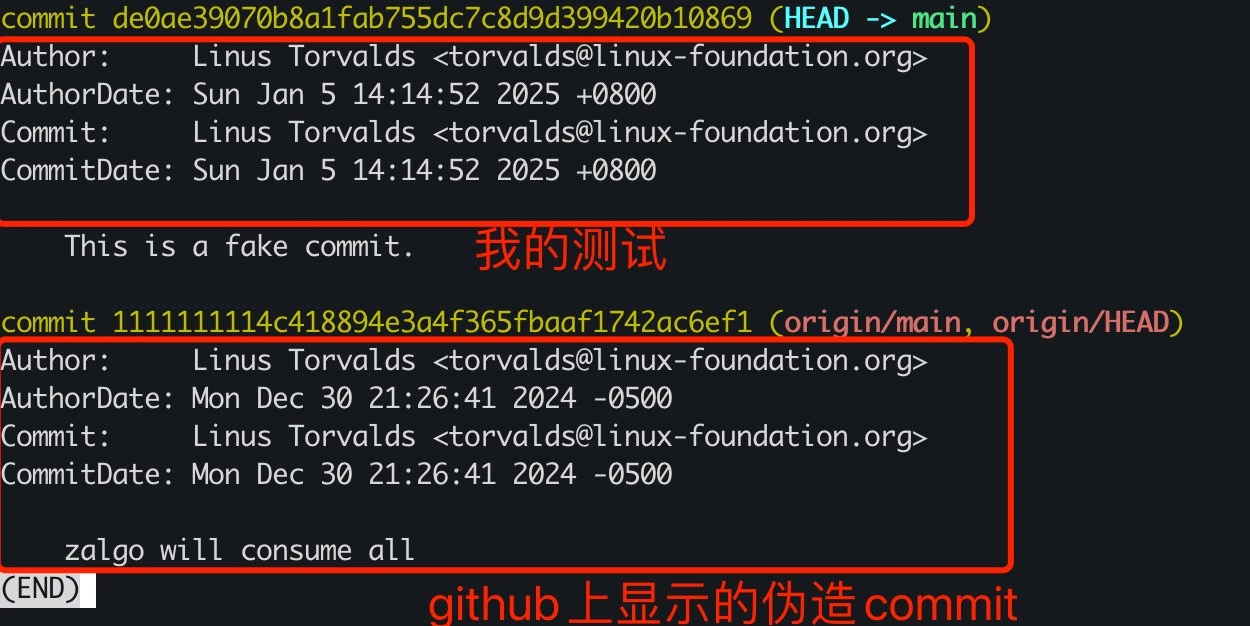
Linus Torvalds参与了$zailgo项目?

最上面那一条是我测试的信息,可以看出在 log 中的作者信息变成了 Linus Torvalds,这时候如果我要提交的话,在 github 上显示的就是 Linus Torvalds 参与了这项目。第二条信息是我们目前在 github 上看到的伪造信息。

那么针对这种伪造的提交该怎么判断呢?有以下几种方法:

1、我们点开 commit,看当前提交的状态是什么,如果是真实的提交,状态那里什么都不会有,如果是伪造的,就会出现上面的“Unverified”

2、我们也可以去 Linus Torvalds 的 github 主页上,看他的活动提交都有哪些项目。他的 github 是 https://github.com/torvalds, 在“Contribution activity”里可以看到他参与的项目中并没有 zailgo。
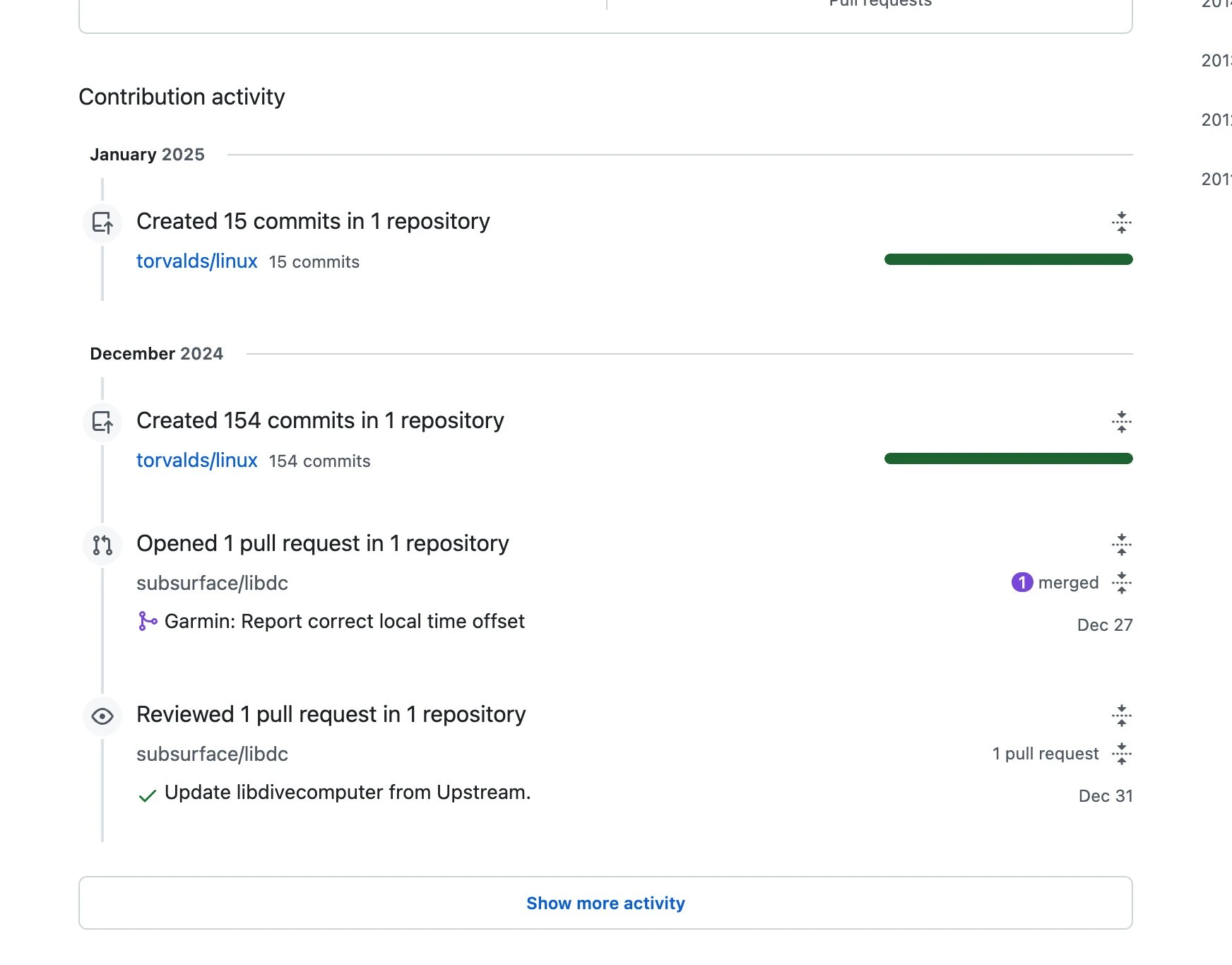
Linus Torvalds参与了$zailgo项目?

3、项目的管理员可以看到详细的提交日志,这时候伪造者的信息也能发现,不过咱们也没有管理权限。

zailgo 项目是好项目,为了宣传而伪造信息可要不得,大家也得注意不要被这种假消息欺骗。

Leituras Relacionadas

Strategy's Bitcoin Sales Cap Far Exceeds $1.25 Billion: A Detail the Market Overlooked

The article discusses how MicroStrategy's potential Bitcoin sales go far beyond the announced $1.25 billion "reserve-building capacity." It clarifies a key distinction in the company's "BTC Monetization Program": selling Bitcoin to *build* a new dollar reserve (the $1.25B cap) versus selling to *replenish* the existing USD Reserve after it's used for expenses like preferred share dividends. The recent $216M BTC sale for dividend payments was a "replenishment," leaving the headline $1.25B building quota untouched. The plan actually outlines three potential funding pools from BTC sales: 1) Building the reserve ($1.25B cap), 2) Covering preferred share/ debt costs (no specified cap), and 3) Funding buyback programs (up to $20B). This means the structured sales potential exceeds $30 billion, not including uncapped replenishment sales. The piece argues this marks MicroStrategy's shift from a passive "buy-and-hold" Bitcoin proxy to an actively managed entity using BTC as a balance-sheet tool to manage its complex capital structure (common stock, preferred shares, debt, reserve). This creates new dynamics and potential conflicts, as actions benefiting one part (e.g., selling BTC to pay dividends) may pressure another (e.g., undermining the "never sell" narrative). Investors must now parse the company's specific terminology ("build" vs. "replenish") to understand the true scope of future BTC sales, which is significantly larger than the market initially perceived.

marsbitHá 1m

Strategy's Bitcoin Sales Cap Far Exceeds $1.25 Billion: A Detail the Market Overlooked

marsbitHá 1m

Goldman Sachs Report Deconstructs the Competitive Landscape of China's AI Large Models: Who Will Be the Long-Term Winner?

Goldman Sachs analyzes China's AI large language model (LLM) landscape, identifying key players and a strategic shift towards efficiency and global expansion. The report highlights that Chinese open-source/open-weight models are closing the performance gap with top global proprietary models at significantly lower cost, driven by architectural innovations like MoE. This enables a "two-tier" market: a high-end segment (e.g., GLM5.2, Qwen3.7 Max) with pricing at ~$1 per million tokens, and a low-end, price-sensitive global segment. Open-source strategies aid adoption but limit monetization, as deployments via third-party platforms (e.g., AWS Bedrock, Alibaba Cloud) may not generate direct revenue for model creators. The industry is thus moving towards "open-weight + community license" models with revenue-sharing to improve unit economics. Internationally, the focus is shifting from "token maximization" to ROI-driven enterprise adoption, particularly in non-U.S. markets. Major cloud platforms are integrating Chinese models (e.g., DeepSeek, MiniMax). Using a competitive framework based on pricing power, cost advantage, and financial strength, Goldman Sachs identifies **Zhipu AI** and **DeepSeek** as leaders in foundational text models, and **ByteDance** (with Seedance) leading in multimodal/video generation. **MiniMax** and **Kuaishou** are also rated favorably. The firm forecasts China's AI model API/subscription revenue growing from ~RMB 35bn (2026E) to RMB 879bn by 2030.

marsbitHá 1m

Goldman Sachs Report Deconstructs the Competitive Landscape of China's AI Large Models: Who Will Be the Long-Term Winner?

marsbitHá 1m

$8 Trillion: The Second-Largest IPO in History Has Arrived

SK Hynix Makes History with World's Second-Largest IPO. The global memory chip leader SK Hynix debuted on Nasdaq, raising $26.5 billion and achieving a market cap exceeding $1.2 trillion. This marks the largest U.S. IPO by a foreign company and the second-biggest globally. The company's journey is a remarkable turnaround. Founded in 1983, its predecessor, Hyundai Electronics, faced near-bankruptcy during industry downturns before being acquired by SK Group in 2011. A pivotal early bet on HBM (High Bandwidth Memory) technology, initially with AMD in 2013, ultimately paid off with the AI boom. SK Hynix now supplies HBM3 to NVIDIA and commands 58% of the global HBM market. Driven by soaring AI demand, SK Hynix reported staggering Q1 2026 profits with a 72% operating margin. Its surging stock made it South Korea's second trillion-dollar company. Profits are shared widely with employees through a new bonus system tied to 10% of annual operating profit. The article highlights an ongoing "super memory cycle" fueled by AI, with market forecasts predicting massive growth. This presents a historic opportunity for Chinese memory chip makers. ChangXin Memory Technology (CXMT) is set for a domestic IPO, potentially reaching a ~$420 billion valuation as China's top DRAM producer. Yangtze Memory is also preparing to go public. While these "domestic storage leaders" are gaining ground, the article notes they still face technology and margin gaps compared to established giants like Samsung and SK Hynix.

marsbitHá 3h

$8 Trillion: The Second-Largest IPO in History Has Arrived

marsbitHá 3h

Trading

Spot
活动图片