В BitMEX оценили вероятность ликвидации биткоин-резервов MicroStrategy

cryptonews.ruPublicado em 2020-09-25Última atualização em 2024-10-25

«Крайне маловероятно», что рыночные условия вынудят MicroStrategy продать свои резервы в первой криптовалюте. К такому выводу пришли специалисты BitMEX Research.

MicroStrategy Bonds – When Liquidation?

We look at MSTR's outstanding bonds & look at their structure. We assess the possibility MSTR could be forced to sell Bitcoin. We argue that forced liquidations are unlikely, based on the current debt structurehttps://t.co/mQK4ODuUlM

— BitMEX Research (@BitMEXResearch) October 24, 2024

Аналитики обратили внимание на достижение котировками компании нового исторического максимума. Начало заметного роста (после периода застоя с начала 2000-х) совпало с переходом MicroStrategy к стратегии покупки биткоина на баланс в августе 2020 года.
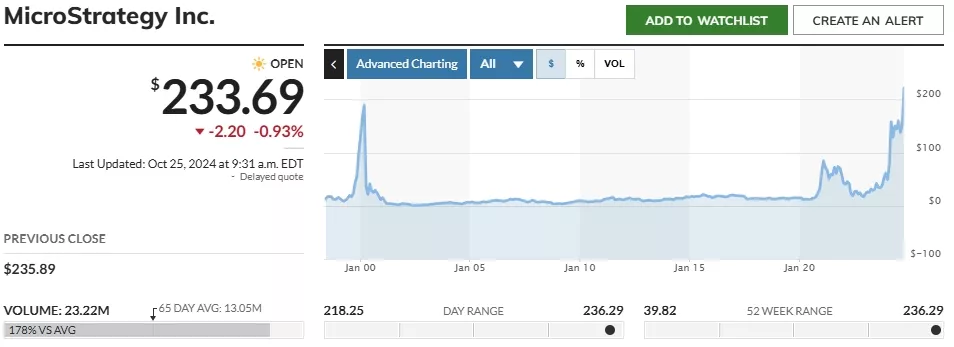
Данные: MarketWatch.

С того момента фирма накопила крупнейшие корпоративные резервы в первой криптовалюте в размере 252 220 BTC. Компания потратила на приобретение цифрового золота ~$9,9 млрд при текущей оценке активов в более чем $17 млрд.

С определенного момента MicroStrategy перешла к активному использованию долгового капитала через размещение конвертируемых облигаций для привлечения средств на покупку биткоина.
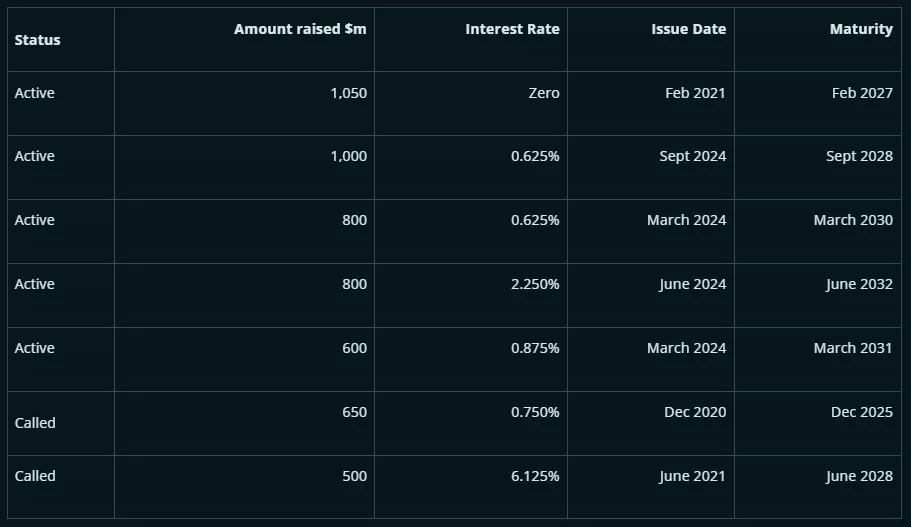
Данные: BitMEX Research.

Эксперты BitMEX опровергли опасения инвесторов касательно возможной ликвидации компанией крипторезервов для погашения обязательств. При нынешней капитализации в более чем $43 млрд у MicroStrategy нет необходимости в подобных шагах, полагают аналитики. Сумма задолженности по бондам составляет примерно $4,25 млрд.

Однако они обратили внимание на историю биткоин-траста от Grayscale. Структура торговалась с премией к цене базового актива, но после преобразования в январе 2024 года в ETF испытала отток средств. Согласно SoSoValue, процесс не прекращается.

Данные: SoSoValue.

Если в какой-то момент премия в котировках MicroStrategy превратится в скидку, то для акционеров станет выгодной ликвидация биткоин-резервов фирмы. Но подобное для развитие событий аналитики считают «крайне маловероятным» — для этого цена криптовалюты должна упасть до $15 000.

Правление Microsoft предложило акционерам поддержать «оценку возможных инвестиций» корпорации в цифровое золото. Основатель MicroStrategy Майкл Сэйлор обратился к главе софтверной компании Сатье Наделла с советом, как «заработать еще один триллион долларов для акционеров».

Hey @SatyaNadella, if you want to make the next trillion dollars for $MSFT shareholders, call me. pic.twitter.com/NPnVvL7Wmj

— Michael Saylor⚡️ (@saylor) October 25, 2024

Напомним, Сейлор заявил о намерении трансформировать MicroStrategy в биткоин-банк с капитализацией в $1 трлн.

Некоторые связали эти планы с его поддержкой хранения криптовалют в крупных финансовых учреждениях. Бизнесмен отверг опасения сообщества на фоне критики.

Оказался не отцом. Как Майкл Сэйлор настроил против себя биткоин-сообщество
Leituras Relacionadas

CPU Makes a Comeback to the Table, A $170 Billion "Power Seizure" Drama Begins

A new era is dawning for the server CPU (Central Processing Unit), driven by the shift from AI model training to large-scale reasoning and the rise of Agentic AI. This article explores how the CPU is reclaiming a central role in the AI data center. For years, the focus has been on the GPU (Graphics Processing Unit) for AI training. However, as AI moves to the inference and Agent phase—where tasks involve complex, multi-step reasoning, tool calls, and data management—the workload balance is flipping. Studies show CPUs now handle over 70% of the workload in Agentic AI, up from 10-30% in training. This is because Agent tasks generate massive intermediate data (KV Cache) that exceeds GPU memory, forcing it to be offloaded to the CPU's larger, more scalable memory pools. This increased importance is translating into market changes. Major players are taking note: NVIDIA launched its first standalone CPU line, Vera, based on ARM architecture and optimized for Agent performance. AMD doubled its server CPU market forecast to over $1200 billion by 2030. Analyst reports project the total server CPU market could reach $1700 billion by 2030, with AI-driven demand being a primary driver. Furthermore, the classic ratio of CPUs to GPUs in AI servers is rapidly changing, converging from 1:8 toward 1:1 for Agent deployments. This surge in demand has led to a rare industry-wide price increase of 10-15% for server CPUs from Intel and AMD, breaking a decade-long trend of "more performance for the same price." Demand is bifurcating into high-core-count CPUs for in-rack GPU support and moderate-core CPUs for standalone Agent task orchestration. In China, this global trend presents an opportunity for domestic CPU manufacturers like Hygon (海光信息) and Huawei Kunpeng, who are bolstered by both growing AI infrastructure needs and national policies promoting technological self-reliance ("xin chuang"). The maturity of their software ecosystems is also accelerating, evidenced by faster adaptation to new AI models. In conclusion, the narrative is shifting from a GPU-centric view to one where CPU-GPU synergy is critical. The CPU is no longer a peripheral component but a performance-defining bottleneck and a key growth driver in the AI hardware stack, opening a massive new market estimated in the hundreds of billions of dollars.

marsbitHá 8h

CPU Makes a Comeback to the Table, A $170 Billion "Power Seizure" Drama Begins

marsbitHá 8h

TechFlow Intelligence: AMD AI Director Publicly Criticizes Claude Code for "Becoming Dumber and Lazier", Trump Claims Full Ceasefire in Hormuz But Strait Still Has 80 Unexploded Mines

TechFlow Intelligence Report: This daily digest covers key developments in AI, crypto, hardware, and geopolitics. In AI, SK Telecom faces US export control scrutiny over its partnership with Anthropic, while a Gemini user reports being misled in a scam scenario, sparking safety debates. China's Z.AI launches the GLM-5.2 model, rivaling Claude Opus without NVIDIA chips. In crypto, Bithumb lists ReProtocol, and Upbit delists KernelDAO. On the hardware front, MIT researchers build a custom OS to study chips, ASML denies US claims its advanced lithography machines are in China, and Amazon considers selling its in-house AI chips. Apple's future A21 Pro chip may use TSMC's latest N2P process. Major tech issues include 10,000 GitHub repositories distributing malware and Apple patching a critical eavesdropping flaw in Beats earbuds. US stocks rise, led by semiconductors, with Intel surging 10.6%, while SpaceX falls 3.5%. Geopolitically, despite a US-Iran deal, the Strait of Hormuz remains risky with ~80 uncleared mines, stalling 80M barrels of oil on standby tankers. Iran postpones Switzerland talks, and Trump calls the agreement an "unconditional surrender." The report highlights a contrast: temporary geopolitical calm versus the ongoing, fundamental restructuring of tech supply chains and chip independence.

marsbitHá 8h

TechFlow Intelligence: AMD AI Director Publicly Criticizes Claude Code for "Becoming Dumber and Lazier", Trump Claims Full Ceasefire in Hormuz But Strait Still Has 80 Unexploded Mines

marsbitHá 8h

Trading

Spot
Futuros
活动图片