В Госдуме РФ считают, что для майнеров необходим единый центр

investing.ruPublicado em 2024-10-15Última atualização em 2024-10-15

Happycoin.club - Первый заместитель председателя комитета Государственной думы РФ по информационной политике Антон Ткачёв заявил во время выступления на форуме Mining.ru о необходимости создания единого центра для майнеров.

По словам депутата от фракции «Новые люди», единый центр сможет объединить под своей эгидой майнинговые компании, владельцев криптовалют и майнинг-агентов.

В качестве такого центра может выступить специализированная банковская организация, находящаяся в управлении Банка России, отметил парламентарий. Он подчеркнул, что майнеры поддерживают российскую экономику в условиях сильного санкционного давления.

Кроме этого, депутат заявил, что следует скрыть от публичного доступа всю информацию, которая будет иметь отношение к проведению тестов трансграничных расчётов в криптовалютах.

По его мнению, нельзя, чтобы недружественные страны располагали подобными сведениями, так как они попытаются усилить санкции против РФ.

В итоге депутат подчеркнул ещё раз, что майнинг является важным сегментом национальной экономики, нуждающейся в поддержке со стороны государства и привлечении дополнительных инвестиций.

Стоит отметить, что последнее время власти уделяют всё больше внимание майнинговой отрасли, предлагая различные решения для ее дальнейшего контроля и налогообложения.

Читайте оригинальную статью на сайте Happycoin.club

Leituras Relacionadas

Why 2026 could redefine Ethereum, Solana, Base and Avalanche

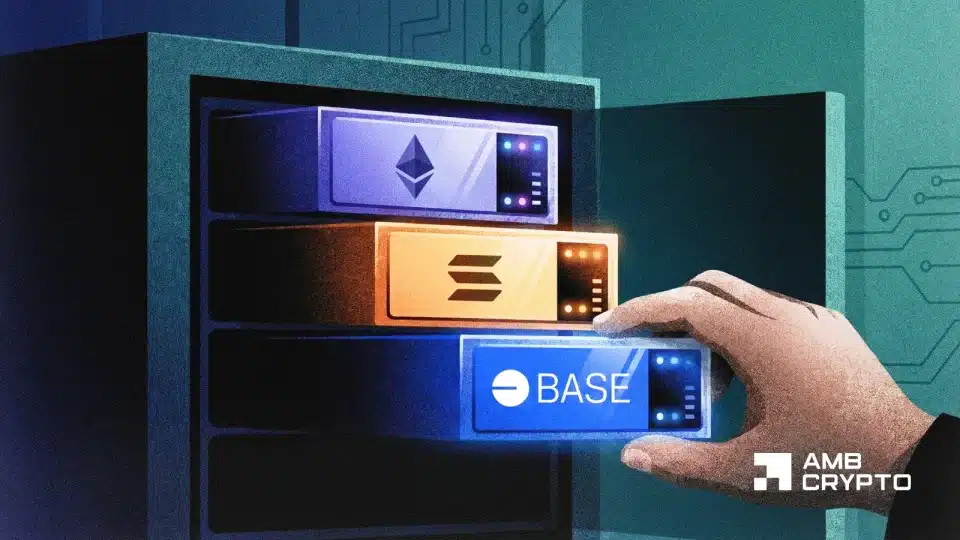
Blockchain infrastructure is undergoing a major coordinated transformation, driven by institutional demand for reliability, compliance, and predictable settlement. Over $30 billion in Real-World Assets (RWA) on-chain has exposed network weaknesses. Major blockchains are responding with foundational upgrades, moving beyond incremental speed improvements. Ethereum's "Glamsterdam" upgrade, planned for H1 2026, will significantly increase gas limits and introduce features like PBS (pre-blocked state) for enhanced settlement and parallel execution. Solana's "Alpenglow," targeting a mainnet launch in H2 2026, focuses on reducing finality time dramatically and freeing network resources to improve reliability. Beyond speed, compliance is critical. Base's "Beryl" upgrade in Q3 2026 will introduce a standardized, regulatory-compliant token framework (B20). Avalanche's "Octane" upgrade aims to boost transaction processing and reduce costs for enterprise applications. Even Bitcoin is evolving with the potential activation of OP_CAT by late 2026/early 2027. The competition is shifting. While technical upgrades are widespread, institutions will ultimately allocate capital based on proven execution, operational resilience, and regulatory compatibility during market stress. Ethereum currently leads in tokenized assets, while networks like Base and Solana are strengthening their institutional offerings. The blockchain that best delivers reliable, compliant, and uninterrupted service is poised to attract the greatest share of future institutional capital.

ambcryptoHá 17m

Why 2026 could redefine Ethereum, Solana, Base and Avalanche

ambcryptoHá 17m

Tiger Research: Take RWA Tokenization Overseas First

This article discusses the strategic choices facing financial institutions in jurisdictions lacking mature regulatory frameworks for Real-World Asset (RWA) tokenization. With the market growing rapidly, institutions must choose between waiting for local legislation, using regulatory sandboxes, or—the recommended priority—expanding into overseas markets to gain early experience. Successfully launching cross-border RWA tokenization requires meticulous preparation across six key areas: establishing an overseas base (e.g., Hong Kong, Singapore, the U.S.), securing necessary licenses, defining the tokenized asset (with bonds being simpler than non-standard assets), defining the target investor scope, deciding on settlement currencies/payment flows, and designing operational requirements like custody and on-chain governance. The article outlines two primary strategic paths: a direct "onshore" path and a "native on-chain" path. The direct path involves setting up a legal entity and obtaining licenses in a mature jurisdiction like Hong Kong, Singapore, or the U.S., leveraging existing platforms (e.g., DigiFT, Securitize) for efficiency. The alternative native on-chain path involves partnering with compliant, decentralized platforms (e.g., Ondo, Plume Nest) that use structures like offshore SPVs to facilitate tokenization and access DeFi liquidity, offering speed and broader reach but with greater structural complexity. The core argument is that institutions should not wait for perfect domestic regulation. A detailed hypothetical case study illustrates the multi-step, 6-12 month process of launching an overseas tokenized bond. The key takeaway is that the essence of a tokenization business lies not in the technology but in successfully executing the entire sales and operational process. The market is moving forward, and the time to act is now.

marsbitHá 28m

Tiger Research: Take RWA Tokenization Overseas First

marsbitHá 28m

Trading

Spot
活动图片