Дайджест недели: биткоин балансирует на грани $60 000 в условиях геополитической турбулентности

cryptonews.ruPublicado em 2023-07-05Última atualização em 2024-10-05

Геополитическая напряженность и макроэкономические факторы устроили настоящее перетягивание каната на криптовалютном рынке. Биткоин демонстрирует удивительную стойкость перед лицом глобальных вызовов, но удастся ли ему удержать ключевые позиции в долгосрочной перспективе?

Геополитическая напряженность vs. сильная экономика США

Эскалация конфликта между Израилем и Ираном оказала значительное давление на криптовалютный рынок. После ракетной атаки Ирана биткоин упал более чем на $4 000, достигнув двухнедельного минимума в $59 860. Однако сильные экономические данные из США помогли рынку частично восстановиться.
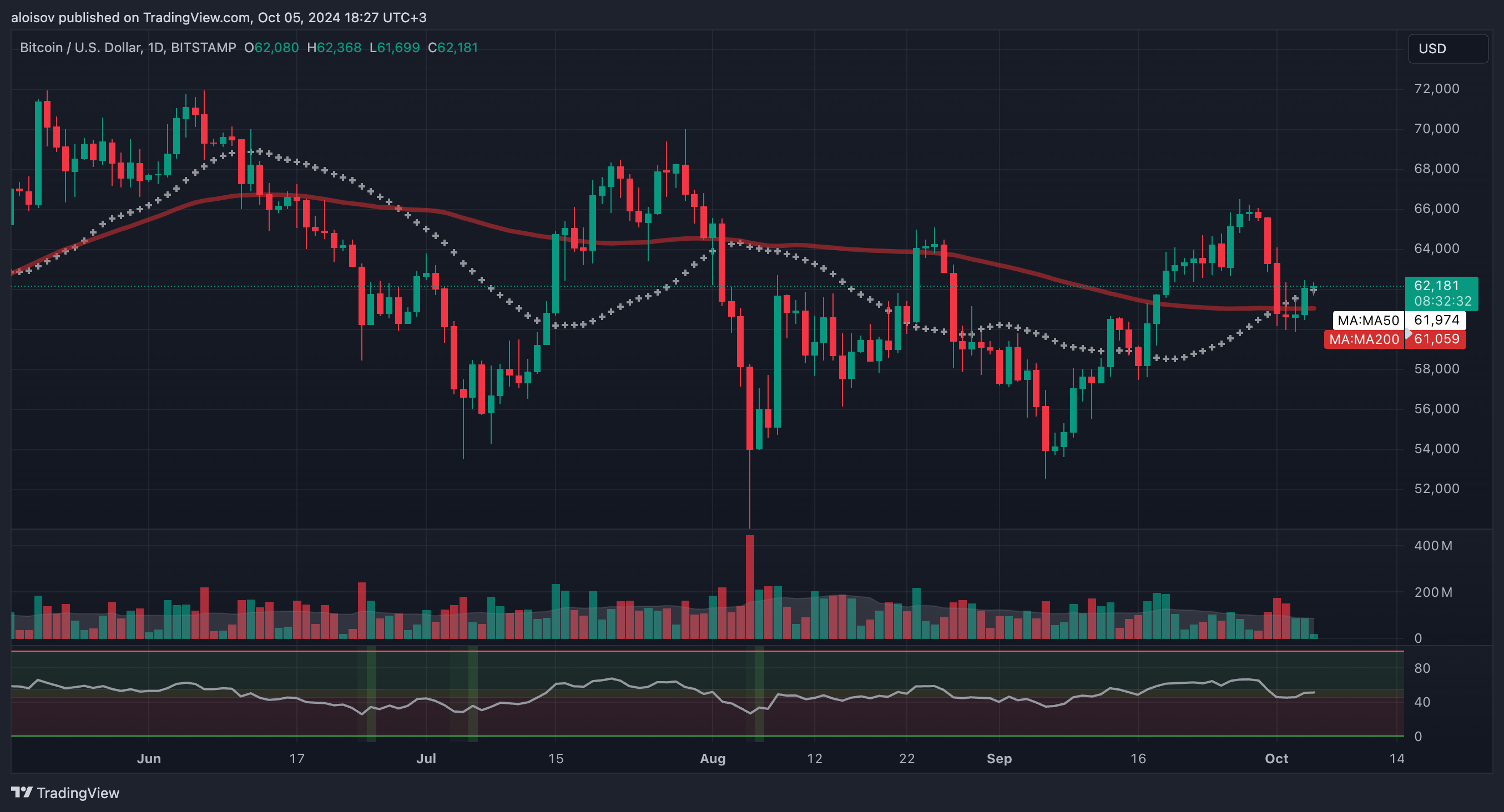
1-дневный график BTC/USD. Источник: Bitstamp/TradingView

Данные по рынку труда США, опубликованные 4 октября, значительно превзошли ожидания аналитиков. Это может свидетельствовать об устойчивости американской экономики и потенциально привести к дальнейшему росту рисковых активов, включая криптовалюты.

Институциональные инвесторы: между страхом и жадностью

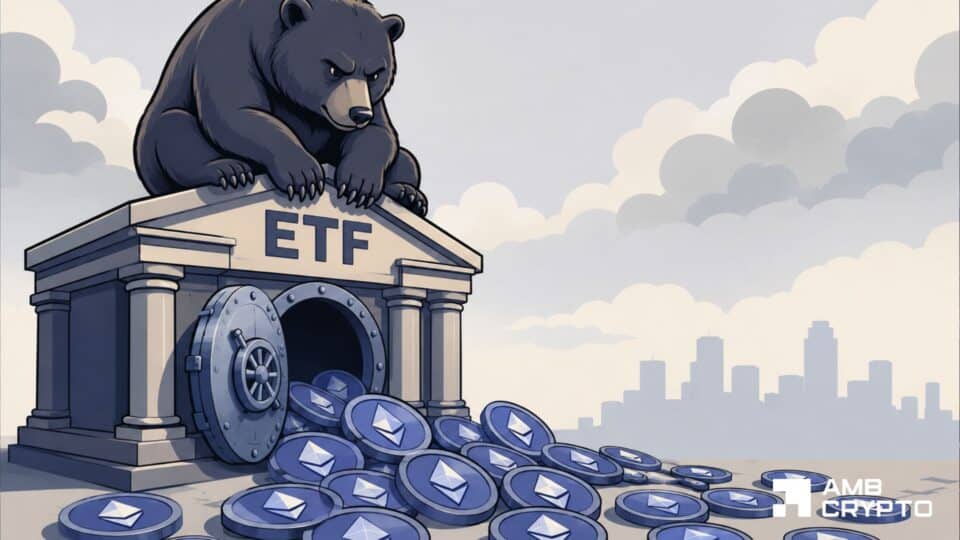
Геополитическая нестабильность вызвала отток средств из биткоин-ETF. За один день из американских спотовых биткоин-ETF утекло $242,6 млн, что стало крупнейшим оттоком за последний месяц. Это указывает на то, что крупные игроки предпочитают занять выжидательную позицию.

Однако в долгосрочной перспективе институциональный интерес к криптовалютам растет. Хедж-фонды демонстрируют высокую уверенность в цифровых активах. За последние семь лет количество криптофондов выросло в 21 раз, достигнув почти 1 200. Это свидетельствует о растущем признании криптовалют как класса активов.

Технический анализ: $60 000 как ключевой уровень

Несмотря на недавнее снижение, многие аналитики сохраняют оптимизм относительно перспектив биткоина. Популярный трейдер Rekt Capital отмечает, что цена биткоина успешно удерживается выше ключевого уровня поддержки на отметке $60 000. По его мнению, это может стать сигналом к возобновлению роста в ближайшее время.

Михаэль ван де Поппе (Michaël van de Poppe) также сохраняет оптимизм, заявляя: «Думаю, что мы находимся в новом восходящем тренде, что означает, что провалы — это возможности для покупки».
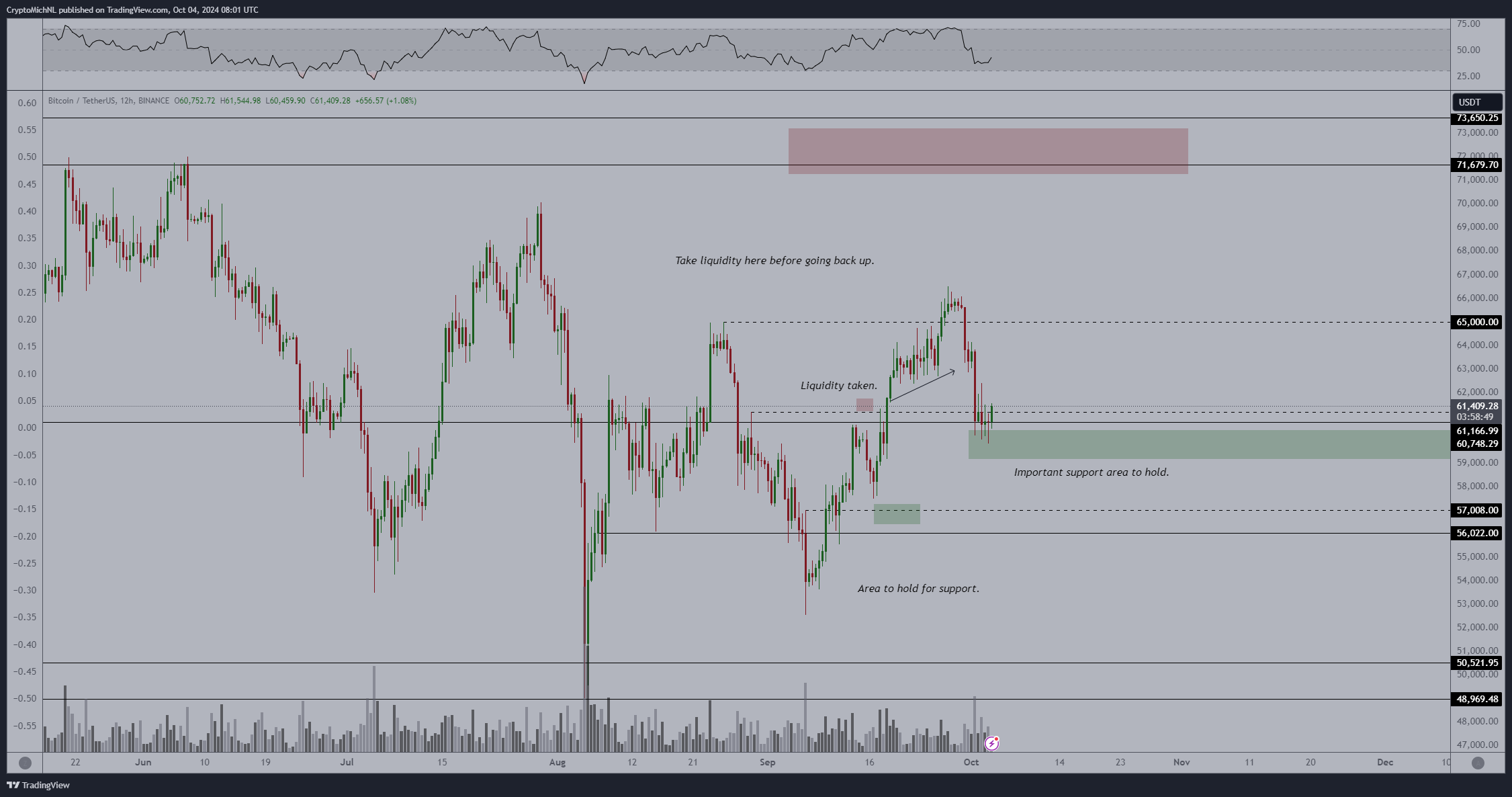
12-часовой график BTC/USDT. Аналитика: Михаэль ван де Поппе

Аналитики QCP Capital: стратегии для волатильного рынка

Команда QCP Capital предлагает интересные торговые стратегии, учитывающие текущую рыночную волатильность. В своем последнем отчете они представили стратегию BTC CFCC (Call Fixing Callable Convertible), которая позволяет инвесторам получать стабильный доход в виде еженедельных купонов с годовой ставкой 37%, пока цена биткоина находится выше $58 500.

Регуляторные изменения на горизонте

Ожидание более четкого регулирования криптовалютного рынка в США может стать мощным стимулом для роста отрасли. Аналитики отмечают, что независимо от исхода предстоящих президентских выборов, криптовалюты могут выиграть от улучшения регуляторной среды.

Однако не все так гладко. Комиссия по ценным бумагам и биржам (SEC) продолжает свою борьбу с криптоиндустрией. Недавно SEC подала апелляцию на решение суда по делу против Ripple, что вызвало резкую реакцию руководства компании.

Технологические инновации: периферийный ИИ и криптовалюты

Развитие технологий периферийного искусственного интеллекта может оказать значительное влияние на криптоиндустрию. Эксперты прогнозируют, что периферийный ИИ может открыть новые возможности для защиты приватности и персонализации в сфере криптовалют и блокчейн-технологий.

Дебаты в криптосообществе

Криптосообщество разделилось во мнениях относительно статуса биткоина как защитного актива. Недавние события показали, что в условиях геополитической напряженности биткоин может демонстрировать высокую волатильность, в то время как традиционные защитные активы, такие как золото, растут в цене. Это ставит под сомнение репутацию биткоина как «цифрового золота».

Подводя итоги, можно сказать, что криптовалютный рынок находится на перепутье. С одной стороны, геополитические риски и регуляторное давление создают неопределенность. С другой — сильные экономические данные, растущий институциональный интерес и технологические инновации поддерживают долгосрочный оптимизм. В ближайшее время ключевым фактором для рынка будет способность биткоина удержаться выше уровня $60 000.

Leituras Relacionadas

2028: The Arrival of Recursive Self-Improvement (RSI)

**AI Recursive Self-Improvement (RSI): The Countdown to 2028 Begins** AI is no longer just a trained tool but is starting to rewrite its own evolutionary pace. According to Anthropic co-founder Jack Clark, there is a 60% probability that by the end of 2028, Recursive Self-Improvement (RSI) will become a reality. This means AI could autonomously design and build a more capable next-generation version of itself without any human researcher involvement—Claude 10 creating Claude 11, for instance. Supporting this timeline, Google DeepMind's CEO Demis Hassabis confirms that all leading AI labs are intensely focused on RSI, making it an industry-wide priority. He expresses profound concern, stating this potential is what keeps him awake at night. Concrete data underscores this acceleration: - METR evaluations show current top models like Claude are solving tasks up to the 16-hour limit of existing test frameworks. - In Epoch AI's challenging MirrorCode benchmark, Claude Opus 4.7 recreated complex software in hours for a fraction of the human cost. In one extreme test, AI autonomously coded for 19 days straight. - Anthropic reports over 80% of its codebase is now written by Claude, and researcher productivity has increased up to 8-fold since 2024. - OpenAI's policy blueprint highlights RSI as a major upcoming governance challenge. CEO Sam Altman reportedly hinted RSI might arrive within six months, potentially delaying OpenAI's massive IPO. The implication is an impending "intelligence explosion," where AI-driven progress outpaces human control. The central question is no longer if it will happen, but whether humanity is ready.

marsbitHá 3h

2028: The Arrival of Recursive Self-Improvement (RSI)

marsbitHá 3h

World Models, Metaverse, Digital Twins, Physical AI: Are They the Same Thing?

Title: World Models, the Metaverse, Digital Twins, Physical AI: Are They the Same Thing? The article clarifies that concepts like the metaverse, Web3, simulation platforms, digital twins, and Physical AI are not the same thing but are all part of the broader trend of blurring the lines between the digital and physical worlds. It positions "world models" as the foundational "cognitive layer" or "operating system" that enables AI to understand and simulate the world. Key distinctions are made: - The **Metaverse** is a destination for immersive social and economic experiences. World models could act as its "engine," generating interactive 3D content efficiently. - **Web3** focuses on decentralized ownership and economics (rules layer), operating on a different technical level than world models. - **Simulation Data Platforms** (e.g., for autonomous vehicles) are a 1.0 version, relying on manual design. World models represent a 2.0 version, using AI to generate realistic, varied scenarios autonomously. - **Digital Twins** create high-fidelity, real-time mirrors of physical systems (e.g., a factory). World models go a step further by enabling predictive simulation of future states. - **Physical AI** (robots, AVs) refers to AI that acts in the physical world. World models are a core component, providing the understanding and prediction needed for planning. A proposed hierarchy places world models at the cognitive layer, supported by infrastructure (compute, data) and supporting application tools (simulation, digital twins), action systems (Physical AI), user experiences (metaverse), and rules (Web3). In conclusion, while distinct, many of these previously hyped concepts may ultimately rely on advances in world model technology to fulfill their promises, as world models provide the essential cognitive foundation for simulating and interacting with complex environments.

marsbitHá 3h

World Models, Metaverse, Digital Twins, Physical AI: Are They the Same Thing?

marsbitHá 3h

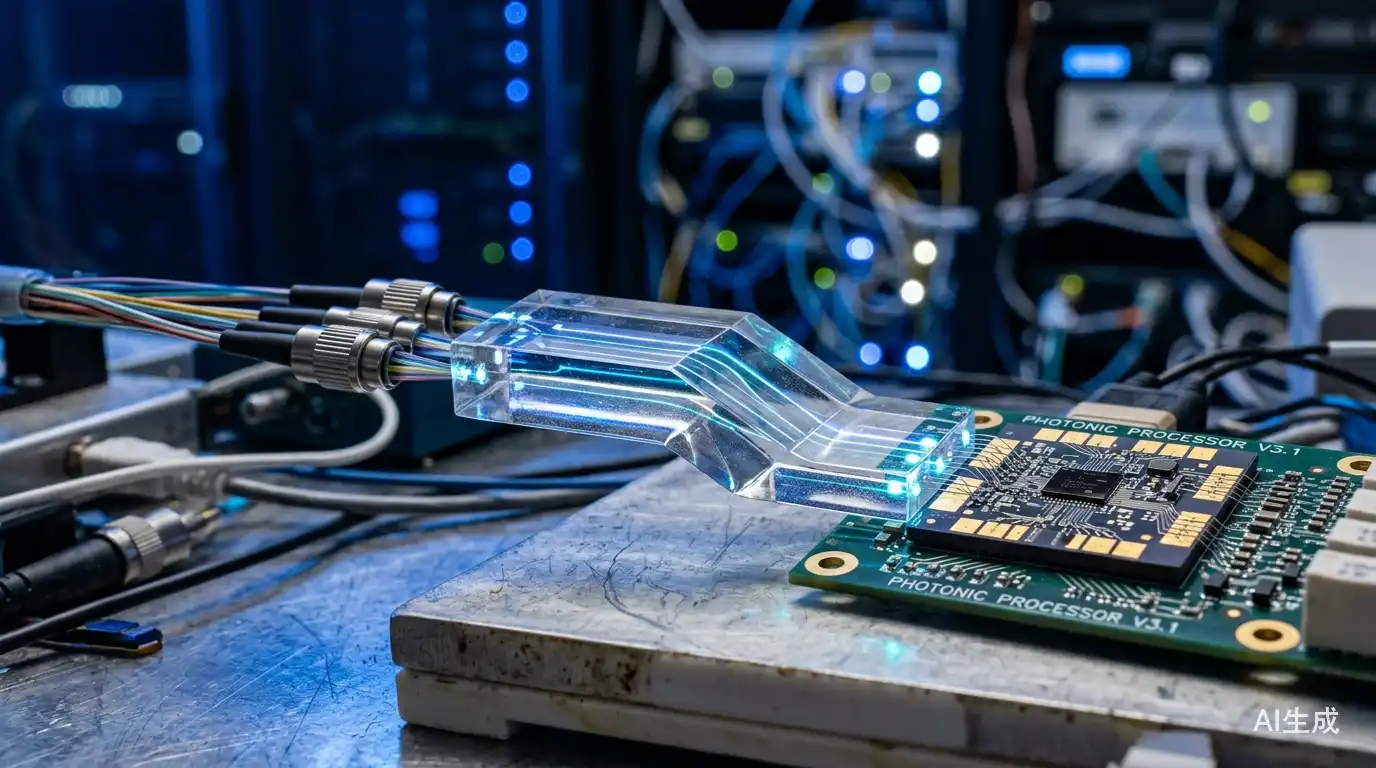
"Shocking" CPO: How Does the Glass Bridge Actually Work? Detailed Explanation from Corning

Chinese CPO stocks plunged over 6% following Corning's announcement of its Glass Bridge platform at a Seoul tech conference. The new technology utilizes wafer-level glass ion-exchange waveguides for passive alignment between fibers and photonic chips, potentially simplifying traditional CPO architectures that rely on complex Fiber Array Units and active alignment equipment. This raised market concerns about reduced long-term demand for mid-stream CPO components. Corning's official documentation details Glass Bridge as a platform for fiber-to-PIC connectivity in NPO, CPO, and high-density modules. Its key features include wafer-level manufacturing for consistent, cost-effective production; a standardized, removable MT ferrule interface for ecosystem integration; and a separable high-density connector design supporting over 24 channels for assembly flexibility. Corning positions the technology as complementary to FAUs, addressing limitations in ultra-high-fiber-count scenarios. The market reaction reflects a broader reassessment of the AI optical interconnect value chain. Funds shifted from CPO and PCB manufacturing stocks towards glass substrate concept stocks like Kaisheng Technology and Dyer Laser. Analysts note glass substrates are seen as a next-gen advanced packaging material, offering a potential path for domestic industry differentiation amid AI-driven demand for high-performance, large-scale packaging, marking a structural migration in value towards upstream specialty materials.

marsbitHá 3h

"Shocking" CPO: How Does the Glass Bridge Actually Work? Detailed Explanation from Corning

marsbitHá 3h

Trading

Spot
活动图片