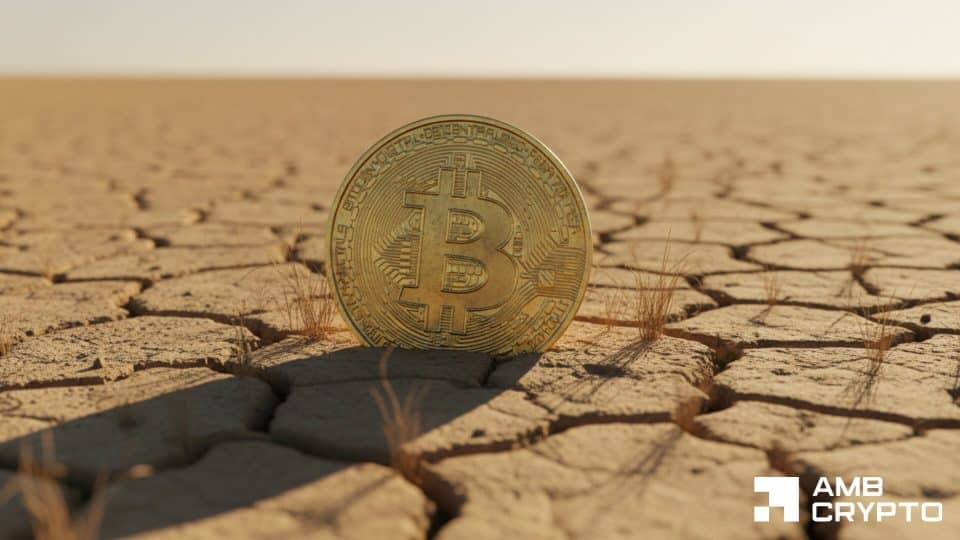
Эксперты Keyrock назвали стратегию аирдропов неудачной

cryptonews.ruPublicado em 2024-05-04Última atualização em 2024-10-04

В 2024 году рынок криптовалют столкнулся с нестабильностью, и аирдропы — одна из стратегий привлечения инвесторов — показали неоднозначные результаты. Из 62 бесплатных раздач, проанализированных Keyrock, лишь 8 принесли положительную доходность спустя 90 дней: по 4 на базе сетей Ethereum и Solana.

Это подчеркивает важность выбора сети для проведения таких кампаний. Solana, ставшая популярной среди розничных инвесторов, показала 25% успеха, в то время как Ethereum — только 14,8%. Остальные блокчейны, включая BNB, Starknet и Arbitrum, не смогли продемонстрировать ни одного успешного аирдропа.

Основной причиной неудач стала завышенная оценка Fully Diluted Valuation (FDV), которая сильно ограничивает потенциал роста проектов. Этот показатель требует значительных объемов ликвидности, которая часто оказывается недоступной. В результате такие токены сталкиваются с резким падением цен, когда получатели аирдропов начинают продавать свои активы, как это произошло с ZKLend, который потерял 95% своей стоимости.

Тем не менее, аирдропы с большими объемами распределения (более 10% от общей эмиссии) показали лучшие результаты в плане удержания членов сообщества и последующей стоимости. Проекты с распределением менее 5% часто сталкивались с быстрой распродажей, что приводило к снижению их котировок в кратчайшие сроки. Это подчеркивает важность грамотного подхода к распределению токенов.

Ключевым фактором успеха стало наличие ликвидности, способной поддерживать стабильную цену криптоактивов. В проектах, где ее было недостаточно, цена падала под давлением массовых распродаж. Однако, несмотря на негативные результаты в большинстве случаев, такие проекты, как WEN и JUP, сумели выстроить успешные стратегии распределения и удержания инвесторов, благодаря реалистичной оценке FDV и доступной ликвидности. Для большинства инвесторов наилучшей стратегией остается продажа токенов в первый день аирдропа, так как 85% из них сталкиваются с падением цен в течение нескольких месяцев.
Leituras Relacionadas

Forbes Feature: Stablecoin Cross-Border Payments Are Faster, But Not Yet Cheaper

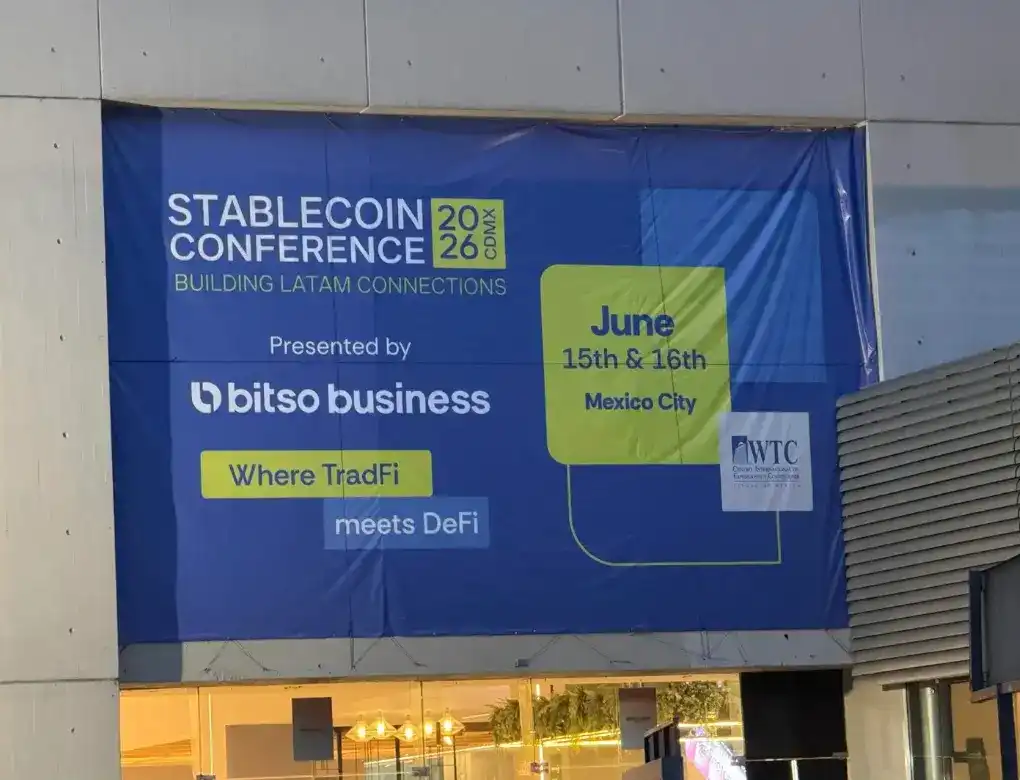
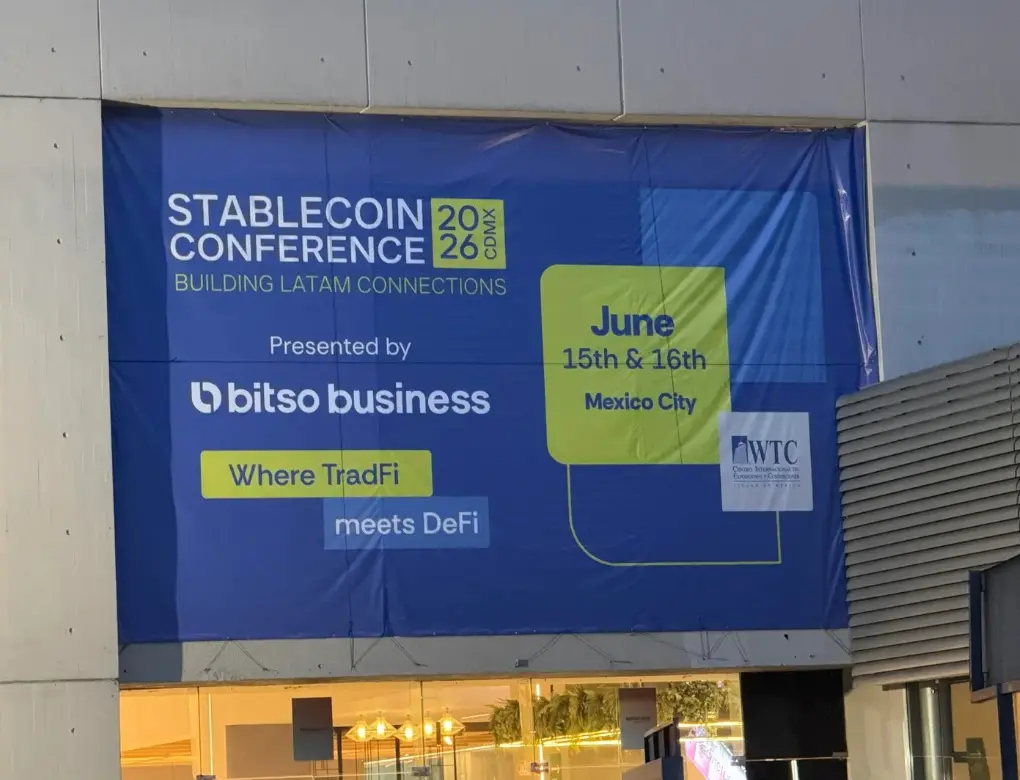
A Forbes feature delves into the state of stablecoin-based cross-border payments, noting rapid growth but a key shortfall: while faster and more accessible, they are not yet cheaper. At a recent industry conference in Mexico City, optimism about technology, regulation, and volume was tempered by discussions with practitioners. The core issue is liquidity. Traditional FX brokers charge 60-70 basis points, and stablecoins promise to slash this to 2-5 basis points. However, this theoretical cost advantage cannot be realized until deep liquidity pools are established at scale, requiring significant institutional capital inflow. A major adoption barrier is trust. Businesses often rely on long-standing relationships with traditional brokers, valuing reliability over marginal cost savings. This shift will be gradual. Furthermore, successful companies in the space are not positioning themselves as replacements for legacy systems like SWIFT, but as complements. They leverage stablecoins for speed while using traditional rails for their standardization and reliability in ensuring accurate payment details—a critical factor for supplier payments to avoid customs issues. Companies like Caliza, experiencing high monthly growth, exemplify this hybrid approach. The industry anticipates consolidation, as long-term viability will depend on securing the essential trifecta: proper licensing, robust fiat on/off-ramps, and deep liquidity. Without these, firms risk being mere intermediaries rather than building sustainable businesses.

marsbitHá 3m

Forbes Feature: Stablecoin Cross-Border Payments Are Faster, But Not Yet Cheaper

marsbitHá 3m

Li Feifei's Latest Article: When Video Generation, Robotics, and NVIDIA All Claim to Have 'World Models,' We Need a Taxonomy

"World Model" has become a widely used yet ambiguous term in AI. Drawing from the classic POMDP framework (agent → action → state → observation), this article proposes a functional taxonomy to clarify the concept. It identifies three distinct types, categorized by their output in the perception-action loop: 1. **Renderers**: Output visual observations (pixels). These models, like advanced video generators, prioritize visual fidelity but often lack underlying physical accuracy. 2. **Simulators**: Output the state of the world (geometry, physics, dynamics). They provide a structurally accurate representation for professionals (e.g., architects) and serve as training environments for robots and AI agents. 3. **Planners**: Output actions. Given an observation and a goal, they determine what an agent should do next, closing the perception-action loop (e.g., vision-language-action models). While renderers are currently the most commercially mature and planners are the most aspirational, the article argues that **simulators are the crucial, underappreciated hub**. By working at the level of geometry and physics, a simulator can project upwards to create visuals for humans and downwards to predict action consequences for agents. The future lies in the convergence of these three functions. Emerging research and products, like World Labs' Marble model which outputs both visual splats and physical collision meshes, are beginning to blur these boundaries. The logical endpoint is a unified world foundation model capable of rendering, simulating, and planning based on a shared understanding of spatial and temporal structures—ultimately enabling machines to understand, imagine, and interact with the physical world.

链捕手Há 14m

Li Feifei's Latest Article: When Video Generation, Robotics, and NVIDIA All Claim to Have 'World Models,' We Need a Taxonomy

链捕手Há 14m

Trading

Spot
活动图片