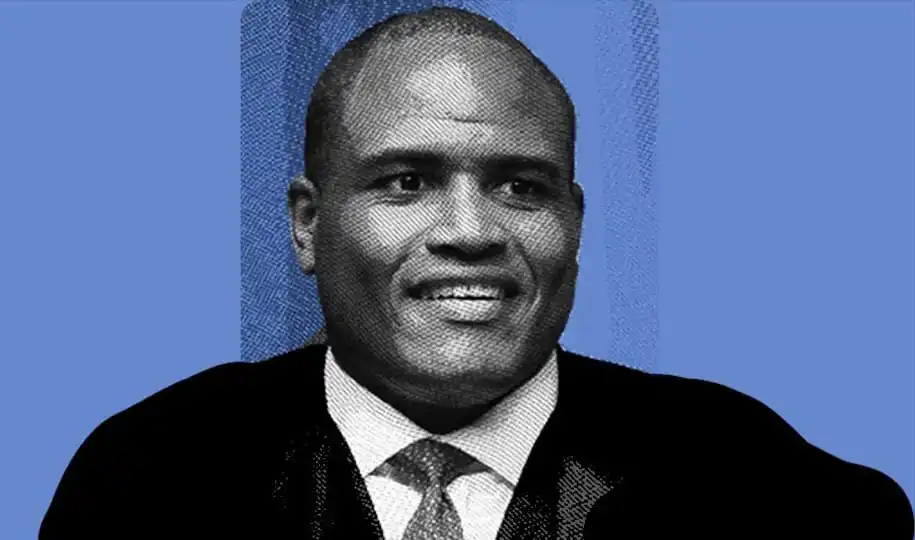
From its relatively humble beginnings in 2017, CoinEx has grown into a major cryptocurrency exchange player that has been working its way up the market rankings with ease. Recently, CoinEx was rated by the media as one of the Top Crypto Exchanges in 2024. Managing the exchange is CEO Haipo Yang, who has guided his ward through the cutthroat competition with a different approach: innovation and keep their mantra of “user first.” Recently, Yang spoke about CoinEx’s growth trajectory, the strategies propelling this success, and the outlook of the future for the cryptocurrency industry.
CoinEx’s Emergence and Market Position
Not as high-profile, CoinEx has still managed to establish an excellent standing for itself against its competitors in the highly-stacked cryptocurrency exchange arena. Yang calls the platform “a resilient and robust pillar in the crypto world,” adding that though CoinEx may not be as prominent as some market giants, the exchange has managed to create a solid backbone through its steady progress and continuous innovation. From its very beginning, CoinEx has adhered to the principle of putting a premium on its users and offering “good, fast, comprehensive” tokens. This has helped it achieve such remarkable success: it already supports more than 10 million users from over 200 countries and regions. “Our users trust us deeply and interact with us frequently,” Yang points out, underlining the very foundation of CoinEx’s success in its growing user base.
Yang’s Extensive Knowledge in Tech and Blockchain
Thanks to his extensive experience in the tech and blockchain sector, Haipo Yang led the development of CoinEx and set its strategic course. Before founding CoinEx, Yang worked as a software engineer for big technology companies like Tencent and started embracing the blockchain world in 2014. He has worked in various fields of the sector, including mining machines, mining pools, cloud mining services, wallets, exchanges, and public chains. “I believe my background has provided valuable insights into both the business operations and technical aspects of the crypto industry,” says Yang. However, he insists that what forms the very foundation of CoinEx’s success is not himself, but the values held dear by the company. “The most important influence on an enterprise should always be its values,” he says, explaining that CoinEx’s orientation to long-termism drove sustained value for users and the industry through product development, team management, and service refinement.
Introducing the CoinEx Team
CoinEx’s success relies on approximately 400 global workers. Yang says, “They are the most significant asset of the company and the fundamental power that drives CoinEx ahead.” The team includes top blockchain, FinTech, Internet, and brand marketing experts. “I recruited and trained most of them,” Yang claims. “Most have professional credentials.
The organization values “integrity, entrepreneurship, excellence, and win-win.” The above concepts guide their business decisions. Yang says these shared ideals help the team execute their business sectors with precision, speed, and vigor. “We have built a strong foundation through the continuous influx of talented professionals who share our vision and commitment,” he adds. CoinEx means a great deal with an organization that is full of expertise and commitment, as this can innovate and adapt to the rapidly changing market.
Adapting to Market Changes and Challenges
Since the founding of CoinEx, the market of digital currency has more or less changed. The sector consisted only of technocratic enthusiasts because of general mistrust of new technology and digital assets, recalls Yang. The market now has over 700 million users with a valuation of more than $2 trillion.
But with new open doors come different challenges. Cryptocurrency-related regulation is getting clearer and more complex to follow. Yang points this out: “While regulatory clarity brings standardization, it also introduces operational challenges.” He adds that the industry needs to carefully traverse regulatory landscapes if it’s going to successfully balance the dynamics of compliance and innovation for sustainability.
CoinEx: Competitive Advantage
The competitive space has indeed allowed CoinEx to inch its way to the top by leveraging a wide range of products and services. Yang attributes their success to a rigorous approach towards compliance and security, diverse products and services, and strategic global partnerships. “Commitment to compliance and security has been one of the cornerstones of our success,” he says. The services offered on its platform range from spot trading to leveraged trading, futures trading, and financial management services. Yang highlights the importance of offering high-value, risk-filtered projects to users, complete with deep market resources. “We work with only the best projects and service providers globally, ensuring that our users can access top-of-the-line products,” he said.
Of course, another important point is CoinEx’s global strategy: with users in different geographic locations, CoinEx has worked out a localized strategy to meet regional needs and adapt to the different regulatory situations. Yang also underscored the power of innovation within the firm. “Whether it is DeFi or NFTs, we explore and participate in emerging trends.”
The Role of CET in CoinEx’s Ecosystem
According to Yang, CoinEx’s platform token, CET, is a crucial tool for connecting with and incentivizing our users. By holding and using CET, users can enjoy various discounts and services on the platform, such as trading fee discounts, VIP exclusive privileges and priority participation in platform events. These benefits enhance the user’s trading experience and increase their loyalty and engagement with the platform.
CET plays an important role in incentivizing within our ecosystem. Through various activities and programs, such as CET staking and reward plans, we encourage users to hold and use CET. These incentive mechanisms increase the demand for CET and enhance user engagement.Yang said,CET is more than a token; it reflects CoinEx’s principles and commitment toward the future of cryptocurrencies.
Commitment to the Value and Future of CET
That commitment of CoinEx towards CET is reflected in the way it manages and promotes the token. According to Yang, a part of CET belongs to CoinEx itself for team incentives and market promotions. Yet, it has no intention to sell those tokens in the market. “This approach demonstrates our confidence in CET and our long-term vision,” he says. He added that the exchange is committed to further developing more use cases for CET while enhancing its value through innovative products and services. Some initiatives include adding CoinEx Dock for IEO, CET Staking for on-chain staking, and CoinEx Mining for token airdrops. CoinEx, Yang said, intends to further promote the development of CET and deepen its position in the digital currency ecosystem. “We would still invest in CET and continue to find other opportunities for its growth.”
Crypto Market: The Road Ahead
With that, Yang is now cautiously optimistic about 2024 for the cryptocurrency market. The founder does, however, acknowledge the less-than-ideal macroeconomic environment, usually characterized by high interest rates and tight monetary policies, which would naturally favor low-risk traditional assets at the expense of liquidity in the crypto market. While these conditions present challenges, Yang said the core value and technological advantages of cryptocurrencies remain strong.
While it continues to grow and innovate, CoinEx is well-positioned for future success with its special focus on user experience, strategic expansion, and commitment to CET. The keen insights of Yang show clarity of vision to sail through the changing crypto landscape and ensure years of sustained growth.
About CoinEx
Established in 2017, CoinEx is a global cryptocurrency exchange committed to making trading easier. The platform provides a range of services, including spot and futures trading, margin trading, swap, automated market maker (AMM), and financial management services for over 10 million users across 200+ countries and regions. Since its establishment, CoinEx has steadfastly adhered to a “user-first” service principle. With the sincere intention of nurturing an equitable, respectful, and secure crypto trading environment, CoinEx enables individuals with varying levels of experience to effortlessly access the world of cryptocurrency by offering easy-to-use products.
To learn more about CoinEx, visit: Website | Twitter | Telegram | LinkedIn | Facebook | Instagram | YouTube