151 天市值 20 亿美金,通证化国债实现爆炸式增长

深潮Publicado em 2024-08-28Última atualização em 2024-08-28

目前,BUIDL 的资产已经达到了 5.03 亿美元,几乎碾压了其他通证化国库领域的投资机构。‍

来源:bitcoinist

编译:区块链骑士

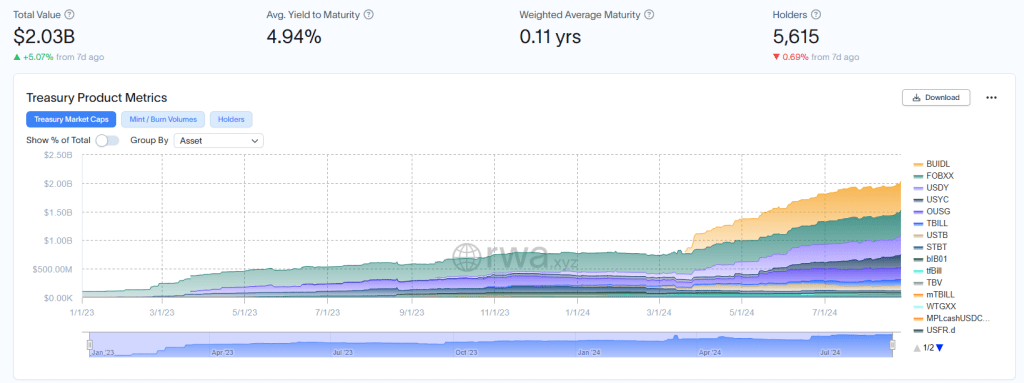
通证化国债市场已经达到了 20 亿美元的市值,仅仅用了 151 天。大量机构的投资是这一显著增长的根本原因,其中最大的参与者非贝莱德莫属

不过,随着贝莱德美元机构数字流动性基金(BUIDL)的推出,这一切正在发生变化。目前,BUIDL 的市值已经达到了 5.03 亿美元,几乎碾压了其他通证化国库领域的投资机构。

在四个月的时间里,BUIDL 的市值增长到约 5.03 亿美元,成为通证化国债领域最大的单一基金。

该基金的成功不仅给投资者带来了一定程度的信心,也吸引了更多投资者对通证国债的兴趣

此外,其他知名基金的增长并不令人印象深刻。例如 Franklin Templeton 的 OnChain 美国政府货币基金 FOBXX,以及 Ondo Finance 的美元收益率基金 USDY。

这些公司的收入也有所增长,但基数较低,分别为 4.25 亿美元和 3.64 亿美元。

机构资金价值的上升不仅推动了市值的增长,还为通证化国债带来了巨大的可信度

现在,投资者更愿意涉足这一创新金融产品,让传统的政府证券世界从区块链技术带来的好处中获益。

通证化国债通过将美国国债资产数字化,在以太坊和 Solana 等公共区块链上提供无缝交易

这一技术突破简化了美国国债的交易,并向包括外国人在内的更多投资者开放了美国国债市场。它将证券转化为数字通证,降低了市场准入门槛。

通证化带来的最大好处之一是流动性。对于想要赎回资金的投资者来说,通证化的证券和资产是全天候的,这与传统市场完全相反。

人们还可以通过使用智能合约将他们的通证兑换为稳定币,轻松获得现金,而无需经过传统金融市场的漫长等待

通证化国库领域的人分析师预测了一个相对乐观的前景。由于对该资产类别感兴趣的 DeFi 项目和 DAO 数量持续上升,到年底市场规模可能会略高于 30 亿美元

尤其是部分公司发现通证化国债非常适合纳入其投资组合,因为这将使它们获得稳定和无风险的收益。

但是,市场也必须面对不利因素。例如宏观经济因素、投资者的负面情绪等。如果利率上升幅度过大,这种通证化资产的诱惑力就很容易消失。此外还有监管障碍问题,传统金融与区块链技术的融合在很大程度上仍是未知领域。
Leituras Relacionadas

Can Alibaba Cloud Rewrite Itself?

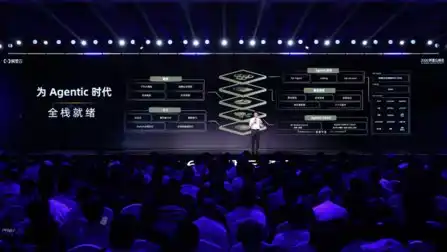
Over the past five months, Alibaba Cloud's MaaS (Model as a Service) revenue has surged 15x, marking a strategic overhaul where the company is shifting its 17-year-old system designed for "humans using cloud" to a new paradigm centered on "Agents consuming Tokens." At its recent summit, Alibaba Cloud announced a full-stack upgrade encompassing "chip-cloud-model-inference," all optimized for AI Agents. Key launches include the new AI product portal "QianWen Cloud," hyper-node servers powered by the in-house AI chip Zhenwu M890, and the latest flagship model, Qwen3.7-Max. Senior VP Liu Weiguang described this as building "China's largest AI factory," where chips are raw materials, the cloud is the workshop, models are machines, and the inference platform is the assembly line, with Tokens as the final product. The company is now emphasizing its chip strategy, unveiling the Zhenwu M890 and a two-year roadmap for future chips. With over 560,000 chips deployed across 400+ clients, Alibaba Cloud aims to control the marginal cost per Token, mirroring Google's integration of TPU and Gemini for optimal cost-performance. The cloud infrastructure itself is being rewritten. Traditional cloud interfaces are being transformed into standardized, Agent-callable Skills. A new scheduling logic focuses on "task scheduling" over "resource scheduling" to handle the unpredictable, elastic workloads of Agents. Liu noted that AI applications now automatically provision cloud resources, with one customer's daily automated provisioning equaling two weeks of manual work. For models, the focus has shifted from conversational prowess to execution capability. Qwen3.7-Max demonstrated this by autonomously writing and optimizing a production-grade AI compute kernel for the new Zhenwu M890 chip over 35 hours, achieving a 10x performance improvement. The underlying Bailian platform was upgraded for efficiency, and it maintains an open ecosystem, hosting third-party models. This restructuring extends beyond technology to sales, organization, and metrics. Alibaba Cloud has established dedicated MaaS sales teams, separated from traditional IaaS, with new KPIs focusing on high-quality Tokens that solve real problems, the number of core business systems integrated with models, and the efficiency of Agent task completion. The underlying bet is clear: AI represents an opportunity orders of magnitude larger than before. Despite the uncertainty, Alibaba Cloud is aggressively rebuilding its entire system, betting on an AI-driven future where Tokens could become its largest product line.

marsbitHá 38m

Can Alibaba Cloud Rewrite Itself?

marsbitHá 38m

Warsh's First Conundrum: Rate Cuts, Inflation, and a Fractured Fed

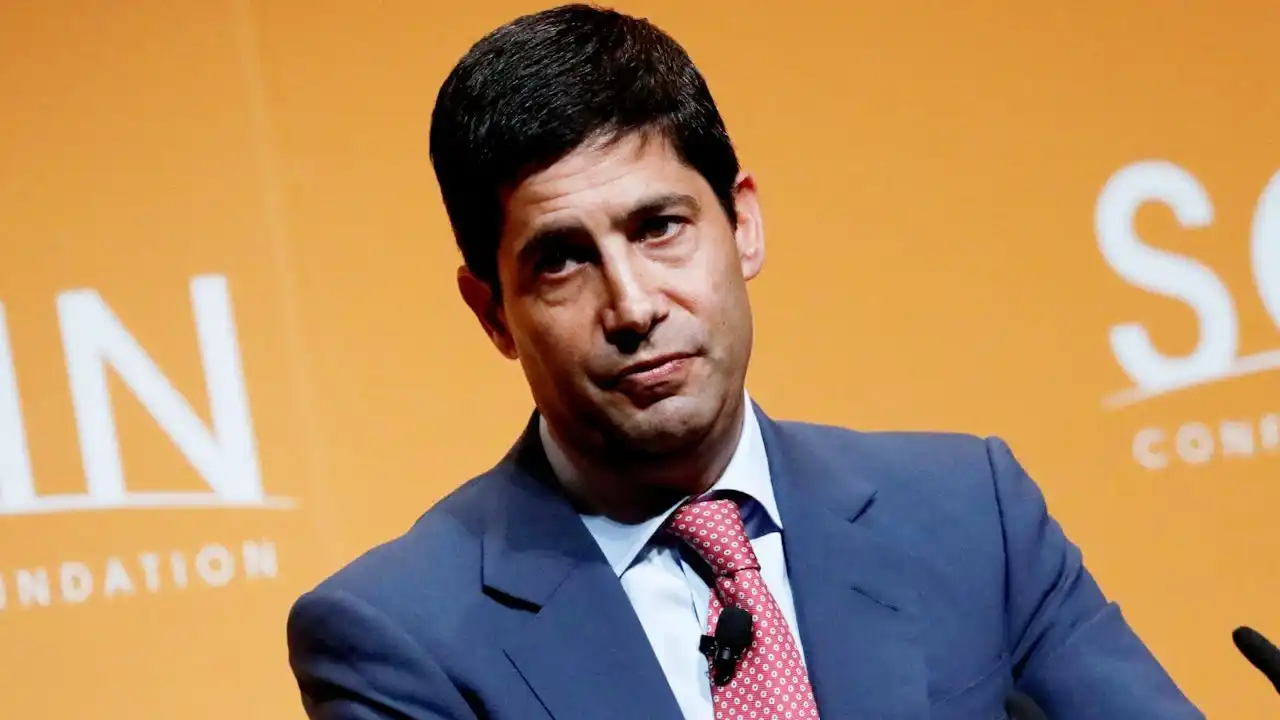
Walsh's First Dilemma: Rate Cuts, Inflation, and a Divided Fed Kevin Warsh officially assumed the Fed Chairmanship on May 15th, inheriting a central bank deeply divided over inflation. Contrary to market expectations of a dovish stance due to his appointment by President Trump, Warsh's historical record shows early and consistent hawkish concerns about inflation. The Fed he leads is fractured, with three FOMC members recently dissenting against even hinting at future rate cuts. The immediate challenge is surging inflation. While the Iran-related oil shock is a temporary factor, core CPI and services inflation are accelerating, showing signs of becoming entrenched—echoing the Fed's 2022 "transitory" misstep. Warsh faces the task of building consensus within a committee where several members believe policy may not be restrictive enough, especially if the neutral interest rate (r-star) is higher than currently estimated. Politically, Warsh is caught between Trump's desire for rate cuts and the economic reality of persistent price pressures. Any move perceived as bowing to political pressure could undermine Fed independence. Market implications are significant. Long-term Treasury yields (e.g., 30-year at 5.19%) could rise further, especially if the June FOMC statement hints at possible tightening. Tech stocks face continued valuation pressure from higher rates. The key variable is progress in Iran negotiations; a breakthrough before the June meeting could temporarily ease oil-driven inflation, but stubborn services inflation would remain. All eyes are on Warsh's first post-FOMC press conference on June 17th. His wording on inflation and policy will reveal how much the market has mispriced his stance and the Fed's likely path forward.

marsbitHá 59m

Warsh's First Conundrum: Rate Cuts, Inflation, and a Fractured Fed

marsbitHá 59m

Trading

Spot
Futuros
活动图片