Минюст США с помощью Tether заблокировал на счетах мошенников $5 млн

investing.ruPublicado em 2024-08-26Última atualização em 2024-08-26

Прокурор Восточного округа штата Северная Каролина объявил, что благодаря поддержке компании Tether, эмитента стейблкоинов USDT, правоохранительным органам удалось проследить весь путь криптовалютных транзакций от потерпевших до мошенников. Стейблкоины, замороженные на счетах мошенников, предположительно, были связаны с отмыванием преступных доходов, полученных в результате обмана жертв инвестиционного криптомошенничества.

«Американцы теряют свои сбережения из-за инвестиционных мошенничеств, поскольку средства быстро переводятся на криптовалютные счета за рубежом. Мы выцарапываем каждый доллар, который можем, даже когда преступники находятся за границей. Мы полны решимости конфисковать их незаконные доходы и вернуть деньги жертвам», — заявил представитель прокуратуры.

Согласно судебным документам, преступники находили своих жертв на сайтах романтических знакомств. После того, как отношения устанавливались, мошенник утверждал, что у него есть способ быстро получать большую прибыль, торгуя криптовалютой, и знакомил жертву с фиктивной платформой для торговли. Платформа имела похожее название и внешний вид сайта какой-либо легальной криптоплатформы.

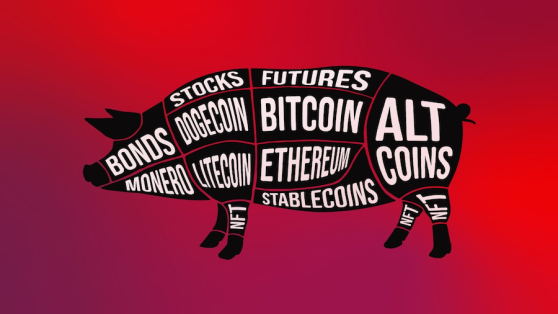
Прокурор объяснил, что такая мошенническая схема называется «забой свиней» (pig butchering). Жертв убеждают делать большие взносы в якобы перспективные проекты. Схема стала широко распространена в США, что вызывает глубокую озабоченность правоохранительных органов.

Ранее Департамент финансовых учреждений штата Висконсин (DFI) опубликовал заявление о запуске общедоступного сервиса по отслеживанию мошеннических криптовалютных торговых площадок и финансовых пирамид.

Читайте оригинальную статью на сайте Bits.media
Leituras Relacionadas

Jane Street drawn into Terra fallout as fresh lawsuit surfaces in 2026

A new lawsuit filed in the Southern District of New York on February 23 has revived scrutiny around the 2022 collapse of the Terra ecosystem, naming Jane Street among several parties referenced in connection with market activity surrounding the failed stablecoin project. The civil action seeks damages for losses suffered during Terra’s dramatic implosion, which erased tens of billions from the crypto market. The plaintiffs allege that a group of trading firms engaged in transactions that accelerated the breakdown of Terra’s algorithmic stablecoin mechanism. While not accused of criminal conduct, Jane Street is cited as a sophisticated entity whose trading activity intersected with Terra’s ecosystem during its collapse. The suit references the firm’s role in market structure and liquidity provision, which plaintiffs claim destabilized price dynamics. The filing highlights broader legal questions about the responsibility of large, professional trading firms operating within fragile crypto systems. It suggests their size and speed may have amplified structural weaknesses in Terra’s design, though it acknowledges the core failure stemmed from Terra’s economic model. Jane Street has not publicly commented. The case underscores how Terra’ collapse continues to generate legal, financial, and reputational fallout, reflecting growing scrutiny of traditional market actors in largely unregulated crypto environments.

ambcryptoHá 22m

Jane Street drawn into Terra fallout as fresh lawsuit surfaces in 2026

ambcryptoHá 22m

WLFI's Deletion Sparks Crash Speculation: Trust Crisis in a Bear Market

Amid a bearish market sentiment, the deletion of a tweet by Eric Trump, co-founder of World Liberty Financial (WLFI), triggered widespread speculation and panic. On February 23, Eric Trump retweeted and then deleted a post about Binance listing more USD1 trading pairs. This action led to a temporary depegging of USD1 to 0.9802 against USDT and a nearly 10% drop in WLFI’s price, though both later recovered. The incident fueled FUD (fear, uncertainty, and doubt) on social media, with rumors suggesting Eric had purged all crypto-related tweets or that internal issues plagued the Trump family. WLFI quickly responded, claiming it was a coordinated attack where hackers breached multiple co-founders’ accounts, spread panic, and attempted to profit by shorting WLFI. They later clarified that only X accounts were compromised, not WLFI or USD1 contracts. However, skepticism arose. Observers noted that only one retweet was removed—not a mass deletion—and no significant shorting activity was detected. Some linked the event to an upcoming major investigation announcement by on-chain detective ZachXBT, though market data did not strongly tie it to WLFI. Critics also questioned WLFI’s narrative, suggesting the “hack” claim might be a cover-up or misdirection. The event highlights the crypto community’s heightened sensitivity and distrust during bear markets, where minor actions can spark exaggerated reactions and conspiracy theories.

比推Há 1h

WLFI's Deletion Sparks Crash Speculation: Trust Crisis in a Bear Market

比推Há 1h

Trading

Spot
Futuros
活动图片