软银终止与英特尔的人工智能芯片合作,转向台积电

币界网Publicado em 2024-08-15Última atualização em 2024-08-16

币界网报道:

软银已正式终止与英特尔在人工智能芯片开发方面的合作关系。据英国《金融时报》报道,英特尔因无法满足软银设定的产量和速度要求而失去了合同。这一挫折引发了人们对英特尔在应对自身财务困境时必须克服的问题的质疑。

在英特尔最近决定在8月初解雇数千名员工以削减成本之后,双方解除了合作关系。这可能是因为英特尔最近面临一些财务挑战,这可能使其在满足软银的期望方面处于弱势地位。

软银寻求与台积电在人工智能芯片生产方面的新合作

在与英特尔的谈判失败后,软银转向了全球最大的合同芯片制造商台湾半导体制造有限公司(TSMC)。通过与台积电的合作,软银希望加强其在人工智能芯片市场的地位,该市场目前由英伟达领导。

英特尔在开发其人工智能处理器时未能满足软银的特定要求,这促使这家日本企业集团寻找其他选择。Izanagi项目是一个开发在性能方面可以与Nvidia的GPU相媲美的AI处理器的项目,最初想要英特尔的制造能力。然而,正如报告所表明的那样,英特尔未能达到所需的规模和速度。

台积电在管理现有承诺的同时与软银进行谈判

台积电仍在与该公司进行讨论,但尚未签署任何合同。更糟糕的是,台积电在满足其现有客户的需求方面已经达到了极限,其中一些客户是该行业的大玩家,如AMD和Nvidia

Izanagi项目符合Son更广泛的人工智能计划,即开发端到端的人工智能解决方案,其中包括物理组件、应用程序和数据中心。软银开发人工智能处理器的计划,以及创建自己的软件栈的愿景。

软银的目标是建立使用自己芯片的人工智能数据中心,并计划到2026年在美国、欧洲、亚洲和中东这样做。就在最近,软银旗下的Arm表示,明年将推出人工智能芯片。Arm将成立一个AI芯片部门,并在2025年春季之前开发原型。

据报道,该公司正在与包括台积电在内的合同制造商就2025年秋季生产这些人工智能芯片进行谈判。Arm的设计是众多芯片的基础,它将这些设计出售给高通和英伟达等顶级公司。
Leituras Relacionadas

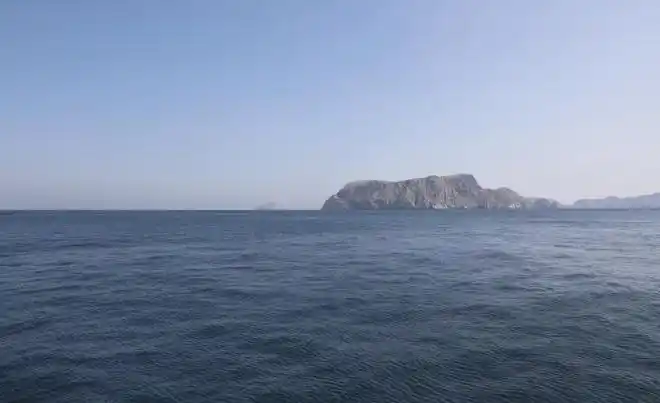
Can Iran 'Control' the Strait of Hormuz?

Iran has announced a comprehensive plan to assert control over the strategic Strait of Hormuz, a critical global oil shipping chokepoint. The proposed measures include requiring all vessels to obtain Iranian permission for passage, imposing fees for security, environmental protection, and navigation management—preferably paid in Iranian rials—and absolutely banning Israeli ships. Vessels from countries deemed hostile by Iran’s top security bodies may also be barred. Analysts suggest Iran’s motives are multifaceted: increasing pressure on the U.S. and Israel by leveraging control over oil transit to influence global prices and inflation; creating a new revenue stream, potentially exceeding $7.7 billion annually, to counter Western sanctions and support postwar reconstruction; and using transit permissions as bargaining chips in future negotiations, notably with the U.S. However, the plan faces significant practical and diplomatic challenges. Enforcing comprehensive interception and fee collection in the busy waterway, patrolled by international military forces, would be difficult. The U.S. has already countering with a blockade of Iranian ports and threats to intercept any ship paying fees, potentially strangling Iran’s oil exports and fee revenue. Broad international opposition, led by European and Gulf states, and legal controversies further complicate implementation. The proposal may ultimately serve more as a negotiating tactic than a feasible policy, with its execution remaining highly uncertain.

marsbitHá 26m

Can Iran 'Control' the Strait of Hormuz?

marsbitHá 26m

Trading

Spot
Futuros
活动图片