哈里斯支持率反超特朗普 8%,币圈恐迎新一波监管压力

深潮Publicado em 2024-08-14Última atualização em 2024-08-14

哈里斯选择了 Brian Deese 和 Bharat Ramamurti 加入自己的顾问团队,这两人对加密货币均不友好。若她最终胜选,可能将让币圈人士失望。

撰文:Zhang joy,动区动趋 BlockTempo

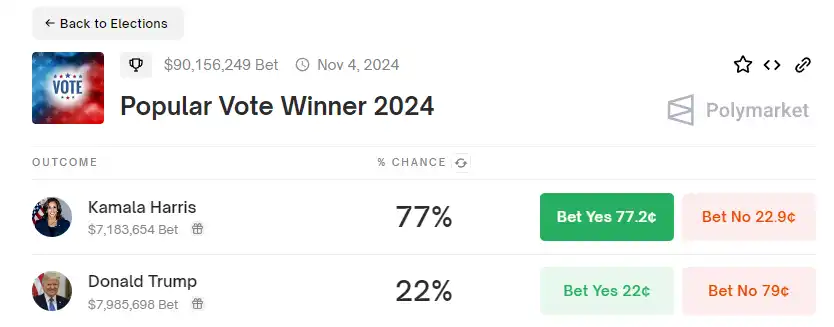
根据 Polymarket 最新数据显示,美国副总统哈里斯在 2024 总统选举中的支持率已经反超了前总统川普,她的支持率从早期的 33% 飙升至撰稿当下的 53% 历史新高。

另一个下注金额金额较小的赌盘,市场预测哈里斯最终将成功胜选的机率更是已经达到 77%,而川普则下降至 22%,原本被川普压著打的民主党似乎有反超的迹象。
分析师:哈里斯将延续拜登政府加密监管威压

这次即将在 11 月举行的美国大选备受币圈人士关注,原因在于这是加密货币首次成为大选重要议题被拿出来讨论。共和党总统候选人、美国前总统川普已多次公开力挺加密货币,有望一改拜登政府立场,为加密货币带来有利的监管政策。

但民主党新晋候选人哈里斯的加密立场如何呢?

对此,Galaxy Research 研究主管 Alex Thorn 昨(13)日稍晚就在社交平台 X 上发文分析指出,有证据表明,哈里斯及其顾问团队,将延续拜登政府对待加密货币的态度:

「新证据表明,哈里斯将继续打压加密货币,她的顾问选择表明,她将延续拜登对加密货币的敌视态度,因为哈里斯正在与拜登政府中,两名反对加密货币的关键官员进行合作,他们是 Brian Deese 和 Bharat Ramamurti。」
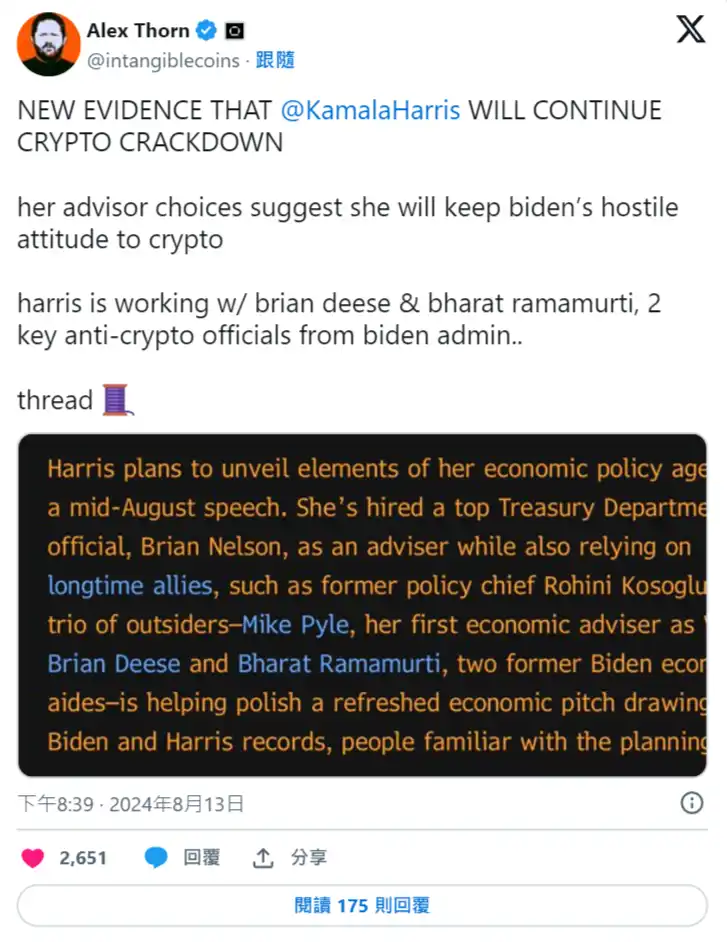
为了印证自己的分析,Alex Thorn 详细补充了 Brian Deese 和 Bharat Ramamurti 反对加密货币的关键证据。他指出,Brian Deese 早在 2023 年 1 月就曾撰写过一篇文章,该文章美其名支持创新,实际上给加密货币扣上了「诈欺」和「危险」的帽子。

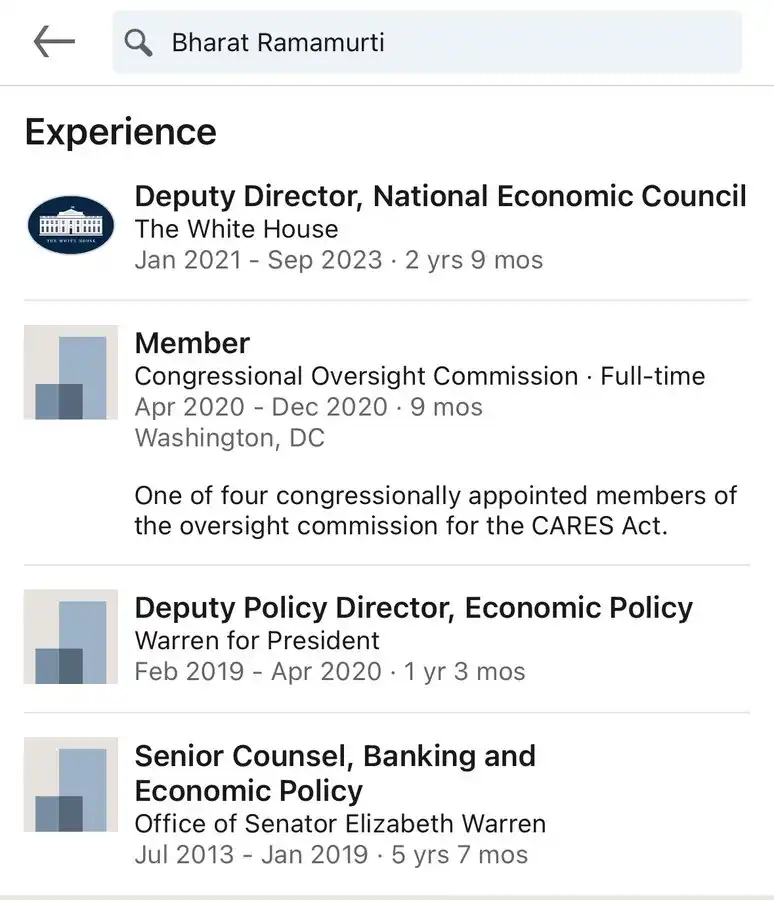
至于 Bharat Ramamurti,他和美国民主党议员 Elizabeth Warren 这一加密大反派也早就一起共事,并为 Warren 提供了经济政策建议。
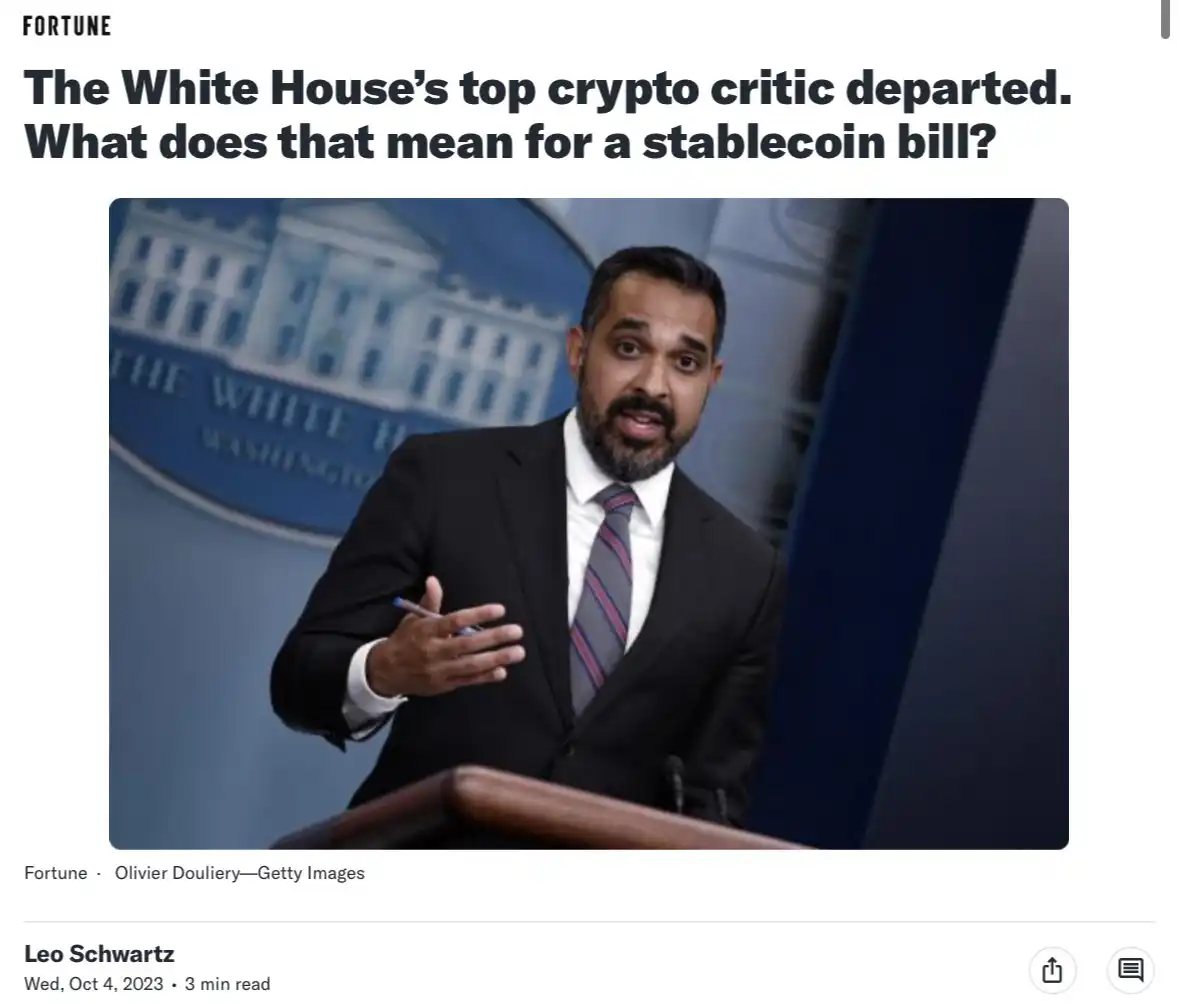
同时,《Fortune》杂志还蹭将 Bharat Ramamurti 评为「白宫里的头号加密货币批评家」。
另一方面,Brian Deese 和 Bharat Ramamurti 二人还对美国的稳定币法案进行干预,主张让美国联准会和银行对稳定币进行全面监管…。

总而言之,一系列证据都表明,Brian Deese 和 Bharat Ramamurti 对加密货币均不友好,而哈里斯选择他们加入自己的顾问团队,或许预示著若她最终胜选,可能将让币圈人士失望了。


Leituras Relacionadas

The Cost of an 11.5% Annualized Return: Will MicroStrategy's STRC Face a Moment of Reckoning?

This article analyzes the potential risks associated with MicroStrategy's (MSTR) use of structured financial products like STRC to leverage its BTC exposure. While these tools have enabled impressive returns (e.g., 11.5% annualized) and fueled significant capital inflows ($13.5B outstanding), they also create substantial annual dividend obligations (~$400M). The author argues that this structure, while effective in a bull market, could become a liability if BTC price stagnates or declines. The core risk is a potential negative feedback loop: the growing dividend burden from continued STRC issuance may eventually outweigh the benefits of increased BTC holdings. To meet these obligations, MicroStrategy might need to use new issuance proceeds for dividends instead of buying more BTC, which could disappoint equity investors. If the market capitalization (mNAV) falls below the value of its BTC holdings, the company could be forced to sell BTC instead of issuing new shares, potentially triggering a panic. The author estimates a potential inflection point in 6 months, where annual dividend costs reach $3-4B. At that stage, CEO Michael Saylor might face a difficult choice: sell BTC to meet obligations or sacrifice the credibility of the preferred shares by halting dividends. The article concludes that this financial engineering, while powerful, could ultimately "backfire" on MicroStrategy if market conditions turn.

marsbitHá 1h

The Cost of an 11.5% Annualized Return: Will MicroStrategy's STRC Face a Moment of Reckoning?

marsbitHá 1h

Trading

Spot
Futuros
活动图片