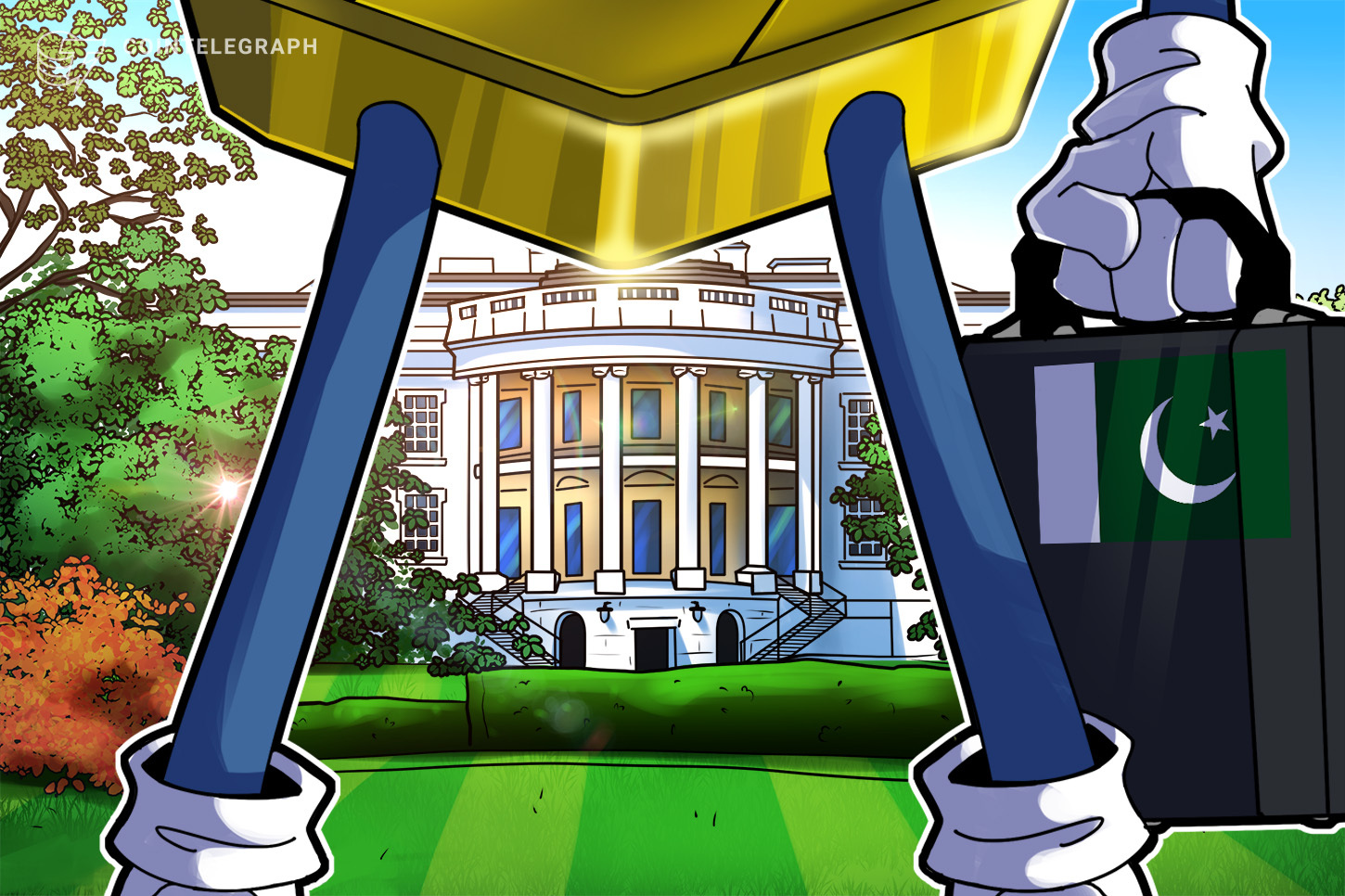
美联储对加密货币友好的客户银行实施限制

币界网Publicado em 2024-08-11Última atualização em 2024-08-11

币界网报道:

美联储正在打击以加密货币友好方式而闻名的Customers Bancorp银行,迫使其在继续迎合加密货币行业之前跳过新的障碍。

作为美国为数不多的愿意参与数字资产交易的银行之一,Customers Bancorp现在必须提前30天向美联储报告,然后才能与加密货币公司建立任何新的关系。

该银行甚至运营着一个即时支付平台,允许企业使用区块链技术进行代币化支付。但美联储对此并不满意。
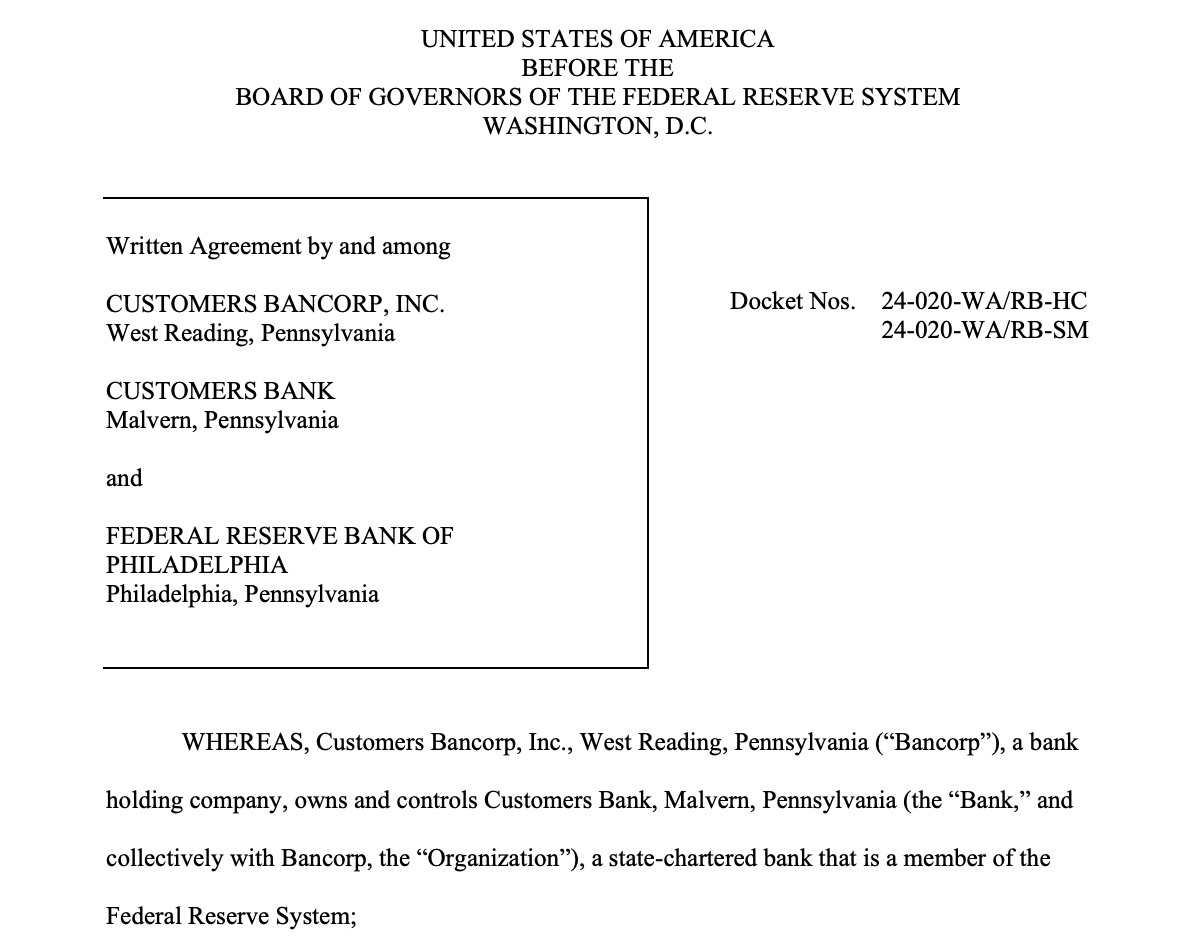
Fed enforces restrictions on crypto-friendly Customers Bank

费城联邦储备银行最近的检查显示,Customers Bancorp在管理风险方面存在重大缺陷,特别是在遵守反洗钱(AML)法律和《银行保密法》(BSA)方面。

美联储的回应?让银行的生活更加艰难,直到它成形。

董事会监督和风险管理

美联储已命令Customers Bancorp董事会加大力度,控制银行的运营,特别是在加密货币活动方面。

在60天内,董事会必须制定一项加强监督的计划。该计划需要明确说明他们将如何保持对银行主要业务的控制,并确保管理层遵守规则。

董事会还必须确保负责银行遵守BSA/AML和OFAC法规的人员知道他们在做什么,并拥有所需的资源。

如果该银行的董事会不监督政策和法律的遵守情况,包括该银行如何处理其加密货币战略,美联储表示,他们将陷入困境。

风险管理是美联储正在采取行动的另一个领域。客户Bancorp有60天的时间提交一份符合美联储标准的新风险管理计划。

该计划需要包括加强的政策、程序和标准,以识别、评估和管理风险。美联储希望看到明确的角色和责任、充足的资源以及定期更新风险敞口。

美联储华盛顿特区总部。

美联储还要求该行对其美元代币活动建立强有力的控制。董事会需要能够识别和监督出现的任何风险,他们需要确保银行以安全稳健的方式运营。

BSA/AML合规计划和客户尽职调查

美联储并没有止步于风险管理。他们还严厉要求客户银行遵守《银行保密法》和反洗钱法规。

该银行有60天的时间推出符合美联储标准的修订后的BSA/AML合规计划。

该计划必须包括一个内部控制系统,旨在使银行遵守法律,特别是在客户尽职调查、受益所有权和可疑活动监控方面。

美联储也坚持进行全面的风险评估。该评估需要查看银行的所有产品和服务、他们所处理的客户类型以及这些客户的位置。

银行的BSA/AML合规官必须胜任这项任务,拥有适当的资源和培训,以维持符合银行规模和风险状况的合规计划。

如果出现任何问题,需要有一个机制来跟踪、升级和审查银行最高层的合规失败。

除此之外,Customers Bancorp还必须彻底改革其客户尽职调查计划。银行需要制定严格的政策和程序来收集、分析和保存所有客户的准确信息。

这包括核实他们的身份,了解他们的财富来源,并知道他们应该期待什么样的交易。

该银行还必须弥补其现有客户尽职调查中的任何差距,并且需要一种可靠的方法,根据客户类型、交易量和地点等因素为每个客户分配风险评级。

Leituras Relacionadas

The Real Battlefield of AI Lies in the 'Dark Forest'

The article "AI's Real Battlefield is in the 'Dark Forest'" discusses the shifting dynamics in the global AI landscape, contrasting the strategic directions of Chinese and U.S. AI developers. Chinese companies like Alibaba (with its "HappyHorse" video model), ByteDance (Seedance 2.0), and Kuaishou (Kling 3.0) have taken the lead in text-to-video generation, surpassing OpenAI’s now-discontinued Sora. These models are deeply integrated into their parent companies’ content ecosystems (e.g., Douyin, Kuaishou), serving to reduce content creation costs and enhance user engagement rather than operating as standalone profit centers. In contrast, U.S. firms are pivoting toward high-stakes enterprise and security applications. Anthropic’s Claude Mythos model demonstrates advanced capabilities in autonomously discovering and exploiting software vulnerabilities, prompting concern at the highest levels of U.S. financial and governmental institutions. OpenAI responded with its own GPT-5.4-Cyber, signaling a strategic shift from consumer-facing products to enterprise-grade tools focused on cybersecurity and programming. The divergence is attributed to fundamental differences in resources and market structures. U.S. companies, backed by vast computational resources (e.g., Amazon and Google supply Anthropic with substantial funding and TPU access), can pursue deep, specialized R&D in high-value B2B sectors. Chinese firms, facing significant compute power constraints and a less mature enterprise SaaS market, have found success by leveraging their massive consumer platforms and optimizing for cost-efficiency. The article warns that the AI race is entering a "dark forest" phase—a reference to competitive dynamics where cybersecurity capabilities could determine digital sovereignty. While Chinese models like Zhipu AI’s GLM-5.1 show promise in narrowing the gap in coding proficiency, the author stresses that achieving parity in security-critical AI will require asymmetric strategies, including greater investment in coding models, adaptation to domestic hardware, and exploring international markets in the Global South.

marsbitHá 1h

The Real Battlefield of AI Lies in the 'Dark Forest'

marsbitHá 1h

Trading

Spot
Futuros
活动图片