Haven1和亚马逊网络服务(AWS)宣布合作推出节点验证器

币界网Publicado em 2024-08-08Última atualização em 2024-08-08

币界网报道:

[2024年8月8日,瑞士楚格]

    该合作伙伴关系需要在Haven1上托管最初的七个验证器节点之一,为Haven1权威证明区块链上的Web3创新提供强大的安全性。AWS和Haven1之间的这一战略合作伙伴关系将使Web3解决方案得到更广泛的采用。

Haven1、REKT抗性EVM L1区块链和亚马逊网络服务(AWS)今天宣布建立战略合作伙伴关系,AWS与一家经过验证的基础设施合作伙伴合作,成为Haven1权威证明区块链的七个初始验证器之一。此举强调了与安全、创新和Web3更广泛采用的一致性。

Haven1的权威证明区块链验证器网络将只由最好、最有信誉的全球合作伙伴作为验证器组成,在维护网络的完整性方面发挥着至关重要的作用。与全球最全面、应用最广泛的云解决方案AWS的这一合作关系标志着AWS与Haven1保持一致的一个重要里程碑。

随着Haven1部署安全和自动扩展策略,该网络旨在利用一流的AWS云服务,包括为云工作负载提供最佳性价比的定制AWS Graviton2处理器、AWS Secrets Manager、Amazon Config、Amazon GuardDuty和AWS Key Management Service(KMS),以构建一个EVM第1层区块链“避风港”生态系统,该生态系统的架构旨在满足严格的安全要求,使Haven1能够专注于创新。

“Haven1区块链需要一个可扩展和耐用的基础设施来推动Web3生态系统内的创新,”Haven1首席技术官Gianluca Ortolani说。“我们设计了一个Web3中攻击媒介数量最少的‘避风港’网络。通过人工智能优化的异常检测、一组网络守护者和其他构建在网络上的专有技术来加强这一点,例如交易级双因素身份验证和通过比特币重启器保护的独一无二的储备基金。通过在AWS上构建,我们正在加强我们的使命,为企业和个人提供安全的链上解决方案,为更值得信赖的Web3未来奠定基础。”

Haven1坚定不移地关注安全性、流动性和去中心化治理(H1代币持有者在其中发挥着重要作用),这使Haven1成为提供强大和创新的Web3解决方案的领导者,为链上活动营造了一个可靠的环境。该网络利用精心挑选的信誉良好、众所周知的验证器,以确保系统内的高度信任。

关于Haven1

Haven1是抵抗REKT的EVM Layer 1区块链,旨在解决Web3中安全性和流动性的关键挑战。通过Haven1 Passport(POI)、2FA Wallet Shield、人工智能网络监控和强大的流动性聚合系统等创新解决方案,Haven1正在为Web3中的所有链上内容构建一个“SafeHaven”生态系统。

用户可以在以下网址连接、关注并参与Haven1:

X(以前的推特)|电报| Discord | Reddit |领英|脸书| Instagram | YouTube

有关更多信息,用户可以访问www.haven1.org
Leituras Relacionadas

STRC Hits Historic Low, Saylor's Perpetual Motion Machine Grinds to a Halt

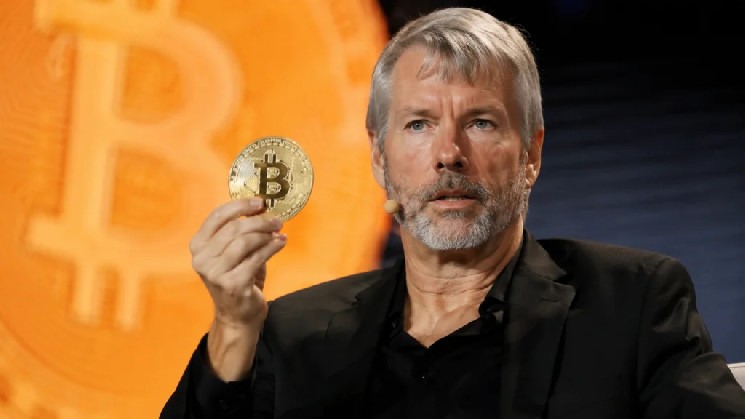
STRC, the perpetual preferred stock issued by MicroStrategy to fund its Bitcoin purchases, hit a historic low of $85.32, a 17% discount to its $100 par value. Designed as a "digital credit engine" to trade stably near par and enable continuous share issuance for buying Bitcoin, its plunge signals a breakdown in this model. Three key factors drove the decline: 1. Bitcoin's price fell over 50% from its peak, trading around $63,000 amid hawkish Fed signals. 2. MicroStrategy's cash reserves were depleted after a $1.5 billion convertible note repayment, slashing the dividend coverage for STRC's 11.5% yield to ~7 months. The company then sold 32 BTC to cover dividends—Michael Saylor's first Bitcoin sale since 2022—damaging the "never sell" narrative. 3. A competing Bitcoin-backed preferred stock, Strive's SATA, offers a higher yield (~13%) and daily dividends, drawing investors away from STRC. The drop triggers a negative cycle: STRC below par halts ATM share issuances, cutting off a key funding source for Bitcoin buys and potentially forcing more BTC sales for dividends, further eroding confidence. While Saylor argues the model is mathematically sound—needing only 2.3% annual Bitcoin growth to sustain itself—the market is testing the resilience of the leveraged Bitcoin treasury strategy in a bear market. The STRC price now reflects rising skepticism about this financial machinery's durability during downturns.

marsbitHá 6m

STRC Hits Historic Low, Saylor's Perpetual Motion Machine Grinds to a Halt

marsbitHá 6m

A Guide to Grayscale’s ‘Bottom Fishing’: Using Cash Flow to Assess Cryptocurrency Value

**Title:** Grayscale's Guide to Bottom-Fishing: Valuing Cryptoassets Using Cash Flows **Summary:** This report by Grayscale Research presents a fundamental valuation framework for cryptocurrency assets, moving beyond pure speculation to analyze those with underlying cash flows. It distinguishes between "commodity-like" assets (e.g., Bitcoin) and "cash-flow" assets, primarily within DeFi. Using the leading decentralized lending protocol Aave as a case study, the analysis applies traditional financial methodologies like Discounted Cash Flow (DCF) and Price-to-Earnings (P/E) multiples. Key findings indicate that AAVE tokens are currently undervalued. Despite recent challenges, the protocol's strong revenue growth, ~50% net profit margin, and diversified treasury support a fundamental valuation range of $80-$100 per token (compared to a ~$75 market price at the time of writing). In a base-case scenario driven by stablecoin adoption and regulatory clarity, the fair value could rise to around $175 within a year. The report emphasizes that protocol success does not automatically translate to token value. It critically examines the "value capture" mechanisms—such as buybacks, burns, and staking rewards—that channel protocol profits to token holders. Furthermore, it addresses the legal and governance complexities of Decentralized Autonomous Organizations (DAOs), noting their difference from traditional corporate equity but highlighting how robust, transparent governance can align protocol economics with holder interests. The conclusion is that the crypto market is maturing, with capital increasingly flowing towards projects with demonstrable fundamentals, real adoption, and disciplined capital allocation, creating opportunities for value-based investors.

marsbitHá 1h

A Guide to Grayscale’s ‘Bottom Fishing’: Using Cash Flow to Assess Cryptocurrency Value

marsbitHá 1h

After semiconductors lead the gains, are funds buying into AI orders or a macroeconomic rebound?

After US-Iran talks led to a temporary ceasefire and framework for reopening the strategic Strait of Hormuz, U.S. stocks rose on June 18, with the Nasdaq gaining 1.9%. The semiconductor and AI hardware sectors outperformed. This rally stemmed primarily from reduced geopolitical risk, which lowered oil prices and inflation expectations, easing discount rate pressure on high-valuation growth stocks like tech. The key question is not whether tech rebounded, but the nature of the rebound. The market appears to be selectively repricing AI infrastructure plays rather than broadly chasing AI narratives. Gains were concentrated in chips, optical interconnects, memory, and domestic manufacturing—segments tied to tangible data center build-outs and capital expenditure. Intel's ~10% surge, fueled by a Trump statement about potential Apple collaboration, exemplifies this mixed dynamic. It reflects policy catalysts and domestic manufacturing sentiment more than confirmed fundamentals. Meanwhile, strong earnings from companies like Astera Labs (revenue up 93% YoY) provided concrete evidence of AI-driven demand in hardware. In essence, the rally represents a risk-premium recalibration. Lower Middle East tensions opened a valuation repair window, and capital flowed first into AI infrastructure segments with visible near-term revenue streams. The sustainability of this move hinges on upcoming Q2 earnings, specifically continued strength in cloud provider capex, AI server orders, and hardware company guidance. Policy hopes alone are insufficient; the cycle needs validation from orders and financials.

marsbitHá 1h

After semiconductors lead the gains, are funds buying into AI orders or a macroeconomic rebound?

marsbitHá 1h

Trading

Spot
Futuros
活动图片