Распродажа криптовалют на $510 млрд сводит на нет прибыль 50 лучших монет в 2024 году

cryptonews.ruPublicado em 2021-05-07Última atualização em 2024-08-07

Более половины из 50 крупнейших криптовалют по рыночной капитализации находятся в минусе после крупнейшей распродажи криптовалют за год.

Весь рынок криптовалют столкнулся с падением общей рыночной капитализации на $510 млрд.

После распродажи более 60% из 50 лучших криптовалют потеряли весь прирост, полученный в 2024 году, по словам автора CryptoQuant Binhdangg, который написал в сообщении от 6 августа:

«После Черного понедельника 60% монет из топ-50 убрали всю прибыль с начала 2024 года и даже понесли убытки».


50 лучших криптовалют, производительность. Источник: Binhdangg.

После распродажи Ethereum ненадолго опустился до пятимесячного минимума ниже $2200. Потеря этой психологической отметки может спровоцировать еще большую паническую распродажу и нисходящее давление на весь рынок.

Что вызвало распродажу на рынке криптовалют?

Жестокая распродажа на рынке криптовалют была вызвана сочетанием макроэкономических и отраслевых событий.

5 августа Банк Японии объявил о повышении процентной ставки с 0% до 0,25%.

Решение Японии оказало непосредственное влияние на фондовый рынок США и цену биткоина, поскольку трейдеры заняли японские иены по низким процентным ставкам, чтобы купить активы на рынке США.

Тем временем, пять ведущих маркет-мейкеров продали в общей сложности 130 000 ETH на сумму $290 млн по текущим ценам с 3 августа, в то время когда цена Ether упала с $3000 до уровня ниже $2200.

Среди маркетмейкеров Wintermute продал более 47 000 ETH, за ним следует Jump Trading с более чем 36 000 ETH и Flow Traders с 3 620 ETH, занявшие третье место.

Продажа эфира маркетмейкерами внесла значительный вклад в снижение цены ETH.

Мемкоины понесли наибольшие потери, во главе с WIF и PEPE

Если посмотреть на 50 крупнейших токенов по рыночной капитализации, то некоторые из самых популярных мемкоинов этого цикла понесли наибольшие потери.

На недельном графике мемкоин Dogwifhat (WIF) на блокчейне Solana (SOL) понес наибольшие потери, упав более чем на 41% за последнюю неделю и торговавшись на уровне $1,38 по состоянию на 8:37 UTC 6 августа.


WIF/USD, недельный график.

Мем-монета Pepe (PEPE) с лягушачьей тематикой показала вторую по величине недельную потерю, упав более чем на 34% до $0,057781, что на 53% ниже исторического максимума, зафиксированного в конце мая.

Поскольку мем-монеты не имеют внутренней стоимости, их рост в первую очередь обусловлен шумихой в социальных сетях и вниманием розничных инвесторов. В результате этого мем-токены часто сильнее всего страдают во время коррекции криптовалютного рынка.

Leituras Relacionadas

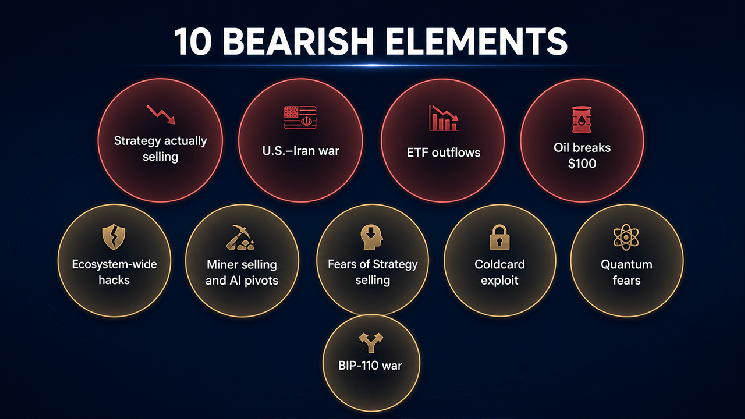
Bitcoin Withstood 10 Bearish Blows in 2026, Yet Experienced Its Mildest Bear Market

Bitcoin, the leading cryptocurrency by market cap, peaked above $126,000 in early October before entering a prolonged decline. By August, it was mainly trading between $63,000 and $65,400, inflicting losses on late buyers but resulting in what is, historically for Bitcoin, an unusually shallow bear market—down about 49% from its peak, compared to typical 75-80% plunges. Throughout 2026, Bitcoin faced multiple headwinds yet demonstrated notable resilience. Geopolitical tensions in the Middle East and volatile oil prices revived inflation concerns but failed to trigger the panic-driven sell-offs seen in prior cycles. A significant psychological blow came from corporate seller MicroStrategy, a longtime accumulator, which began strategic sales to bolster its cash position, reducing its holdings. U.S. spot Bitcoin ETFs also faced sustained outflows, though a late-week inflow hinted at potential relief. Pressure also came from within the ecosystem. A contentious blockchain proposal, BIP-110, failed after a minority chain stalled. Miners, facing tighter economics, sold reserves and pivoted infrastructure toward AI. A major security breach involving Coldcard hardware wallets saw an estimated 2,000 BTC stolen, shaking confidence in self-custody. Long-term threats like quantum computing resurfaced in discussions. Despite this confluence of corporate selling, ETF outflows, miner capitulation, geopolitical shocks, internal conflict, and security issues—any one of which could historically cause sharp declines—Bitcoin stubbornly held above a key $60,000 support level. Deeper market liquidity, regulated products, and long-term holders appear to be absorbing selling pressure that once would have caused deeper crashes. This resilience suggests a maturing market structure, though risks remain. Another shock could still push Bitcoin toward $50,000. For now, its 49% decline, severe for most assets, is relatively moderate by Bitcoin's own volatile standards. The remaining months of 2026 will test whether $60,000 is a durable floor or merely the next major line of defense.

cryptonews.ruHá 46m

Bitcoin Withstood 10 Bearish Blows in 2026, Yet Experienced Its Mildest Bear Market

cryptonews.ruHá 46m

Korean Financial Supervisory Service to Revise Compensation System for Phishing Losses Involving Crypto Transfer

The South Korean Financial Supervisory Service (FSS) is overhauling its system for reimbursing victims of voice phishing scams. Starting in October, the new system will be able to calculate and compensate losses held in cryptocurrency, not just in Korean won. Previously, the reimbursement system assumed stolen funds were in won, failing to fully compensate victims whose money was converted into digital assets. The upgraded software will apply a recovery ratio to determine the specific type and quantity of tokens owed to each victim, based on the token's value at the time the payment was frozen. It will also better track cases where fraud proceeds are split across multiple accounts and later consolidated. These changes follow March 31st amendments to the Act on Reimbursement of Losses from Telecommunications Fraud, which now classify virtual assets as both damaged and recoverable property. Major Korean crypto exchanges like Upbit and Bithumb must now comply with the same anti-phishing obligations as banks, including verifying transaction purposes and tracking suspicious funds. The revised law takes effect October 1st, with the FSS allocating a three-month period and a budget of 118.53 million won for system implementation and troubleshooting. The update addresses schemes where stolen money is intentionally laundered through cryptocurrency for overseas transfer. Notably, telecom fraud losses in South Korea rose 14.1% to 433.8 billion won in 2025, a five-year high.

cryptonews.ruHá 57m

Korean Financial Supervisory Service to Revise Compensation System for Phishing Losses Involving Crypto Transfer

cryptonews.ruHá 57m

Trading

Spot
活动图片