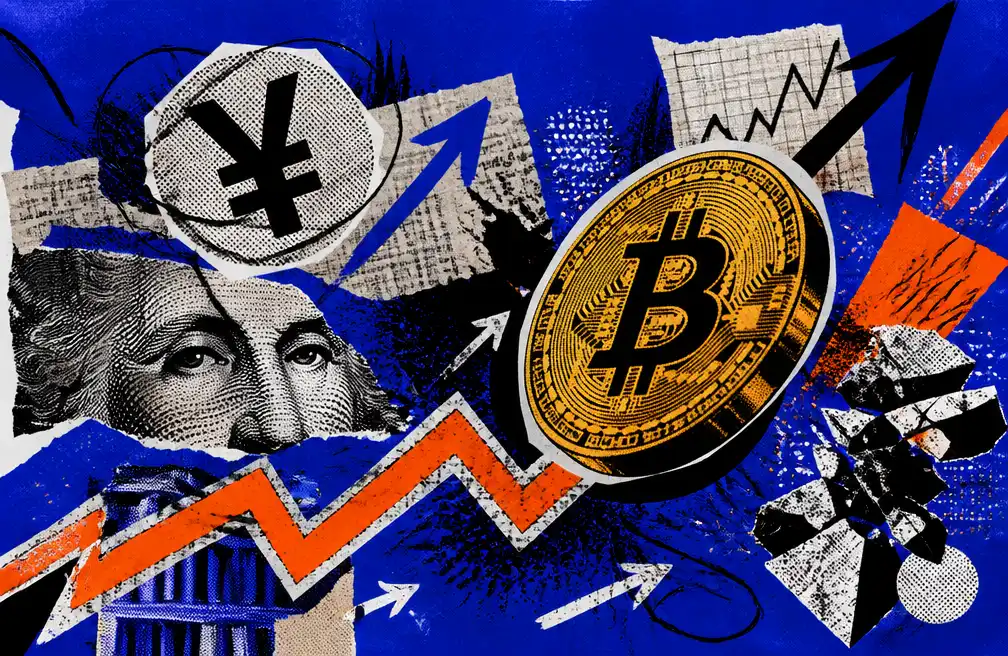
日元“套利交易”被指责为加密货币崩溃的罪魁祸首,但它是什么?

币界网Publicado em 2024-08-06Última atualização em 2024-08-06

币界网报道:

随着分析师和行业专家在黑暗中努力寻找突然和异常的市场崩盘背后的原因,人们现在将矛头指向了日本人。

在过去的24小时里,加密货币市场出现了超过10亿美元的清算,随着比特币(BTC)短暂跌破5万美元,有8亿美元的多头被清算。

比特币ETF交易量也激增,每日交易量达到50亿美元,为4月以来的最高水平。彭博社高级ETF分析师Eric Balchunas解释说,市场低迷时期的高交易量是“相当可靠的恐惧指标”

他说:“如果你看好比特币,你实际上不想看到今天疯狂的交易量,因为糟糕日子里的ETF交易量是衡量恐惧的一个非常可靠的指标。”。

“在糟糕的日子里,深度流动性是交易员和机构喜欢ETF的一部分,所以你也希望看到交易量,这对长期有利。”

到目前为止,比特币ETF的交易额约为25亿美元,在上午10:45的时候已经很多了,但还不算太疯狂(完整历史如下)。如果你看好比特币,你实际上不想看到今天疯狂的交易量,因为糟糕日子里的ETF交易量是衡量恐惧的一个非常可靠的指标。另一方面,在糟糕的日子里,深度流动性是部分原因…pic.twitter.com/TOQRjyriqp-Eric Balchunas(@EricBalchunas)2024年8月5日

最初,Jump Crypto对超过3亿美元的失稳负有主要责任,但随着市场参与者开始意识到这家加密货币巨头实际上在本周早些时候开始抛售,交易员们将周一的崩盘归咎于其他地方。Genesis和Mt.Gox的还款也增加了抛售压力。

宏观经济数据也承担了相当大的责任,美国失业率上升和制造业指数疲软表明经济衰退正在到来。

更糟糕的是,日本“日元套利交易”的收窄据称导致市场暴跌。但这种听起来很奇特的现象是什么?

龙颜

日元套息交易是一种金融策略,涉及投资者以低利率借入日元,然后将转换后的日元兑换成其他货币,投资于回报率更高的资产。

投资者基本上从日本的低借贷成本和其他国家的高回报之间的差异中获利。“美国和其他国家迅速上升的利率与日本的负利率之间的巨大差距使这成为可能,”Kobeissi Letter解释道。

然而,只有当日元贬值或保持低位,利率保持诱人时,这种策略才有效。上周,日本央行(BOJ)17年来首次加息,从而增加了借贷成本。

随着日元走强,许多日元套利交易都被“追加保证金”。《Kobeissi Letter》补充道:“突然之间,‘免费’日元贷款的时代即将结束。随着这些保证金贷款的出现,标的资产被出售,股市暴跌。套利交易正在解除。”。

世界各地的股市现在都在崩溃,但为什么呢?这个问题的答案是日元套利交易,这个术语你本周可能会听到很多次。那么,日元套息交易究竟是什么,为什么会导致市场低迷呢?一个线程来解释:(1/7)pic.twitter.com/0G5MnsV49I——Kobeissi信件(@KobeissiLetter)2024年8月5日

随着更多加息的进行,日本央行的举措使日元套利交易的利润降低。此外,随着投资者转向日元以部署其策略,日元走强。

做市商Wintermute的场外交易交易员Jake Ostrovski告诉Decrypt,“随着他们出售风险资产并转换回日元,日元走强。由于这些头寸被平仓,股票和加密货币等风险资产的波动性和下行压力增加。”

因此,日元走强,美元/日元货币对刚刚触及2023年12月以来的最低水平。您现在每美元可获得142日元,而几周前每美元可获160日元。但这就是为什么这是关键点:(5/7)pic.twitter.com/pXzfHtUdwR——科贝西信件(@KobeissiLetter)2024年8月5日

购买日元以平仓的交易员可能会给日元借款人带来更多痛苦,这可能会导致清算增加。

Amberdata衍生品总监Greg Magadini表示:“每个人都有同样的倾向。”他补充说,日元套息交易“很拥挤,因为这是一笔显而易见的交易。”

日元持续时间

由于套利交易策略持平,日本日经指数当时的股市经历了自1987年黑色星期一崩盘以来的最大跌幅,这在包括加密货币在内的所有市场都引起了连锁反应。

然而,日本股市周二大幅反弹,日经指数创下2008年10月以来的最佳单日涨幅,达到10.23%。比特币也显示出复苏的希望,目前交易价格在5万美元左右。

BRN分析师Valentin Fournier认为,尽管短期波动可能会困扰市场,但投资者应将这些价格下跌视为买入机会。

他解释说:“我们认为,比特币将继续走高,直到年底,10月份会加速,但8月和9月可能会波动。”。

“这次大幅下跌仍然是一个有趣的买入机会,因此我们建议逐步增加头寸,并通过我们在BRN上的内容保持更新。”
上周公布的宏观经济数据极为负面。失业率正以惊人的速度上升,而制造业指数显示出经济放缓的迹象。失业申请和职位空缺数字证实了这一点。一条线

Leituras Relacionadas

Which Crypto Sectors Have Been "Eaten" by AI Agents?

The article examines which crypto sectors have been increasingly dominated by AI Agents and which remain human-centric. In certain high-speed, efficiency-driven areas, AI Agents have taken clear control. This includes derivatives/perpetuals trading, where bots outperform humans significantly (e.g., a contest showed 0% of AI Agents were liquidated vs. 43% of humans), arbitrage/MEV extraction, and yield optimization (with ~68% of new DeFi protocols in Q1 2026 featuring autonomous AI Agents). Spot trading and portfolio optimization are also seeing heavy Agent adoption. However, the shift is not universal. In "battleground" sectors, both Agents and humans coexist. In prediction markets, Agents dominate short-term arbitrage, but humans still outperform in long-term, nuanced judgment calls. In DeFi lending, while liquidation is automated, core deposit/borrow decisions remain largely human-driven. Sectors still firmly led by human activity include stablecoin payments and card-based spending (driven by real-world economic activity and remittances) and wallets, which serve as the crucial human-verification and approval layer. The rise of Agents increases the need for robust human-Agent verification layers. Projects like World/AgentKit, t54, Self Protocol, and Kite AI are building infrastructure to create trust, security, and accountability by binding Agents to verified human identities. In conclusion, while AI Agents have decisively "eaten" speed and optimization-focused crypto sectors, human judgment, trust, and real-world context remain dominant in areas that create broad economic value, such as payments and identity. The future likely involves a symbiotic relationship where Agents require human verification and oversight to operate effectively.

Foresight NewsHá 6m

Which Crypto Sectors Have Been "Eaten" by AI Agents?

Foresight NewsHá 6m

After Rising 11 Times in a Year, Micron's Earnings Report Becomes a Stress Test for the AI Memory Market

**Micron's Upcoming Earnings: A Crucial Test for the AI Memory Rally** Investors in AI memory stocks face a critical moment on June 24th, when Micron Technology reports quarterly earnings. The stock, having surged approximately 11-fold from $103 to $1,134 over the past year, carries immense market expectations. Wall Street consensus forecasts a staggering ~932% year-over-year jump in EPS to around $19.72 and ~270% revenue growth to ~$345 billion, largely driven by sold-out HBM (High Bandwidth Memory) capacity through 2026. Analysts have aggressively revised estimates upward over the last 90 days, with EPS expectations rising 68%. This creates a high bar: even strong results risk a sell-off if they fail to meet these elevated projections. Notably, price forecasts from institutions like Citi (predicting ~200% DRAM price increases in 2026) are already among the most bullish on Wall Street, not conservative. The key metric to watch is gross margin, guided to a record ~81%. Such peak profitability raises questions about sustainability in the historically cyclical memory sector. While management has signaled continued strength, the stock's direction post-earnings will likely hinge more on forward guidance for the next quarter and details on HBM capacity expansion for 2027, rather than the already-anticipated stellar past results. The report represents a major pressure test for the high-flying AI memory trade.

marsbitHá 11m

After Rising 11 Times in a Year, Micron's Earnings Report Becomes a Stress Test for the AI Memory Market

marsbitHá 11m

Trading

Spot
Futuros
活动图片