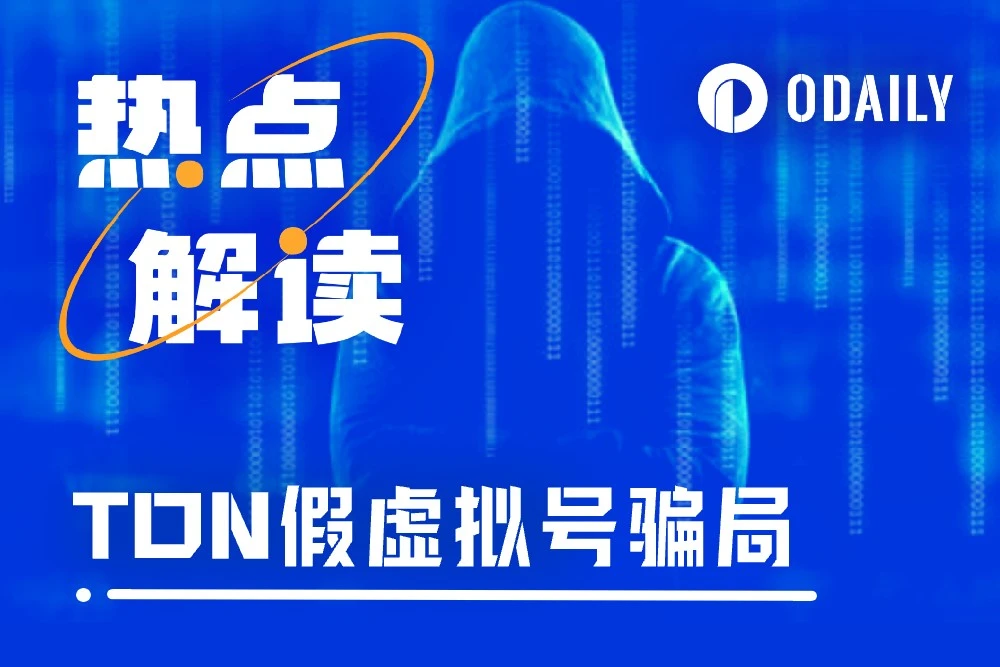
揭秘TON上假虚拟号骗局:钓鱼团队花式坑蒙拐骗大赏

Odaily星球日报Publicado em 2024-05-15Última atualização em 2024-05-15

Resumo

“我还转不走这NFT了?”

原创 | Odaily星球日报

作者 | 夫如何
揭秘TON上假虚拟号骗局:钓鱼团队花式坑蒙拐骗大赏

近期,TON 生态发展如火如荼,生态 TVL 在本月涨幅超 70% ,达到 2.6 亿美元。但 TON 的高速发展也引起钓鱼团体的关注,此前社区成员就有披露出自己 TON 钱包中多出一个“靓号”(888 0505 0707) NFT,但不少社区成员将其进行转移时发现,该 NFT 转出的手续费高达 1 Toncoin(正常 0.02 Toncoin),并且转出后 NFT 又会出现在你的钱包中。

目前 TON 生态充斥的较多“令人迷惑”的项目,为此Odaily星球日报将就虚拟号码本身的发展,以及本类骗局风险进行回顾。

钓鱼团队玩法升级,利用小成本和占便宜心理

“+ 888 ”系列虚拟号码由 Telegram 在 2022 年在 Fragment 平台进行发售,其中去中心化拍卖平台 Fragment 是 Telegram 与 TON 破冰的重要见证。

起先,“+ 888 ”系类虚拟号码 NFT 早期通过 Telegram 直接销售,定价为 9 Toncoin,后续在全部售罄后,购买者可以直接使用或进行转卖。Telegram 团队原本是通过拍卖虚拟号码对 Telegram 中有隐私需求的用户提供方式,从而体现 Telegram 抗审查的能力。

此外,同期 Telegram 与 TON 的关系缓和,并基于 TON 推出 Fragment 拍卖平台,使虚拟号码采用 NFT 形似进行拍卖。

目前,Telegram 仅推出“+ 888 ”系列虚拟号码,本应以隐私需求为主的购买群体,转向成为彰显身份的象征,该现象和此前国内手机靓号的需求度一样,引起 TON 和 Telegram 用户对连贯且吉利的号码进行拍卖。

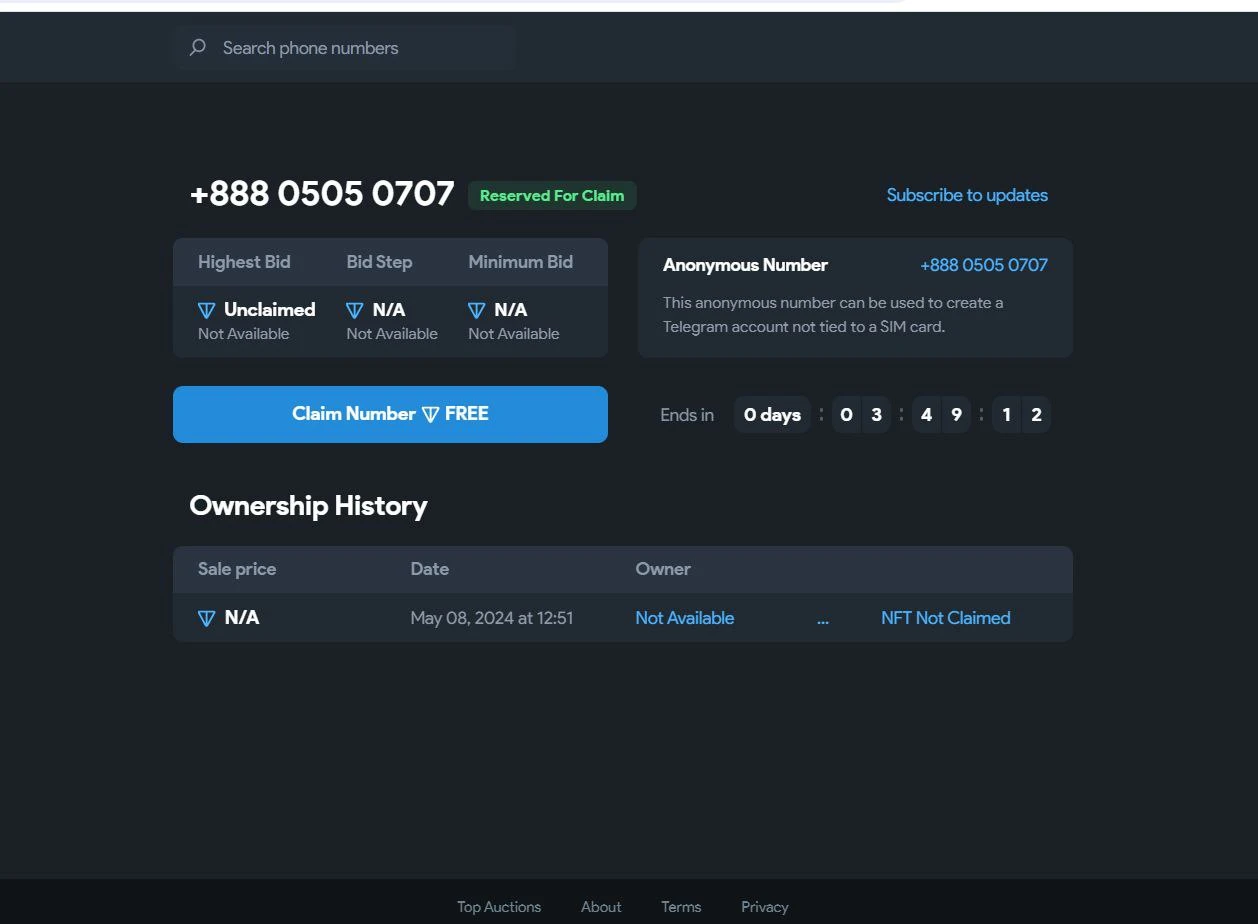
Fragment 平台数据显示,目前最高拍卖价格的虚拟号码为“+ 888 0666 0000 ”,拍卖价为 1365 Toncoin(约 9350 美元),其次拍卖价格较高的号码就是本文“主人公”(+ 888 0505 0707)。

钓鱼团队首先 0 成本创建冒充虚拟号码(+ 888 0505 0707)的假 NFT,并通过 nftTONificatorBot 进行分发,具体分发对象为 TON 链上活跃地址。经常从事链上活动的用户大或许是觉得该 NFT 并无价值,安全性也不确定,于是持有怀疑心理的用户尝试转走该 NFT。
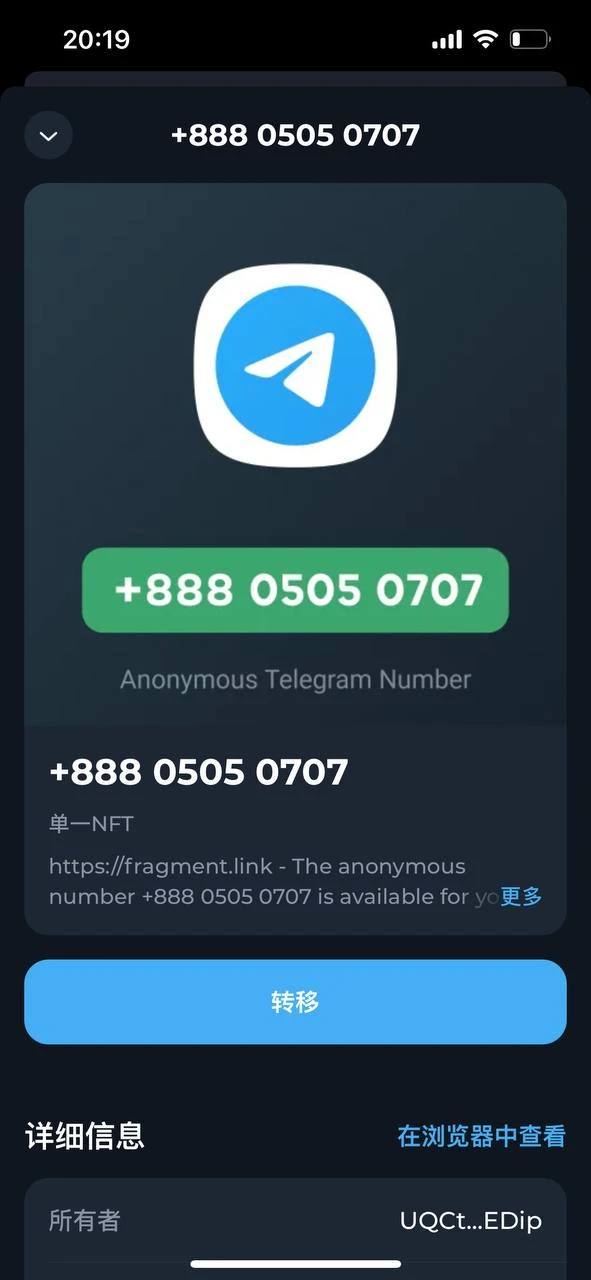
揭秘TON上假虚拟号骗局:钓鱼团队花式坑蒙拐骗大赏但用户发现在进行 NFT 交易时,费用高达 1.02 Toncoin,并且完成链上步骤后,NFT 依旧原封不动的在钱包中(这不就是早年间想卸载 360 吗)。有些用户不死心想要将该 NFT 转走,但每次付出 1 Toncoin 后,NFT 依旧留在钱包。

以上是钓鱼团队利用用户转走 NFT 的怀疑心理将交易 NFT 的手续费抬高到 1 Toncoin,并且该 NFT 依旧留在钱包,至于如何将智能合约设置为 NFT 无法转移或者采用重新定向空投假 NFT,并没有找到理论支撑。

但仅通过该新颖钓鱼手段只能让少部分人蒙骗,于是该钓鱼团队效仿此前在 X 平台(原 Twitter)假空投的方式,开放铸造页面,让用户参与制造,这与以往领取空投,开放钱包权限,使钱包里资金被盗有所差别,钓鱼团队这回纯靠用户自行送钱。
揭秘TON上假虚拟号骗局:钓鱼团队花式坑蒙拐骗大赏

作者在钓鱼团队的接受地址中发现,目前仍有用户在给他们“送钱”,从转账 1 Toncoin 到铸造手续费 0.02 Toncoin,目前钓鱼团队疑似正在进行资金归拢,据 tonscan 数据,UQB1QBhyiY76wtIDTaV3pFtl8jE_aCrlGeDDTRbz2LaNjTvH该地址近几天已转入 6483 枚 Toncoin,约为 4.5 万美元。该地址仅是资金汇集地址中的其中一个。具体诈骗金额恐超 10 万美元。

为此,Odaily星球日报在此提醒大家,虽然目前 TON 生态发展较快,财富收益较高,但也是钓鱼团队作案的新阵地,社区成员已反应多个假空投和假 NFT 的链接,望大家加强风险意识。

Leituras Relacionadas

IOSG Founder: Ethereum Doesn't Need Another Leap of Technical Faith, It Needs a Musk-style Compromise

Jocy, founder of IOSG Ventures, argues that Ethereum does not need renewed technological faith but a "Musk-like compromise." The recent formation of ETHLabs—funded by major ETH holders like BitMine and Lubin—highlights a market-driven move to fill a gap left by the Ethereum Foundation (EF), signaling a loss of confidence in its decentralized, hands-off approach. The core critique contrasts Vitalik Buterin's (V) idealistic, technology-first vision with Elon Musk's pragmatic, business-driven execution. The author asserts Ethereum's current shortage is not another technical roadmap but a clear, real-world application narrative and a leader willing to engage directly with commercial realities—like Musk. Internal issues are emphasized, citing EF's management problems and talent drain. While the new decentralized model with independent nodes like ETHLabs addresses the single foundation's limitations, it risks fragmentation without cohesive direction. True cohesion, the author suggests, must come from a shared, compelling narrative around ETH's value, not just from aligned financial interests. Independence claims for new entities are seen as aspirational, needing years of transparency to build trust. The ultimate threat is not competitors like Solana, but the broader shift of attention and talent toward AI. Ethereum has a limited window—12 to 18 months—to recapture focus by delivering tangible, real-world applications. The conclusion urges V to shift from abstract ideals to grounded, pragmatic leadership. The time for this crucial pivot is running out.

marsbitHá 56m

IOSG Founder: Ethereum Doesn't Need Another Leap of Technical Faith, It Needs a Musk-style Compromise

marsbitHá 56m

Google Starts Selling TPUs, Big Tech Aims to Produce "Low-Cost Tokens" with AI Chips

Google has begun selling its proprietary TPU chips and AI computing hardware directly to third-party data centers and clients, marking a strategic shift. Previously only accessible via cloud rentals, TPUs are specialized processors designed for the matrix and tensor operations central to AI models. By combining thousands into supercomputing clusters managed by CPUs, Google achieves high-efficiency AI processing. This move enables Google’s Gemini AI to offer competitive token pricing, challenging rivals like OpenAI. It also signals a broader industry trend where AI compute is becoming a commoditized resource like electricity. While NVIDIA remains dominant with its CUDA ecosystem and high-performance GPUs, the focus is shifting from raw power to cost efficiency and system integration. Google’s approach mirrors NVIDIA’s by selling an entire ecosystem—hardware, software, and data center expertise—rather than just chips. This threatens NVIDIA’s grip on the mid-range inference market, where lower-cost, efficient solutions are increasingly demanded. Similarly, cloud providers like Huawei Cloud and Alibaba Cloud in China are developing their own AI chip ecosystems (e.g., Ascend, Zhenwu), packaging chips, clusters, and tools into full-stack solutions. They aim to reduce token costs and capture market share through integrated systems. In summary, the AI infrastructure race is evolving from a competition for the strongest chips to a contest for the most efficient and cost-effective systems. Google’s TPU sales highlight this transition, emphasizing that future success lies in delivering affordable, scalable AI compute as a foundational service.

marsbitHá 1h

Google Starts Selling TPUs, Big Tech Aims to Produce "Low-Cost Tokens" with AI Chips

marsbitHá 1h

Trading

Spot
Futuros
活动图片