SignalPlus宏观分析(20240419):美联储表示今年将不会降息

Odaily星球日报Publicado em 2024-04-19Última atualização em 2024-04-19

Resumo

美国市场开局平稳,地缘政治紧张局势和负面情绪似乎正迅速瓦解。

SignalPlus宏观分析(20240419):美联储表示今年将不会降息

SignalPlus宏观分析(20240419):美联储表示今年将不会降息

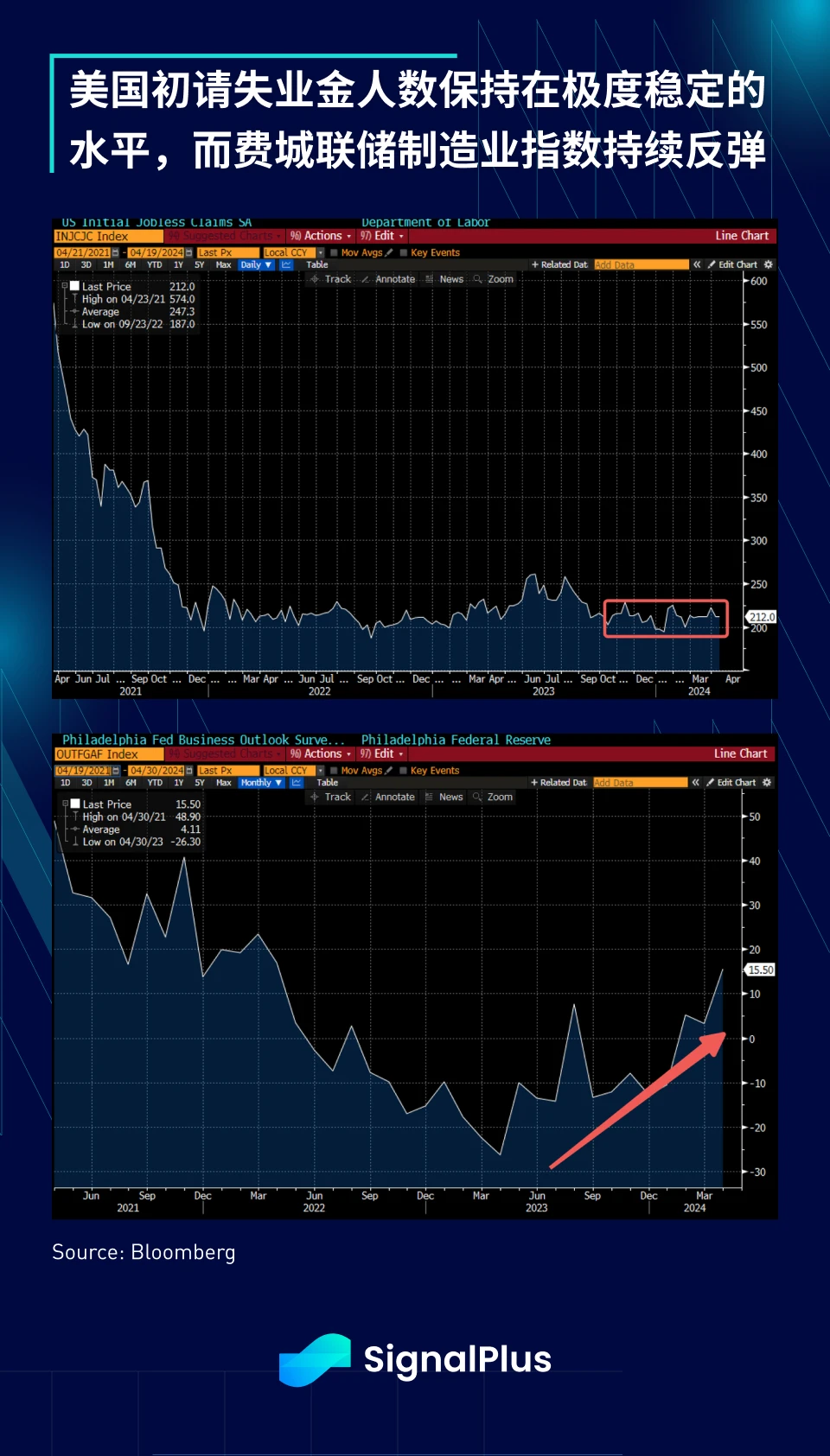
美国市场开局平稳,地缘政治紧张局势和负面情绪似乎正迅速瓦解,初请失业金人数保持在极度稳定的水平(6 周中有 5 周维持在 21 万左右),美国费城联储制造业指数攀升至 2022 年 4 月以来的最高水平(由新订单 + 12.2 和支付价格 + 23 所推动)。

SignalPlus宏观分析(20240419):美联储表示今年将不会降息

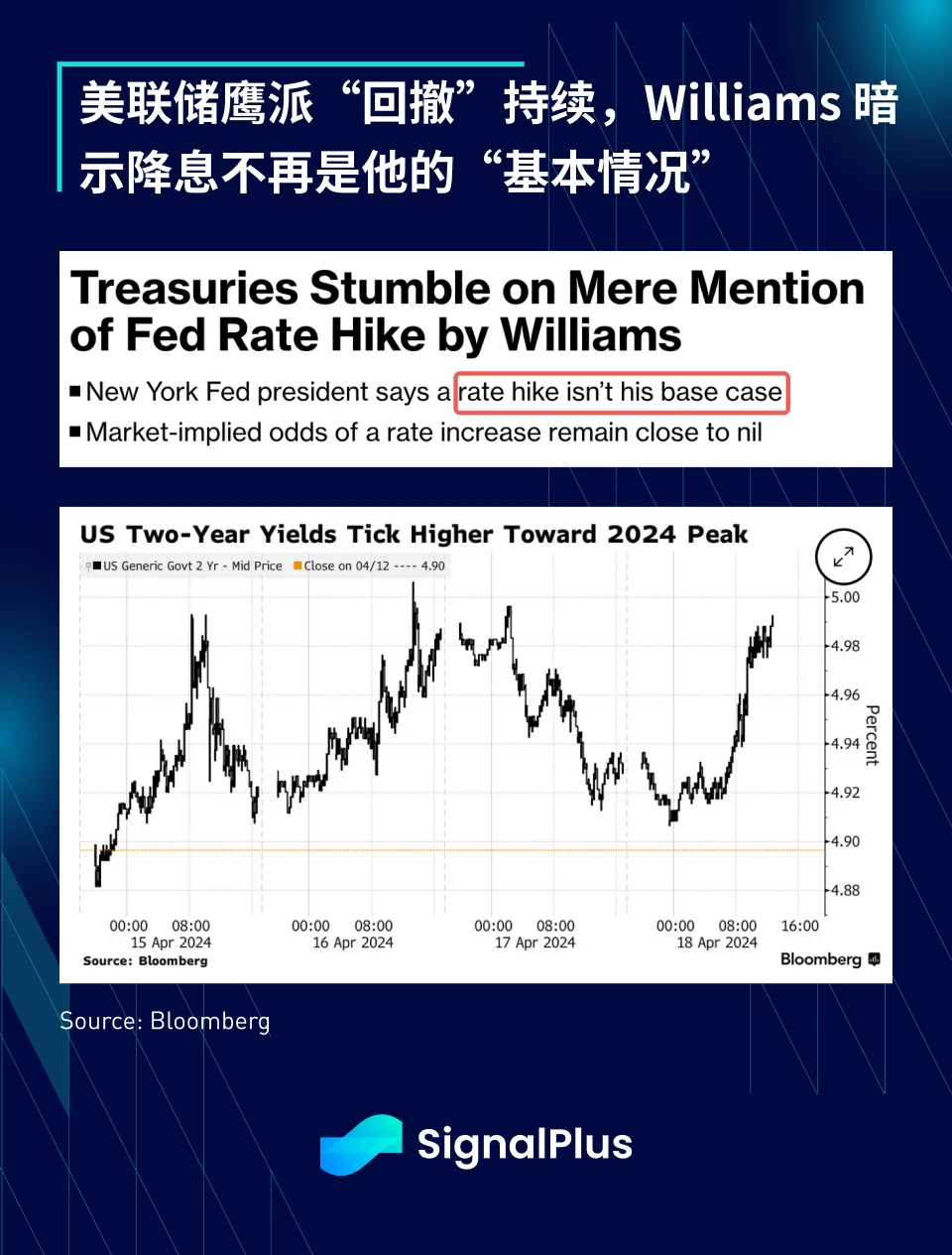
然而,就在站稳脚跟一天后,美债再次受到重击,纽约联储主席 Williams 暗示降息不再是他的“基本情况”,并表示利率处于“良好位置”,且“我不觉得降息有什么迫切性”。收益率全面跃升 5-6 个基点, 2 年期收益率再次接近今年高点 5% 左右。

SignalPlus宏观分析(20240419):美联储表示今年将不会降息

SignalPlus宏观分析(20240419):美联储表示今年将不会降息

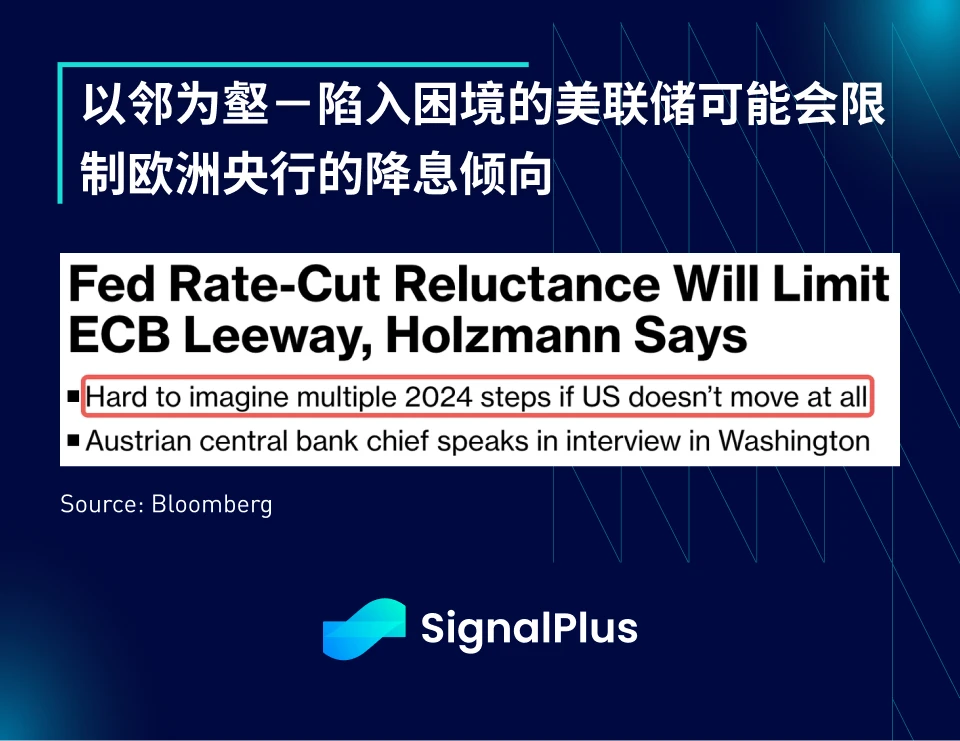
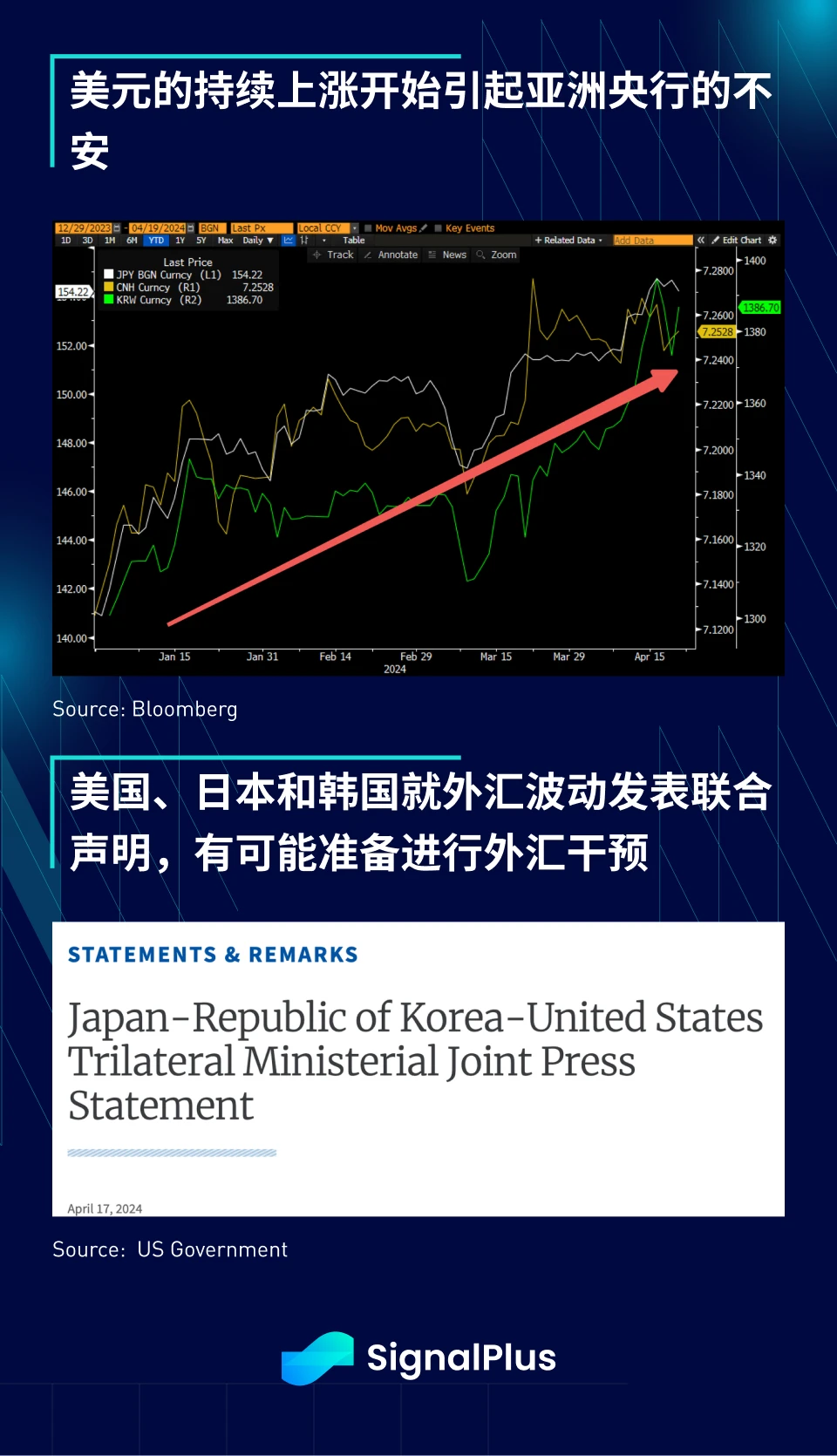
美债收益率和美元指数的大幅上涨促使美国财政部长 Yellen、日本财务大臣 Suzuki 和韩国财政部长 Choi Sang-mok 发表联合声明,表示三国将“继续就外汇市场发展进行密切磋商,符合现有的 G-20 承诺”,同时承认日本和韩国对日圆和韩元近期大幅贬值感到担忧,这表示若趋势持续,亚洲地区的央行可能会进行外汇干预。Reuters 随后报导了进一步的消息,日本财务大臣 Suzuki 表示,“G 7 确认其对汇率过度变动的承诺,防止对经济产生负面影响”是有意义的,看来,消息面带来的交易风险将会回归一段时间。

SignalPlus宏观分析(20240419):美联储表示今年将不会降息

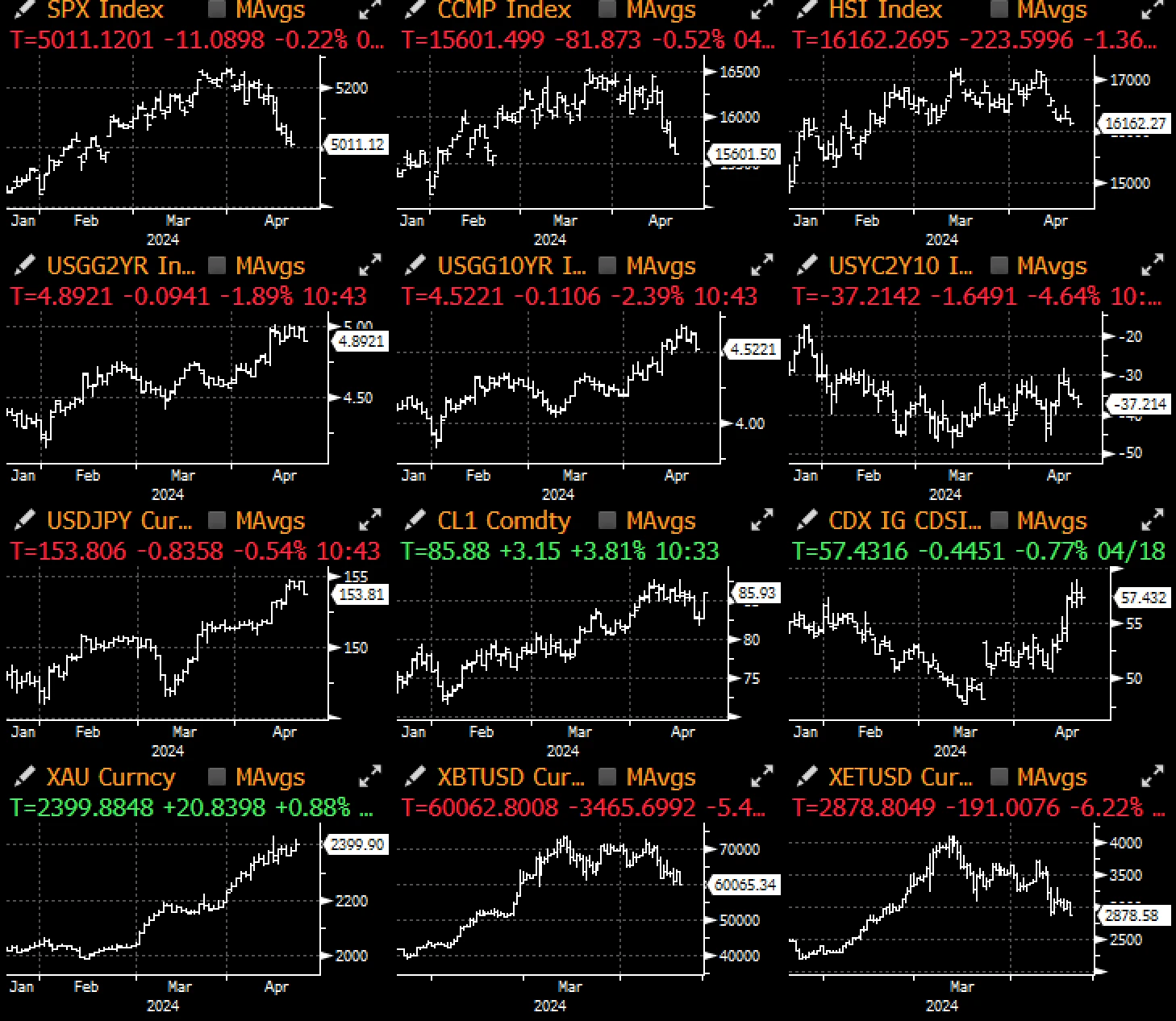
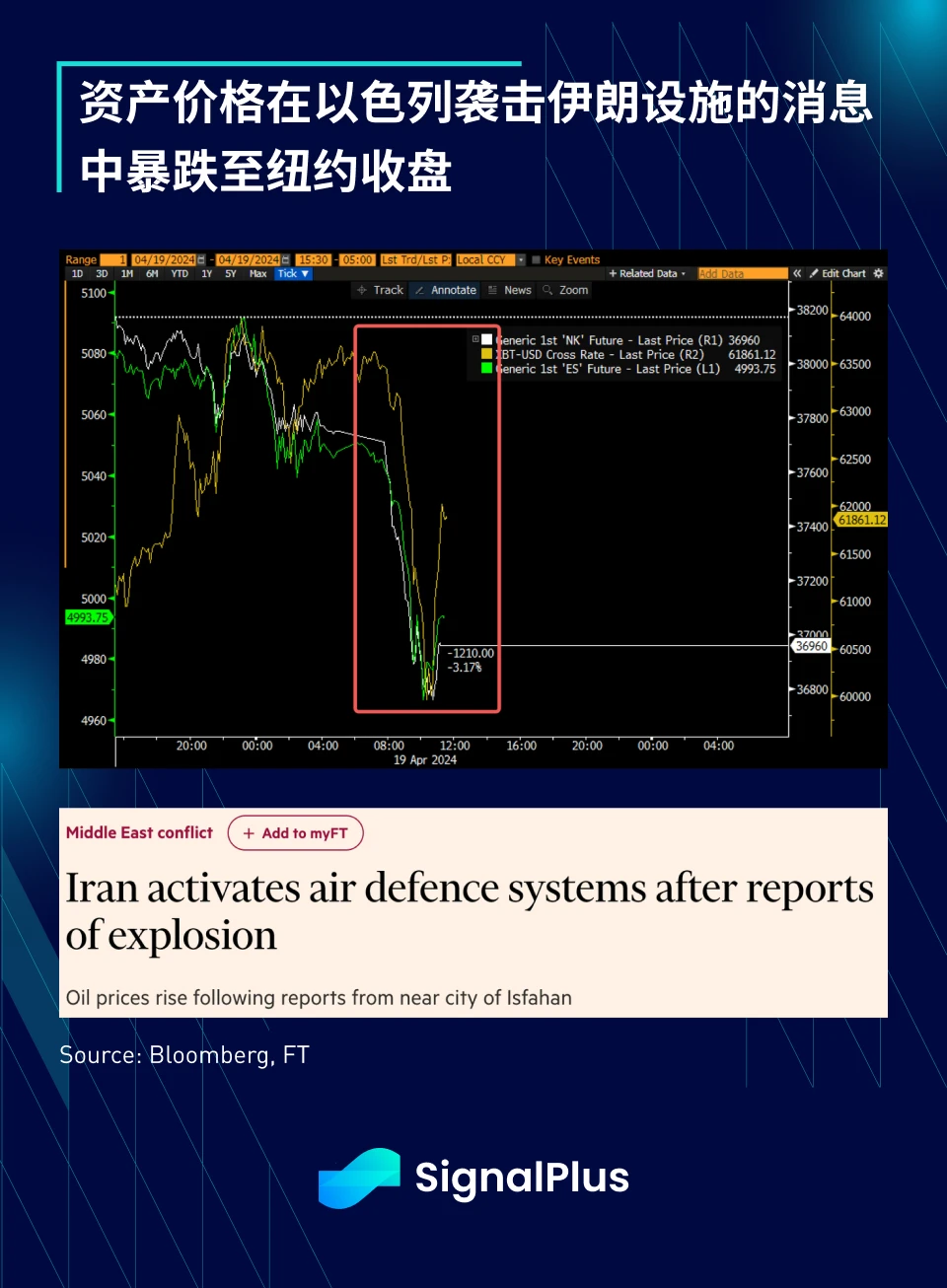
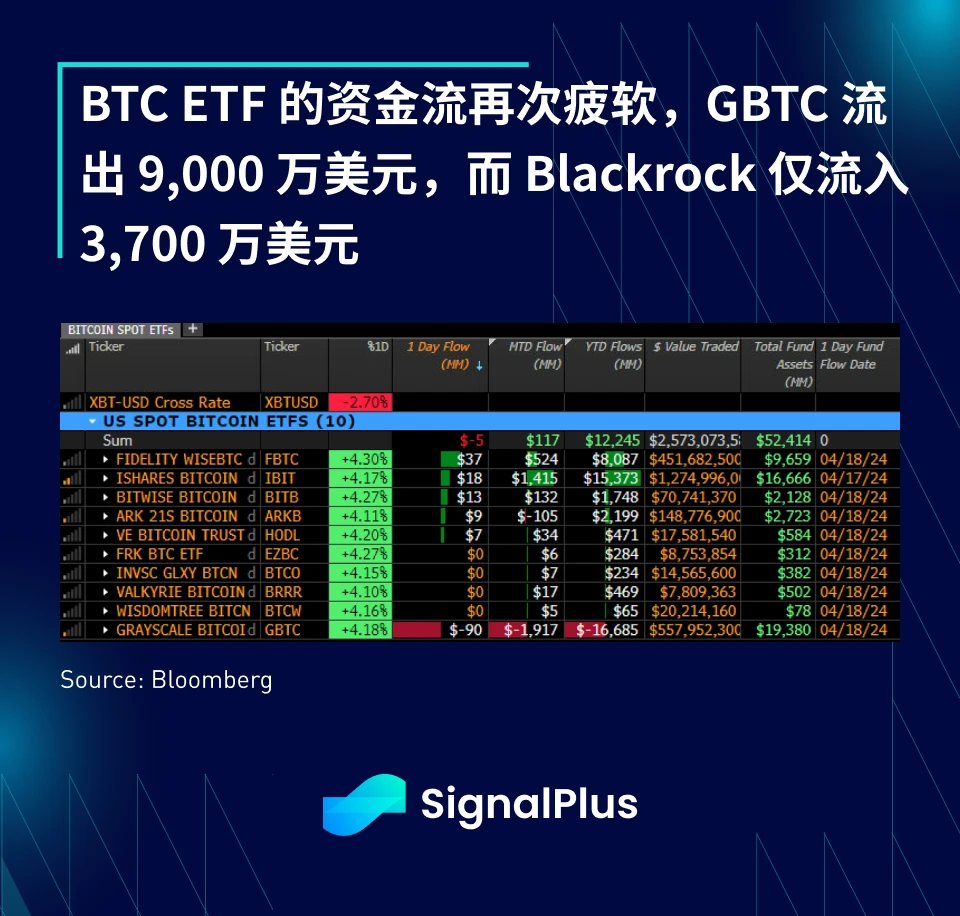
说到消息面的风险,尾盘时以色列对伊朗发动攻击的新闻导致所有资产类别迅速下跌(SPX 期货 <5000 ,日经指数期货 -3% ,BTC 从 6.35 万跌破 6 万),随著战争风险溢价不断升级,风险情绪可能在进入周末的同时继续保持低迷。BTC ETF 的资金流入也再次令人失望,IBIT 仅增加了 3, 700 万美元的流入,而 GBTC 则流出了 9, 000 万美元。

过去 1.5 周我们一直反复提及降低风险和保护盈利,毕竟地缘政治冲突看起来不会很快得到解决,而在下周五的 PCE 数据发布之前,宏观数据也不太可能显示出任何鸽派缓解,也就是说,接下来几天交易时请务必保持谨慎。

SignalPlus宏观分析(20240419):美联储表示今年将不会降息

SignalPlus宏观分析(20240419):美联储表示今年将不会降息

SignalPlus宏观分析(20240419):美联储表示今年将不会降息

您可在 ChatGPT 4.0 的 Plugin Store 搜索 SignalPlus ,获取实时加密资讯。如果想即时收到我们的更新,欢迎关注我们的推特账号@SignalPlusCN ,或者加入我们的微信群(添加小助手微信:SignalPlus 123)、Telegram 群以及 Discord 社群,和更多朋友一起交流互动。

SignalPlus Official Website:https://www.signalplus.com

Leituras Relacionadas

Foundation Steps Back, Ethlabs Steps Forward: Ethereum Undergoes Its Largest Restructuring in History

On June 23rd, the Ethereum ecosystem witnessed two major shifts, signaling a significant governance realignment. First, former Ethereum Foundation researchers established Ethlabs, a new independent non-profit. Backed by major ETH holders like Bitmine and SharpLink, Ethlabs aims to address practical needs for institutional adoption, including faster settlement, native asset issuance, cross-chain transactions, and mainnet scaling. Secondly, the Ethereum Foundation announced a major restructuring, laying off 54 employees (20% of its staff) to become a leaner entity focused on protocol governance and maintenance rather than being the primary builder. This move represents a pivotal correction. Criticisms had mounted over the Foundation's perceived slowness, lack of clear strategy, and over-reliance on Vitalik Buterin's influence. Ethlabs emerges as a more execution-oriented, "industrialized" layer focused on market adoption—bridging the gap between research and real-world use. Notably, Vitalik Buterin is absent from its list of supporters, interpreted as an intentional step to avoid excessive personal endorsement and allow the organization to build independent credibility. The Ethereum Foundation's downsizing and redefinition mark a retreat from its former central coordinating role. It now aims to share the "privilege of stewarding Ethereum" with other emerging groups like Ethlabs, the Ethereum Applications Guild, and The Ethereum Economic Zone. Analysts frame this dual shift as the Foundation ensuring Ethereum remains "correct" (credibly neutral), while Ethlabs must prove it remains "effective" (competitive and attractive for capital and adoption). This addresses community "shareholder-like anxiety" about ETH's market performance. While risks exist—such as concerns over shifting from Foundation centrality to large-holder influence—the consensus is that the greater risk for Ethereum was inaction, caught between technical idealism and organizational inertia. These steps aim to create a more multi-stakeholder, execution-driven future for the network.

链捕手Há 5h

Foundation Steps Back, Ethlabs Steps Forward: Ethereum Undergoes Its Largest Restructuring in History

链捕手Há 5h

Second Half of U.S. Crypto Policy: The Clarity Act Aims for 60 Votes, CFTC's "One-Person Commission" Becomes Biggest Variable

In a pivotal year for US crypto policy, the "CLARITY Act" is advancing in the Senate but faces a high hurdle, needing 60 votes to pass. Key challenges include bridging partisan divides on ethics and swaying undecided Republican senators within a tight legislative calendar of only about 40 working days. The policy "second half" involves intense negotiations on a broader framework for Web3 and DeFi, including crypto tax reforms and the Blockchain Regulatory Certainty Act. A significant uncertainty is the understaffed CFTC, operating with four commissioner vacancies, which complicates regulatory clarity. Meanwhile, the departure of key "crypto champions"—SEC Commissioner Hester Peirce and Senator Cynthia Lummis—will impact ongoing policy efforts. Industry experts are cautiously optimistic but realistic. Sara K. Weed notes that while progress is being made, CLARITY is unlikely to pass this Congress, pushing agencies like the SEC and CFTC to provide more guidance. Sulolit Mukherjee suggests meaningful crypto tax legislation is more likely to be attached to larger must-pass bills. Rashan Colbert discusses the jurisdictional debate over prediction markets, emphasizing the need for a regulatory framework that fosters their development as financial tools rather than treating them broadly as gambling. The clock is ticking, but opportunities remain for substantive progress through continued bipartisan dialogue and pragmatic efforts.

marsbitHá 8h

Second Half of U.S. Crypto Policy: The Clarity Act Aims for 60 Votes, CFTC's "One-Person Commission" Becomes Biggest Variable

marsbitHá 8h

Research Report Analysis: Morgan Stanley Details SanDisk SNDK, The Truth About Cloud Data Center Pricing Power and AI Inference Benefits

Morgan Stanley raised its price target for SanDisk (SNDK) from $1100 to $1750 on June 22, maintaining an Overweight rating. The upgrade is driven by AI inference demand reshaping the NAND market, particularly for KV Cache and context window storage in cloud data centers. These cloud clients exhibit price inelasticity and sign long-term contracts, granting SanDisk significant pricing power. SanDisk's New Business Model (NBM) agreements, covering over one-third of FY27 bit shipments with 3-5 year terms and fixed price/price collar structures, are crucial. They are projected to sustain gross margins around 80% even at floor prices, providing a buffer against cyclical downturns. Morgan Stanley forecasts gross margins to surge from 30.3% in FY25 to 86.7% in FY27e. With NAND supply expected to remain tight into 2026/2027 and cloud/data centers becoming the largest end-market, SanDisk holds supply-side pricing power. The company targets 15-19% bit growth via technology transitions, not capacity expansion. Revenue is projected to grow ~6.6x from FY25 to FY27, with EPS rising from $2.74 to $14.73, driven by high-margin cloud business. Key upside catalysts include faster enterprise SSD adoption and edge AI growth. Downside risks involve slower industry growth, competitor capex increases, market share loss, and competition from Chinese players like YMTC. The investment thesis rests on AI-driven structural demand, NBM's margin protection, and sustained supply tightness. The $1750 target implies ~28x FY27e P/E.

marsbitHá 9h

Research Report Analysis: Morgan Stanley Details SanDisk SNDK, The Truth About Cloud Data Center Pricing Power and AI Inference Benefits

marsbitHá 9h

Trading

Spot
Futuros
活动图片