CoinDeskPolicyPublicado em 2024-04-17Última atualização em 2024-04-18

Resumo

Members of the industry have said the regulator takes too long to approve crypto applications.

  • The U.K.'s FCA says it will prioritize trust over speed when it comes to crypto registrations.
  • The industry have said the FCA takes too long to approve crypto applications. The regulator has only approved 45 firms in four years.

The U.K.'s Financial Conduct Authority (FCA) won't compromise a focus on trust just to more quickly register crypto companies, an executive from the national regulator said Thursday.

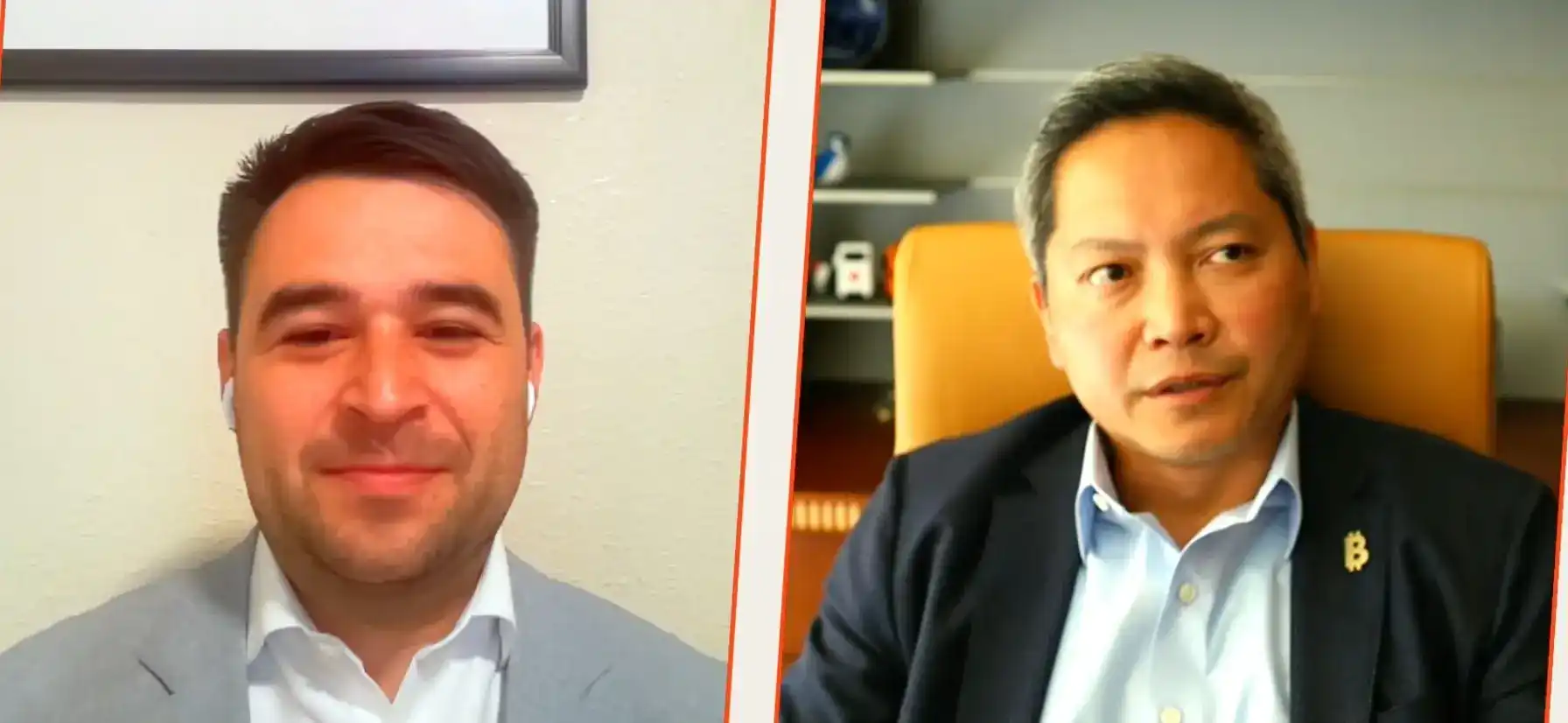
"A simple focus on numbers could undermine trust and reputation," said Sarah Pritchard, the FCA's executive director for markets and international at TheCityUK conference, in response to industry complaints that the regulator takes far too long to register crypto companies.

The FCA, which is the country's main crypto regulator, has been processing registrations for crypto firms wishing to operate in the country and comply with its money laundering rules since 2020. Over 300 firms have tried to win approval by the regulator since the regime opened, of which only 45 firms have succeeded.

Advertisement
Advertisement

Companies like crypto exchange Gemini, payments platform Revolut and asset manager Fidelity Digital Assets have landed on the register. But the process can take a while.

Participants in the crypto industry told CoinDesk last year that it took over a year for the FCA to get back to them regarding their registration application. In her remarks Thursday, Pritchard said speeding up its process may look better, but could ultimately harm consumers.

"Lower standards could leave open our market to abuse by those who seek to launder criminally made cash, damaging market integrity and confidence in financial markets," Pritchard said. "Instead, we take a longer view. Crypto’s success – and the success of any base for crypto firms – relies on trust being built and maintained."
Edited by Nikhilesh De.

Leituras Relacionadas

SpaceX Ties Up with Cursor: A High-Stakes AI Gambit of 'Lock First, Acquire Later'

SpaceX has secured an option to acquire AI programming company Cursor for $60 billion, with an alternative clause requiring a $10 billion collaboration fee if the acquisition does not proceed. This structure is not merely a potential acquisition but a strategic move to control core access points in the AI era. The deal is designed as a flexible, dual-path arrangement, allowing SpaceX to either fully acquire Cursor or maintain a binding partnership through high-cost collaboration. This "option-style" approach minimizes immediate regulatory and integration risks while ensuring long-term alignment between the two companies. At its core, the transaction exchanges critical AI-era resources: SpaceX provides its Colossus supercomputing cluster—one of the world’s most powerful AI training infrastructures—while Cursor contributes its AI-native developer environment and strong product adoption. This synergy connects compute power, models, and application layers, forming a closed-loop AI capability stack. Cursor, founded in 2022, has achieved rapid growth with over $1 billion in annual revenue and widespread enterprise adoption. Its value lies in transforming software development through AI agents capable of coding, debugging, and system design—positioning it as a gateway to future software production. For SpaceX, this move is part of a broader strategy to evolve from a aerospace company into an AI infrastructure empire, integrating xAI, supercomputing, and chip manufacturing. Controlling Cursor fills a gap in its developer tooling layer, strengthening its AI narrative ahead of a potential IPO. The deal reflects a shift in AI competition from model superiority to ecosystem and entry-point control. With programming tools as a key battleground, securing developer loyalty becomes crucial for dominating the software production landscape. Risks include questions around Cursor’s valuation, technical integration challenges, and potential regulatory scrutiny. Nevertheless, the deal underscores a strategic bet: controlling both compute and software development access may redefine power dynamics in the AI-driven future.

marsbitHá 27m

SpaceX Ties Up with Cursor: A High-Stakes AI Gambit of 'Lock First, Acquire Later'

marsbitHá 27m

Trading

Spot
Futuros
活动图片