Donald Trump Promises to "Never Allow" Central Bank Digital Currencies (CBDC) if Elected

CoinDeskPolicyPublicado em 2024-01-17Última atualização em 2024-01-18

Resumo

Former President Donald Trump joins Ron DeSantis as a critic of CBDCs.

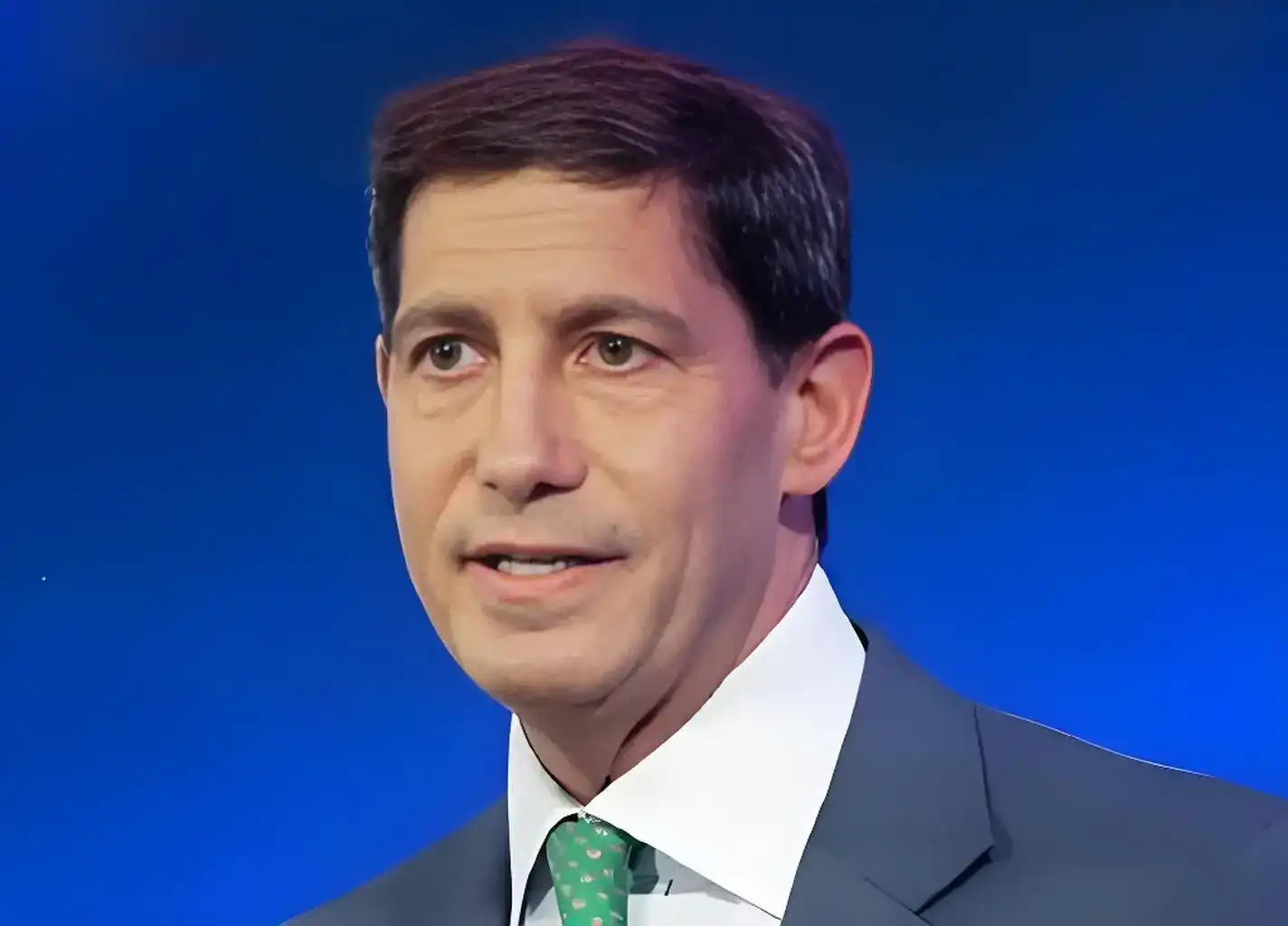
Former President and front-runner in the Republican leadership race, Donald Trump, has promised to ban the creation of a central bank digital currency (CBDC) during a campaign stop in New Hampshire.

"As your president, I will never allow the creation of a central bank digital currency,” Trump said on stage, joined by crypto-friendly former candidate Vivek Ramaswamy, who recently suspended his campaign.

1.3K

“This would be a dangerous threat to freedom, and I will stop it from coming to America,” he continued. “Such a currency would give a federal government, absolute control over your money. They could take your money, and you wouldn’t even know it was gone.”

Advertisement
Advertisement

CBDCs are digital versions or tokenized versions of cash that are issued and regulated by central banks that may or may not use blockchain as an underlying technology.

Trump, once a critic of crypto, owned over $2.5 million in ether according to an August 2023 disclosure.

While there's currently no proposal from the Federal Reserve to introduce a CBDC, this hasn't stopped it from becoming a hot issue in U.S. politics, particularly on the campaign trail.

CBDCs have emerged as one of the hottest issues for Florida Governor Ron DeSantis' office, generating more public interest than the usual wedge issues of gun rights and abortion, CoinDesk reported last May.

"If CBDCs are the encroachment on our civil liberties that the majority of people believe they are, we don't have time to wait,” Samuel Armes, of the Florida Blockchain Business Association, said at the time. “At the end of the day, if the Feds want something, they're going to try to get it. So it's our job to try and stop it.”

Armes and the Florida Blockchain Business Association helped draft Florida's anti-CBDC bill, which recently passed the state's Senate.

Advertisement
Advertisement

In a November report, Bank of America said that while central banks are exploring CBDCs globally, the issuance of a U.S. digital dollar by the Federal Reserve is unlikely in the near term.

Leituras Relacionadas

The Full Story of How Crypto Unicorn Blockstream Is Mired in Serious Fraud Allegations

This article details serious allegations of fraud against Bitcoin infrastructure company Blockstream, founded by Bitcoin pioneer Adam Back. In June 2024, investigative account NatInfoSec published a report accusing Blockstream's mining note (BMN) program of potentially operating a multi-billion dollar scheme with Ponzi-like characteristics. The core allegations focus on Blockstream Mining Notes (BMNs), which offer investors fixed annual yields up to approximately 20% from Bitcoin mining. NatInfoSec's investigation raises several key issues: 1. **Suspicious Hashrate & Payout Capacity**: The analysis suggests Blockstream would need 20-45 EH/s of mining power to cover its BMN obligations, but its public dashboard shows only around 15 EH/s. Furthermore, no verifiable public evidence (e.g., grid connection records, import data) was found to support the massive mining operation required. 2. **Questionable Payout Source**: The BMN contract allows Blockstream to use Bitcoin from *any source* (Substitute Performance BTC) to fulfill investor payouts, raising concerns that payouts may not come from actual mining revenue. 3. **High-Risk, Fixed Returns**: Offering ~20% fixed yields in the volatile, cyclical Bitcoin mining industry is viewed as highly unusual and requires clear explanation. 4. **Undisclosed Criminal Record of Key Figure**: Christopher William Cook, a key figure in Blockstream's mining operations and CEO of spin-off Exacore, was found to have a federal felony conviction for mail fraud in 2008, a fact not disclosed in BMN offering documents. His background was also allegedly embellished. 5. **Potential Contagion to BSTR SPAC**: Questions were raised about whether these liabilities and Cook's record should have been disclosed in the SEC filings for Bitcoin Standard Treasury Company (BSTR), a separate Adam Back-associated firm planning a SPAC merger. The crypto community is divided. BitMEX Research validated Cook's criminal record and expressed concern over the high yields but found other evidence lacking or misleading, noting the legal separation between BMN, Blockstream, and BSTR. Blockstream defenders, like Samson Mow, argue the mining is real. Critics, however, emphasize the lack of independent, verifiable proof of the mining operation's scale and the true source of investor payouts. The article concludes that BMN remains shrouded in key unanswered questions regarding its actual size, the verifiability of its underlying mining assets and payouts, the source of its high yields, and the full role and disclosure concerning Chris Cook. Blockstream had not issued a comprehensive response at the time of writing.

marsbitHá 8h

The Full Story of How Crypto Unicorn Blockstream Is Mired in Serious Fraud Allegations

marsbitHá 8h

Trading

Spot
Futuros
活动图片