EU Banking Watchdog Extends Anti-Money Laundering Measures to Cover Crypto Firms

CoinDeskPolicyPublicado em 2024-01-15Última atualização em 2024-01-16

Resumo

The European Banking Authority's new guidance for crypto firms will take effect on Dec. 30.

The European Union's banking watchdog on Tuesday issued guidance for crypto firms to comply with its anti-money laundering and terrorist-financing requirements.

By extending the scope of its existing measures to cover crypto, the European Banking Authority (EBA) "harmonizes the approach" that crypto asset service providers (CASP) across the EU should adopt to combat financial crime, it said in a press statement.

10

"The risks of this happening can be increased, for example because of the speed of crypto-asset transfers or because some products contain features that hide the user’s identity. Therefore, it is important that CASPs know about these risks and put in place measures that effectively mitigate them," the statement said.

Advertisement
Advertisement

The EU last year finalized legislation on the transfer of funds via digital assets alongside its landmark Markets in Crypto Assets (MiCA) regulatory package. The EBA has since published guidelines on risk-based supervision of CASPs and is consulting on the proposed guidelines to prevent the abuse of crypto transfers that align with recommendations from the global watchdog, the Financial Action Task Force (FATF). It's also consulting on further guidance relating to internal policies and controls CASPs should have.

"Given the interdependence of the financial sector, the new Guidelines also include guidance addressed to other credit and financial institutions that have CASPs as their customers or which are exposed to crypto assets," the EBA said.

Competent authorities have to report whether they comply with the new guidelines within two months of publishing the guidelines translated into the official EU languages. The guidelines will apply from Dec.30, around the time when MiCA takes full effect.




Leituras Relacionadas

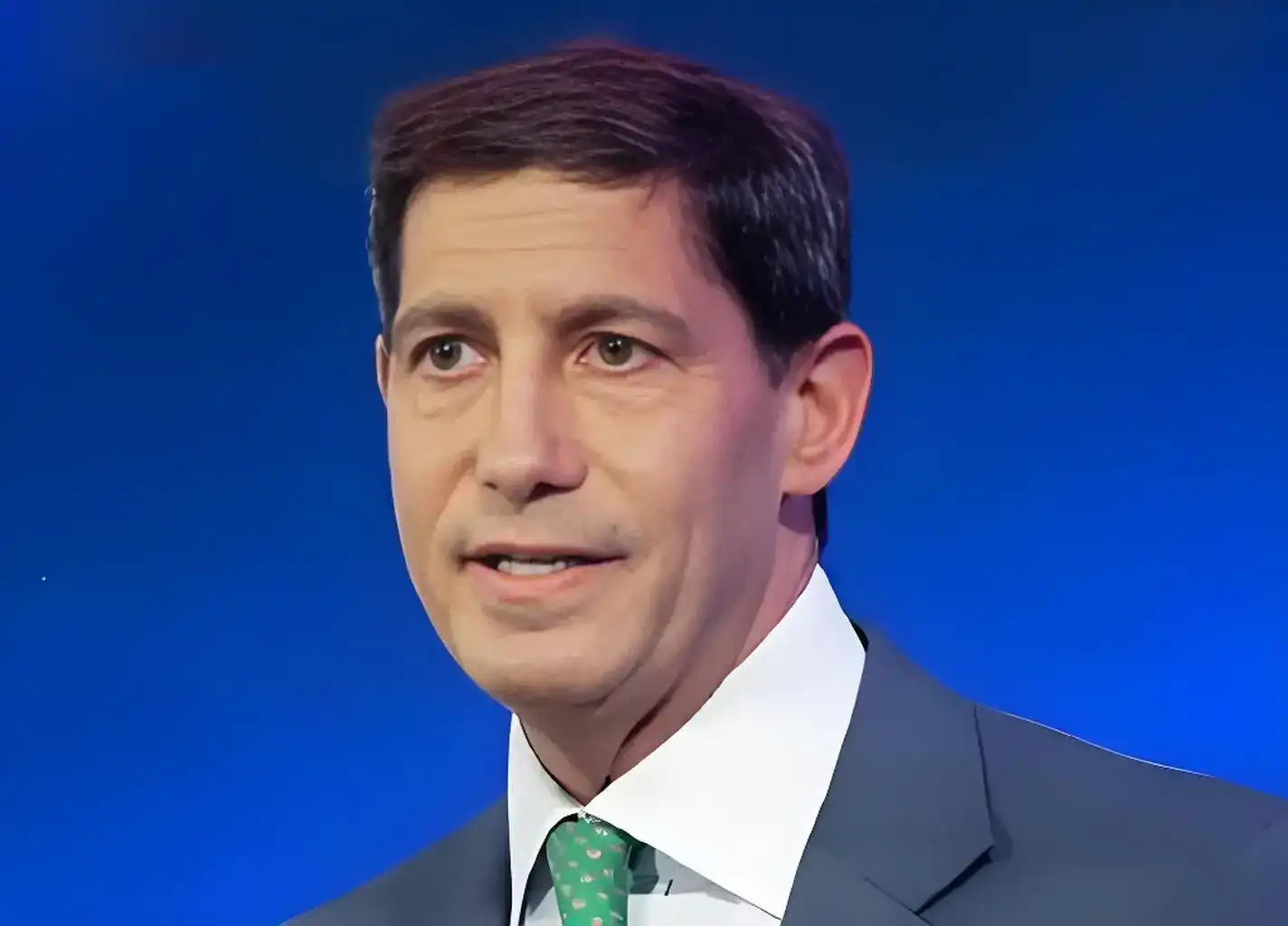
Warsh's Latest Speech: The Era We Are In

Federal Reserve Chairman Kevin W. Warsh delivered a speech titled "In Our Time" at the Jackson Hole Economic Policy Symposium. The remarks struck a cautiously hawkish tone, with Warsh emphasizing that inflation remains significantly above the Fed's 2% target and should be the primary focus of monetary policy. He expressed that recent, better-than-expected CPI and PCE data do not yet signal a meaningful improvement in the underlying inflation trend. Warsh outlined core principles for monetary policy, including the firm commitment to the 2% inflation target, the importance of both price stability and maximum employment, and the primary role of short-term interest rates as a policy tool. He also stressed the relevance of monetary aggregates and advocated for a Fed that communicates with greater purpose and restraint. A significant portion of the speech addressed the practice of "forward guidance." Warsh argued that while essential during crises, forward guidance should be limited in normal times. He warned that excessive pre-commitment to future policy paths can constrain the Fed's flexibility and create a "hall-of-mirrors" problem, where markets rely too heavily on Fed signals rather than independently assessing economic fundamentals. On the current economy, Warsh noted impressive resilience, strong business investment (partly driven by AI infrastructure), healthy consumer spending, and a stable labor market with low unemployment. However, he observed that broad financial conditions are not particularly restrictive. Despite economic strength, inflation metrics remain elevated, with a high proportion of PCE basket components still showing price increases above 3%. Warsh concluded by stating the Fed's standard: policymakers must be confident that underlying inflation is moving clearly and sufficiently quickly toward the 2% target. Otherwise, "we have more work to do." He framed his approach as a commitment to disciplined policy-making rather than to any specific near-term decision.

marsbitHá 54m

Warsh's Latest Speech: The Era We Are In

marsbitHá 54m

Access to Active Sessions Instead of Databases: How the Shadow Market in Russia Has Changed

The Russian cybercriminal underground is shifting from selling massive, stolen corporate databases to trading active, short-term access to user accounts, according to a 2026 report. The value of information intercepted directly from infected devices by malware has risen nearly 13% in a year. Attackers now sell packets containing active session tokens (bypassing passwords and two-factor authentication), live email credentials, VPN and cloud storage logins, and corporate network access. A subscription for a steady stream of fresh data costs $250-$300 per month, far exceeding the value of outdated archives. While Russian regulators have successfully penalized companies for data leaks from centralized storage—with no repeat violations recorded after imposing turnover fines—this framework fails against the new threat model. Malware now steals data *after* it leaves the corporate perimeter and is on a user's personal device, a legal grey area. In 2026, 60% of studied web attacks aimed to steal keys for infiltrating corporate infrastructure. The situation mirrors global trends, akin to the Genesis Market shutdown in 2023, and highlights a structural risk: the demand for "fresh" data incentivizes botnet operators to maintain long-term control of infected devices for recurring revenue. This creates a persistent vulnerability layer between personal devices and corporate networks, currently outside the reach of existing regulatory protections.

cryptonews.ruHá 3h

Access to Active Sessions Instead of Databases: How the Shadow Market in Russia Has Changed

cryptonews.ruHá 3h

Trading

Spot
活动图片
