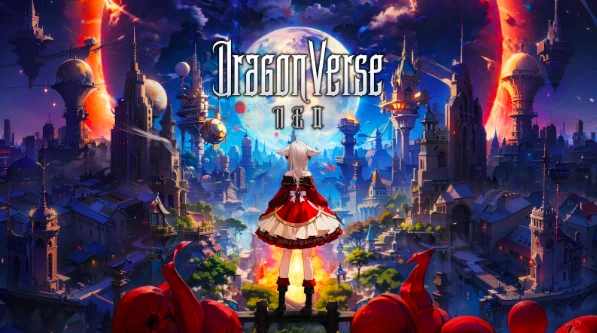
MOBOX宣布开启空投Dragonverse Neo的封测资格:共创、共治的开放世界

Odaily星球日报Publicado em 2023-12-22Última atualização em 2023-12-22

Resumo

Dragonverse Neo 的删档封测将在元旦上线,封测资格将空投给 MOBOX 社区的核心贡献者。

MOBOX宣布开启空投Dragonverse Neo的封测资格:共创、共治的开放世界

MOBOX 今日宣布,将开启空投 Dragonverse Neo 的删档封测资格。Dragonverse Neo 是一款由社区共同创造及共同治理的开放世界游戏,赋予社区创建内容和决定其发展的权力。Dragonverse Neo 标志着 MOBOX 向社区共建和治理的去中心化游戏制作的重要转变,专注于构建开放、可持续和繁荣的经济体系。这表明 MOBOX 已经跳脱出传统 GameFi 的通胀模式,在探索具有反脆弱和自我调节能力的经济模型。

UGC 游戏:释放社区创造力

Dragonverse Neo 引入用户生成内容(UGC)作为游戏的核心要素,使得游戏保持新鲜感的同时维持游戏内的经济的稳定性。UGC 提供了更多样化的资产应用场景,玩家通过创作内容来发挥影响力,为游戏世界增添了层次和复杂性。这种给予玩家创作权力的设计,促进了更深入的游戏连接,赋予了游戏资产更本质的内在价值。通过升级后的 3D 游戏引擎,每位 MOBOX 玩家都有机会参与塑造游戏的方方面面,包括但不限于:

  • 创建和定制游戏物品、角色和地图;

  • 编织引人入胜的剧情和创新的游戏机制;

  • 开发带有微观经济和开放市场的小游戏。

共治:社区决定发展的道路

Dragonverse Neo 的另一个核心理念:去中心化治理。让 MOBOX 玩家能够主导游戏发展的方向,这是与传统的中心化游戏制作模式最本质的区别。MOBOX 玩家,以及 $MBOX / veMBOX / MODragon / MOMO 的持有者,均可决定游戏的各个方面,包括但不限于:

  • 发布游戏内容:提出添加新元素的提案。例如地图上的新地点(POI)、引入令人难忘的新 NPC,甚至构思一个需要特殊访问权限的迷你小游戏;

  • 完善游戏机制:对游戏的内部运作发表意见。例如调整资产消耗和产出的比率,微调游戏内市场的佣金费用,以更好地适应游戏内经济;

  • 优化社区奖励:参与决定奖励的分配方式。例如重新分配小游戏之间的奖励分配比例,决定平台收入如何分配给社区;

  • 启动生态合作伙伴:参与扩大 Dragonverse Neo 的生态。例如 IP 合作,品牌联动,共同举办活动等。

经济模型:扩大资产的应用场景

Dragonverse Neo 超越了传统的“玩赚”模式,对经济模型进行了改进,扩大了 MOBOX 资产(MBOX、veMBOX、MoDragons 和 MOMOs)的应用场景。这些资产将在玩家创作和共同治理中发挥作用,包括但不限于:

  • 解锁更多可能性:访问独家游戏元素,解锁高级功能,获得测试资格;

  • 促进和丰富游戏体验:用于多种游戏内活动,例如打造和升级物品,与其他玩家进行交易;

  • 实施和影响治理:参与游戏的治理,发起提案并投票,确保游戏以符合社区愿景的方式发展。

游戏体验:创造 MOBOX 的新高度

MOBOX 通过游戏引擎升级,大幅度提升了游戏体验,包括动漫风格的美术视觉升级和电影级别的游戏画质。在开放世界的框架下,每位玩家的探索旅程都将独一无二,由他们自己的选择编织而成。

据悉,Dragonverse Neo 的删档封测将在元旦上线,封测资格将空投给 MOBOX 社区的核心贡献者。今日起可在 Dragonverse 的官方网站中领取 Dragonkey ( 6 位代码) 以获得封测资格。
Leituras Relacionadas

Bitcoin Becomes a National Strategic Asset? U.S. Congressman Proposes Annual Purchase of 200,000 BTC, Locked for 20 Years Without Sale

U.S. Representative Nick Begich (R-Alaska) introduced the "American Reserve Modernization Act" (ARMA) on May 21, aiming to codify a strategic Bitcoin reserve into law. Building on a prior executive order, the bill seeks to establish a permanent national Bitcoin reserve managed by the Treasury Department. The proposed legislation would authorize the Treasury to acquire up to 200,000 Bitcoin annually for five years, targeting a total reserve of 1 million Bitcoin, roughly 5% of the total supply. All acquired Bitcoin would be locked and held for at least 20 years. Representative Begich likened Bitcoin's role in crypto to gold's in precious metals, calling it the dominant store of value in its asset class. The U.S. government currently holds approximately 328,000 Bitcoin, largely from law enforcement seizures, but lacks a coherent management strategy for these assets. Co-sponsors emphasized the urgency of addressing this gap. This move coincides with a wave of crypto-friendly legislation in Washington, including recent bipartisan committee approval of a major digital asset market structure bill. Concurrently, the Treasury has intensified crackdowns on illicit crypto finance, seizing hundreds of millions in assets, further highlighting the need for a comprehensive digital asset strategy. The White House has indicated that operational details for the strategic Bitcoin reserve are forthcoming, with key legal hurdles reportedly cleared.

marsbitHá 30m

Bitcoin Becomes a National Strategic Asset? U.S. Congressman Proposes Annual Purchase of 200,000 BTC, Locked for 20 Years Without Sale

marsbitHá 30m

Blockchain Capital Partner: The Structure of On-Chain Two-Tier Capital Is Still in the Early Stages of Value Discovery

Spencer Bogart, a general partner at Blockchain Capital, argues that the on-chain economy possesses unique features like programmability, composability, and global distribution, fostering an open and fast-paced innovation ecosystem. However, these very features create challenges for large, fiduciarily-responsible institutional capital, which requires robust risk assessment frameworks often difficult in a permissionless and adversarial environment. The proposed solution is the emergence of a two-tiered capital structure. The first, permissionless layer remains the crucible for innovation, where protocols are built, tested, and hardened with real capital. The second, "institutional" layer consists of chains (L1s, L2s, etc.) that, while based on similar code, incorporate risk-management features like the ability to pause or freeze transactions in extreme scenarios, making them suitable for large-scale institutional deployment. The synergy between these layers is key. Protocols proven resilient in the open, permissionless environment can then scale to the institutional layer, accessing deeper capital pools. This creates a lifecycle: build and launch permissionlessly, test and prove robustness publicly, then expand to an institutional-grade chain for scaled adoption. This architecture allows the open, experimental side to continue driving innovation with crypto-native capital, while the institutional layer provides the liquidity, stability, and trust required for mainstream adoption. The major challenge identified is the "cold start" problem: aligning where institutional capital prefers to go with where the most proven applications and network effects currently reside. How this dynamic resolves—whether through protocol migration, new protocol builds, or institutional adaptation—will be crucial to watch. Overall, this evolving structure aims to combine the strengths of open innovation and institutional depth within a shared on-chain ecosystem.

链捕手Há 1h

Blockchain Capital Partner: The Structure of On-Chain Two-Tier Capital Is Still in the Early Stages of Value Discovery

链捕手Há 1h

Trading

Spot
Futuros
活动图片