FTX Files Reorganization Plan to End Bankruptcy

CoinDeskPolicyPublicado em 2023-12-17Última atualização em 2023-12-18

Resumo

Asset values for creditor claims will be calculated at prices on the day FTX filed for bankruptcy in November 2022, the plan says.

The estate of the collapsed crypto enterprise FTX submitted a proposal to end bankruptcy with a Delaware court, a filing from Saturday shows.

The exchange founded by Sam Bankman-Fried imploded in November 2022 shortly after CoinDesk reported on the shaky balance sheet of the firm's trading unit, Alameda. The bankruptcy plan was expected by Dec. 16 following earlier informal proposals, which included plans to return up to 90% of creditors' funds.

11.7K

In the new proposal, creditor and customer claims are classed according to the priority the estate plans to give them, and the value of claims will be calculated based on asset prices as of the date the company filed for bankruptcy. In a separate statement, the estate said the plan was designed to "maximize and efficiently distribute value to all creditors."

Advertisement
Advertisement

As in other high-profile crypto bankruptcy cases, the plan is likely to face opposition from various creditor groups until it's approved by the court. A hearing date will be set in 2024.

Edited by Sheldon Reback.


Leituras Relacionadas

Solana Proposals Could Lead to Reduction in Staking Yields to 2.25% and Cut Emissions by $1.5 Billion

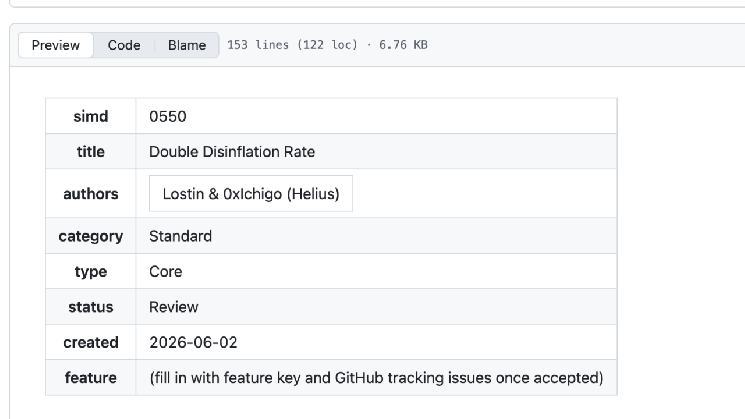
Solana is moving towards a stricter monetary model that could lead to a SOL deficit and significantly reduce staking rewards for holders. Two governance proposals drive these changes. SIMD-550, currently under vote, would double Solana's annual disinflation rate from 15% to 30%, accelerating the timeline to reach a final inflation rate of ~1.5% to the first half of 2029. The second, SIMD-553 (already approved), introduces additional token burning tied to computational units used on the network. Together, these measures could reduce SOL emission by an estimated $1.4-$1.5 billion over six years. The immediate impact would be lower staking yields, potentially falling from the current ~5.25% to approximately 4.34% in year one, 3% in year two, and 2.25% by year three. Analyst Matt Mena from 21Shares suggests inflation should be tied to economic metrics to help offset this decline. The changes also raise concerns for validator economics, with some potentially becoming unprofitable as inflation rewards decrease and voting costs may rise. However, the lower passive yield might push a significant portion of the 67.9% staked SOL into Solana's DeFi ecosystem for activities like lending and trading. This shift could boost network fee revenue to compensate for lower inflation rewards. The proposals aim to trade lower yield today for less dilution tomorrow, betting that network growth and usage will make this a worthwhile trade-off for SOL holders.

cryptonews.ruHá 2h

Solana Proposals Could Lead to Reduction in Staking Yields to 2.25% and Cut Emissions by $1.5 Billion

cryptonews.ruHá 2h

Trading

Spot
活动图片