Sam Bankman-Fried’s Defense Argues Ex-FTX CEO Acted ‘In Good Faith’ In Emotional Closing Argument

CoinDeskPolicyPublicado em 2023-11-01Última atualização em 2023-11-01

Sam Bankman-Fried appeared to be on the verge of tears late Wednesday at the end of his attorney Mark S. Cohen's closing remarks, the former FTX CEO’s last, best hope for acquittal, or at least a hung jury.

"Sam did his best to start and operate two multi billion dollar businesses in a new market,” Cohen said at the conclusion of his emotionally-charged remarks before a 12-person jury.

4.6K

"Some decisions turned out well… some decisions turned out poorly," he added.

A D V E R T I S E M E N T

At the end of the proceeding – which stretched past 6pm – he offered an appeal for the jury to find Sam acted in "good faith" throughout his time running FTX and Alameda Research, his crypto trading firm, and therefore could not be convicted of fraud.

He asked the jury to consider the real world when they begin their deliberations on Thursday. In Cohen's telling, it was "real world miscommunications," "mistakes," and "delays," that imperiled FTX and the rest of Bankman-Fried's crypto empire – not intentional fraud.

Bankman-Fried spent these final few moments of his team’s closing arguments, a ramrod stillness replacing his usual jitters. He stared at his parents, blinking heavily and drinking big gulps of water. Sitting a few rows back in the gallery, Joseph Bankman and Barbara Fried appeared similarly taken by the proceedings.

As Sam walked out of the courtroom on Wednesday evening, his mother put her hand on her heart and sunk her face into her hands.

This is a developing story.

Leituras Relacionadas

Didier Zheng Answers: Will MicroStrategy Enter a Death Spiral? How Will the Macro Trend Unfold in the Second Half of the Year?

In the latest WuShuo Uncensored podcast, investor Didier Zheng analyzes recent market trends. He argues that Bitcoin's recent decline is primarily driven by market anticipation of MicroStrategy potentially selling small amounts of Bitcoin regularly to cover cash flow for its growing priority shares and debt, rather than macro factors or ETF outflows alone. This creates a new dynamic of expected continuous selling pressure. Didier views Token as the new form of labor in the AI era, replacing human roles in execution and driving the ongoing rally in U.S. stocks within the AI supply chain (semiconductors, data centers). This shift is seen as a long-term structural change, boosting corporate profitability. He notes that crypto exchanges are naturally expanding into U.S. stocks and real-world assets due to the scarcity of valuable native crypto assets beyond Bitcoin and major protocols. For traders, the transition may not require a drastic change in strategy, as similar speculative and fundamental assets exist in both markets. The analyst believes the native crypto altcoin rally is likely over, severely damaged by the liquidity destruction from the "1011" crash event. Liquidity has migrated to deeper markets like U.S. equities. For the macro outlook, Didier expresses increased caution for H2 2024 due to potential market pressure from mega-IPOs (e.g., SpaceX) and the U.S. midterm elections. A Democratic sweep could bring stricter regulation for Web3 and AI. Long-term, he remains optimistic about the convergence of AI and blockchain, enabling a more automated, machine-driven economy, but expects a shift towards a more mature, institutional phase for the crypto industry.

marsbitHá 7m

Didier Zheng Answers: Will MicroStrategy Enter a Death Spiral? How Will the Macro Trend Unfold in the Second Half of the Year?

marsbitHá 7m

Strive CEO: US Bond Market Approaching a Critical Point, Bitcoin's "Home Run Moment" Taking Shape

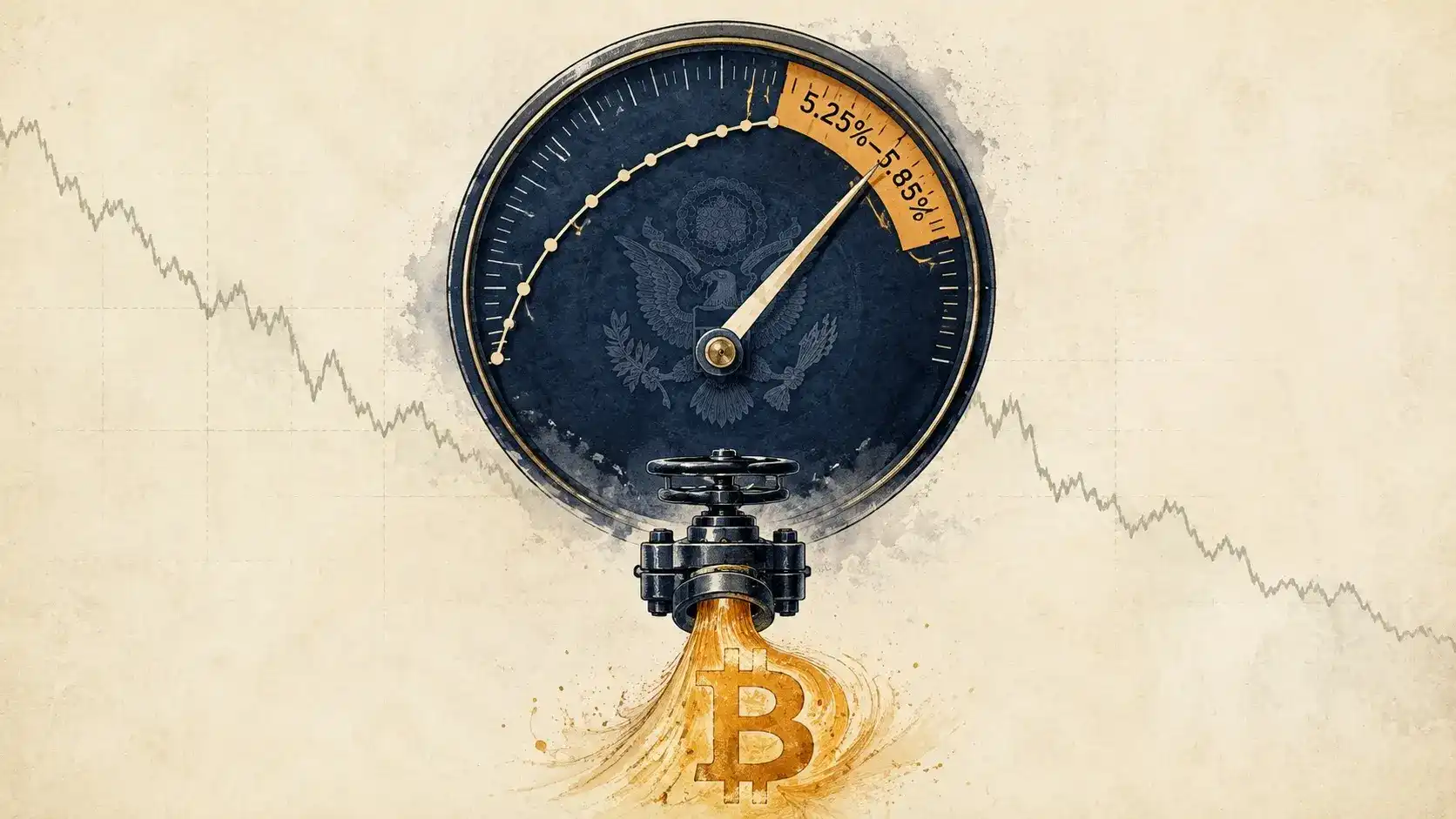
The CEO of Strive argues that the U.S. Treasury market is approaching a critical juncture, setting the stage for a major opportunity in Bitcoin. He highlights that unsustainable U.S. fiscal deficits and expanding entitlement programs are creating fundamental pressure for higher long-term bond yields. However, the political system is unwilling to enact necessary fiscal discipline. Consequently, as the 10-year Treasury yield enters a key resistance zone of 5.25%–5.85%, the narrative will shift to a potential bond market crisis. This will force policymakers (the Treasury or Federal Reserve) to intervene aggressively to suppress yields through tools like large-scale bond buybacks or balance sheet expansion. Since the underlying fiscal imbalance remains unresolved, the adjustment pressure will be transferred to the U.S. dollar, making it the "pressure release valve" of the system. A trend decline in the dollar, potentially to multi-decade lows, would create a historically unique macro environment for Bitcoin. Bitcoin stands to benefit as a scarce, non-sovereign monetary asset, especially as AI erodes the scarcity of traditional corporate moats. The author concludes that if bond market stress causes a Bitcoin dip, it would be a major buying opportunity; if not, having exposure is still crucial. The overall expectation is that the market is still underestimating Bitcoin's long-term upside potential in this unfolding macro shift.

marsbitHá 16m

Strive CEO: US Bond Market Approaching a Critical Point, Bitcoin's "Home Run Moment" Taking Shape

marsbitHá 16m

Trading

Spot
活动图片