Gary Gensler’s Bitcoin ETF position is ‘inconsistent’… says Gary Gensler

CointelegraphPublicado em 2023-10-29Última atualização em 2023-10-31

Resumo

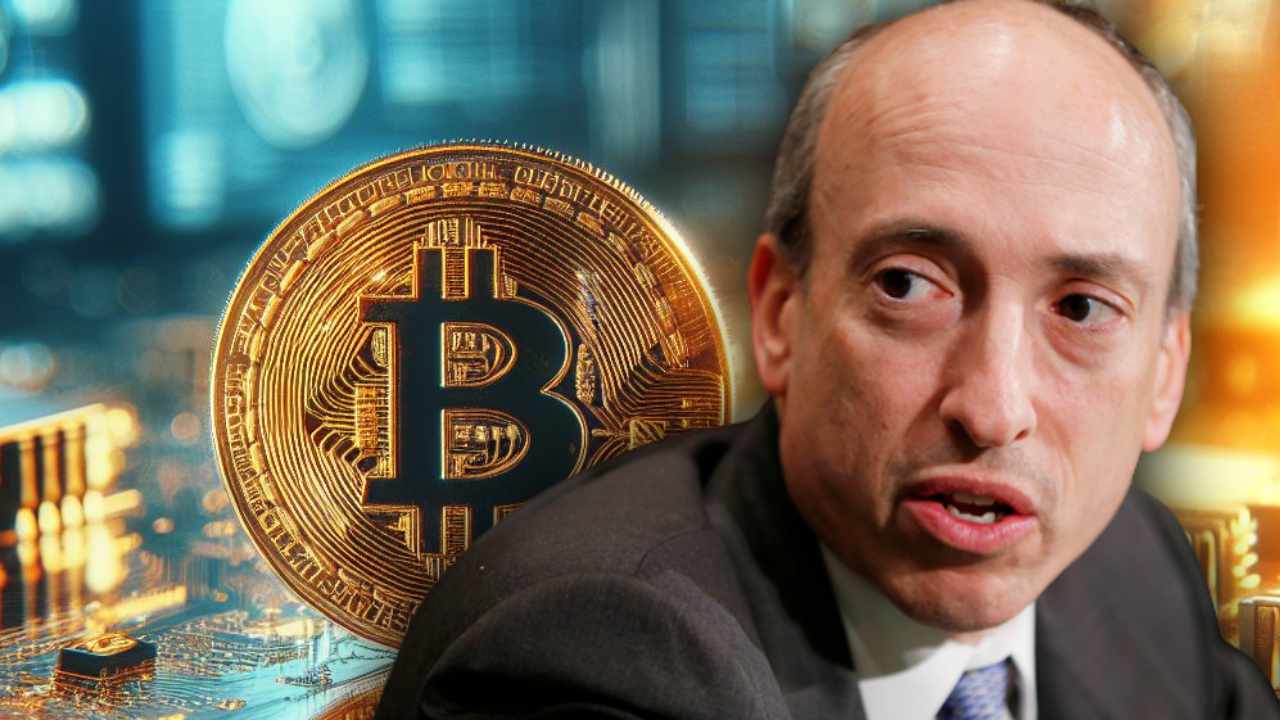
Gary Gensler once criticized the United States securities regulator for its “inconsistent” approach to spot Bitcoin (BTC) products, according to a resurfaced video of Gensler from 2019.

Gary Gensler once criticized the United States securities regulator for its “inconsistent” approach to spot Bitcoin (BTC) products, according to a resurfaced video of Gensler from 2019.
The video clip, which has recently made the rounds again on social media, shows the pre-SEC Gensler discussing blockchain regulation at the 2019 MIT Bitcoin Expo in a fireside chat with Securities and Exchange Commission (SEC) commissioner Hester Peirce.
“Bitcoin futures, and I think Ethereum futures and so forth, will exist and Bitcoin ETFs have not and that feels a little inconsistent to me [...]It feels a little inconsistent,” Gensler said.
“Even though the laws aren’t exactly the same, they’re quite similar,” he added.
Meanwhile, on X (Twitter), the crypto community couldn’t help but highlight the contrast with Gensler’s views toward spot Bitcoin ETFs today.
​​​​”​​Gary Gensler says Gary Gensler is wrong,” market analyst Zack Voell posted. “We missed out on chill and normal Gensler,” another X user remarked.
Gary Gensler says Gary Gensler is wrong. pic.twitter.com/sHGzHcUyIC
— Zack Voell (@zackvoell) October 28, 2023
To date, the SEC has only approved Bitcoin and Ethereum futures ETFs.
From as far back as 2017 the SEC has rejected spot Bitcoin ETF applications, a tradition carried on under Gensler who has denied, delayed or pushed back recent spot Bitcoin ETF applications claiming the funds don’t have protections for market manipulation.
Gensler’s SEC was sued by asset manager Grayscale for rejecting its bid to convert its existing Bitcoin trust into a spot ETF.
A court ruled the SEC was “arbitrary and capricious” to reject the application. The SEC did not appeal the decision.

Leituras Relacionadas

Stablecoins Becoming the Next Policy Challenge for the Fed's Walsh Version

Fed Governor Christopher Waller's speech at the June 22 conference on the U.S. dollar's international role signifies a notable policy shift: stablecoins like USDT and USDC are now being formally considered as potential channels for transmitting U.S. dollar liquidity globally. With their combined market cap surpassing $250 billion and high transaction volumes, these digital assets are moving from the periphery of crypto policy to the core of monetary system research. The key concern for policymakers is how stablecoin flows interact with traditional dollar infrastructure. Their growth could affect bank deposits, demand for short-term Treasury securities (like T-bills), and global access to dollars, depending on whether demand originates overseas or substitutes for domestic bank balances. Issuers' reserve management—holding assets in banks, money market funds, or Treasuries—links stablecoin activity directly to these core markets. The Fed's research agenda now examines whether stablecoins, by combining payment and balance-holding functions on digital rails, could complicate monetary policy implementation or transmit liquidity stress to banks. While current Treasury holdings by issuers are under 1% of the total market, their concentrated demand could marginally impact yields, especially during periods of stress. Consequently, stablecoins are evolving from mere crypto trading tools into a private-layer dollar transmission system with public policy implications, prompting closer regulatory scrutiny of their reserve robustness, redemption mechanisms, and systemic integration.

marsbitHá 58m

Stablecoins Becoming the Next Policy Challenge for the Fed's Walsh Version

marsbitHá 58m

A 380% Soar, Shenzhen’s 100-Billion-Yuan IPO Rings the Bell

HKC Holdings, a major Chinese display panel manufacturer, has successfully listed on the Shenzhen Stock Exchange's main board. The company's shares surged over 380% on its debut, pushing its market capitalization to around 350 billion yuan (formerly reaching 500 billion yuan). Founded by Wang Zhiyong in Shenzhen's Huaqiangbei electronics market nearly three decades ago, HKC evolved from assembling monitors to becoming a global top-tier supplier of semiconductor display panels for TVs, monitors, and smartphones. The IPO marks a significant milestone for HKC and its backers. The company's growth into the capital-intensive panel manufacturing sector was supported through partnerships with state-owned capital from regions like Chongqing, Mianyang, and Chuzhou. Its shareholder list also includes BOE Technology's investment arm. In recent years, HKC reported strong financials, with core panel business contributing over 70% of revenue and clients including Samsung, TCL, and Xiaomi. This listing is seen as part of a broader trend in Shenzhen's evolving tech landscape. Beyond established giants, the city is nurturing clusters of leading companies in specialized sectors like robotics—exemplified by the "Shenzhen Robot Valley"—and storage chips, where a group of firms dubbed the "Storage Five Tigers" has achieved a combined trillion-yuan market valuation. Shenzhen's strategic focus on emerging industries such as AI terminals, low-altitude economy, and humanoid robotics aims to build new industrial depth and foster the next generation of tech champions.

marsbitHá 1h

A 380% Soar, Shenzhen’s 100-Billion-Yuan IPO Rings the Bell

marsbitHá 1h

Trading

Spot
Futuros
活动图片