随着美国加息经济增长放缓,比特币和以太坊持平

Crypto VPublicado em 2023-04-28Última atualização em 2023-05-04

Resumo

市场还将关注将于周五公布的美国个人消费支出指数,美联储将利用该指数评估其加息政策对经济的有效性。央行将于 5 月 3 日宣布下一次加息。

尽管美国经济在第一季度录得低于预期的 1.1% 年化增长,但由于加息对 GDP 构成压力且经济衰退的威胁减弱,股市仍飙升。

消息传出后,比特币 (BTC) 一度跌至 28,748 美元,随后反弹至 28,934.06 美元。以太坊 (ETH) 从 1,883 美元跌至 1,869.53 美元,随后升至 1,883.40 美元。

随着衰退对美国经济的威胁下降,股市飙升

美国主要股市对该消息反应积极,道琼斯指数上涨 0.3%,标准普尔 500 指数上涨 0.6%,纳斯达克综合指数上涨 0.9%。

受正面财报消息的提振,Meta 的股价上涨了约 14%,而在收市后发布财报电话会议的亚马逊当天上涨了 3%。

由于交易员采取鸽派立场,预计到 2023 年底将降息三次,市场普遍预测 GDP 将增长 2.2%。GDP 也较上一季度的 2.6% 大幅下降。

本周早些时候,分析师 Noelle Acheson 指出,10 年 1 月的收益率曲线没有倒转。倒曲线是衰退指标。

尽管消息传出后比特币交易基本持平,但 K33 Research 表示,在一系列国际银行假期期间,比特币将在未来几周与美国股市相吻合。
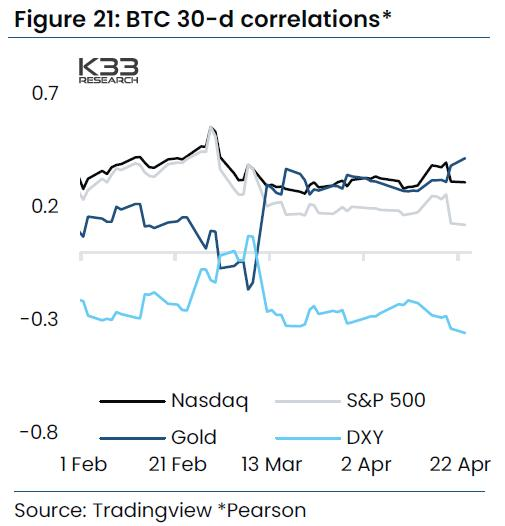
BTC 关联美国股票BTC-30 天相关性 |资料来源: K33 研究

自 2022 年 10 月以来,衡量美元兑其他主要货币强弱程度的美元指数已下跌 12%。

除非出现特定于加密货币的市场事件,否则 2022 年美元走强有时与比特币价格下跌相关。 8月美联储宣布进一步加息后,美元指数上涨,而比特币下跌11%。

在GDP数据公布前, BTC与美元的90天相关性为-0.7%。在此之前,美元指数自 10 月以来下跌了 12%。

这种关系表明,在 GDP 结果之后美元的任何进一步下跌都可能使比特币受益。

美联储预测还会加息两次

市场还将关注将于周五公布的美国个人消费支出指数,美联储将利用该指数评估其加息政策对经济的有效性。央行将于 5 月 3 日宣布下一次加息。

周四,美联储主席杰罗姆·鲍威尔 (Jerome Powell) 向冒充乌克兰总统泽伦斯基 (Volodymyr Zelensky) 的恶作剧者建议再两次加息25 个基点。

他说经济衰退“几乎与非常缓慢的增长一样可能”。

“我们需要一段放缓的增长期,这样经济才能降温,劳动力市场才能降温,工资才能降温。这就是通货膨胀下降的方式。这是我们知道降低通货膨胀的唯一方法。这可能会很痛苦,但我们不知道有什么不痛不痒的方法可以降低通胀。”
来源:Zerohedge

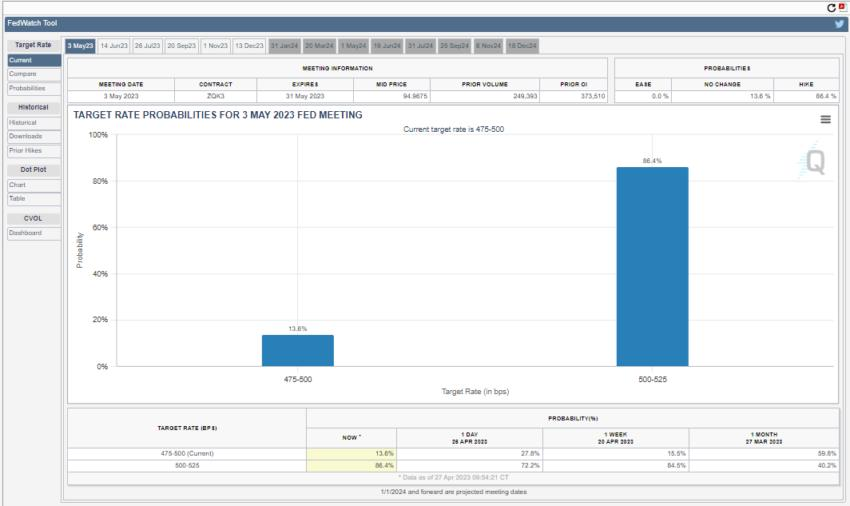
CME 目标利率CME FedWatch 目标利率预测 |资料来源:芝商所

CME FedWatch 工具对此表示赞同,认为即将到来的 25 个基点加息的可能性为 87.4%

Leituras Relacionadas

After Collaborating with 35+ DeFi Projects, Pink Brains Discovers the New 2026 KOL Marketing Rules

After collaborating with over 35 leading DeFi projects on marketing over three years, Pink Brains identifies a key shift for effective marketing in 2026: prioritizing the user journey over traditional campaign tactics. The most effective marketing mirrors how users actually behave—starting with discovery on social platforms like X (formerly Twitter), followed by data-driven verification on sites like DefiLlama, and finally, participation with small test funds. Success hinges on genuine, verifiable mechanisms, not just marketing hype. Current user interest centers on several key themes: new DeFi trends (RWA, perps, crypto x AI), meaningful airdrops requiring real contributions, real yield from protocol revenue, and tokens with value capture mechanisms directly tied to product usage. Case studies like Hyperliquid's HYPE (with its aggressive buyback program) and Venice's VVV (linking demand to AI compute) exemplify how strong tokenomics foster user retention. New trading venues like prediction markets, collectibles platforms, and GambleFi are also gaining traction, driven by verifiable activity. The article outlines common mistakes in DeFi KOL marketing, such as using creators unfamiliar with the product, generic messaging, or relying on a few top-tier KOLs. Instead, effective strategies align with different KOL types—educators, content creators, airdrop hunters, and niche experts—for various stages of the user journey. Ultimately, long-term user retention depends on a combination of a genuinely useful product, responsive support, community-aligned tokenomics, and strategic community building. The core takeaway is that sustainable growth stems from products whose value is validated by data and real-world utility, not just promotional efforts.

marsbitHá 11m

After Collaborating with 35+ DeFi Projects, Pink Brains Discovers the New 2026 KOL Marketing Rules

marsbitHá 11m

CRCL 暴涨暴跌,COIN 跟着跳水:CLARITY Act 背后真正的利益战争

A recent draft of the CLARITY Act sparked market volatility, with Circle (CRCL) and Coinbase (COIN) stocks plunging. The core issue is Section 404 of the draft, which proposes prohibiting digital asset service providers from paying interest or rewards *solely* for holding payment stablecoins. The article argues this is not merely a technical debate over rewards, but a fundamental battle over the future role of stablecoins: Will they remain purely payment/transaction tools, or evolve into on-chain savings accounts that compete with bank deposits? US banks, fearing deposit outflow, have lobbied heavily for such restrictions. While Circle and Coinbase were both hit, their exposures differ. Circle's direct revenue primarily comes from reserve earnings, so the draft impacts its future growth narrative. Coinbase, however, relies heavily on USDC rewards and balances as part of its "Everything Exchange" platform strategy, making its growth engine more directly vulnerable. The analysis identifies three deeper layers often missed: 1) The political economy of preventing stablecoins from becoming savings substitutes. 2) The distinct impact on issuers (Circle) versus distributors/platforms (Coinbase). 3) The migration of yield demand to other tokenized securities (like MMFs) regulated under existing frameworks, as hinted in Section 505 of the same draft. In essence, three major battles are underway: banks defending their deposit base, Coinbase fighting for user entry and distribution rights, and Wall Street aiming to control the compliant path for tokenization. While a short-term headwind for crypto-native platforms, the article suggests this regulatory push could force the industry to build more sustainable value in real payment and B2B infrastructure.

marsbitHá 53m

CRCL 暴涨暴跌,COIN 跟着跳水:CLARITY Act 背后真正的利益战争

marsbitHá 53m

Trading

Spot
Futuros
活动图片