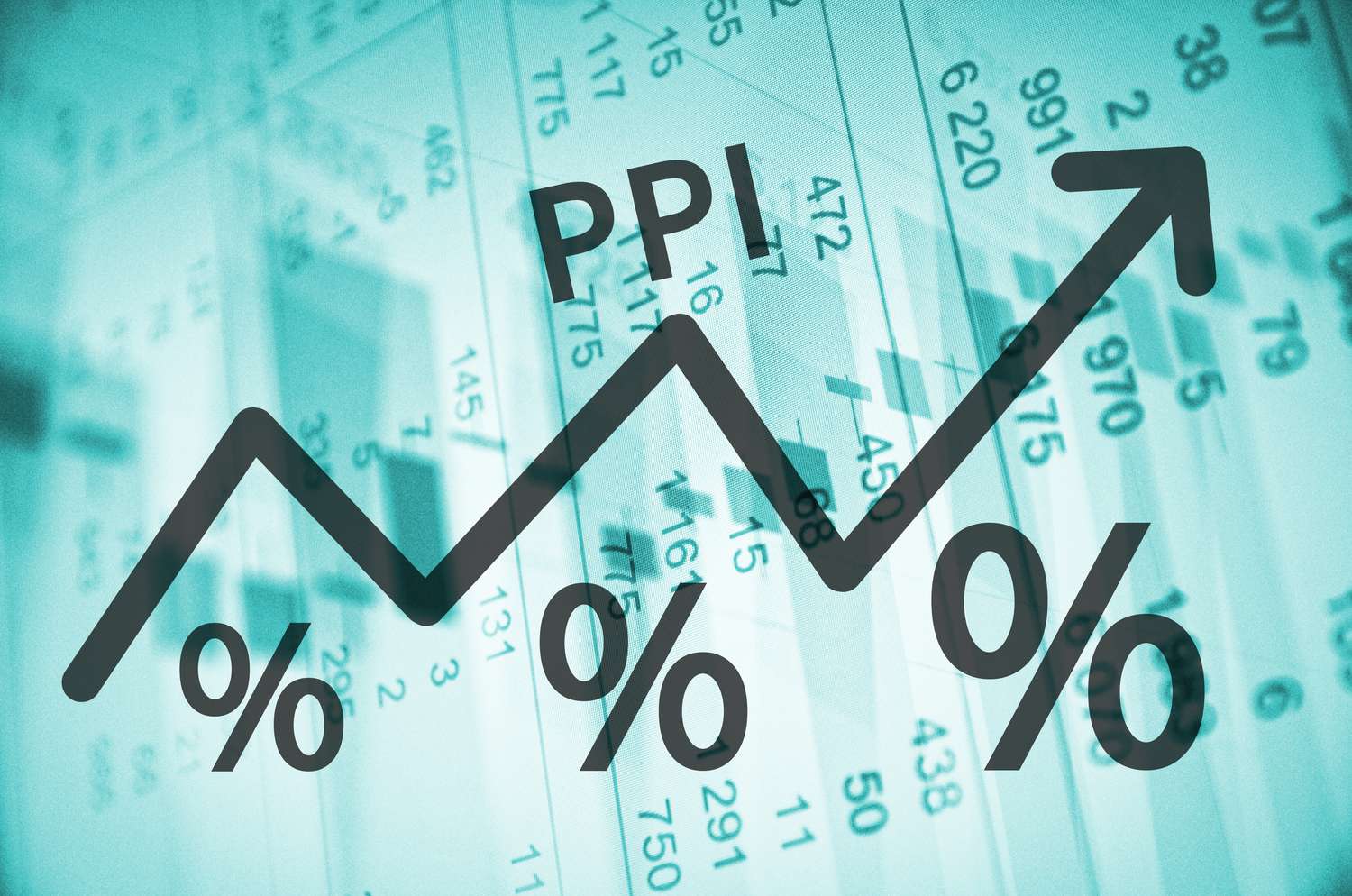
March's producer price index confirmed inflation is cooling — and predicts consumer prices will drop further. The S&P 500 closed at its highest in two months.
What you need to know today
- U.S. stocks rallied Thursday as another report showed prices are declining. All three major indexes closed in the green, the first time that's happened in days. The pan-European Stoxx 600 index entered a three-day winning streak to close at 0.4%, buoyed by LVMH's 5.65% jump.
- Twitter's users can now trade stocks, cryptocurrency and other financial assets through a partnership with eToro, an online brokerage. It's another step forward in CEO Elon Musk's plan for Twitter to become "the biggest financial institution in the world," as Musk put it last month.
- Amazon has jumped on the artificial intelligence wagon with Bedrock, its own generative AI service. Unlike other ChatGPT-style products, Bedrock will give users access to different large language models — and let them customize those models for their own purposes, CEO Andy Jassy told CNBC.
- The U.S. government has identified a 21-year-old Air National Guardsman as the person suspected of leaking classified documents, reported NBC News. The documents revealed secret assessments of Russia's invasion of Ukraine, according to NBC News.
- PRO Big U.S. banks report earnings tomorrow. Here are the banks Jim Lebenthal, chief equity strategist at Cerity Partners, favors — and one that he calls the "crème de la crème."
Is inflation on its way out?
The latest producer price index suggests so. Last month's prices were 0.5% lower — emphasis on lower, not a slower rate of increase — than February's. Stripping out food and energy, the PPI fell 0.1%, bucking an expected 0.2% increase.
Since the PPI measures how much companies pay to produce consumer goods and other commodities, and since it takes time for price changes to filter down from the producer to the consumer, many think the PPI acts as a forecast for consumer prices.
And March's consumer price index report, released Wednesday, already showed that price increases are slowing for consumers. The PPI, then, doesn't just signal hope — it confirms that investors' hope wasn't misplaced. The latter sentiment is much more powerful.
Little wonder markets rallied Thursday. The S&P 500 was a big winner: It added 1.33% to end the day at its highest level since February. The Dow Jones Industrial Average rose 1.14%, and the Nasdaq Composite climbed 1.99%, snapping a three-day losing streak.
The Nasdaq was boosted by a surge in tech stocks, which rose on hopes that the Federal Reserve may soon pause increases in interest rates. Amazon shares popped 4.67% — buoyed, also, by the company's AI announcement. Other big tech rallied too: Alphabet climbed 2.67%, Apple jumped 3.41% and Meta rose 2.97%.
Friday in the U.S. will be another big day for markets: JPMorgan, Wells Fargo and Citi report earnings before the bell. If the banks' numbers look good (and they should, I suspect, considering how many depositors fled to bigger banks after SVB's collapse) — and, more crucially, if the banks think the months ahead won't be too painful for the bottom line — expect to see another positive day for markets.
But if they echo the Fed's expectations of an impending recession, it's likely Thursday's optimism will remain a one-day sentiment.