Silvergate Bank清算,摩根大通或与Gemini结束银行业务,加密出入金更难了?

比推Publicado em 2023-03-09Última atualização em 2023-03-09

Resumo

美国银行系统与加密行业之间的未来关系存在不确定性,尽管美国以外的OTC可能会因此受益,但长期来看对整个行业来说影响仍是负面的

纽约时间 3月8日下午,Silvergate Bank 的母公司 Silvergate Capital Corporation宣布将根据适用的监管程序结束运营并“自愿清算 Silvergate Bank”。

“”

自愿清算(voluntarily liquidate),顾名思义,即公司自行对其资产进行清算关闭公司,是指债务人与债权人达成协议,不经过正规破产处理程序,私下对公司进行的清算。自愿清算能够避免许多破产成本,而且债权人也能获得更高比例的偿还。

“”

Silvergate Capital Corporation 在公告中表示:“鉴于最近的行业和监管发展,Silvergate 认为有序结束银行业务和自愿清算银行是最好的前进道路……银行的清盘和清算计划包括全额偿还所有存款。公司还在考虑如何最好地解决索赔并保留其资产的剩余价值,包括其专有技术和税收资产。”

“”

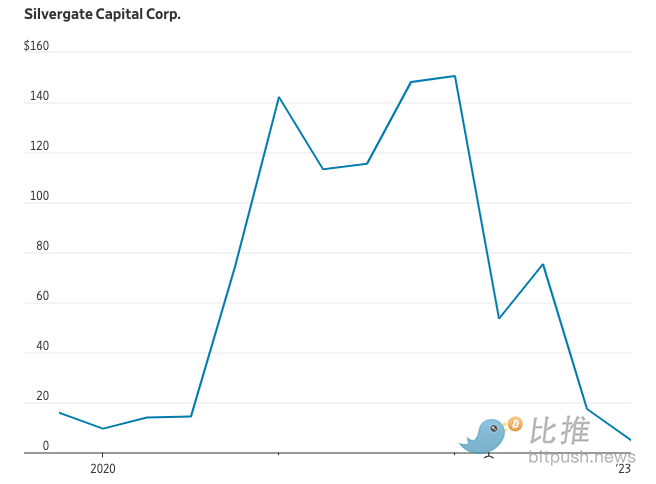
Silvergate 的股价在美股盘后交易中下跌超过 28%。根据道琼斯市场数据,周三收盘价为 4.91 美元,创下 2019 年 11 月以来的历史新低,较 2021 年 11 月创下的历史新高下跌了 98%。
摩根大通或与 Gemini 结束银行业务

“”

当天还有另一个利空消息,Coindesk援引一位知情人士的话报道称,美国银行业巨头摩根大通 (JPMorgan) 将结束与 Gemini 的银行业务关系,Gemini 是 Cameron 和 Tyler Winklevoss 拥有的加密货币交易所。据《华尔街日报》报道,早在 2020 年初,摩根大通就将 Gemini 和美国上市交易所 Coinbase 发展为客户,为他们提供现金管理服务,并为交易所的美国客户处理美元交易,它通过自动清算所网络(ACH,一种电子资金转账系统)处理电汇、存款和取款。

“”

Coinbase 交易所发言人表示,Coinbase 与摩根大通的银行业务关系保持完好。

“”

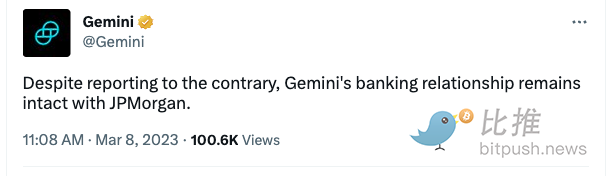
Gemini 在官推中回应了这一报道,称:“尽管有相反的报道,但 Gemini 与摩根大通的银行关系仍然完好无损。”
Gemini 于 2015 年获得纽约州金融服务部(DFS)颁发的信托执照。Coinbase 在金融犯罪执法网络 (FinCEN) 注册为货币服务企业,并且还拥有DFS颁发的加密业务许可证,即 BitLicense,两家公司都在多个州获得了汇款许可。

“”

摩根大通的决定很可能与Silvergate Bank、Gemini Earn 事件有关。

“”

比推此前报道,Gemini 已受到美国证券交易委员会 (SEC) 的审查,被控通过其“Earn计划”提供未注册的证券。Gemini Earn 计划一直存在争议,在该计划的重要合作伙伴和数字货币集团 (DCG) 的子公司 Genesis 停止运营后,用户无法从该平台提取资金。加密收益也是其他拥有相似业务的公司今年以来面临的最新监管挑战。

“”

Gemini 失去一个主要银行合作伙伴可能对其影响不大,根据该交易所的网站,该公司与其他银行有合作关系,例如 State Street,以及即将清算的 Silvergate Bank。

“”

出入金的负面影响

“”

Silvergate Bank 的陨落正在加剧美国监管机构之间关于银行是否能够防范加密风险的争论,并且令加密公司在美国的出入金业务面临阻碍。

“”

Silvergate 总部位于加利福尼亚州La Jolla,自 2013 年以来一直为加密货币公司提供银行服务,并推出了自己的内部支付服务 Silvergate Exchange Network (SEN)。SEN平台是Signature的旗舰产品,为客户提供全天候相互转移现金的能力,被视为加密客户服务的“心脏”,Silvergate 周五晚些时候宣布暂停 SEN。

“”

该公司在 2018 年 11 月申请上市时透露,它拥有近 500 个加密客户。其首次公开募股 (IPO) 于 2019 年完成,在纽约证券交易所交易,当时拥有超过 750 个加密客户。

“”

Silvergate 危机也让那些一直以来反对银行系统与加密公司交互的立法者更拿捏了证据。

“”

另一家远离加密货币的银行是 Signature Bank。2022 年 12 月,它宣布计划减少加密服务、向客户返还资金并关闭与加密相关的账户。由于与熊市和 FTX 破产相关的流动性问题,该银行还在 2022 年最后一个季度从美国联邦住房贷款银行系统 (FHLB)借款近 100 亿美元。

“”

加密银行业务转移至其他国家

“”

银行的举动也在影响加密公司。2 月,币安宣布暂停美元的银行转账。几周前,该交易所表示其 SWIFT 转账合作伙伴 Signature Bank将只处理超过 100,000 元银行账户的用户交易。

“”

Digital Asset Capital Management 联合创始人Richard Galvin 对彭博社表示,公司正在与位于瑞士的银行交谈,他没有透露银行名称。Galvin说:“有些银行处理加密交易,但他们并不专注于加密,这与 Silvergate 不同。我们已经在积极采取措施减少我们在 Silvergate 的存款并寻找新的银行客户,找到银行合作伙伴可能需要一些时间”。

“”

在瑞士,Sygnum Bank AG和SEBA Bank AG是与数字资产部门合作的银行之一,巴哈马的Deltec Bank & Trust Ltd.和Capital Union Bank也以专注于加密货币而闻名。

“”

Signature 的倒闭引起了美国关键立法者的注意,美国参议院银行、住房和城市事务委员会主席、资深参议员 Sherrod Brown在一份声明中表示:“今天,我们看到当一家银行过度依赖加密货币等高风险、不稳定的行业时会发生什么。当银行涉足加密货币时,它会将风险分散到整个金融系统,而付出代价的将是纳税人和消费者。”

“”

总之,美国银行系统与加密行业之间的未来关系存在不确定性,尽管美国以外的OTC可能会因此受益,但长期来看对整个行业来说影响仍是负面的。

Leituras Relacionadas

MoneyGram: Why Did We Launch Our Own Stablecoin?

MoneyGram, a global leader in cross-border remittances for over 80 years, has launched its own stablecoin, MGUSD. The initiative aims to evolve from single-transaction services to becoming a more integral part of users' financial lives. By allowing customers to hold a stable US dollar balance within the MoneyGram app, MGUSD enables not only remittances but also everyday spending, currency exchange, cash access, and future financial services. Targeting the billions globally who face challenges like currency volatility or lack of bank accounts, MGUSD leverages Stellar blockchain technology with a self-custody wallet architecture. This gives users control over their assets while providing a secure, compliant experience through a trusted brand. The approach focuses on solving existing customer pain points within MoneyGram's established network, rather than competing for broad crypto market liquidity. A key advantage is MoneyGram's hybrid model, combining digital services with the world's largest physical network for crypto-to-cash conversions. The stablecoin also modernizes the company's internal infrastructure, streamlining treasury management and partner settlements, with annual forex volume via stablecoins already reaching $2 billion. The project was delivered in about a year, driven by a reorganization into agile, cross-functional teams that operate with startup-like speed while leveraging decades of institutional expertise. Partners include Stablecoin (issuance), Crossmint (wallet APIs), Fireblocks (enterprise treasury), m0 (smart contracts), and the Stellar network. MoneyGram emphasizes that enhancing direct consumer offerings strengthens its partner ecosystem. The future direction is clear: to provide users worldwide with stable value storage, better financial tools, and greater control over their funds through a trusted, existing network.

Foresight NewsHá 27m

MoneyGram: Why Did We Launch Our Own Stablecoin?

Foresight NewsHá 27m

BIP-110 Controversy Intensifies: Bitcoin May Face Its Most Divisive Hard Fork Battle in Years

Bitcoin is approaching a critical block height of 961,632, which could activate the controversial BIP-110 proposal. This proposal aims to restrict the amount of non-financial data, such as inscriptions and other large data payloads, within Bitcoin transactions. Supporters, including some node operators and Bitcoin purists, argue that BIP-110 is necessary to preserve Bitcoin's core function as a monetary settlement layer by reducing network congestion and node operational burdens caused by non-essential data. They frame it as a correction to keep the network true to its original purpose. However, critics, including prominent figures like Blockstream's Adam Back and developer Jameson Lopp, warn that the proposal's implementation mechanism is dangerously flawed. They highlight that its low 55% miner signaling threshold, coupled with a contentious enforcement mechanism allowing nodes to unilaterally reject non-compliant blocks, significantly increases the risk of a chain split. Opponents argue this sets a dangerous precedent for transaction censorship, undermines Bitcoin's protocol neutrality, and creates excessive uncertainty for developers and businesses, especially since the rule is proposed as a temporary one-year measure. Market analysts, such as those from Bitfinex, suggest a full-scale network split is unlikely due to a lack of broad economic consensus. Major mining pools remain neutral, and adoption of the new rules is minimal. They view the situation more as a governance stress test. The primary risk is operational disruption: if a minority chain persists, major exchanges and custodians may need to temporarily suspend Bitcoin deposits and withdrawals to manage security and liquidity, potentially unsettling newer institutional investors. While BIP-110 is not expected to succeed in overtaking the main chain, its approach has ignited a significant debate about Bitcoin's governance, core values, and resilience.

Foresight NewsHá 1h

BIP-110 Controversy Intensifies: Bitcoin May Face Its Most Divisive Hard Fork Battle in Years

Foresight NewsHá 1h

Crypto Market Makers Are Collectively Seeking Change as Money Becomes Harder to Earn

**Summary: Crypto Market Makers Adapt as Margins Shrink** Leading crypto market maker GSR exemplifies a broader industry shift, moving beyond traditional market-making to become a full-service "Web3 investment bank." Its recent strategic acquisitions—including an SEC-registered broker-dealer, rebranded as GSR Securities—and purchases of token advisory firms aim to create an integrated platform covering token design, fundraising, listing, liquidity provision, and asset management. This includes launching an ETF and investing in tokenization platforms like Libeara, backed by a strategic investment from Standard Chartered's SC Ventures. This transformation is not unique to GSR. Other major players like Keyrock, B2C2, Wintermute, and DWF Labs are also expanding geographically, pursuing regulatory licenses (especially under frameworks like MiCA in the EU), and diversifying into over-the-counter (OTC) trading, asset management, and real-world asset tokenization. The driving force behind this collective pivot is a rapidly changing market. Profits from traditional altcoin market-making are declining due to fewer viable projects, reduced client budgets, increased competition, and smarter, more demanding clients. Simultaneously, regulatory pressures are mounting, making compliance a baseline cost. Extreme market events further expose teams lacking robust risk controls. Consequently, the crypto market-making business model is evolving from one reliant on information asymmetry and volatility to a more institutionalized, regulated, and service-diverse industry. Survival now depends on building systemic capabilities beyond mere liquidity provision.

marsbitHá 2h

Crypto Market Makers Are Collectively Seeking Change as Money Becomes Harder to Earn

marsbitHá 2h

Trading

Spot
Futuros
活动图片