SingularityNET:等风来的AI项目

常人CryptoPublicado em 2023-02-22Última atualização em 2023-02-27

Resumo

在ChatGPT带动人工智能爆火后,SingularityNET顺理成章成为加密市场追捧的热点。

火必于2月20日晚8点上线了AGIX,SingularityNET(AGIX)算是一个“老项目”,近期为什么会被交易所重新关注呢?
SingularityNET介绍

SingularityNET中文名叫奇点网络,是一个和人工智能(AI)相关的项目,它希望成为协调各领域AI进行规模合作的平台。因为AI本身需要大量的数据和开发支持,但各领域基本在各自为战。此外,AI技术仅存在于少数人和少数公司中,并没有得到更广泛的普及。

通过SingularityNET,有AI开发需求的公司可以直接从平台调取数据和各类功能,AI公司也可以将自己的开发成果和数据资产化,这一过程将通过AGIX代币实现。简单来说,SingularityNET希望AI技术可以共享并通过去中心化的方式普及。

`

AGIX代币模型

2017年底,团队进行首次ICO,代币总量为10亿,发售量为5亿,硬顶募集金额为3600万美元。剩余的5亿枚代币,20%用于激励早期用户和开发者、18%分配给核心团队成员、8%由基金会持有、4%用于赏金计划。由于市场对团队的认可度较高,此次募集共收到2.5亿美元认购申请。2021年,由于SingularityNET将网络迁移至卡尔达诺,同时为了促进生态发展,团队决定增发10亿枚代币,并在91年里线性释放。
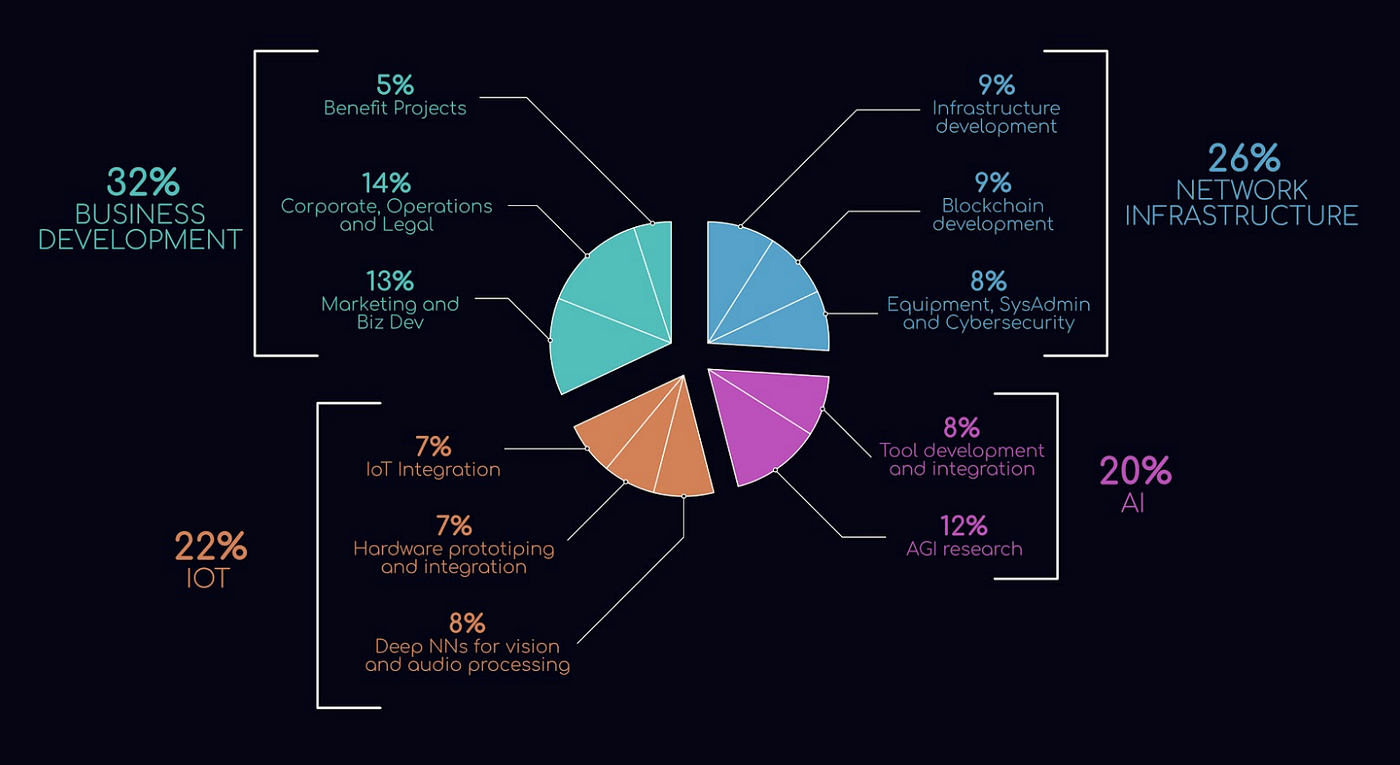
SingularityNET代币AGIX主要功能有四个:交易、结算、激励和治理。随后又增加了质押和领取生态项目代币空投,所有生态项目都会拿出5%代币空投给AGIX持有者,这非常有利于生态发展。

`

SingularityNET发展历程

SingularityNET诞生于2017年下半年,创始团队间的合作应该更早。

2017年12月,通过发行AGI募集了3600万美元。

2018年6月,SingularityNET主网Alpha版上线。

2019年2月,SingularityNET主网Beta版在以太坊网络上线。

2019年3月,SingularityNET白皮书2.0发布。

2019年9月,SingularityNET主网Beta V2版发布。

2019年11月,与PayPal达成集成合作。

2020年4月,代币流动性质押启动。

2020年9月,SingularityNET服务集成到Android应用程序中。

2020年11月,发布AI-DeFi解决方案SingularityDAO。

2021年1月,SingularityNET决定从以太坊网络迁移到卡尔达诺网络,并新增发10亿枚代币,新增发的代币将在91年里逐月释放。

2021年5日,新代币AGIX通过硬分叉替代AGI,新代币兼容以太坊和卡尔达诺。

2021年7与,在UniSwap上开设AGIX-USDT交易对。

2022年5月,Converter Bridge上线。

从2022到2023年,SingularityNET开始不断资助生态项目的发展,目前还没有公布2023年的路线图。

团队背景

Ben Goertzel:创始人兼CEO,他是一名数学博士,也是通用人工智能领域的专家。

David Hanson:董事长兼SingularityNET机器人开发负责人,Sophia机器人由其打造。

机器人Sophia:由SingularityNET合作伙伴Hanson Robotics开发,是项目的形象代言人,也是核心节点。

SingularityNET的团队背景非常高端,核心团队均为博士学历,在专业技术上的实力毋庸置疑。项目没有在投资机构进行过融资,只进行了一轮ICO。

`

小结

SingularityNET是一个高大上的技术型项目,团队在人工智能领域的经验非常丰富。从项目成立至今一直在持续披露进展,运营状态非常健康。在ChatGPT带动人工智能爆火后,SingularityNET顺理成章成为加密市场追捧的热点。


Leituras Relacionadas

The Rally That Wasn't

The article analyzes Bitcoin's sharp decline amid a shift in macroeconomic expectations, with strong US job data leading markets to price out Fed rate cuts. Bitcoin fell 13% to around $67,000, triggering significant outflows from US spot ETFs and indicating institutional de-risking. On-chain data confirms a bearish structure. Price has dropped back into the "bear market range," with the Short-Term Holder Cost Basis falling below a key mean level—a pattern last seen in early 2022. The profitability bias has collapsed, with loss realization now dominating, mirroring a panic wave from February. Recent buyers who accumulated near the $82k top are under pressure, and loss realization is accelerating across both short-term and long-term holder cohorts. Off-chain, the rally failed at the aggregate US ETF cost basis near $83k, turning it into resistance. Spot market demand has deteriorated sharply, with sellers dominating order books. While a major long liquidation event cleared over $400M in leverage, spot buyers have not returned to absorb supply. Options markets show sustained demand for downside protection (elevated put premiums) but not panic, with volatility premiums near three-month highs. The conclusion is that the market remains fragile, with overhead supply from trapped ETF investors, weak spot demand, and accelerating losses. Without a return of spot buying and a reclaim of key cost bases, Bitcoin is vulnerable to further downside within the prevailing bear market structure.

insights.glassnodeHá 1h

The Rally That Wasn't

insights.glassnodeHá 1h

Trading

Spot
Futuros
活动图片



