付鹏的屏蔽键,按错了地方

marsbitPublicado em 2026-04-27Última atualização em 2026-04-27

撰文:张鹏,深潮 TechFlow

经济学家跑进币圈的第一周,就开始用屏蔽键清理推特。

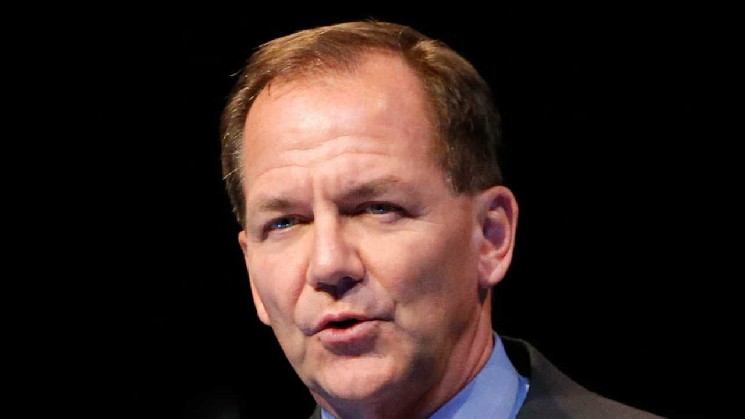
这大概是这个周末加密推特最有意思的话题。付鹏,那个因说了大实话被国内封号、靠"受迫害的独立经济学家"形象积累了巨大声望的人,在以新火集团首席经济学家身份正式亮相后,开始批量屏蔽质疑他的币圈账号。

消息一出,圈子里炸了。有人截图,有人嘲讽,有人直接说,这操作活像“项目方跑路前大规模拉黑用户”。

操作本身不违法。

每个人都有权决定谁能出现在自己的时间线,但这个动作发生在一个极其敏感的节点,发生在一个极其特殊的行业,发生在一个极其矛盾的人身上,于是它就变成了一件值得认真说的事。

他是谁?

在传统金融圈,付鹏的名声建立在一件事上:敢讲。

那场在汇丰私行的演讲,讲了中产萎缩、需求不足、结构性衰退,内容流出后被删了又删,还是在镜像账号里流传了几个月。随后他的微信和短视频平台账号悉数被封。在那个大家普遍选择"战略性沉默"的环境里,他站在台上说了一些不受欢迎的实话,然后付出了代价。

这件事是有气节的。也正因此,他积累了一批真正认可他的受众,不是因为理论框架多精妙,因为他愿意公开站在某个立场上,哪怕这个立场让自己不舒服。

去年付鹏做完手术,今年以新火集团首席经济学家的身份重新出发。

4 月 20 日官宣,新火股价当天涨超 22%。4 月 23 日,他在香港 Web3 嘉年华登台,发表加入币圈以来的首场公开演讲,抛出"FICC+C"框架,把加密资产纳入传统固定收益、外汇、大宗商品的配置体系,认为比特币已从早期的"信仰资产"演化为可被机构配置的合规商品。演讲质量不错,框架清晰,历史类比也扎实。

这是一个漂亮的入场。

然后他开始屏蔽人。

两套系统的碰撞

要理解这件事,先要理解两套完全不同的信任操作系统。

传统 FICC 的世界里,信任这样建立:机构背书、资质认证、精选互动。你是谁家的首席,发什么研究报告,出席什么级别的会议,这些构成你的可信度。与此同时,你有权管控自己的信息环境,不想和零售散户讨论,不想回应质疑性的公开提问,这很正常,甚至是专业性的体现。付鹏过去就有这个习惯,据说 2021 年至 2024 年间他多次删除微信好友、清理早期支持者,在传统金融圈这不算新闻,顶多是"这人比较清高"。

加密圈的信任系统,从底层就不一样。

SBF 的案例给这个行业留下的不只是 100 亿美元的窟窿,还有一套系统性的免疫机制:外来权威约等于零,甚至可能是负数,因为光环越大,可疑的动机就越多。进入这个行业,无论你在链外有多少 title,你的可信度每天都在当众更新。你说什么不重要,你做什么、你的持仓是否透明、你在行情最烂的时候是否还在、你在自己看多的东西跌 80%的时候是否公开为判断负责,这才是计分的维度。

加密行业在一次次被明星、教授收割后进化出来了一种抗体。

所以,付鹏用传统 FICC 的默认值,“过滤噪音,精选互动”,来操作他在加密圈的推特,从他的系统看完全合理,他服务的一直是机构大户,新火集团也定位"机构级合规数字金融",对他来说,热闹的币圈推特就是干扰项。

从加密圈的系统看却是个错误信号:我来这里是为了输出,不是为了接受检验。

这两个系统本身都有其逻辑,但它们是不兼容的。

什么才是这里的通行证?

说一个可能让人不舒服的判断:付鹏进入这个圈子的方向是对的。

宏观经济学家在加密行业是稀缺的。真正理解 FICC 逻辑的人进来做研究,用成熟的资产配置框架重新定义加密资产的位置,对行业的机构化进程有实质意义。他在演讲里说的那个判断,加密行业的上半场结束了,下半场是机构化和合规化,我认为方向是对的,时机也对。

他自己讲得也很坦诚:早期他不参与信仰交易,是因为"真正的资本不会在确定性不足的阶段过度介入"。这是实话,也是真正专业的视角,比很多跑来喊单的传统金融人强得多。

但专业视角和接受质疑,不是互斥的。

无论是 CZ,Vitalik 还是付鹏的老板李林、杜均,都在推特上接受过批评与检验。

Vitalik 每隔几年写一篇自我批评的长文,承认以太坊早期设计的失误。他们各有各的问题,但共同点是:可以被检验。

这就是加密圈的通行证。

付鹏如果想在这里真正站稳,不是靠屏蔽键清理时间线,而是靠下一个公开的、可被检验的预测。他现在说宏观熊市或持续至年底,建议机构控仓等待,好,这个判断是可以等市场来验证的。对了,credibility 就来了。错了,解释原因,更新框架,再来一次。

这才是这个圈子认的东西。

付鹏从传统圈带过来的那套习惯,在这里或许需要做一个更新。

不是说他的专业能力或宏观框架有问题,这些是他的优势,也是他来这里的价值所在。需要更新的,是那个隐藏在屏蔽键背后的默认预设:我有资格管控谁能和我说话。

在传统金融,这是地位的体现。在加密圈,这是信任的消耗。

他在演讲里说,“你们过去 15 年熟悉的范式思维,可能会发生巨大的变化。”

这句话也可以原封不动还给他:你在传统金融 15 年养成的那套东西,有几样在这里也行不通。

其中一样很无聊,就是这个屏蔽的动作。

Leituras Relacionadas

Pax Silica vs. WAICO: The US Wants to Prohibit Europe from Using Chinese Artificial Intelligence

The United States is preparing to demand that European and other partners abandon Chinese artificial intelligence initiatives, threatening exclusion from the American-led "Pax Silica" coalition, according to a leaked U.S. State Department document. This ultimatum forces signatories of the "AI Opportunity Statement" to choose between the Western technological ecosystem and alternative frameworks, with China not explicitly named but clearly targeted. Pax Silica is a U.S. strategy for AI and semiconductor hegemony, launched in late 2025. Its European presence expanded significantly in mid-2026. Concurrently, China, Russia, and 27 other nations established the World AI Cooperation Organization (WAICO) in July 2026 as an independent intergovernmental platform promoting AI governance based on UN principles. This situation creates a difficult choice, especially for European nations balancing strategic autonomy with dependence on U.S. tech and security. It also pressures Global South countries with pragmatic ties to both Washington and Beijing. The formation of competing blocks risks fragmenting the global tech landscape, forcing companies to split supply chains, increasing costs, and potentially leading to incompatible standards and protocols. The era of open globalization in AI may be ending, replaced by geopolitical confrontation where technological sovereignty trumps economic efficiency. The decisions made will shape the global digital economy for decades.

cryptonews.ruHá 1h

Pax Silica vs. WAICO: The US Wants to Prohibit Europe from Using Chinese Artificial Intelligence

cryptonews.ruHá 1h

Robert Kiyosaki Shares His Mentor's Predictions About the Emergence of Bitcoin and AI

American entrepreneur and author of "Rich Dad Poor Dad," Robert Kiyosaki, discussed the influence of futurist R. Buckminster Fuller on his worldview, linking Fuller's past technological predictions to the emergence of Bitcoin and the development of artificial intelligence. In an X post, Kiyosaki also reflected on personal purpose, sharing his journey from the music business—where he worked with bands like The Police and Iron Maiden—to creating the "Cashflow" board game and writing his famous book. He described feeling an inner emptiness despite his success, a turning point that came after meeting Fuller, whom he studied with for three summers. Kiyosaki described Fuller as a "friendly genius" who foresaw world-changing developments like Bitcoin and AI. However, the core of his post focused on Fuller's philosophical impact, particularly a quote about belonging to the universe and finding purpose by dedicating one's life to the maximum benefit of others. The entrepreneur remains a vocal advocate for cryptocurrencies. He regularly advises buying Bitcoin during market panics, viewing it and assets like Ethereum, gold, and silver as hedges against traditional financial system failures. Kiyosaki has predicted a major market crash by 2026, seeing it as an opportunity for prepared investors, with long-term price targets including $750,000 for Bitcoin and $95,000 for Ethereum.

cryptonews.ruHá 3h

Robert Kiyosaki Shares His Mentor's Predictions About the Emergence of Bitcoin and AI

cryptonews.ruHá 3h

Etherealize CEO Calls Wall Street's Private Blockchains a 'Race to the Bottom'

Etherealize co-founder and CEO Vivek Raman criticized Wall Street's growing interest in private, permissioned blockchains, calling them a "race to the bottom." In an interview with CoinDesk, Raman argued that consortium networks fragment liquidity and return the industry to the siloed systems that blockchain technology was meant to overcome. He stated that closed networks do not interoperate, undermining two key advantages of the technology: system compatibility and liquidity concentration. Etherealize promotes Ethereum as an open, foundational layer for institutional players. Raman insists that privacy and access restrictions should be built on top of public infrastructure—at the application or L2 level—rather than creating separate, closed networks. He compared Ethereum to HTTP as a base layer, with additional permissioned and private layers akin to HTTPS. Examples of this new wave of "closed" solutions mentioned include Canton Network from Digital Asset, Circle's Arc project, and Stripe's Tempo. Raman termed this trend "consortium chains 2.0," recalling earlier initiatives like the R3 interbank consortium and the Hyperledger corporate ecosystem from 2016 that failed to gain significant traction. He reiterated his firm belief that a global, open, permissionless infrastructure is necessary as a foundational base layer. Raman previously noted in June that traditional financial institutions had begun implementing Ethereum-based solutions into real business processes.

cryptonews.ruHá 3h

Etherealize CEO Calls Wall Street's Private Blockchains a 'Race to the Bottom'

cryptonews.ruHá 3h

Trading

Spot
活动图片