# Stablecoins Related Articles

HTX News Center provides the latest articles and in-depth analysis on "Stablecoins", covering market trends, project updates, tech developments, and regulatory policies in the crypto industry.

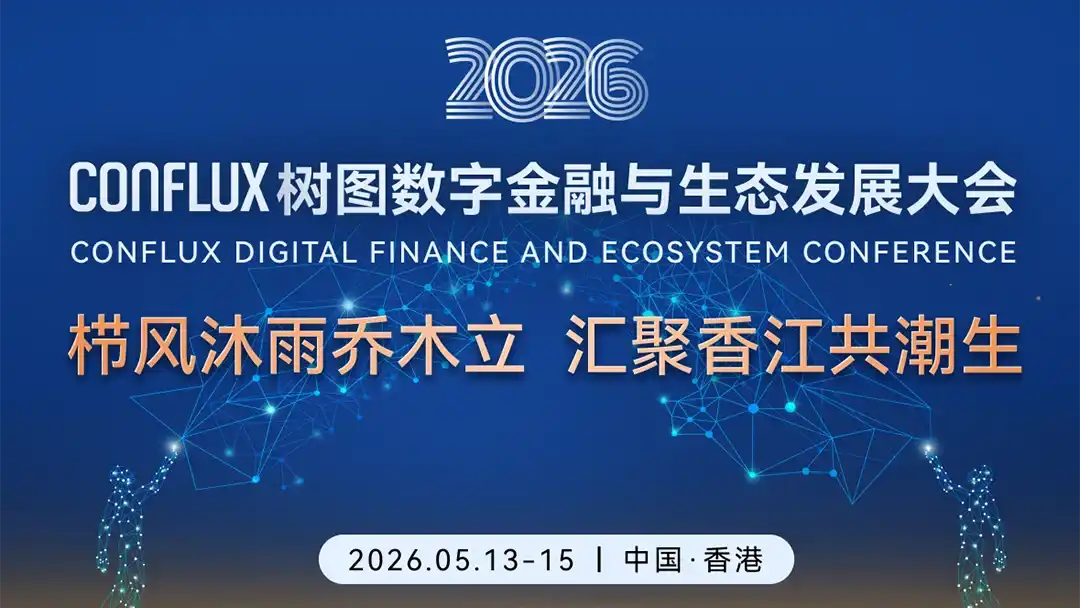
Standing Tall Through Storms, Gathering in Hong Kong to Ride the Tide | Registration Opens for Conflux Tree-Graph Digital Finance & Ecosystem Development Conference

Every technological wave quietly reshapes the world. From the steam engine to the internet and the digital economy, each has been a growth engine. Today, the convergence of blockchain, AI, and digital finance is accelerating a new transformation. Digital assets are reaching new peaks, global regulatory attitudes are clarifying, and concepts like RWA and stablecoins are scaling into real-world applications. AI Agents are beginning to participate in human production. We stand at a historic juncture where traditional and digital finance are deeply integrating, presenting clear opportunities and tangible challenges. Having operated stably for five years and connected multiple regions globally, Conflux Network continues to serve digital finance and on-chain applications. Hong Kong, as an international financial hub bridging China and the world, is seeing progressive exploration and improved frameworks for Web3 and digital finance. Leveraging Conflux's technical foundation, the Conflux Digital Finance and Ecosystem Development Summit will be held in Hong Kong from May 13 to 15, 2026. This event will foster in-depth dialogue on the future: discussing the evolution of digital financial infrastructure, the compliant implementation of RWA and stablecoins, ecosystem reshaping and on-chain governance in the age of AI Agents, and Web3 security frameworks. It will gather global scholars, entrepreneurs, investors, financial institutions, and industry representatives for cross-disciplinary exchange. On the final day, Conflux will co-host a themed salon with The University of Hong Kong to share these future-oriented discussions with the next generation. As technology moves from "usable" to "scalable," and finance evolves from "digital" to "on-chain and intelligent," industrial restructuring is underway. Whether you are a developer, researcher, entrepreneur, or an explorer curious about digital finance and Web3, we look forward to meeting you in Hong Kong.

marsbit05/09 03:06

Standing Tall Through Storms, Gathering in Hong Kong to Ride the Tide | Registration Opens for Conflux Tree-Graph Digital Finance & Ecosystem Development Conference

marsbit05/09 03:06

Eight-Year Industry Retrospective: The Crypto Revolution Has Already Occurred, Just Not as Envisioned

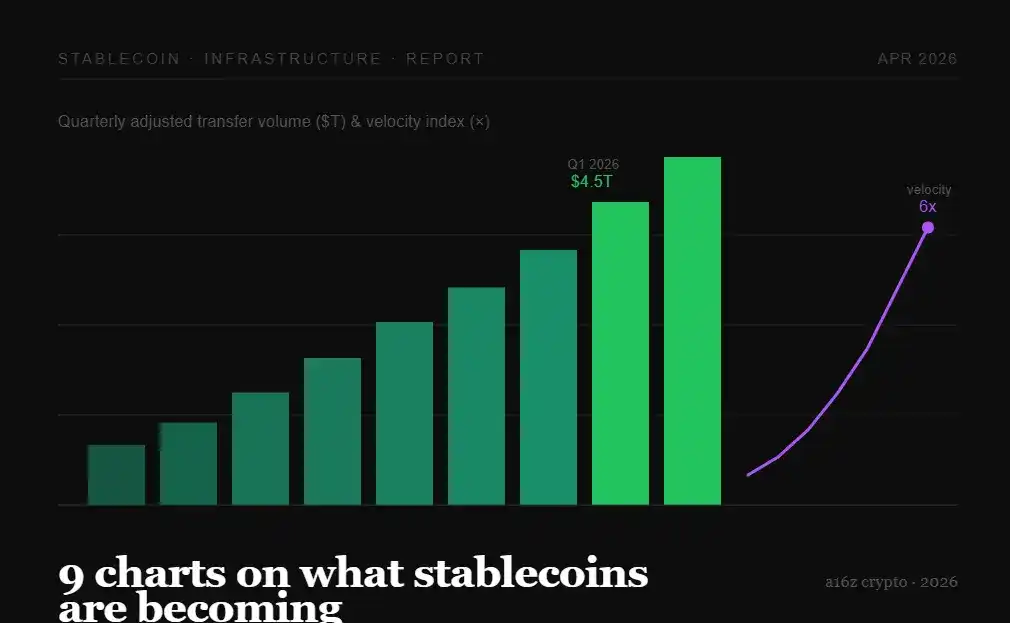
Eight Years in Crypto: A Different Revolution Unfolds After eight years across four crypto companies, my initial vision of decentralized apps and currencies replacing traditional systems largely failed to materialize. Instead, the industry has forged a distinct, perhaps more significant, path centered on rebuilding the global financial system from the ground up. My journey began in the 2017 ICO frenzy, a bubble reminiscent of the dot-com era, where fundraising outpaced usable technology. The subsequent crash led to a quiet rebuilding phase focused on financial primitives. From the ashes emerged stablecoins and DeFi, which gained explosive traction during the 2020 pandemic and the "DeFi Summer" of yield farming and speculative games. This was followed by the 2021 NFT mania, another cycle of exuberance. The 2022 crash was crypto's "Lehman Moment," triggered by the collapse of Terra's UST, hedge funds like Three Arrows Capital, and ultimately FTX, which misused customer funds. The aftermath saw aggressive U.S. regulatory actions under the SEC, which paradoxically fueled the rise of "legal-safe" memecoins, turning parts of the ecosystem into a massive casino by 2024-2025. A pivotal shift occurred with the 2024 U.S. election. A perceived pro-crypto administration led to key legislation like the GENIUS Act, clear stablecoin rules, and institutional adoption. Stablecoins, now a strategic U.S. priority, process trillions in transaction volume, and asset tokenization is gaining Wall Street traction. Today's reality isn't the cypherpunk dream of replacing fiat but a pragmatic revolution: upgrading the dollar system for the internet age and creating a globally accessible, 24/7 financial infrastructure. The next convergence is with AI, where crypto wallets and stablecoins will enable autonomous AI agents to transact in the global economy. The industry's future lies not in颠覆ing traditional finance but in integrating with it, replacing outdated backend systems with blockchain while maintaining familiar frontends. The goal is a seamless, borderless financial system. While my predictions may prove as flawed as my 2017 article, I remain committed to building within this ongoing transformation.

marsbit05/08 15:27

Eight-Year Industry Retrospective: The Crypto Revolution Has Already Occurred, Just Not as Envisioned

marsbit05/08 15:27

Three Months of Raising $6 Billion in Funding: What Are the Leading Crypto VCs Betting On?

While the crypto bear market persists, top-tier venture capital firms are making significant moves by raising massive new funds, signaling a strategic bet on the industry's future. Haun Ventures and a16z recently announced funds totaling $1 billion and $2.2 billion, respectively. This follows other major raises from firms like Dragonfly, Paradigm, ParaFi, and Blockchain Capital. In under three months, these six VCs have amassed over $6 billion in fresh capital, a clear example of counter-cyclical investing during a quiet market phase. The fundraising landscape highlights a sharp divergence between large and small VCs. Many mid-sized and smaller funds are struggling with poor returns, limited exit options, and difficulty raising new capital, leading some to scale back or exit. In contrast, leading firms are strengthening their dominance due to structural advantages: superior access to high-quality deals, the ability to invest across all stages, greater capacity for long-term bets and risk, and stronger negotiation power. These new funds are largely converging on key investment themes. The strongest consensus centers on next-generation on-chain financial infrastructure, including stablecoins, real-world asset (RWA) tokenization, prediction markets, and on-chain payments. VCs are focusing on projects with validated demand that can attract traditional finance flows. Another major focus is artificial intelligence (AI), particularly AI agents, as crypto seeks to position its open, composable networks as foundational infrastructure for the emerging AI economy. Ultimately, this wave of bear-market fundraising is a strategic wager on the next cycle. By deploying capital when valuations are lower and market noise is reduced, these top VCs aim to identify and back the foundational projects that will define the industry's future, betting on which companies will become the next generation of leaders.

marsbit05/08 05:49

Three Months of Raising $6 Billion in Funding: What Are the Leading Crypto VCs Betting On?

marsbit05/08 05:49

Transcending Cycles, Defining the Future: BIT Hosts Global Asset Strategy Sharing Session in Hong Kong, Exploring New Paradigms of Web3 and Traditional Markets

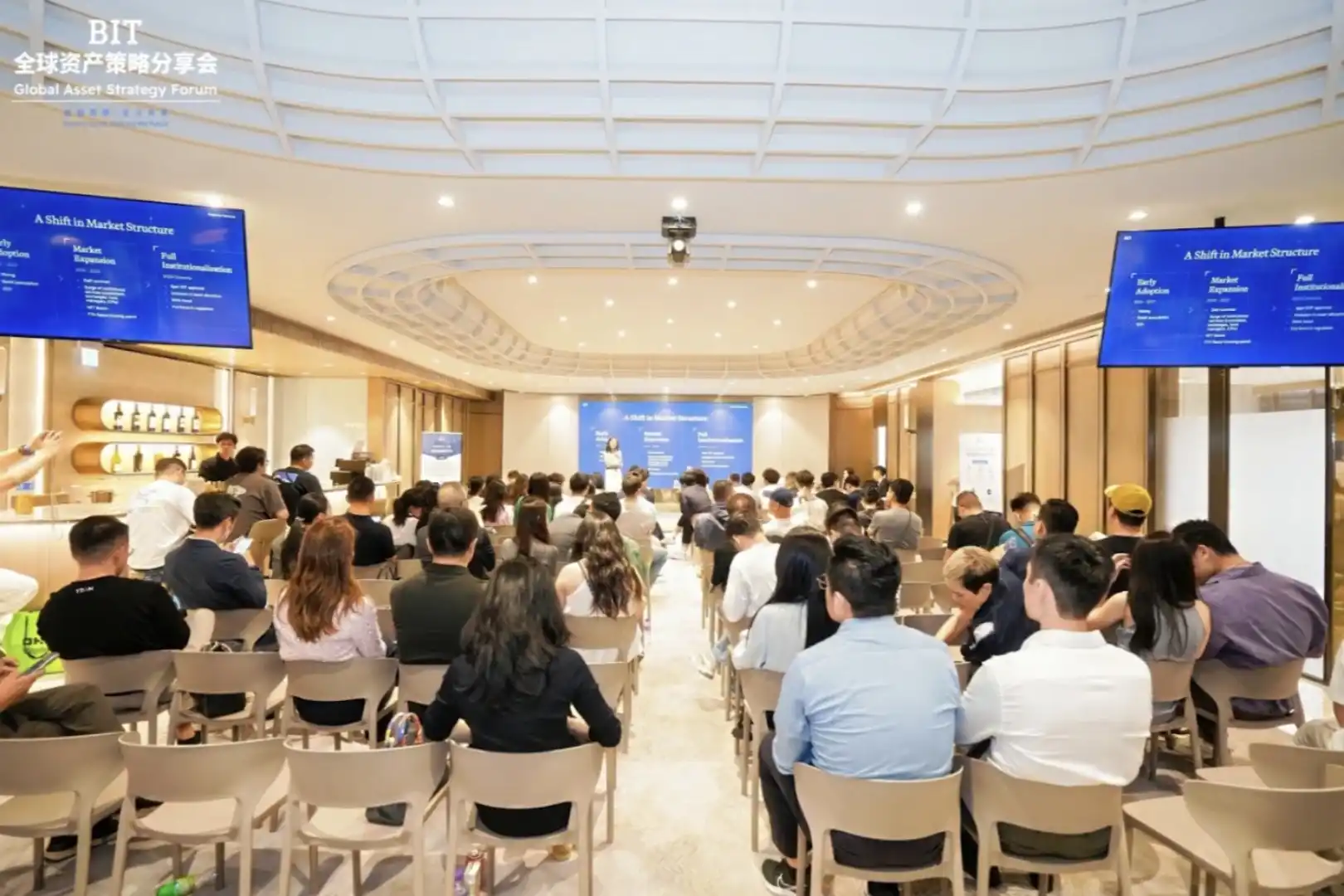
Amid a shifting global macroeconomic landscape, BIT, a global digital asset financial services group, hosted the "Global Asset Strategy Forum" in Hong Kong on April 22, 2026, under the theme "Transcending Cycles, Defining the Future." The event brought together industry leaders from financial institutions, crypto platforms, and professional service firms to explore new paradigms in Web3 and traditional markets. Key discussions centered on cross-market investment opportunities, regulatory pathways for compliant stablecoins, and the role of precious metals like gold and silver in the digital economy. BIT Founding Partner Cynthia Wu highlighted the institutionalization of the digital asset sector, noting its evolution from early retail-driven speculation to a phase marked by clearer regulation, the approval of spot ETFs, and the rise of Real-World Assets (RWA). She emphasized RWA’s role in bridging the gap between traditional finance and digital assets. Speakers observed a structural "reversal" between Web3 and traditional markets: Web3 is becoming more rational and profit-oriented, while traditional markets, especially U.S. equities driven by AI, are attracting concentrated capital and attention. The U.S. "Goldilocks" economic environment and AI commercialization were noted as key factors supporting risk assets. In stablecoin discussions, panelists emphasized the importance of regulatory compliance, asset-backed reserves, and transparency, noting that algorithmic stablecoins remain uncertain from a regulatory perspective. For RWA, gold was discussed as a macro-sensitive asset, with its value closely tied to interest rates, dollar strength, and geopolitical factors. The forum concluded that the digital asset industry is transitioning from narrative-driven growth to structure-driven, cross-market integration, with a focus on institutional participation and trust-based financial infrastructure. Disclaimer: This summary is for informational purposes only and does not constitute investment advice.

marsbit04/24 13:29
Transcending Cycles, Defining the Future: BIT Hosts Global Asset Strategy Sharing Session in Hong Kong, Exploring New Paradigms of Web3 and Traditional Markets

marsbit04/24 13:29

活动图片